Sensor aus einer Hand2025-07-30T11:14:22+08:00Light is the primary source of energy for plants, driving the complex process of photosynthesis that fuels life on Earth. Not all light, however, is equally useful for plants. Within the broad spectrum of solar radiation lies a specific range called Photosynthetically Active Radiation (PAR),...
Sensor aus einer Hand2025-07-17T11:09:57+08:00IntroductionArtificial Intelligence (AI) is revolutionizing countless industries, from healthcare to finance. One of the most promising and rapidly evolving intersections is Physics AI, where AI algorithms are integrated with the rigorous methodologies of physics. This fusion has opened unprecedented opportunities in theoretical modeling, experimental analysis,...
Sensor aus einer Hand2025-07-09T09:44:18+08:001. IntroductionAgriculture, horticulture, and plant research have evolved significantly due to advancements in sensor technology. One of the critical elements in optimizing plant growth is light—specifically, the portion of light that plants use for photosynthesis. This is known as Photosynthetically Active Radiation (PAR). A PAR...
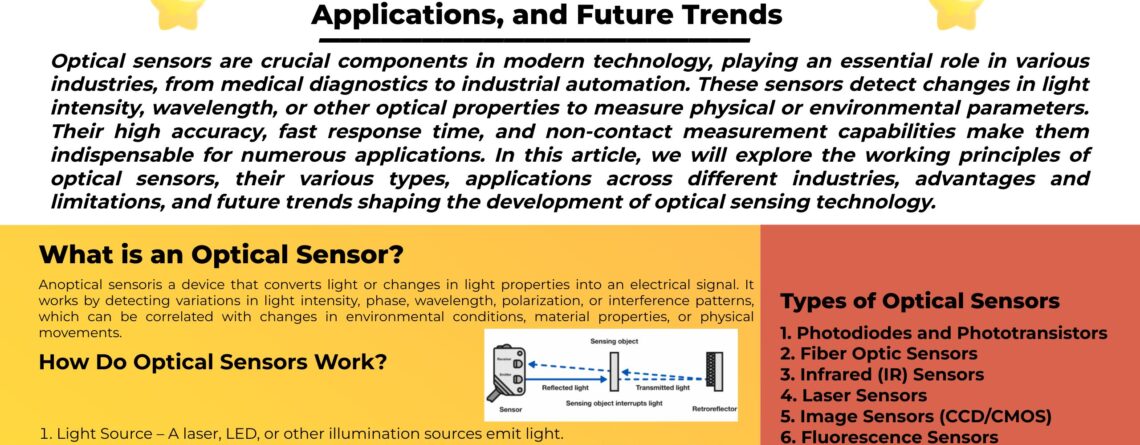
Sensor aus einer Hand2025-07-02T11:08:41+08:00Optical sensors are crucial components in modern technology, playing an essential role in various industries, from medical diagnostics to industrial automation. These sensors detect changes in light intensity, wavelength, or other optical properties to measure physical or environmental parameters. Their high accuracy, fast response time,...
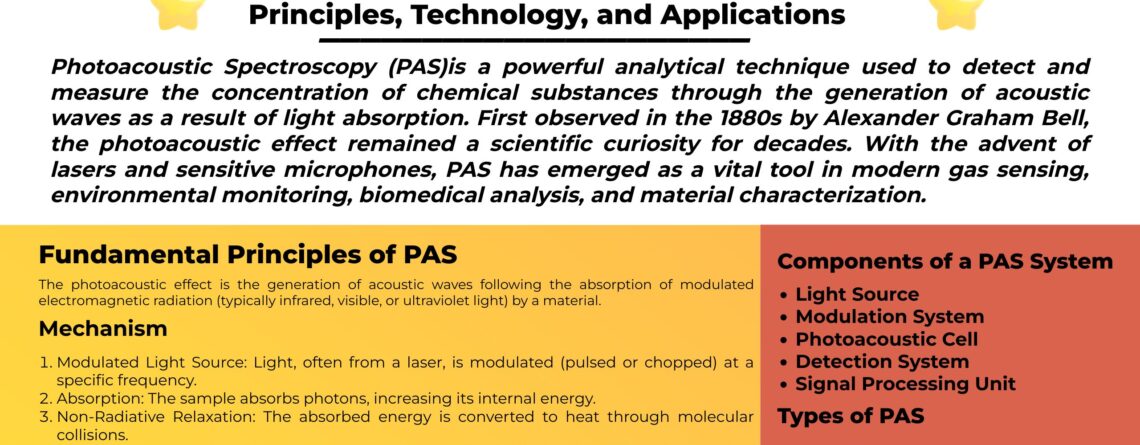
Sensor aus einer Hand2025-06-27T10:30:30+08:001. IntroductionPhotoacoustic Spectroscopy (PAS) is a powerful analytical technique used to detect and measure the concentration of chemical substances through the generation of acoustic waves as a result of light absorption. First observed in the 1880s by Alexander Graham Bell, the photoacoustic effect remained a...
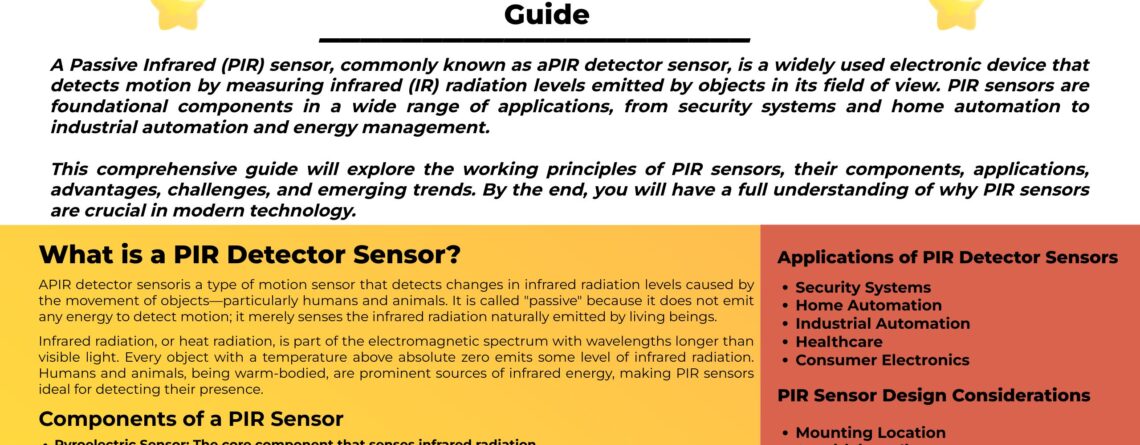
Sensor aus einer Hand2025-06-17T13:00:10+08:00A Passive Infrared (PIR) sensor, commonly known as a PIR detector sensor, is a widely used electronic device that detects motion by measuring infrared (IR) radiation levels emitted by objects in its field of view. PIR sensors are foundational components in a wide range of...
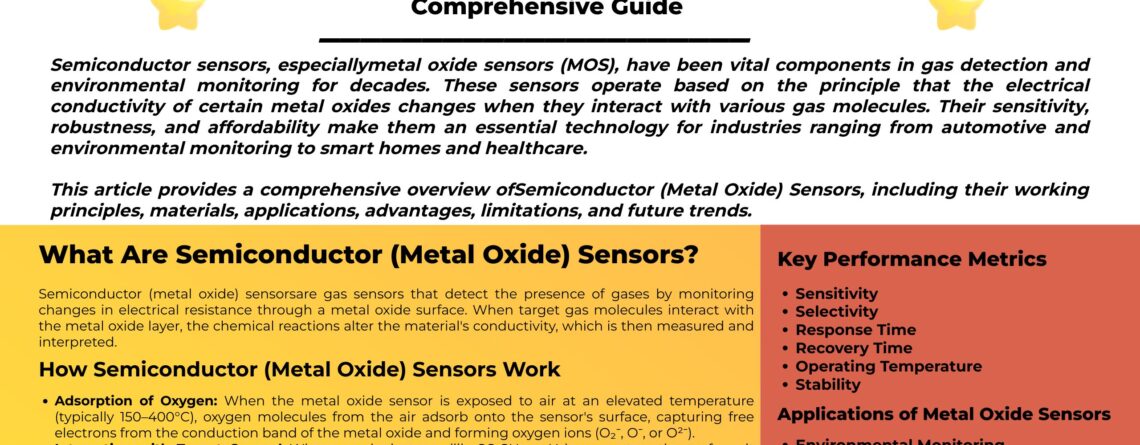
Sensor aus einer Hand2025-06-12T10:33:56+08:00Semiconductor sensors, especially metal oxide sensors (MOS), have been vital components in gas detection and environmental monitoring for decades. These sensors operate based on the principle that the electrical conductivity of certain metal oxides changes when they interact with various gas molecules. Their sensitivity, robustness,...
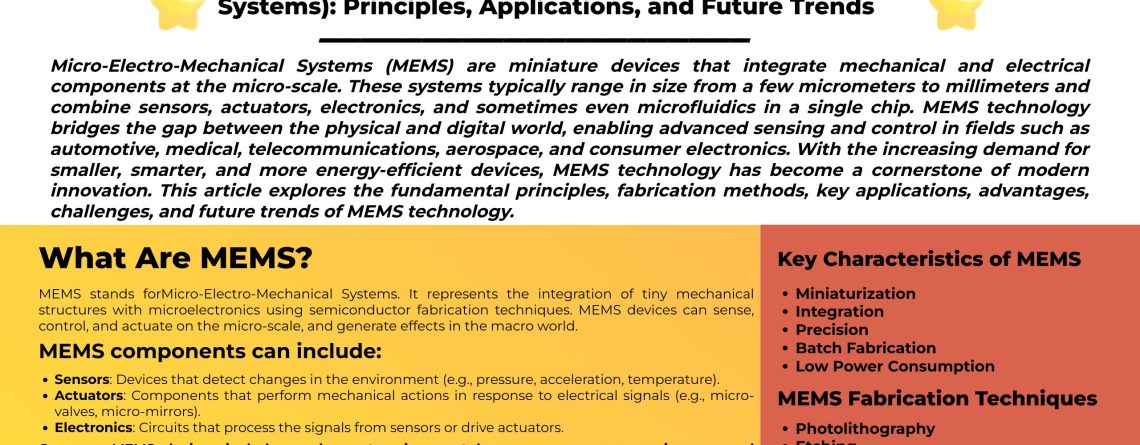
Sensor aus einer Hand2025-06-10T10:54:09+08:00Micro-Electro-Mechanical Systems (MEMS) are miniature devices that integrate mechanical and electrical components at the micro-scale. These systems typically range in size from a few micrometers to millimeters and combine sensors, actuators, electronics, and sometimes even microfluidics in a single chip. MEMS technology bridges the gap...
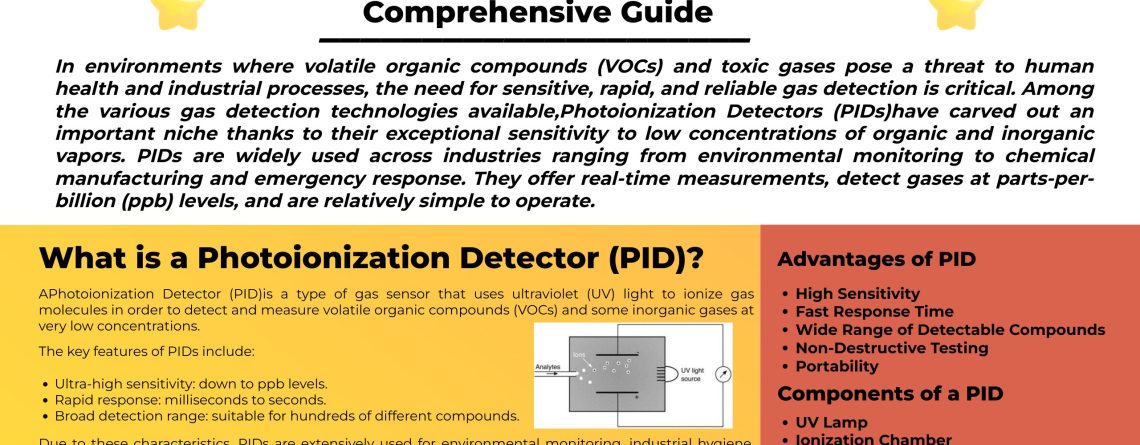
Sensor aus einer Hand2025-06-10T09:02:51+08:00In environments where volatile organic compounds (VOCs) and toxic gases pose a threat to human health and industrial processes, the need for sensitive, rapid, and reliable gas detection is critical. Among the various gas detection technologies available, Photoionization Detectors (PIDs) have carved out an important...
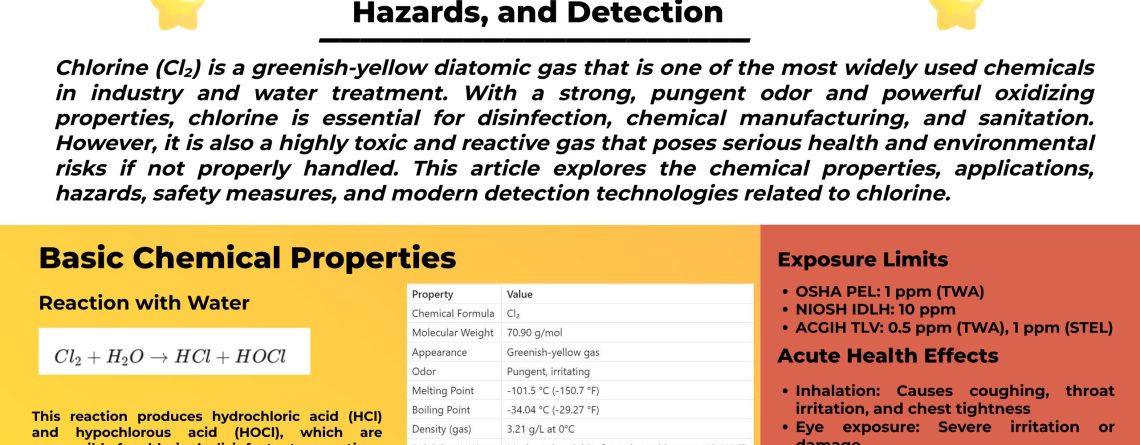
Sensor aus einer Hand2025-05-27T11:03:27+08:001. IntroductionChlorine (Cl₂) is a greenish-yellow diatomic gas that is one of the most widely used chemicals in industry and water treatment. With a strong, pungent odor and powerful oxidizing properties, chlorine is essential for disinfection, chemical manufacturing, and sanitation. However, it is also a...