12Oct
21Ago
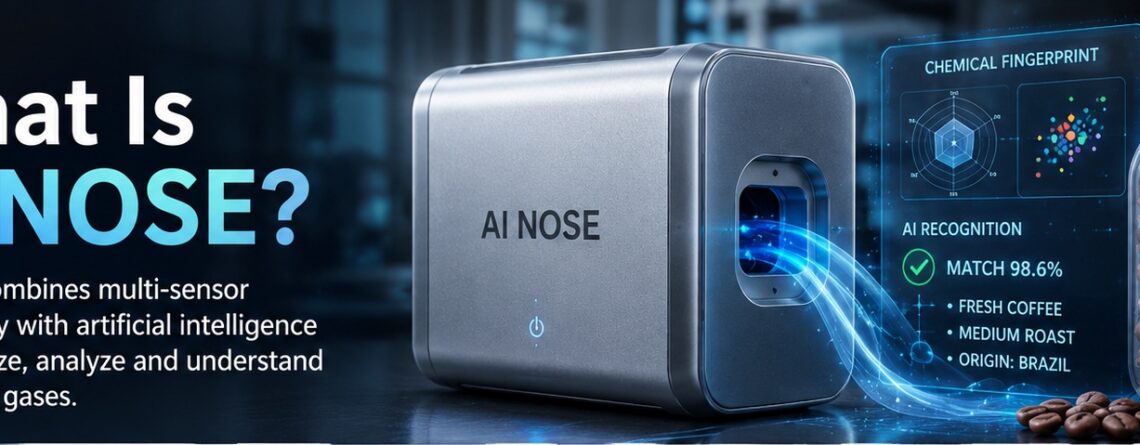
¿Qué es una nariz con IA? Cómo funcionan las narices electrónicas impulsadas por IA
Artificial intelligence can recognize images, understand speech and analyze enormous amounts of data. Increasingly, machines are also learning to interpret another type of information that humans experience every day: smell. An AI Nose, also called an AI-powered electronic nose or intelligent electronic nose, combines multiple chemical...
dieciséisJul
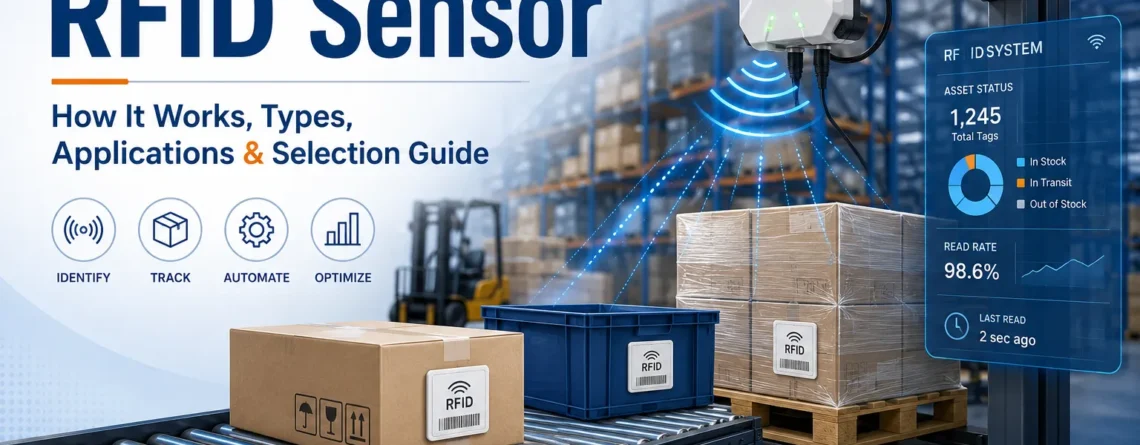
Sensor RFID: Cómo Funciona, Tipos, Aplicaciones y Guía de Selección
Los sensores RFID combinan la identificación inalámbrica con la recopilación automatizada de datos, lo que permite a las empresas identificar, rastrear y administrar objetos sin escanear manualmente cada artículo. Se utilizan ampliamente en almacenes, instalaciones de fabricación, hospitales, tiendas minoristas, bibliotecas, sistemas de transporte y proyectos de gestión de activos industriales. En comparación con los códigos de barras convencionales, un RFID...
22Jun
Explicación de la certificación CAN/ULC-S588: Por qué es importante para los sensores de gas y los productos de detección de gas
For gas sensor manufacturers, gas detector brands, and system integrators targeting the North American market, certification is becoming more than a compliance requirement. It is also an important factor in customer trust, project approval, and product selection.One standard that is receiving increasing attention is CAN/ULC-S588,...
25Mar
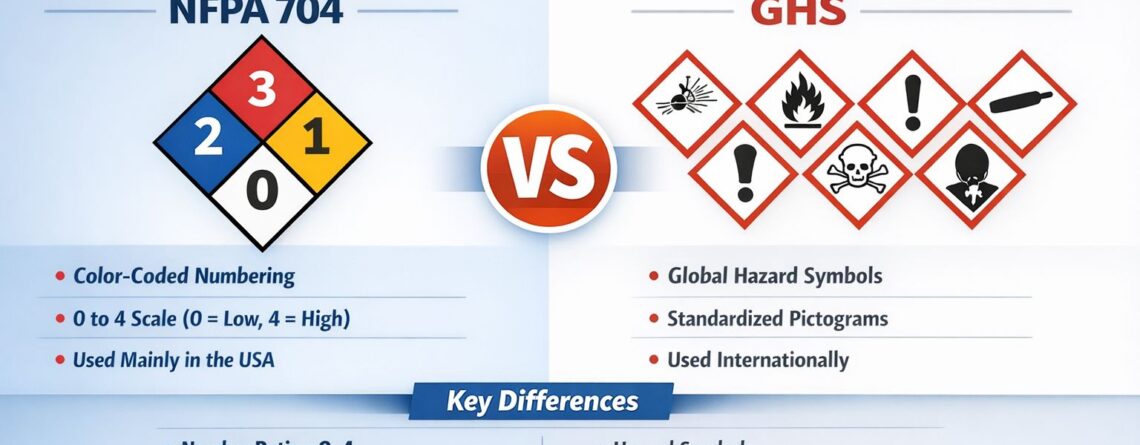
NFPA 704 vs GHS: ¿Cuál es la diferencia?
NFPA 704 and GHS are both used to communicate chemical hazards, but they are not the same system and they were not designed for the same purpose. OSHA’s official comparison says NFPA 704 is intended to provide basic information for emergency personnel responding to a...
25Mar
NFPA 704 Marcaciones de peligro y sistemas de detección de gases: diferentes funciones, evidencia conectada
Understand how NFPA704 material markings differ from detector qualification and installed gas detection, and connect each role to the evidence it requires.
30Dic
Qué es la vibración: (definición, tipos, unidades, causas y cómo se mide)
What is vibration?Vibration is repetitive (oscillating) motion of an object back and forth around an equilibrium position.A motor housing shaking slightlyA fan causing a duct to buzzA bridge swaying in windA phone buzzing (intentional vibration)All of these are vibration: motion that alternates direction and repeats...
30Dic
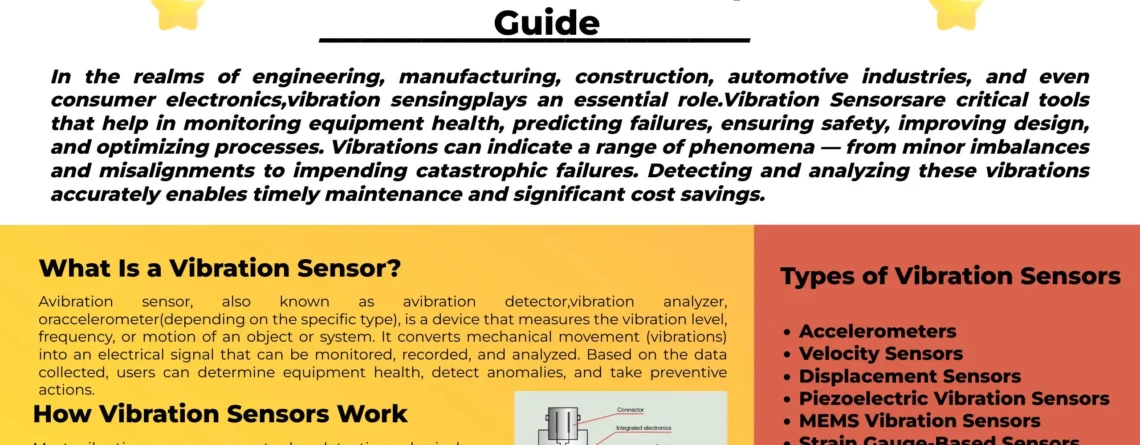
Sensores de vibración, principios, tipos, aplicaciones y tendencias emergentes
1. Introduction to Vibration SensorsVibration sensors are essential devices used to detect, measure, and analyze oscillatory motions in objects, systems, or structures. These sensors convert mechanical motion into electrical signals, enabling monitoring, diagnostics, and preventive maintenance across industries such as manufacturing, aerospace, automotive, construction, and...
15Oct
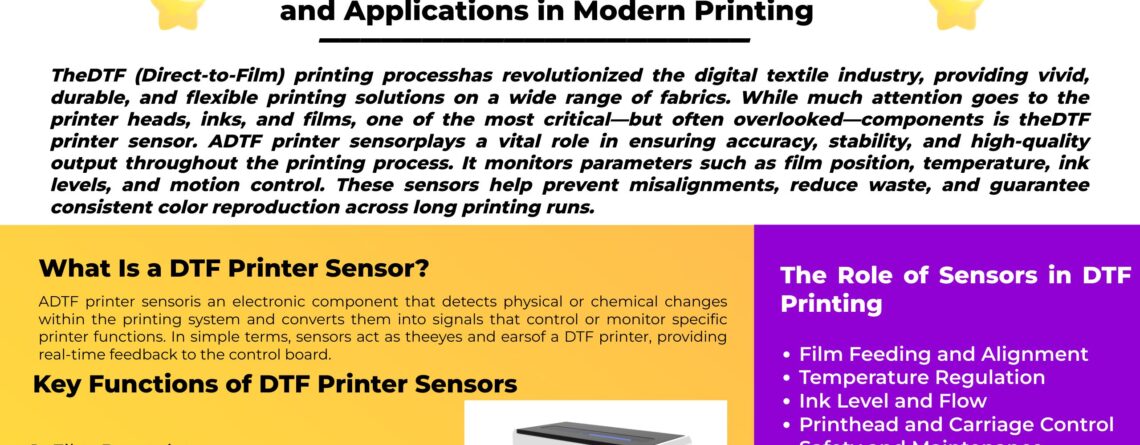
Sensor de impresora DTF: precisión, tecnología y aplicaciones en la impresión moderna
Introduction to DTF Printer Sensor TechnologyThe DTF (Direct-to-Film) printing process has revolutionized the digital textile industry, providing vivid, durable, and flexible printing solutions on a wide range of fabrics. While much attention goes to the printer heads, inks, and films, one of the most critical—but...
15Sep