
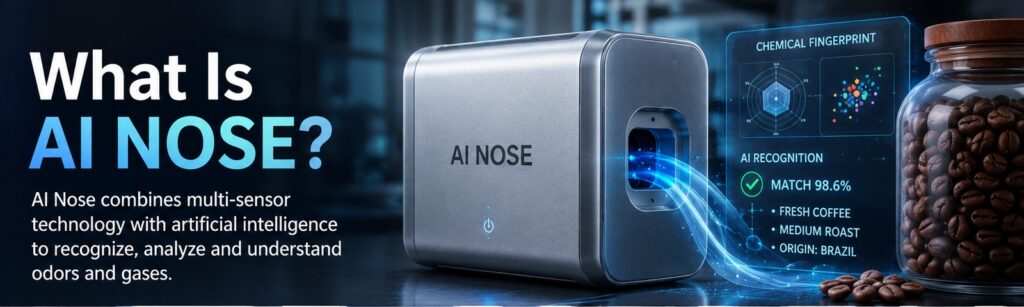
هوش مصنوعی می تواند تصاویر را تشخیص دهد، گفتار را درک کند و حجم عظیمی از داده ها را تجزیه و تحلیل کند. ماشینها به طور فزایندهای در حال یادگیری تفسیر نوع دیگری از اطلاعاتی هستند که انسان هر روز تجربه میکند: بو.
یک بینی هوش مصنوعیدماغه الکترونیکی مجهز به هوش مصنوعی یا دماغه الکترونیکی هوشمند نیز نامیده میشود، چندین حسگر شیمیایی یا گازی را با پردازش سیگنال و هوش مصنوعی ترکیب میکند تا الگوها را در بوها، گازها و ترکیبات آلی فرار (VOCs) تشخیص دهد.
به جای تلاش برای شناسایی هر مولکول موجود در هوا به طور جداگانه، یک بینی هوش مصنوعی معمولا به واکنش های ترکیبی چندین حسگر نگاه می کند. سپس الگوریتم های یادگیری ماشینی آن الگوی پاسخ را با داده های جمع آوری شده قبلی مقایسه می کنند.
نتیجه را می توان به عنوان یک در نظر گرفت اثر انگشت شیمیایی دیجیتال.
این باعث می شود که فناوری AI Nose برای کاربردهایی که الگوی شیمیایی کلی بیش از غلظت یک گاز منفرد اهمیت دارد، جالب توجه باشد، از جمله:
- تازگی و کیفیت غذا
- نظارت بر فرآیندهای صنعتی
- پایش بوهای محیطی
- لوازم هوشمند
- سیستم های کیفیت هوای خودرو
- کشاورزی
- تحقیقات بهداشت و درمان
- رباتیک
- نگهداری پیش بینی کننده
بینی هوش مصنوعی دقیقا چیست؟
بینی هوش مصنوعی شکل پیشرفته ای از بینی است بینی الکترونیکی، که معمولاً به اختصار e-nose نامیده می شود.
بینی های الکترونیکی سنتی دهه هاست که وجود داشته اند. مفهوم اصلی آنها این است که چندین حسگر شیمیایی را در معرض یک نمونه قرار دهند و تجزیه و تحلیل کنند که این حسگرها به طور جمعی چگونه پاسخ می دهند.
سیستمهای مدرن AI Nose، پردازش دادههای پیچیدهتر و الگوریتمهای یادگیری ماشینی را اضافه میکنند.
یک سیستم معمولی ممکن است شامل موارد زیر باشد:
- سیستم نمونه گیری هوا یا گاز
- چندین عنصر حساس به گاز
- الکترونیک تهویه سیگنال
- جبران دما و رطوبت
- سخت افزار جمع آوری داده ها
- نرم افزار استخراج ویژگی
- مدل های یادگیری ماشینی
- پایگاه داده ای از الگوهای شیمیایی شناخته شده
آرایه حسگر تا حدودی مانند گروهی از گیرنده های بویایی بیولوژیکی عمل می کند، در حالی که مدل هوش مصنوعی سیگنال های حاصل را تفسیر می کند.
شرایط بینی هوش مصنوعی، بینی الکترونیکی، بویایی ماشینی، بویایی دیجیتال و بویایی مصنوعی ارتباط نزدیکی دارند، اگرچه همیشه دقیقاً به یک شکل استفاده نمی شوند.
برای بررسی اجمالی عمیق تر از فناوری، معماری حسگر و توسعه تشخیص بو هوشمند، به این راهنما مراجعه کنید فناوری AI Nose.
بینی هوش مصنوعی چگونه کار می کند؟
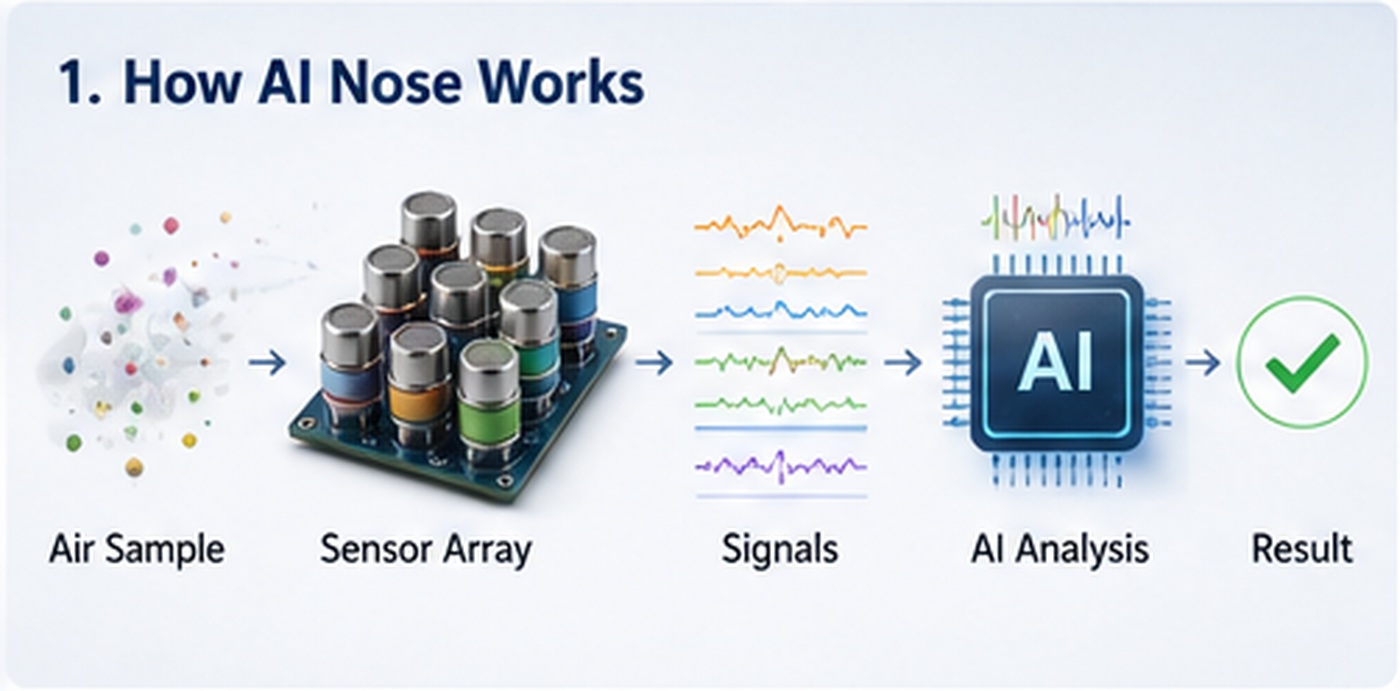

اگرچه معماری سیستم متفاوت است، اکثر دستگاههای AI Nose از یک گردش کار کلی پیروی میکنند:
نمونه هوا ← آرایه حسگر ← سیگنال های الکتریکی ← پردازش سیگنال ← مدل هوش مصنوعی ← تشخیص یا پیش بینی
1. سیستم یک نمونه هوا جمع آوری می کند
اولین مرحله، تماس نمونه گاز یا بو با آرایه حسگر است.
بسته به دستگاه، نمونه برداری ممکن است از موارد زیر استفاده کند:
- انتشار طبیعی
- یک پمپ مینیاتوری
- جریان هوای کنترل شده
- نمونه برداری از فضای سر
- لوله
- یک اتاقک نمونه اختصاصی
طراحی نمونهگیری مهم است زیرا پاسخهای حسگر میتواند بر اساس جریان هوا، زمان قرار گرفتن در معرض، غلظت، دما و رطوبت تغییر کند.
به همین دلیل، یک دماغه هوش مصنوعی قابل اعتماد چیزی بیش از چندین حسگر گاز متصل به یک کامپیوتر است.
کل محیط نمونه برداری مهم است.
2. سنسورهای چندگانه به نمونه پاسخ می دهند
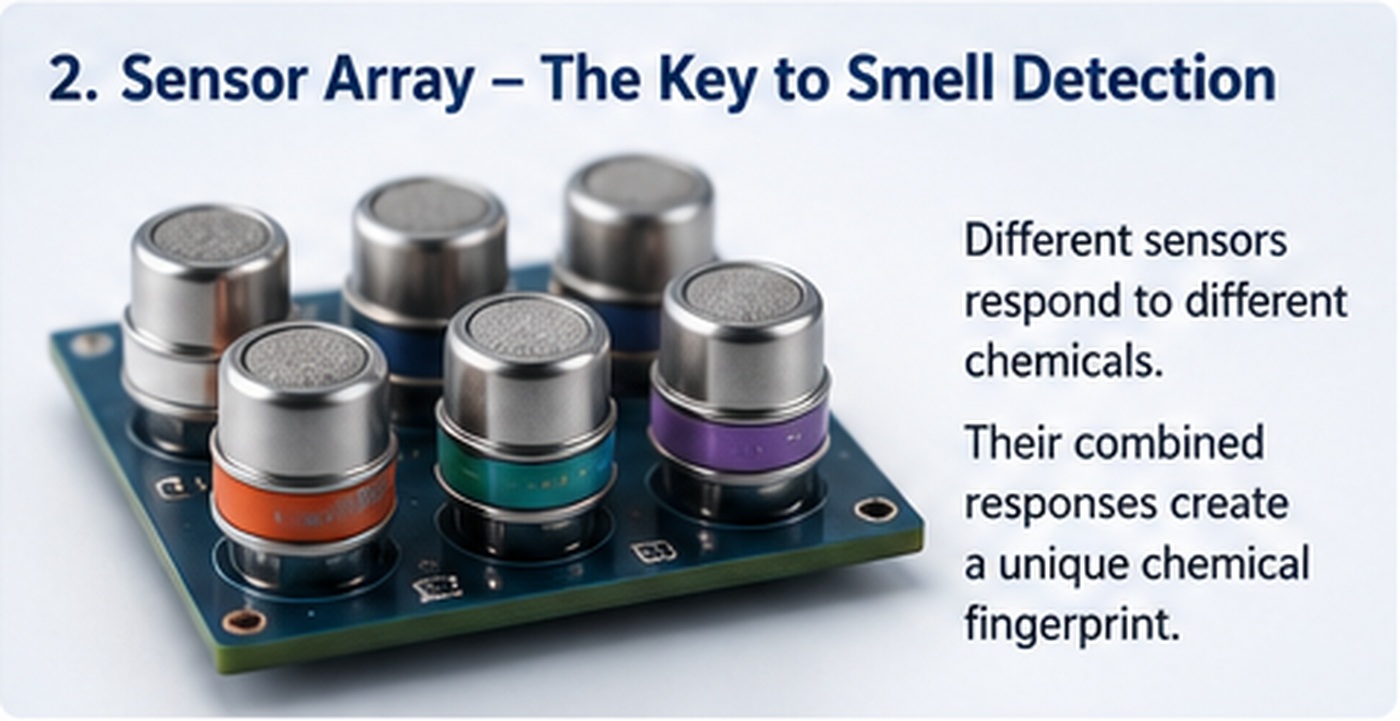

جزء مرکزی بینی هوش مصنوعی معمولا a آرایه سنسور.
به جای استفاده از تنها یک حسگر بسیار انتخابی، سیستم ممکن است حاوی چندین عنصر حسگر با حساسیت های مختلف باشد.
فناوری های ممکن عبارتند از:
- سنسورهای گاز MEMS
- سنسورهای نیمه هادی اکسید فلزی
- سنسورهای الکتروشیمیایی
- سنسورهای پلیمری رسانا
- سنسورهای گاز نوری
- سنسورهای میکروبالانس کریستال کوارتز
- سنسورهای موج صوتی سطحی
- آرایه های حسگر رنگ سنجی
تصور کنید که شش حسگر در معرض همان عطر قهوه قرار می گیرند.
پاسخ ممکن است چیزی شبیه به این باشد:
- سنسور A: پاسخ قوی
- سنسور B: پاسخ متوسط
- سنسور C: پاسخ ضعیف
- سنسور D: پاسخ سریع و بازیابی
- سنسور E: پاسخ آهسته
- سنسور F: تقریباً بدون پاسخ
همان آرایه حسگر را در معرض مواد غذایی فاسد قرار دهید و ترکیب ممکن است کاملاً متفاوت به نظر برسد.
هیچ حسگر واحدی لزوماً بو را شناسایی نمی کند.
در عوض، الگوی تمام حسگرها به اطلاعات مفید تبدیل می شود.
اثر انگشت شیمیایی چیست؟
هنگامی که چندین حسگر به طور متفاوتی به یک نمونه واکنش نشان می دهند، سیگنال های ترکیبی آنها یک الگوی چند بعدی ایجاد می کند.
این الگو اغلب به صورت زیر توصیف می شود:
- اثر انگشت شیمیایی
- اثر انگشت بو
- اثر انگشت گاز
- اثر انگشت VOC
به عنوان مثال:
قهوه ← الگوی A
آب پرتقال ← الگوی B
گوشت تازه ← الگوی C
گوشت خراب ← الگوی D
سیستم هوش مصنوعی می تواند این الگوها را از داده های آموزشی یاد بگیرد.
بعداً، وقتی یک نمونه ناشناخته اندازهگیری میشود، نرمافزار اثر انگشت جدید را با نمونههایی که قبلاً آموختهاند مقایسه میکند.
این از نظر مفهومی شبیه به نحوه یادگیری الگوهای بصری توسط نرمافزار تشخیص تصویر به جای بررسی دستی هر پیکسل است.
چگونه هوش مصنوعی سیگنال های حسگر را به معنی تبدیل می کند


سیگنالهای حسگر خام به ندرت مستقیماً به یک مدل هوش مصنوعی ارسال میشوند.
آنها معمولاً ابتدا نیاز به پردازش دارند.
مراحل متداول پردازش عبارتند از:
- فیلتر نویز
- تصحیح پایه
- عادی سازی سیگنال
- جبران دما
- جبران رطوبت
- تصحیح رانش سنسور
- استخراج ویژگی
- کاهش ابعاد
پس از استخراج ویژگی های مفید، الگوریتم های یادگیری ماشینی می توانند داده ها را تجزیه و تحلیل کنند.
طبقه بندی
سیستم تعیین می کند که کدام دسته شناخته شده بهترین منطبق با نمونه را دارد.
مثال ها:
- تازه در مقابل خراب
- قهوه نوع A در مقابل قهوه نوع B
- فرآیند عادی در مقابل فرآیند غیرعادی
- بوی A در مقابل بوی B
رگرسیون
مدل یک مقدار پیوسته را تخمین می زند نه اینکه صرفاً یک دسته را اختصاص دهد.
مثال ها ممکن است شامل موارد زیر باشد:
- سطح تازگی
- رسیده بودن
- شرایط فرآیند
- غلظت تخمینی
تشخیص ناهنجاری
یک بینی هوش مصنوعی همیشه نیازی به دانستن دقیق بوی چیست.
در عوض، می تواند یاد بگیرد که یک محیط شیمیایی معمولی به نظر می رسد.
اگر الگوی حسگر به طور قابل توجهی تغییر کند، سیستم می تواند رویداد را به عنوان یک ناهنجاری علامت گذاری کند.
این رویکرد می تواند به ویژه در کارخانه ها، انبارها و برنامه های کاربردی نظارت بر تجهیزات ارزشمند باشد.
کدام الگوریتم های هوش مصنوعی را می توان استفاده کرد؟
سیستمهای AI Nose مختلف بسته به پیچیدگی، اندازه مجموعه دادهها و کاربرد مورد نظر از الگوریتمهای متفاوتی استفاده میکنند.
رویکردهای رایج عبارتند از:
- تجزیه و تحلیل اجزای اصلی (PCA)
- تجزیه و تحلیل تشخیص خطی (LDA)
- ماشینهای بردار پشتیبانی (SVM)
- k-نزدیکترین همسایگان (KNN)
- جنگل تصادفی
- شبکه های عصبی مصنوعی
- شبکه های عصبی کانولوشنال
- مدل های یادگیری عمیق
- روش های یادگیری گروهی
هوش مصنوعی پیشرفته تر به طور خودکار به معنای عملکرد بهتر نیست.
یک سیستم موفق به ترکیبی از موارد زیر بستگی دارد:
کیفیت سنسور + طراحی نمونه + داده های آموزشی + جبران محیطی + الگوریتم مناسب
یک مدل ساده آموزش داده شده با داده های دنیای واقعی با کیفیت بالا ممکن است از یک شبکه عصبی پیچیده آموزش داده شده بر روی مجموعه داده های آزمایشگاهی محدود بهتر عمل کند.
AI Nose در مقابل سنسور گاز سنتی
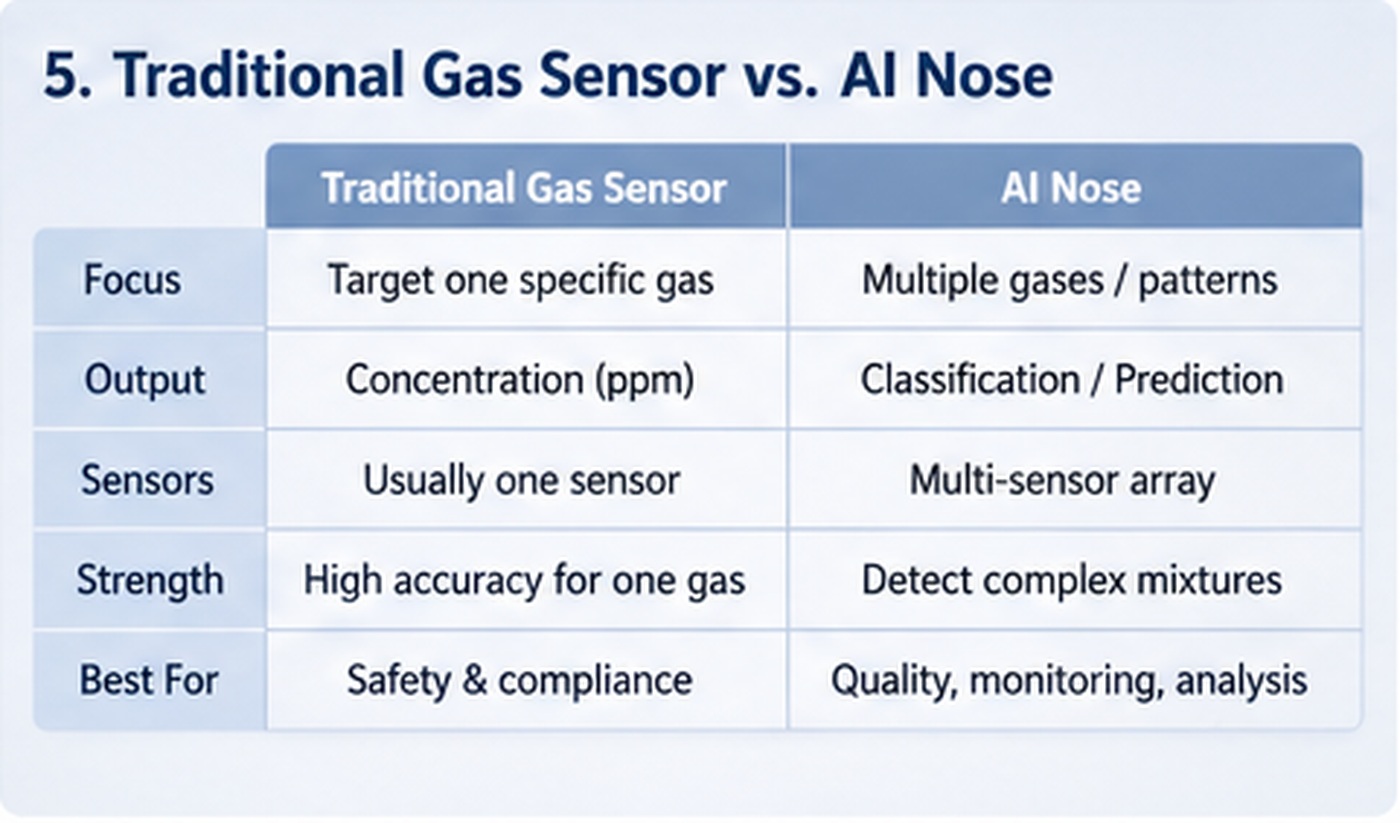

یک دماغه هوش مصنوعی و یک حسگر گاز سنتی فناوریهای مرتبط هستند، اما برای پاسخ به سؤالات مختلف طراحی شدهاند.
سنسور گاز سنتی
یک سیستم تشخیص گاز معمولی معمولاً بر روی یک گاز هدف شناخته شده تمرکز می کند.
مثالها عبارتند از:
- مونوکسید کربن
- متان
- هیدروژن
- سولفید هیدروژن
- آمونیاک
- اکسیژن
- دی اکسید کربن
- مبردها
سؤال اولیه معمولاً این است:
چه مقدار از این گاز وجود دارد؟
خروجی ممکن است به صورت زیر بیان شود:
- PPM
- ppb
- %LEL
- درصد حجم
برای ایمنی صنعتی و تشخیص گاز نظارتی، این اندازه گیری کمی بسیار مهم است.
بینی هوش مصنوعی
یک بینی هوش مصنوعی معمولاً سؤال دیگری می پرسد:
این ترکیب سیگنال های شیمیایی به چه چیزی شباهت دارد؟
هوش مصنوعی به جای تکیه بر یک پاسخ حسگر واحد، رابطه بین چندین سیگنال را تجزیه و تحلیل می کند.
| سنسور گاز سنتی | بینی هوش مصنوعی |
|---|---|
| اغلب بر روی یک گاز تمرکز می کند | از چندین کانال حسگر استفاده می کند |
| تمرکز را اندازه می گیرد | الگوهای شیمیایی را می شناسد |
| معمولاً از آستانه های تعریف شده استفاده می کند | می تواند از مدل های یادگیری ماشینی استفاده کند |
| خروجی اغلب بر حسب ppm یا % | خروجی ممکن است کلاس، احتمال یا ناهنجاری باشد |
| گزینش پذیری بالا می تواند مهم باشد | حساسیت متقاطع ممکن است اطلاعات الگوی مفیدی را ارائه دهد |
| بهترین برای گازهای هدف شناخته شده | برای مخلوط های شیمیایی پیچیده مفید است |
این فناوری ها لزوماً با هم رقابت نمی کنند.
در بسیاری از کاربردها می توانند مکمل یکدیگر باشند.
یک سیستم می تواند از حسگرهای ایمنی اختصاصی برای اندازه گیری غلظت گازهای خطرناک استفاده کند در حالی که یک دماغه هوش مصنوعی تغییرات گسترده تری را در محیط شیمیایی اطراف آنالیز می کند.
نمونه بینی واقعی هوش مصنوعی: Winsen ZM101-A
فناوری AI Nose به طور فزاینده ای از نمونه های اولیه تحقیقاتی به سمت سیستم عامل های سنجش عملی حرکت می کند.
یک مثال این است بینی با هوش مصنوعی Winsen ZM101-Aیک آرایه حسگر گاز MEMS که برای پشتیبانی از تجزیه و تحلیل هوشمند گاز چند کاناله طراحی شده است.
ZM101-A شامل شش کانال حسگر گاز و از انتخاب انعطاف پذیر پشتیبانی می کند 1 تا 6 کانال عامل.
کانال های حسگر موجود آن را پوشش می دهد:
| گاز | محدوده تشخیص |
|---|---|
| NH3 | 1-100 ppm |
| VOC | 1-10 ppm |
| NO2 | 0.1-10 ppm |
| H2S | 05-10 ppm |
| CO | 5-200 ppm |
| CH4 | 100-6000 ppm |
بر خلاف یک عنصر حسگر تک گاز معمولی، ZM101-A به عنوان یک طراحی شده است آرایه سنسور گاز MEMS چند کاناله.
این ماژول فیلتر سیگنال و جبران دما/رطوبت را فراهم می کند و از ادغام با مدل های الگوریتم هوش مصنوعی پشتیبانی می کند.
این به توسعه دهندگان اجازه می دهد تا برنامه هایی بسازند که در آنها چندین پاسخ گاز با هم جمع آوری شده و برای موارد بعدی استفاده شود:
- جذب گاز هدف
- تجزیه و تحلیل ویژگی
- ساختمان نمونه
- شناسایی وظیفه
مشخصات کلیدی ZM101-A
- نوع سنسور: آرایه سنسور گاز MEMS
- کانال های گاز: 6
- حالت های عملیاتی: انتخاب 1-6 کانال انعطاف پذیر
- ولتاژ تغذیه: DC 3.3 V
- جریان عملیاتی: ≤150 میلی آمپر
- مصرف برق: ≤400 میلی وات
- ارتباط: اورت
- زمان گرم کردن: ≤120 ثانیه
- دمای عملیاتی: -40 تا 85 درجه سانتی گراد
- رطوبت عملیاتی: 5% RH–95% RH، غیر متراکم
- پشتیبانی هوش مصنوعی: از ادغام مدل های الگوریتم هوش مصنوعی پشتیبانی می کند
این ماژول برای حوزه های کاربردی از جمله:
- یخچال های هوشمند
- دستگاه های تهویه مطبوع
- مایکروویو
- دستگاه های تصفیه هوا
- هودهای برد
- نظارت بر کیفیت هوای خودرو
- پایش گاز صنعتی
- آلارم های نشتی
- تحقیقات حسی مرتبط با سلامت
- نظارت هوشمند بر محیط زیست
ZM101-A یک پیشرفت مهم در زمینه AI Nose را نشان می دهد: تولید کنندگان به طور فزاینده ای ارائه می کنند. سخت افزار سنجش چند کاناله که توسعه دهندگان می توانند با مدل های هوش مصنوعی و داده های کاربردی خود ترکیب کنند.
این امر طراحی سیستمهای بینی الکترونیکی مخصوص برنامه کاربردی را به جای شروع از عناصر حسگر فردی ممکن میسازد.
کجا می توان از فناوری بینی هوش مصنوعی استفاده کرد؟
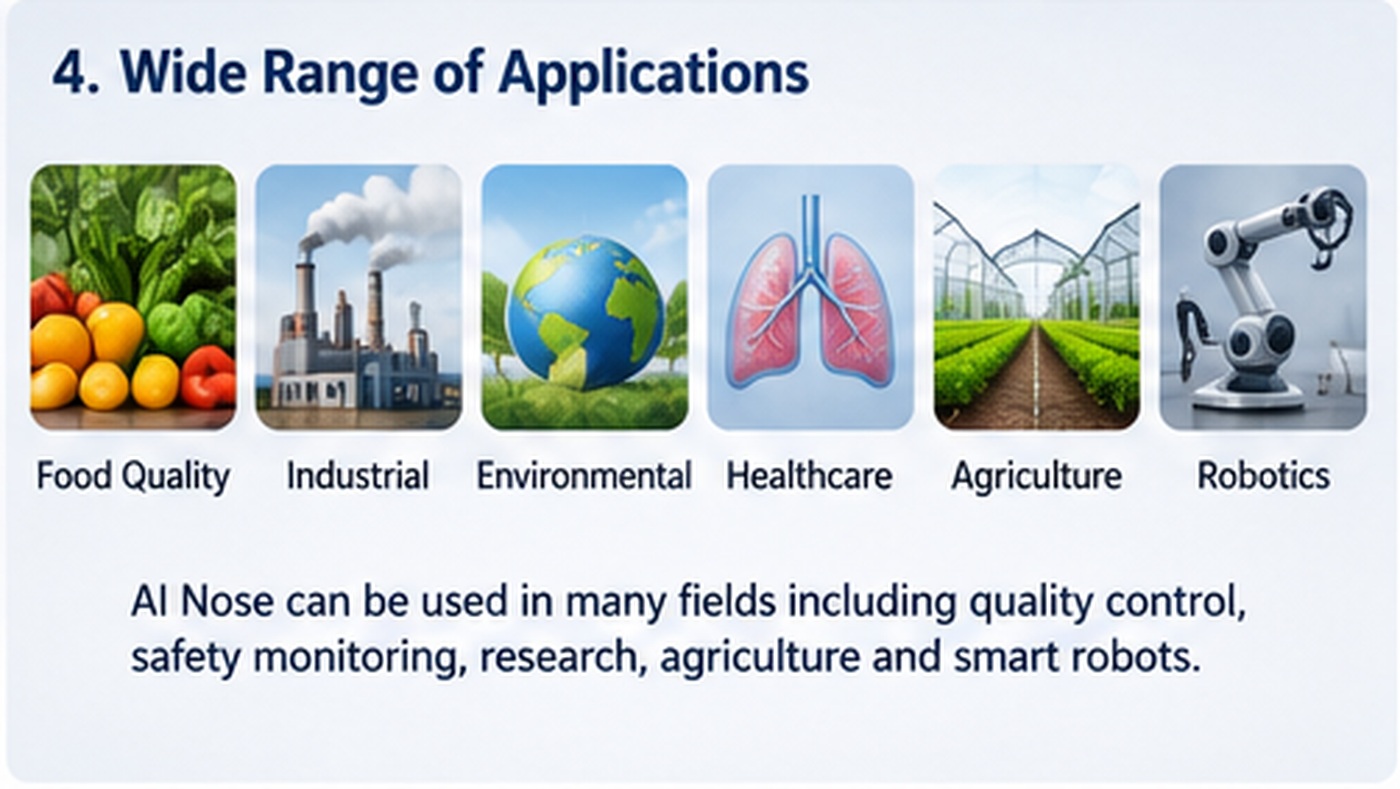

کاربردهای بالقوه فناوری AI Nose در بسیاری از صنایع گسترش مییابد زیرا تقریباً هر فرآیند بیولوژیکی، شیمیایی یا تولیدی نوعی امضای شیمیایی فرار تولید میکند.
1. کیفیت و تازگی غذا
غذا مخلوط های در حال تغییر VOC ها را آزاد می کند زیرا:
- می رسد
- تخمیر
- اکسید می شود
- تنزل می دهد
- غنایم
بینی هوش مصنوعی می تواند این الگوهای در حال تغییر را برای کمک به ارزیابی تجزیه و تحلیل کند:
- تازگی
- فساد
- رسیده بودن
- وضعیت تخمیر
- قوام محصول
- مبدا
- خیانت
محصولات احتمالی عبارتند از:
- گوشت
- غذاهای دریایی
- میوه
- سبزیجات
- قهوه
- چای
- شراب
- محصولات لبنی
برای مثال، یک بینی هوش مصنوعی لزوماً نیازی به شناسایی هر VOC تولید شده توسط گوشت فاسد ندارد.
ممکن است به سادگی یاد بگیرد که اثر انگشت حسگر گوشت فاسد به طور مداوم با اثر انگشت گوشت تازه متفاوت است.
2. نظارت بر فرآیندهای صنعتی
کارخانجات اغلب در طول عملیات معمولی علائم شیمیایی مشخصی تولید می کنند.
تغییرات در این امضاها می تواند نشان دهنده موارد زیر باشد:
- ناهنجاری های فرآیند
- آلودگی مواد
- مشکلات تجهیزات
- نشت می کند
- گرم شدن بیش از حد
- تجزیه شیمیایی
به جای اینکه منتظر بمانید تا یک گاز به آستانه هشدار ثابت برسد، یک دماغه هوش مصنوعی به طور بالقوه می تواند تشخیص دهد که محیط شیمیایی کلی تغییر کرده است.
این امر بویایی مصنوعی را به ویژه برای نظارت مداوم صنعتی جالب می کند.
3. نظارت بر محیط زیست
بسیاری از مشکلات بوی محیطی شامل مخلوط های پیچیده به جای یک گاز منفرد است.
کاربردهای بالقوه عبارتند از:
- کارخانه های فاضلاب
- تاسیسات تصفیه زباله
- مزارع
- شهرک های صنعتی
- تاسیسات شیمیایی
- نظارت بر هوای داخل ساختمان
- شناسایی منبع بو
سنسورهای گاز معمولی زمانی که باید غلظت آلایندهها را اندازهگیری کرد، مهم باقی میمانند.
سیستم های AI Nose می توانند با شناسایی لایه دیگری اضافه کنند بوی کلی یا امضای VOC.
4. لوازم خانگی هوشمند
بویایی مصنوعی همچنین می تواند در لوازم مصرفی ادغام شود.
کاربردهای بالقوه عبارتند از:
یخچال و فریزر
تغییرات مرتبط با تازگی غذا یا بوهای غیرعادی را تشخیص دهید.
هودهای محدوده
الگوهای گاز و بو مربوط به پخت و پز را بشناسید و تهویه را به طور خودکار تنظیم کنید.
دستگاه های تصفیه هوا
به جای تکیه بر یک مقدار VOC به تنهایی، تغییرات در محیط های شیمیایی داخلی را ارزیابی کنید.
تهویه مطبوع
برای مدیریت هوشمندانهتر کیفیت هوا، سنجشهای شیمیایی را با اندازهگیری دما، رطوبت و ذرات ترکیب کنید.
این منطقه ای است که در آن آرایه های فشرده MEMS مانند ZM101-A می تواند جذاب باشد زیرا تولید کنندگان لوازم خانگی به پلت فرم های سنجش کوچک و کم مصرف نیاز دارند.
5. برنامه های کاربردی خودرو
وسایل نقلیه مدرن در حال حاضر دارای حسگرهای محیطی پیچیده تر هستند.
فناوری بینی هوش مصنوعی می تواند تشخیص الگوی شیمیایی را برای موارد زیر اضافه کند:
- نظارت بر هوای کابین
- تشخیص آلودگی در فضای باز
- بوهای غیرمعمول
- کنترل کیفیت هوا
- تهویه شخصی
- کنترل چرخش خودکار
وسایل نقلیه هوشمند آینده ممکن است بویایی مصنوعی را با دوربین ها، میکروفون ها، سنسورهای دما و سایر حسگرهای محیطی ترکیب کنند.
6. کشاورزی
گیاهان، خاک، میوه ها و فرآیندهای بیولوژیکی بسیاری از ترکیبات فرار را آزاد می کنند.
بنابراین سیستم های AI Nose ممکن است از موارد زیر پشتیبانی کنند:
- نظارت بر رسیدگی میوه
- تحقیق در مورد بیماری های زراعی
- ارزیابی کیفیت محصول
- نظارت بر ذخیره سازی
- پایش گلخانه
- تجزیه و تحلیل دام-محیط
یکی از مزایای بالقوه اصلی تشخیص تغییرات شیمیایی قبل از آشکار شدن مشکل از نظر بصری است.
7. تحقیقات بهداشت و درمان
نفس انسان حاوی بسیاری از ترکیبات فرار مرتبط با فرآیندهای متابولیک است.
بنابراین محققان در حال بررسی بینی های الکترونیکی برای تجزیه و تحلیل الگوهای تنفس هستند.
زمینه های پژوهشی بالقوه عبارتند از:
- تجزیه و تحلیل تنفس
- نظارت بر بیمار
- پایش پزشکی-محیط زیست
- مطالعات VOC مربوط به بیماری
با این حال، باید یک تمایز مهم قائل شد.
یک نتیجه تحقیقاتی نشان می دهد که بینی الکترونیکی می تواند الگوهای تنفسی خاصی را تشخیص دهد به طور خودکار به این معنی نیست که دستگاه یک ابزار تشخیص پزشکی تایید شده است.
اعتبار سنجی بالینی، تکرارپذیری، تأیید نظارتی و مجموعه داده های بزرگ نماینده قبل از استفاده از چنین سیستم هایی برای تشخیص پزشکی ضروری است.
8. رباتیک و هوش تجسم یافته
روباتها در حال حاضر از چندین حس مصنوعی استفاده میکنند:
- دوربین ها دید را فراهم می کنند
- میکروفون ها شنوایی را فراهم می کنند
- حسگرهای نیرو لمسی را فراهم می کنند
- LiDAR آگاهی فضایی را فراهم می کند
بویایی مصنوعی می تواند حس مهم دیگری را ارائه دهد.
روبات مجهز به بینی هوش مصنوعی به طور بالقوه می تواند شناسایی کند:
- نشت گاز
- نشت مواد شیمیایی
- تغییرات مرتبط با دود
- غذای فاسد
- محیط های خطرناک
- منابع بو
این می تواند به ویژه برای موارد زیر مفید باشد:
- ربات های بازرسی صنعتی
- ربات های آتش نشان
- بازرسی زیرزمینی
- ربات های خطرناک محیطی
- روبات های خدمات خانگی
همانطور که هوش مصنوعی تجسم یافته توسعه می یابد، سنجش شیمیایی می تواند به منبع مهم دیگری از اطلاعات محیطی تبدیل شود.
بینی هوش مصنوعی برای نگهداری پیش بینی کننده
یکی از کاربردهای صنعتی جالب توجه، تعمیر و نگهداری پیشبینیکننده است.
گاهی اوقات تجهیزات می توانند VOCهای مشخصه را قبل از وقوع خرابی قابل مشاهده آزاد کنند.
منابع احتمالی عبارتند از:
- قطعات بیش از حد گرم شده است
- روان کننده های تخریب کننده
- عایق برق
- پلاستیک
- باتری ها
- نشت مواد شیمیایی
به جای تعیین آستانه برای هر ترکیب ممکن، یک بینی هوش مصنوعی می تواند آن را یاد بگیرد اثر انگشت شیمیایی معمولی در اطراف دستگاه.
اگر اثر انگشت به تدریج تغییر کند، سیستم ممکن است قبل از وقوع یک خرابی بزرگ، ناهنجاری را تشخیص دهد.
این رویکرد در نهایت می تواند تکمیل کننده موارد زیر باشد:
- نظارت بر لرزش
- مانیتورینگ آکوستیک
- تصویربرداری حرارتی
- اندازه گیری های الکتریکی
همجوشی حسگر ممکن است در نهایت سیستمهای پیشبینی-نگهداری قابلاعتمادتری را نسبت به هر فناوری سنجش فردی به تنهایی تولید کند.
چرا هوش مصنوعی برای تشخیص بو مفید است؟
بوهای پیچیده به ندرت از یک گاز تشکیل شده است.
شش حسگر را در نظر بگیرید که به طور همزمان پاسخ می دهند:
| سنسور | پاسخ |
|---|---|
| سنسور A | افزایش متوسط |
| سنسور B | افزایش شدید |
| سنسور C | تقریبا بدون تغییر |
| سنسور D | اوج سریع |
| سنسور الکترونیکی | بهبودی آهسته |
| سنسور F | کاهش اندک |
یک سیستم آستانه متعارف ممکن است برای تفسیر این ترکیب مشکل داشته باشد.
الگوریتمهای یادگیری ماشینی برای شناسایی روابط بین چندین متغیر طراحی شدهاند.
به همین دلیل است که هوش مصنوعی به ویژه برای بینی های الکترونیکی مناسب است.
اطلاعات ارزشمند اغلب این نیست:
"سنسور A 2.8 اندازه گیری شد."
این است:
"رابطه ترکیبی بین سنسورهای A-F با الگوی X مطابقت دارد."
چالش های اصلی فناوری بینی هوش مصنوعی چیست؟
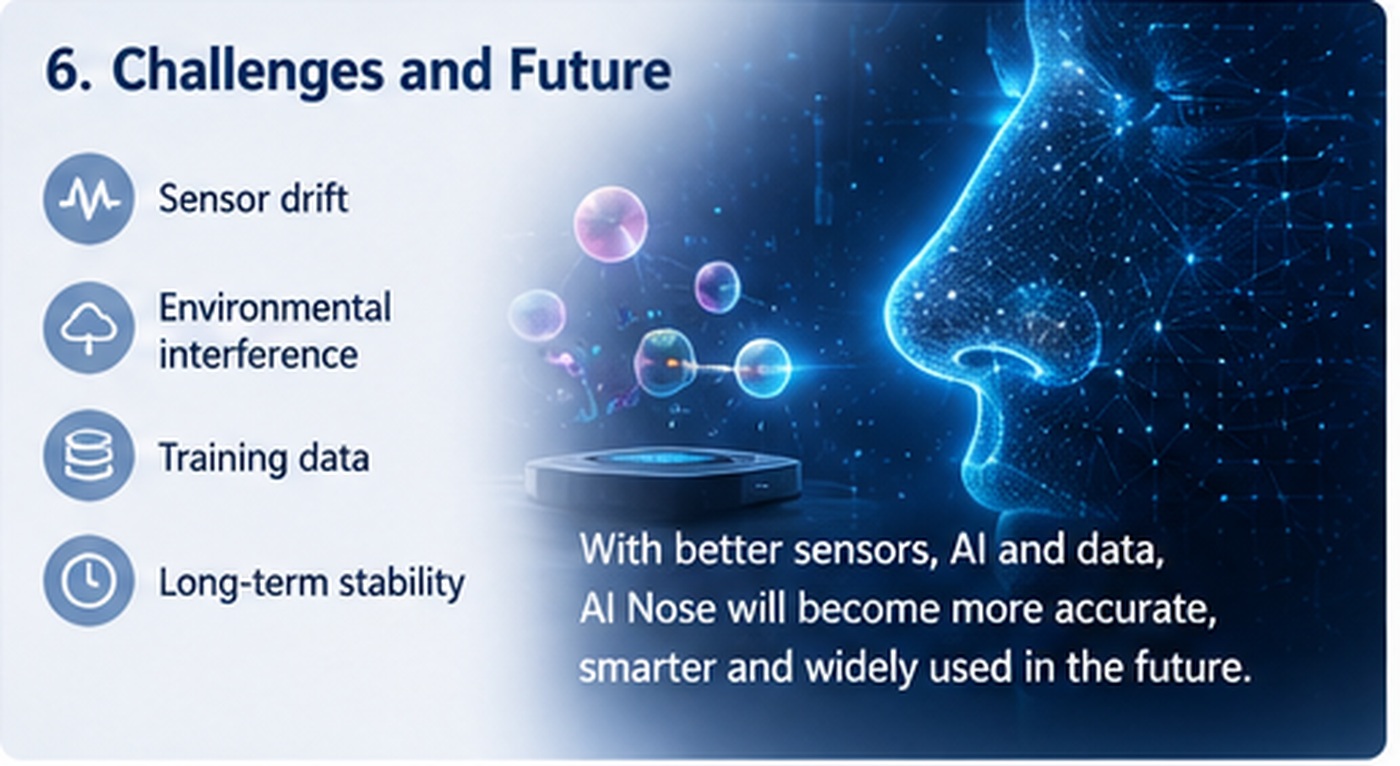

فناوری AI Nose امیدوارکننده است، اما استقرار عملی همچنان چالش برانگیز است.
حرکات سنسور
سنسورهای گاز می توانند به تدریج ویژگی های خود را تغییر دهند زیرا:
- پیری
- آلودگی
- مواجهه طولانی مدت با مواد شیمیایی
- شرایط زیست محیطی
- تغییرات مواد
مدلی که وقتی آرایه حسگر جدید است آموزش داده شود ممکن است بعد از ماه ها یا سال ها دقت کمتری پیدا کند.
بنابراین جبران دریفت بخش مهمی از توسعه بلندمدت AI Nose است.
دما و رطوبت
بسیاری از سنسورهای شیمیایی تحت تأثیر شرایط محیطی قرار می گیرند.
اگر رطوبت از 30٪ به 80٪ RH تغییر کند، برخی از سیگنال های حسگر ممکن است تغییر کنند، حتی اگر خود بو تغییر نکرده باشد.
یک سیستم قابل اعتماد باید متمایز کند:
تغییر شیمیایی واقعی
از
تداخل محیطی
بنابراین، جبران دما و رطوبت از ویژگی های مهم در آرایه های سنسور عملی هستند.
داده های آموزش
یک مدل هوش مصنوعی فقط به اندازه داده های مورد استفاده برای آموزش آن مفید است.
یک سیستم آموزش دیده در شرایط آزمایشگاهی ایده آل ممکن است عملکرد متفاوتی در یک کارخانه داشته باشد.
مجموعه داده های دنیای واقعی باید دارای تنوع در موارد زیر باشد:
- درجه حرارت
- رطوبت
- گازهای پس زمینه
- پیری سنسور
- دسته های محصول
- تمرکز
- جریان هوا
- شرایط فصلی
آلودگی حسگر
برخی از گازها یا مواد شیمیایی می توانند به طور موقت یا دائم مواد حسگر را تغییر دهند.
بنابراین سیستم های نمونه گیری ممکن است نیاز داشته باشند:
- فیلترها
- قرار گرفتن در معرض کنترل شده
- رویه های تمیز کردن
- تنظیم
- استراتژی های تعویض سنسور
تعمیم
نمی توان انتظار داشت که بینی الکترونیکی که برای یک محیط آموزش داده شده است به طور خودکار در همه جا به همان اندازه خوب عمل کند.
به عنوان مثال:
یک مدل هوش مصنوعی که با استفاده از نمونههای قهوه از یک مرکز برشتهسازی آموزش دیده است ممکن است فوراً هر قهوه را از هر کشور، فرآیند برشته کردن یا محیط ذخیرهسازی تشخیص ندهد.
آموزش و اعتبار سنجی ویژه برنامه بسیار مهم است.
آیا هوش مصنوعی بینی مانند بویایی دیجیتال است؟
اصطلاحات به طور قابل توجهی همپوشانی دارند.
بینی الکترونیکی
معمولاً به یک سیستم آرایه حسگر فیزیکی اشاره دارد که برای تقلید جنبههای حس بویایی بیولوژیکی طراحی شده است.
بینی هوش مصنوعی
بر ادغام یادگیری ماشین یا هوش مصنوعی با دادههای آرایه حسگر تأکید دارد.
بویایی ماشینی
اصطلاح گستردهتری برای توانایی ماشینها برای تفسیر اطلاعات شیمیایی موجود در هوا.
بویایی دیجیتال
می تواند شامل فرآیند کامل باشد:
- گرفتن اطلاعات مربوط به بو
- دیجیتالی کردن آن
- تجزیه و تحلیل آن
- انتقال آن
- بالقوه بازتولید آن
از آنجایی که این رشته هنوز در حال توسعه است، اصطلاحات در بین محققان و تولیدکنندگان متفاوت است.
آیا دماغه های هوش مصنوعی جایگزین سنسورهای گاز سنتی خواهند شد؟
خیر
حداقل نه در آینده قابل پیش بینی.
سنسورهای گاز اختصاصی برای کاربردهایی که نیاز به اندازه گیری دقیق گازهای خاص دارند، ضروری هستند.
مثالها عبارتند از:
- آلارم ایمنی CO
- آشکارسازهای گاز قابل احتراق
- نظارت بر اکسیژن
- تشخیص گاز سمی
- تشخیص نشت مبرد
بینی هوش مصنوعی زمانی مناسب تر است که مشکل شامل موارد زیر باشد:
- مخلوط های پیچیده
- تشخیص بو
- طبقه بندی
- تغییرات الگو
- تشخیص ناهنجاری
بنابراین، آینده احتمالاً شامل هر دو فناوری خواهد شد.
یک سیستم نظارت صنعتی پیچیده ممکن است شامل موارد زیر باشد:
سنسورهای گاز خاص + AI Nose + سنسور دما/رطوبت + سنسور ذرات + دوربین + نرم افزار پیش بینی
این فناوریها با هم میتوانند درک بسیار غنیتری از یک محیط را نسبت به هر سنسوری به تنهایی ارائه دهند.
آینده فناوری بینی هوش مصنوعی
چندین پیشرفت باعث تسریع پیشرفت در بویایی مصنوعی شده است.
سنسورهای MEMS کوچکتر
تولید MEMS آرایه های حسگر چند کاناله را به طور فزاینده ای فشرده و مناسب برای ادغام در موارد زیر می کند:
- لوازم خانگی
- وسایل نقلیه
- روبات ها
- دستگاه های قابل حمل
- تجهیزات اینترنت اشیا
هوش مصنوعی لبه
مدل های یادگیری ماشینی می توانند به طور فزاینده ای مستقیماً روی پردازنده های محلی کار کنند.
مزایا عبارتند از:
- پاسخ سریعتر
- پهنای باند شبکه کمتر
- عملیات آفلاین
- حریم خصوصی بهتر
- پردازش بلادرنگ
مجموعه داده های دنیای واقعی بزرگتر
با گسترش بیشتر دماغه های الکترونیکی، مهندسان می توانند مجموعه داده های بزرگتری را جمع آوری کنند که شامل موارد زیر می شود:
- پیری سنسور
- تنوع فصلی
- تداخل محیطی
- تفاوت محصول
- اتفاقات غیر عادی
این مجموعه داده ها باید به بهبود استحکام مدل کمک کند.
فیوژن سنسور
سیستمهای هوش مصنوعی آینده ممکن است بو را با سایر فناوریهای حسگر ترکیب کنند.
به عنوان مثال:
بینی هوش مصنوعی + دوربین + دما + رطوبت + ذرات + فشار + صدا
مهندسان به جای دادن بوی مصنوعی به ماشینها، میتوانند سیستمهای چندحسی کاملی را توسعه دهند.
سوالات متداول
بینی هوش مصنوعی چه چیزی را تشخیص می دهد؟
بینی هوش مصنوعی الگوهای تولید شده توسط گازها، VOCها و بوها را با استفاده از چندین حسگر شیمیایی تشخیص می دهد. بسته به آموزش، ممکن است بوها را طبقه بندی کند، شرایط غیرعادی را تشخیص دهد یا خواص خاصی را تخمین بزند.
آیا بینی هوش مصنوعی همان بینی الکترونیکی است؟
بینی هوش مصنوعی به طور کلی نوعی از بینی الکترونیکی است که تاکید بیشتری بر هوش مصنوعی و یادگیری ماشین برای تفسیر داده های آرایه حسگر دارد.
آیا هوش مصنوعی می تواند بوها را شناسایی کند؟
هوش مصنوعی زمانی می تواند الگوهای شیمیایی را طبقه بندی کند که داده های حسگر مناسب و نمونه های آموزشی معرف داشته باشد. این سیستم دقیقاً بوی انسان نمی دهد، اما می تواند یاد بگیرد که اثر انگشت شیمیایی قابل تکرار را تشخیص دهد.
آیا بینی هوش مصنوعی غلظت گاز را اندازه گیری می کند؟
بسته به سنسورها و مدل می تواند، اما اندازه گیری غلظت همیشه هدف اصلی آن نیست. بسیاری از سیستم های AI Nose بر طبقه بندی، تشخیص یا تشخیص ناهنجاری تمرکز می کنند.
چه حسگرهایی در بینی هوش مصنوعی استفاده می شود؟
فناوریهای سنجش احتمالی شامل حسگرهای اکسید فلزی MEMS، حسگرهای نیمهرسانا، حسگرهای الکتروشیمیایی، حسگرهای نوری، پلیمرهای رسانا و سایر فناوریهای حسگر شیمیایی است.
آیا بینی هوش مصنوعی می تواند چندین گاز را تشخیص دهد؟
بله. سیستمهای AI Nose چند کاناله میتوانند پاسخهای چندین عنصر حسگر را ترکیب کنند. به عنوان مثال، Winsen ZM101-A شش کانال گاز MEMS را فراهم می کند که NH3، VOC، NO2، H2S، CO و CH4 را پوشش می دهد.
آیا بینی هوش مصنوعی را می توان در یک محصول ادغام کرد؟
بله. آرایه های حسگر فشرده MEMS را می توان در لوازم خانگی، وسایل نقلیه، تجهیزات صنعتی و دستگاه های اینترنت اشیا ادغام کرد. رابط های ارتباطی مانند UART می توانند به سخت افزار حسگر اجازه دهند تا داده ها را با کنترلرهای تعبیه شده یا سیستم های پردازش هوش مصنوعی مبادله کنند.
نتیجه
یک AI Nose چندین حسگر شیمیایی را با هوش مصنوعی ترکیب می کند تا الگوهای موجود در گازها، VOCs و بوها را تشخیص دهد..
مهمترین مزیت آن لزوما شناسایی هر مولکول شیمیایی به طور جداگانه نیست.
در عوض، آرایه حسگر یک اثر انگشت شیمیایی منحصر به فرد ایجاد میکند و الگوریتمهای یادگیری ماشینی یاد میگیرند که اثر انگشت را با یک شرایط شناخته شده مرتبط کنند.
این رویکرد فرصت های جدیدی را در موارد زیر ایجاد می کند:
- کیفیت غذا
- نظارت صنعتی
- سنجش محیطی
- لوازم هوشمند
- سیستم های خودرویی
- کشاورزی
- رباتیک
- تحقیقات بهداشت و درمان
- نگهداری پیش بینی کننده
محصولاتی مانند بینی با هوش مصنوعی Winsen ZM101-A همچنین نشان میدهد که چگونه آرایههای حسگر MEMS چند کاناله به پلتفرمهای سختافزاری کاربردی برای توسعهدهندگانی که برنامههای بویایی واقعی هوش مصنوعی میسازند، تبدیل میشوند.
با این حال، سیستمهای AI Nose موفق به چیزی بیش از ترکیب حسگرها با یک الگوریتم هوش مصنوعی وابسته هستند.
انتخاب حسگر، طراحی نمونهبرداری، جبران دما و رطوبت، مجموعه دادههای آموزشی نماینده، مدیریت رانش و اعتبارسنجی در دنیای واقعی همگی تعیین میکنند که آیا یک سیستم بویایی مصنوعی میتواند با موفقیت از یک نمایش آزمایشگاهی به یک کاربرد تجاری قابل اعتماد حرکت کند یا خیر.
با کوچکتر شدن حسگرهای گاز و توانمندی هوش مصنوعی، توانایی ماشینها برای درک دنیای شیمیایی اطرافشان احتمالاً به بخش مهمی از سنجش هوشمند تبدیل میشود.