17Jan
15Jan
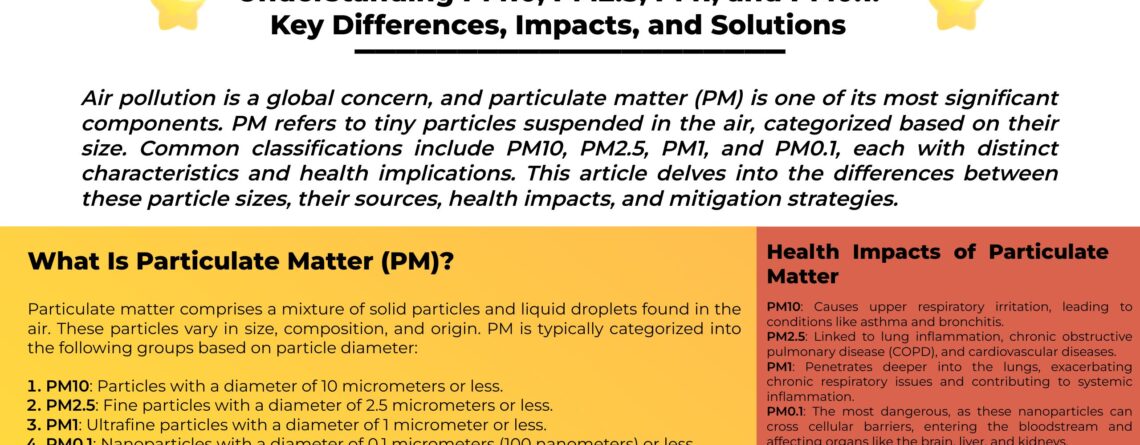
Comprendre les PM10, PM2,5, PM1 et PM0,1 : principales différences, impacts et solutions
Air pollution is a global concern, and particulate matter (PM) is one of its most significant components. PM refers to tiny particles suspended in the air, categorized based on their size. Common classifications include PM10, PM2.5, PM1, and PM0.1, each with distinct characteristics and health...
14Jan
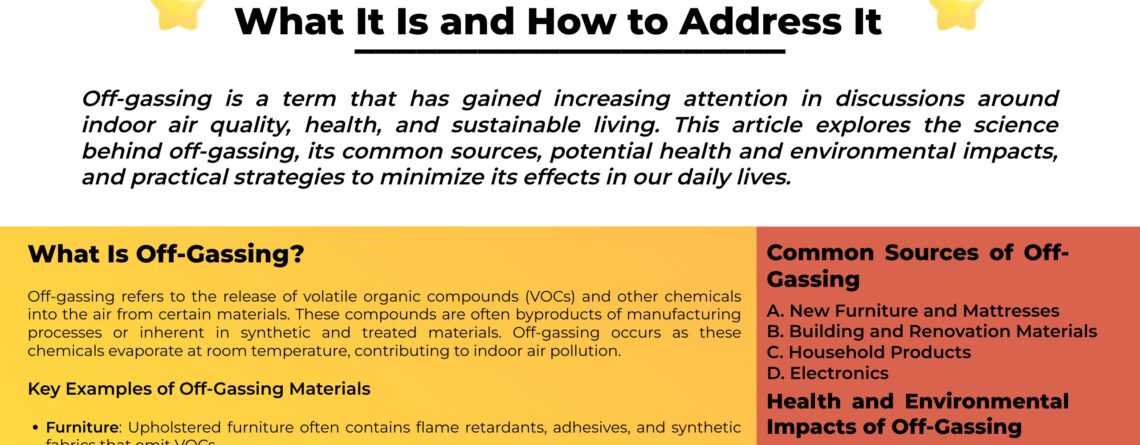
Comprendre les dégagements gazeux : qu'est-ce que c'est et comment y remédier
Off-gassing is a term that has gained increasing attention in discussions around indoor air quality, health, and sustainable living. This article explores the science behind off-gassing, its common sources, potential health and environmental impacts, and practical strategies to minimize its effects in our daily lives.What...
13Jan
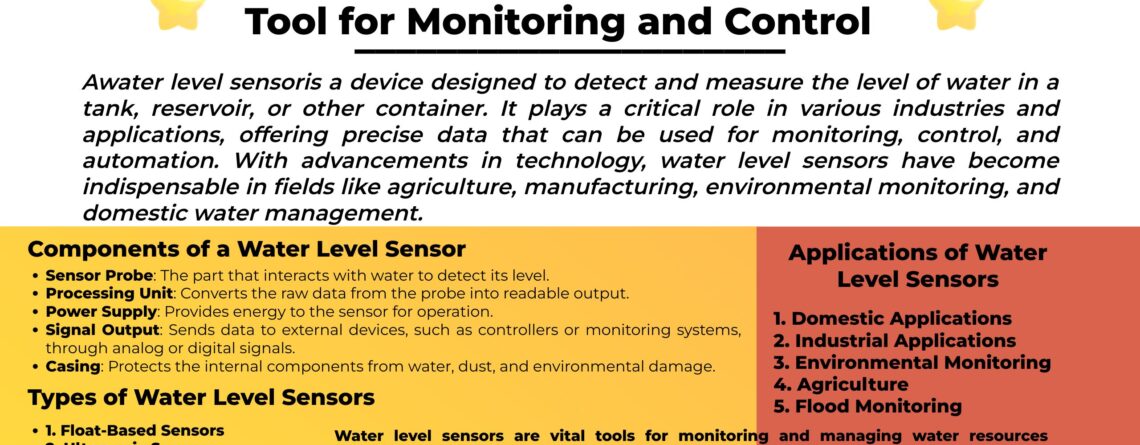
Capteur de niveau d'eau : un outil essentiel pour la surveillance et le contrôle
A water level sensor is a device designed to detect and measure the level of water in a tank, reservoir, or other container. It plays a critical role in various industries and applications, offering precise data that can be used for monitoring, control, and automation....
07Jan
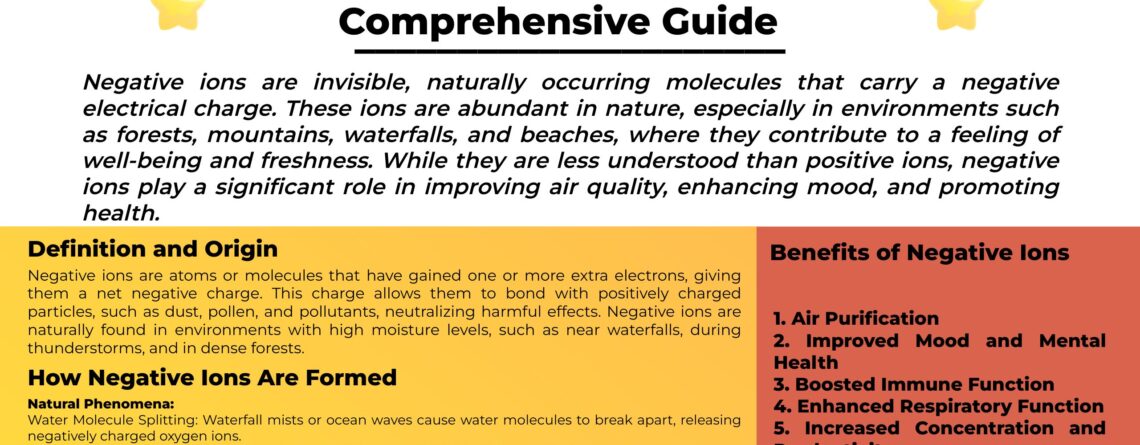
Que sont les ions négatifs : un guide complet
Negative ions are invisible, naturally occurring molecules that carry a negative electrical charge. These ions are abundant in nature, especially in environments such as forests, mountains, waterfalls, and beaches, where they contribute to a feeling of well-being and freshness. While they are less understood than...
06Jan
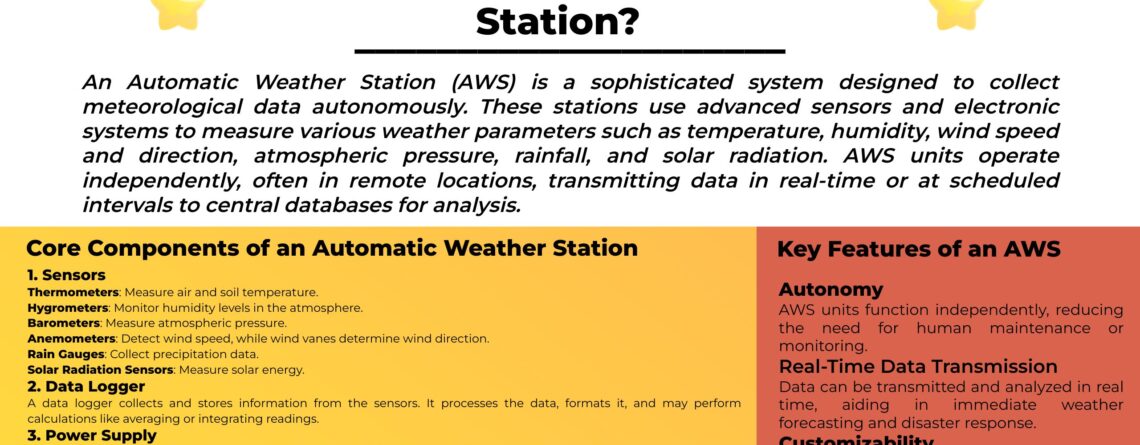
Qu’est-ce qu’une station météo automatique ?
Une station météo automatique (AWS) est un système sophistiqué conçu pour collecter des données météorologiques de manière autonome. Ces stations utilisent des capteurs et des systèmes électroniques avancés pour mesurer divers paramètres météorologiques tels que la température, l'humidité, la vitesse et la direction du vent, la pression atmosphérique, les précipitations et le rayonnement solaire. Les unités AWS fonctionnent...

30Dec
Comprendre TDLAS : un aperçu complet de la spectroscopie d'absorption laser à diode accordable
Tunable Diode Laser Absorption Spectroscopy (TDLAS) is a cutting-edge analytical technique that has gained significant attention in recent years for its precision, sensitivity, and ability to provide real-time, non-intrusive measurements of various gases and chemical compounds. This article delves into the principles, applications, advantages, challenges,...
19Dec
Sécurité CO2 dans les restaurants, bars et lieux : garantir un environnement sûr et confortable pour tous
Carbon dioxide (CO2) is a naturally occurring gas that plays a significant role in numerous industries, including food and beverage production, entertainment, and healthcare. In settings like restaurants, bars, and large venues, CO2 is often used in the form of carbonated beverages, fire suppression systems,...
17Dec
Sécurité des effets spéciaux des machines à brouillard CO2 : un guide complet
CO2 fog machines are widely used in entertainment venues, live events, and theatrical productions to create captivating special effects. These machines emit dense, low-lying fog or plumes of "smoke," enhancing visual appeal and dramatic impact. However, their operation involves specific risks and considerations that must...
03Dec