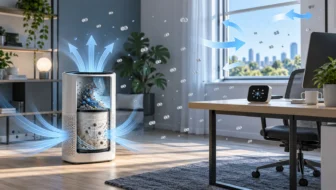
CO2 SENSORS: ENVIRONMENTAL CO2 SENSORS
Environmental CO2 sensors, also known as carbon dioxide sensors, are devices used to measure the concentration of carbon dioxide (CO2) in the atmosphere or in a specific environment. These sensors play a crucial role in monitoring and assessing air quality, as well as in various applications related to climate change, indoor air quality, and ventilation control.
There are several types of environmental CO2 sensors available, including:
- Non-dispersive infrared (NDIR) sensors
- Solid electrolyte battery principle sensors
- ISO9001 approved factory
- CE and UL certificates are available
- Meet customization requirements
CO2 Sensor for Environmental
Environmental CO2 sensors find wide-ranging applications in various sectors. They are used for monitoring and controlling CO2 levels to ensure optimal air quality, energy efficiency, and compliance with environmental regulations.
These sensors are utilized in indoor spaces, such as buildings, offices, and schools, to monitor indoor air quality and adjust ventilation rates accordingly.
In HVAC systems, CO2 sensors play a vital role in optimizing energy usage while maintaining a healthy indoor environment. They are also crucial in greenhouse and agricultural settings, where they help regulate CO2 levels to enhance plant growth and productivity.
In industrial processes, CO2 sensors aid in monitoring and reducing emissions, ensuring compliance with environmental standards. Climate research benefits from CO2 sensors, as they contribute to understanding global carbon cycles and climate change.
Additionally, these sensors are employed in confined spaces for safety purposes and incorporated into automotive systems to monitor vehicle emissions. Overall, environmental CO2 sensors have diverse applications that contribute to environmental sustainability, human health, and safety.
Environmental Co2 Sensors For Hvac Control
CO2 sensors are integrated into heating, ventilation, and air conditioning (HVAC) systems to optimize energy efficiency and indoor air quality. By measuring CO2 levels, the sensors can adjust ventilation rates and control the flow of fresh air into the building, ensuring adequate air exchange while minimizing energy waste.
Environmental Co2 Sensors For Indoor Air Quality Monitoring
CO2 sensors are widely used in buildings, offices, schools, and homes to monitor indoor air quality. High levels of CO2 can indicate poor ventilation and the presence of other indoor pollutants. Monitoring CO2 levels helps ensure a healthy and comfortable indoor environment for occupants.
Environmental Co2 Sensors For Greenhouse And Agriculture
CO2 sensors play a crucial role in greenhouse environments and controlled agriculture systems. Monitoring and controlling CO2 levels in these settings is essential for optimizing plant growth, photosynthesis, and overall crop productivity. CO2 sensors help maintain the desired CO2 concentration for specific plant species and growth stages.
CO2 Sensor Module for Environmental
Cén Fáth a Roghnaíonn Cliaint Dhomhanda Linn?
Diverse product selection
Our website offers a wide range of CO2 sensor modules, catering to different application needs and specifications. Customers can choose from multiple brands, models, and functionalities of sensor modules, ensuring they find the most suitable product for their projects.
High quality and accuracy
The CO2 sensor modules available on our website are certified and validated high-quality products. These modules possess accurate CO2 measurement capabilities and stable performance, ensuring customers obtain reliable measurement results.
Excellent customer support and after-sales service
As a one-stop shopping website, we provide top-notch customer support and after-sales service. Customers can reach out for professional technical support, product inquiries, and solution suggestions through online chat, email, or phone. This comprehensive support ensures customers receive timely assistance throughout the purchase, usage, and maintenance of their CO2 sensor modules.
Fast and secure delivery
Our website offers efficient logistics and secure delivery services. Customers can confidently make purchases, knowing that their CO2 sensor modules will be delivered quickly and safely to their doorstep.
Custaiméirí Dea Aiseolas
Focail MAITH Ó DAOINE MAITH
Impressive Accuracy and Reliable Performance
I recently purchased a CO2 sensor module from this website, and I must say I'm thoroughly impressed. The module provided accurate and consistent CO2 measurements, which were crucial for my indoor air quality monitoring project. The detailed product information on the website helped me make an informed decision, and the customer support was exceptional. I highly recommend this website for anyone in need of reliable CO2 sensor modules.

Jade Sparks
Perfect Module for Optimizing Plant Growth in my Greenhouse
I had a fantastic experience purchasing a CO2 sensor module from this one-stop sensor shopping website. The product selection was extensive, and I easily found the perfect module for my greenhouse application. The module delivered precise CO2 measurements, helping me optimize plant growth and productivity. The customer support team promptly answered my queries, and the quick delivery exceeded my expectations. I'm extremely satisfied and would definitely choose this website again for my future sensor needs.

Reece Howell
Flawless Performance for Optimal Indoor Air Quality
I can't praise this website enough for their CO2 sensor module and outstanding service. The module I purchased performed flawlessly in my HVAC system, allowing me to maintain optimal indoor air quality. The website provided comprehensive product information, making it easy to select the right module for my requirements. I was impressed with the fast shipping and the overall professionalism of the company. I highly recommend this website to anyone seeking top-quality CO2 sensor modules and a seamless shopping experience.

Sarah M
ENVIRONMENTAL CO2 SENSORS: The Ultimate Guide
Environmental CO2 sensors play a vital role in monitoring and managing indoor air quality, greenhouse gas emissions, and overall environmental health. As concerns about climate change and CO2’s impact on human well-being continue to grow, the demand for accurate and reliable CO2 sensors has skyrocketed. In this comprehensive guide, we will delve into the fundamental concepts, applications, types, and key considerations surrounding environmental CO2 sensors, equipping you with the knowledge needed to make informed decisions in this crucial field.
Understanding Environmental CO2 Sensors:
Environmental CO2 sensors are devices that measure and detect carbon dioxide levels in the surrounding air. These sensors provide valuable data for assessing air quality, ventilation efficiency, and the effectiveness of carbon reduction strategies. Two common sensing technologies used in CO2 sensors are non-dispersive infrared (NDIR) and metal oxide semiconductor (MOS) sensors. NDIR sensors utilize infrared light to measure CO2 levels, while MOS sensors rely on changes in electrical conductivity. Understanding these technologies is essential for selecting the right sensor for your specific needs.
Applications of Environmental CO2 Sensors:
The applications of environmental CO2 sensors are diverse and far-reaching. In indoor environments, CO2 sensors are crucial for maintaining optimal air quality in homes, offices, schools, and other enclosed spaces. By monitoring CO2 levels, these sensors help ensure proper ventilation and minimize the risk of health issues associated with poor air quality. In HVAC systems, CO2 sensors play a vital role in regulating ventilation rates, improving energy efficiency, and enhancing occupant comfort.
In greenhouses and agriculture, CO2 sensors contribute to optimizing plant growth and photosynthesis. By monitoring and controlling CO2 levels, greenhouse operators can create an environment that promotes maximum plant productivity and crop yields. Additionally, industrial emissions monitoring relies on CO2 sensors to comply with environmental regulations and reduce carbon footprints. These sensors provide accurate data for assessing and mitigating the impact of industrial activities on the environment.
Types of Environmental CO2 Sensors:
NDIR sensors are widely used due to their high accuracy and stability. They measure CO2 concentrations based on the absorption of infrared light. MOS sensors, on the other hand, operate based on changes in electrical conductivity. While not as precise as NDIR sensors, MOS sensors offer cost-effective solutions for certain applications. Other sensor technologies, such as photoacoustic, electrochemical, and solid-state sensors, are also available, each with its own advantages and specific use cases.
Key Considerations for Selecting Environmental CO2 Sensors:
When selecting CO2 sensors, several factors should be taken into account. Accuracy and precision are paramount, as reliable data is crucial for making informed decisions. Consider the measurement range required for your application and ensure that the sensor can provide accurate readings within that range. Response time and stability are also essential, especially for real-time monitoring. Regular calibration and maintenance routines are necessary to ensure optimal sensor performance and accuracy over time.
Best Practices for Using Environmental CO2 Sensors:
To maximize the effectiveness of environmental CO2 sensors, proper sensor placement is crucial. Sensors should be strategically located to provide representative measurements of the environment. Integrating CO2 sensor data with other environmental parameters can provide a comprehensive understanding of air quality and enable more informed decision-making. Leveraging sensor networking and the Internet of Things (IoT) can facilitate centralized monitoring and control, enhancing the efficiency and effectiveness of CO2 sensor systems.
Environmental CO2 sensors are indispensable tools for assessing and managing carbon dioxide levels in various settings. By understanding the principles, applications, types, and key considerations surrounding these sensors, individuals and organizations can make informed decisions to improve indoor air quality, reduce emissions, and contribute to a healthier environment. Whether it’s for indoor air quality monitoring, greenhouse management, or industrial emissions control, environmental CO2 sensors are essential components in our collective efforts to mitigate the impact of CO2 on our planet.
Fágann tú Fiosrúchán
Not sure which sensor is right? Get a free initial consultation right now. Our team will analyze your needs and recommend the most suitable sensor for you
BOOK ONLINE
Request an Appointment
Earráid: Níor aimsíodh an fhoirm teagmhála.
Related articles

How to Compare CO2 Readings Across Open-Plan Office Zones
Compare synchronized office-zone CO2 logs after checking monitor agreement, location, occupancy and air-system events; learn when a zone difference warrants...
How to Read a Meeting Room CO2 Trend Against Occupancy
Read meeting-room CO2 trends with occupancy and ventilation events, distinguishing starting level, occupied rise, intervention and post-meeting decline.
How to Plan CO2 Monitor Placement in an Office
Plan representative office CO2 monitor locations by measurement purpose, occupancy and air paths, then verify positions and log context before...