

Introduction
Oxygen sensors, commonly referred to as O2 sensors, are critical components in various systems that monitor and manage the concentration of oxygen. These sensors are widely used in automotive, industrial, environmental, and medical applications. This article provides an in-depth understanding of O2 sensors, including their working principles, types, applications, benefits, and maintenance. By exploring these aspects, we can appreciate the pivotal role these sensors play in enhancing performance, efficiency, and safety in numerous fields.
How O2 Sensors Work
Oxygen sensors function by measuring the concentration of oxygen in a particular environment and converting this data into an electrical signal. The core principle of their operation involves the interaction between oxygen molecules and a sensing element, which produces a measurable change in electrical properties.
Basic Components
- Sensing Element: Typically made of ceramic materials coated with platinum, the sensing element reacts with oxygen molecules.
- Heater: Ensures the sensing element reaches the necessary operating temperature for accurate measurements.
- Electrodes: Conduct the electrical signals generated by the sensing element.
- Housing: Protects the sensor components and provides a structure for installation.
Working Principles
Electrochemical O2 Sensors
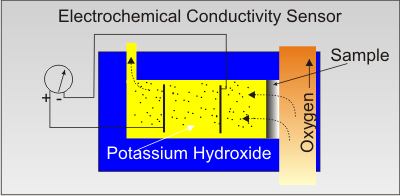

Electrochemical O2 sensors operate based on a redox reaction where oxygen molecules interact with an electrolyte solution, generating a current proportional to the oxygen concentration. These sensors are widely used due to their high accuracy and reliability.
Zirconia O2 Sensors
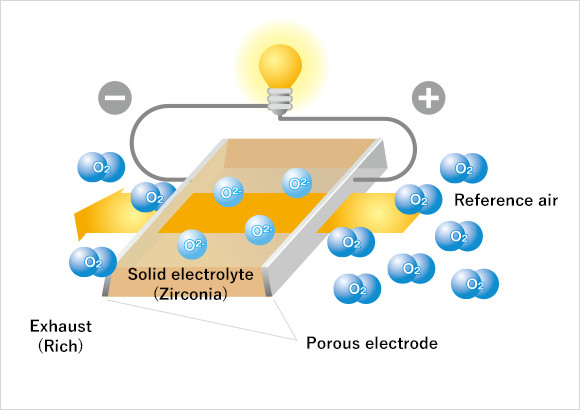

Zirconia O2 sensors use a ceramic element made of zirconium dioxide. When heated to a high temperature, this element becomes conductive to oxygen ions. The sensor measures the voltage difference created by the movement of oxygen ions across the zirconia layer, which correlates to the oxygen concentration.
Titania O2 Sensors
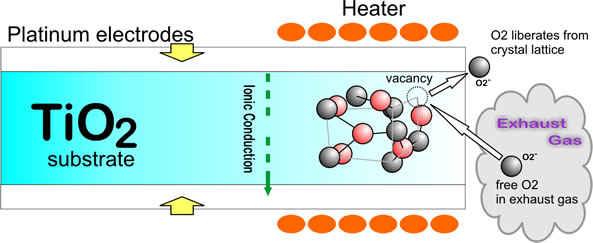

Titania O2 sensors use titanium dioxide as the sensing element. Changes in the resistance of the titania layer due to varying oxygen levels are measured to determine oxygen concentration.
Types of O2 Sensors
Automotive O2 Sensors
Automotive O2 sensors are crucial for monitoring the oxygen levels in the exhaust gases of internal combustion engines. They help optimize the air-fuel mixture for efficient combustion and reduced emissions.
- Upstream Sensors: Located before the catalytic converter, these sensors monitor the oxygen levels in the exhaust gases directly from the engine.
- Downstream Sensors: Positioned after the catalytic converter, these sensors ensure the converter is functioning correctly by measuring the oxygen levels in the treated exhaust gases.
Industrial O2 Sensors
Industrial O2 sensors are used in various processes where precise oxygen measurements are essential, such as combustion control, process monitoring, and safety systems.
- Combustion Control: Monitor oxygen levels to optimize fuel combustion in industrial furnaces and boilers.
- Process Monitoring: Ensure proper oxygen levels in chemical reactions and manufacturing processes.
- Safety Systems: Detect oxygen levels in confined spaces to prevent hazardous conditions.
Environmental O2 Sensors
Environmental O2 sensors monitor oxygen levels in natural and controlled environments, ensuring the safety and health of ecosystems and human habitats.
- Air Quality Monitoring: Measure atmospheric oxygen levels to assess air quality and detect pollution.
- Water Quality Monitoring: Monitor dissolved oxygen levels in water bodies to evaluate aquatic health and detect pollution.
Medical O2 Sensors
Medical O2 sensors are used in various healthcare applications to monitor and control oxygen levels for patient care.
- Respiratory Therapy: Ensure accurate oxygen delivery in ventilators and oxygen concentrators.
- Anesthesia: Monitor oxygen levels during surgical procedures to maintain patient safety.
- Sleep Apnea Devices: Measure oxygen saturation in patients with sleep disorders to regulate oxygen therapy.
Applications of O2 Sensors
Automotive Applications
- Emission Control: O2 sensors help maintain optimal air-fuel ratios, reducing harmful emissions from vehicles.
- Fuel Efficiency: By ensuring efficient combustion, O2 sensors contribute to improved fuel economy in vehicles.
- Engine Performance: Accurate oxygen monitoring helps in maintaining the engine’s performance and longevity.
Industrial Applications
- Combustion Optimization: O2 sensors optimize combustion processes in industrial furnaces, boilers, and kilns, improving energy efficiency and reducing emissions.
- Process Control: Monitor and regulate oxygen levels in various industrial processes, ensuring product quality and safety.
- Safety Monitoring: Detect hazardous oxygen levels in confined spaces and industrial environments, preventing accidents and ensuring worker safety.
Environmental Applications
- Air Quality Assessment: O2 sensors are used in air quality monitoring stations to measure atmospheric oxygen levels and detect pollution.
- Water Quality Management: Monitor dissolved oxygen levels in lakes, rivers, and oceans to assess the health of aquatic ecosystems and detect pollution.
- Climate Research: Measure oxygen levels in the atmosphere and oceans to study climate change and its impacts.
Medical Applications
- Respiratory Care: O2 sensors are integral to ventilators, oxygen concentrators, and other respiratory therapy devices, ensuring accurate oxygen delivery to patients.
- Anesthesia Monitoring: Measure oxygen levels during surgical procedures to maintain patient safety and prevent hypoxia.
- Neonatal Care: Monitor oxygen levels in premature infants to prevent complications from respiratory distress.
Benefits of O2 Sensors
Improved Efficiency
- Energy Savings: By optimizing combustion processes and air-fuel ratios, O2 sensors contribute to significant energy savings in both automotive and industrial applications.
- Enhanced Performance: Accurate oxygen monitoring ensures optimal performance of engines, industrial processes, and medical devices.
Environmental Protection
- Reduced Emissions: O2 sensors help minimize harmful emissions from vehicles and industrial processes, contributing to cleaner air and reduced environmental impact.
- Pollution Detection: Monitor and detect pollution in air and water, enabling timely interventions to protect ecosystems and public health.
Safety
- Hazard Prevention: Detect hazardous oxygen levels in confined spaces and industrial environments, preventing accidents and ensuring worker safety.
- Patient Safety: Ensure accurate oxygen delivery in medical devices, preventing hypoxia and other complications.
Maintenance of O2 Sensors
Routine Inspection
- Visual Check: Regularly inspect O2 sensors for physical damage, contamination, and proper installation.
- Signal Monitoring: Monitor the sensor’s output signals to ensure they are within expected ranges.
Cleaning
- Contamination Removal: Clean the sensor to remove any contaminants that may affect its accuracy, such as soot or oil deposits.
- Proper Cleaning Techniques: Use appropriate cleaning methods and solutions to avoid damaging the sensor.
Calibration
- Regular Calibration: Calibrate O2 sensors periodically to maintain their accuracy and reliability.
- Calibration Methods: Follow manufacturer guidelines for calibration procedures and use certified calibration gases.
Replacement
- Sensor Lifespan: Be aware of the sensor’s expected lifespan and replace it when necessary to ensure continued accuracy and performance.
- Replacement Procedure: Follow proper procedures for sensor replacement to avoid damaging the new sensor or associated equipment.
Advancements in O2 Sensor Technology
Enhanced Sensitivity and Accuracy
- Improved Materials: Development of advanced sensing materials, such as nanomaterials and novel ceramics, enhances the sensitivity and accuracy of O2 sensors.
- Miniaturization: Advances in microfabrication techniques enable the production of smaller, more accurate O2 sensors.
Integration with Smart Technologies
- IoT Connectivity: Integration of O2 sensors with Internet of Things (IoT) platforms allows for remote monitoring and real-time data analysis.
- Automated Systems: Smart O2 sensors can be integrated into automated systems for dynamic process control and optimization.
Energy Efficiency
- Low-Power Sensors: Development of low-power O2 sensors reduces energy consumption in various applications, particularly in portable and remote devices.
- Energy Harvesting: Research into energy-harvesting technologies aims to create self-powered O2 sensors for use in remote or difficult-to-access locations.
Future Trends in O2 Sensor Applications
Automotive Industry
- Electric and Hybrid Vehicles: As the automotive industry shifts towards electric and hybrid vehicles, O2 sensors will play a crucial role in optimizing the performance of internal combustion engines and managing emissions.
- Advanced Emission Control: Future emission control systems will rely on more sophisticated O2 sensors to meet stricter environmental regulations.
Industrial Processes
- Smart Manufacturing: Integration of O2 sensors into smart manufacturing systems will enable real-time process monitoring and optimization, improving efficiency and product quality.
- Sustainable Practices: O2 sensors will be used in sustainable industrial practices, such as carbon capture and storage, to monitor and manage oxygen levels.
Environmental Monitoring
- Climate Change Research: O2 sensors will continue to play a vital role in climate change research, providing valuable data on atmospheric and oceanic oxygen levels.
- Pollution Control: Advanced O2 sensors will be used to detect and monitor pollution, enabling timely interventions and improving environmental protection.
Medical Technology
- Personalized Medicine: O2 sensors will be integrated into personalized medical devices, providing tailored oxygen therapy and monitoring for individual patients.
- Telemedicine: The integration of O2 sensors with telemedicine platforms will enable remote monitoring and management of patients with respiratory conditions.
Conclusion
Oxygen sensors (O2 sensors) are essential components in a wide range of applications, from automotive and industrial processes to environmental monitoring and medical care. Understanding their working principles, types, applications, and benefits highlights their critical role in enhancing efficiency, safety, and environmental protection. With advancements in technology and integration with smart systems, O2 sensors will continue to evolve, offering even greater capabilities and contributing to various fields’ future success. Proper maintenance and calibration are essential to ensure the accuracy and reliability of O2 sensors, making them indispensable tools in modern technology.