As indoor growers continually seek ways to maximize plant growth and improve yields, carbon dioxide (CO2) enrichment has become a crucial strategy. Adding CO2 to your grow room can significantly accelerate photosynthesis, leading to faster growth and higher productivity. This article will walk you through how to add CO2 to your grow room, set up the necessary equipment, use a CO2 calculator, and ensure you’re getting the most from your CO2 system.
The Role of CO2 in Plant Growth
Plants rely on photosynthesis to create energy, and CO2 is one of the key components in this process. During photosynthesis, plants absorb light, water, and CO2 to produce glucose, which fuels their growth. In outdoor environments, CO2 levels naturally fluctuate but are generally around 400 ppm (parts per million). However, in controlled indoor environments like grow rooms or greenhouses, CO2 levels can be manipulated to optimize plant performance. Plants can typically thrive in environments where CO2 levels are elevated, often between 800 and 1,200 ppm.
Increasing the concentration of CO2 can accelerate photosynthesis, leading to faster growth, larger plants, and higher yields. However, this must be done carefully, as CO2 levels that are too high can become harmful or wasteful. This is where precise CO2 measurement and control become crucial.
How to Add CO2 to Your Grow Room
Adding CO2 to a grow room can be done in several ways, depending on the size of the space, your budget, and the plants you’re growing. The most common methods for adding CO2 include:
CO2 Tanks
The most common method of CO2 supplementation in grow rooms is through compressed CO2 tanks. These tanks release CO2 into the air when needed and are connected to a CO2 controller for precision.
Related Read: CO2 Tank Safety & CO2 Cylinder Safety: Essential Guidelines and Best Practices
CO2 Generators
CO2 generators burn natural gas or propane to create CO2. This method is more suited for larger grow rooms or commercial operations. However, the heat generated by the combustion process means you’ll need effective ventilation and cooling.
Exhale CO2 Bags
For small grow rooms or those on a tight budget, CO2 bags are a cost-effective solution. These bags contain a mycelial mass that naturally releases CO2 as it breaks down. While not as controllable as tanks or generators, they can provide enough CO2 to support small-scale growth.
Each of these methods works by increasing the concentration of CO2 in the grow room, with the goal of reaching optimal levels for photosynthesis (typically around 1,000–1,200 ppm). However, proper monitoring and control are essential to avoid CO2 levels becoming too high, which can harm plants and pose health risks for humans.
CO2 Controller Setup
A CO2 controller is essential for maintaining the right CO2 levels in your grow room. This device automatically releases CO2 when the levels drop below your desired concentration and shuts off when the optimal range is reached. Here’s how to set up a CO2 controller:
- Install the CO2 Controller: Position the controller in the grow room at plant height, ensuring it’s not near ventilation sources that could interfere with accurate readings. Many controllers come with a built-in CO2 sensor that continuously monitors the air.
- Connect the Controller to Your CO2 Source: Whether you’re using a CO2 tank or generator, connect it to the controller using the appropriate tubing or wiring. Most controllers work by opening a solenoid valve on the CO2 tank or starting the CO2 generator when levels are too low.
- Set the Desired CO2 Level: Use the controller’s interface to input your desired CO2 concentration (usually between 800–1,200 ppm). The controller will now automate CO2 release, ensuring levels are maintained within the desired range.
- Monitor the System: Once set up, regularly check the controller to ensure everything is functioning as expected. Many advanced controllers offer alerts or logs to track fluctuations in CO2 levels over time.
Tank Regulator Setup
If you’re using CO2 tanks, setting up the tank regulator is critical to controlling how much CO2 enters the grow room. Here’s a step-by-step guide:
- Attach the Regulator to the CO2 Tank: First, securely attach the regulator to the CO2 tank’s valve. Ensure the regulator is tightly fitted to prevent leaks.
- Install the Solenoid Valve: The solenoid valve is controlled by your CO2 controller and determines when CO2 is released. Attach the solenoid valve to the regulator.
- Connect Tubing: Use tubing to direct the CO2 from the regulator to the grow room. Ensure the tubing is placed at plant height, where the CO2 can be absorbed during photosynthesis. CO2 is heavier than air, so placing tubing too high could result in uneven distribution.
- Set the Flow Rate: Use the regulator’s controls to set the CO2 flow rate. This determines how much CO2 is released into the room at a time, so adjust it according to the size of your space and the CO2 levels you’re aiming for.
- Test for Leaks: Before turning the system on, check for leaks by applying a soap-water mixture to all connections. If bubbles form, tighten the connections.
- Turn on the System: Once everything is set, turn on the tank and let the controller manage the CO2 release.
CO2 Grow Room Calculator
Using a CO2 calculator ensures you’re adding the right amount of CO2 based on your grow room’s size and current CO2 levels. Here’s how you can calculate the amount of CO2 needed:- Measure Your Grow Room Volume: Multiply the length, width, and height of your grow room to determine the volume in cubic feet.
- Determine Desired CO2 Levels: Decide what concentration of CO2 you want to achieve in ppm. As a rule of thumb, 1,200 ppm is optimal for most plants.
- Check Current CO2 Levels: Measure the current CO2 concentration in the room using a CO2 meter.
- Use the Formula:
This will give you the total amount of CO2 needed to reach the desired concentration.
- Input into CO2 Controller: Once calculated, input the required CO2 levels into your controller to automatically regulate the CO2 in your grow room.
Benefits of Optimizing CO2 Levels
- Enhanced Growth Rate: Elevating CO2 levels can speed up photosynthesis, allowing plants to grow more rapidly. This is especially beneficial in commercial farming, where maximizing growth rate can lead to shorter cycles and more frequent harvests.
- Increased Yield: Optimizing CO2 levels often results in denser, healthier plants, which translates to higher yields. For crops like tomatoes, lettuce, or cannabis, this increase in production can significantly impact profitability.
- Stronger, More Resilient Plants: Plants exposed to adequate CO2 levels are often stronger and more resilient to environmental stressors, such as light intensity and temperature fluctuations. This reduces the risk of crop loss due to disease or environmental changes.
- Higher Quality Produce: In addition to larger yields, plants grown in CO2-enriched environments tend to produce better-quality fruits and flowers, with more vibrant colors, improved flavors, and enhanced nutritional content.
How Long Will a CO2 Tank Last?
One of the most common questions growers have is how long a CO2 tank will last before needing a refill. Several factors influence this, including room size, plant needs, and ventilation rates. Here’s a rough estimate of how long a tank will last based on grow room volume:
- 20 lb CO2 Tank: Typically lasts about 2–4 weeks in a standard-sized grow room (10 x 10 feet) running at 1,200 ppm. This assumes moderate ventilation.
- 50 lb CO2 Tank: For larger grow rooms or longer intervals between refills, a 50 lb tank can last 5–8 weeks in the same conditions.
To extend the life of your CO2 tank, minimize air exchange in your grow room to prevent CO2 from escaping.
CO2 Calculation Tips
Getting the most out of your CO2 enrichment system requires regular monitoring and fine-tuning. Here are some tips to maximize efficiency:
- Monitor CO2 Levels Regularly: Use a CO2 meter to check levels frequently, ensuring they stay within the optimal range for plant growth.
- Seal Your Grow Room: CO2 can escape easily from poorly sealed grow rooms. Make sure doors, windows, and ventilation systems are properly sealed to prevent unnecessary CO2 loss.
- Synchronize CO2 with Lighting: CO2 enrichment is only effective when plants are actively photosynthesizing. Ensure CO2 is only released during your light cycle, as plants don’t absorb CO2 in the dark.
- Adjust for Plant Growth Stages: Seedlings and early-stage plants require less CO2 compared to mature plants in the flowering stage. Adjust your CO2 levels accordingly as your plants grow.
- Account for Ventilation: Grow rooms with active ventilation systems may require more frequent CO2 supplementation to maintain optimal levels. Balance CO2 release with ventilation to avoid wasting CO2.
- Use a Timer for Efficiency: If your CO2 system doesn’t include a controller, use a timer to ensure CO2 is released at consistent intervals, avoiding excess use during periods when plants don’t need it.
Factors Affecting CO2 Calculation:
- Room Size (Volume): The size of your grow room or greenhouse plays a major role in determining how much CO2 is needed. Larger spaces require more CO2 to achieve the desired concentration.
- Current CO2 Levels: The calculator will factor in the current CO2 level in the grow room, as it can fluctuate based on the natural presence of CO2 and ventilation.
- Desired CO2 Levels: This is the target concentration for optimal plant growth, usually between 800-1,200 ppm, depending on the type of plant and its growth stage.
- Sealed vs. Ventilated Room: In sealed grow rooms, where air is not exchanged frequently, CO2 levels can be maintained with less frequent supplementation. In contrast, ventilated spaces require more frequent CO2 injections to maintain optimal levels due to air exchange.
Tools and Devices for Monitoring CO2 Levels
To ensure that CO2 levels stay within the desired range, growers rely on various devices to monitor and control CO2 concentration. These include:
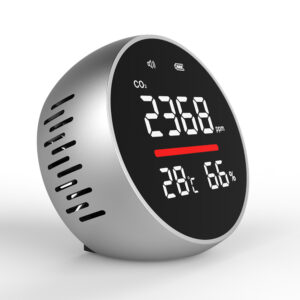
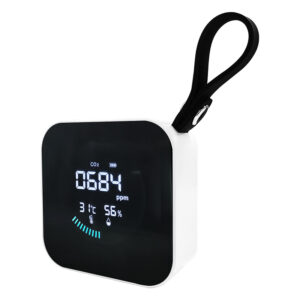
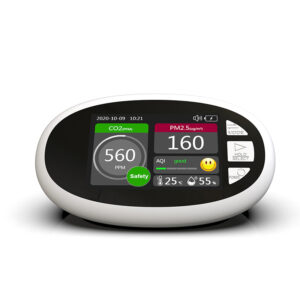
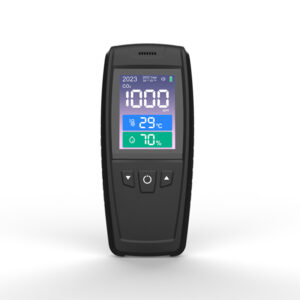
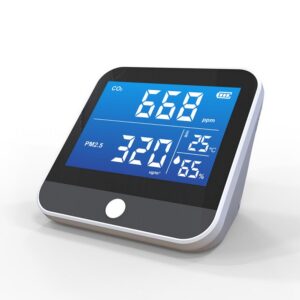
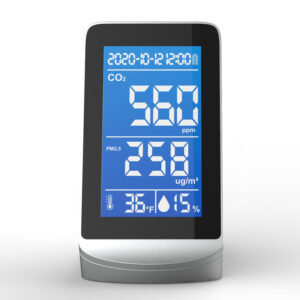
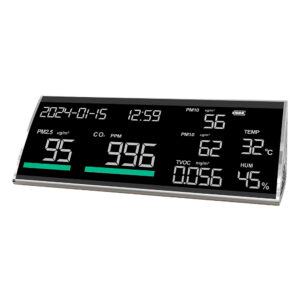
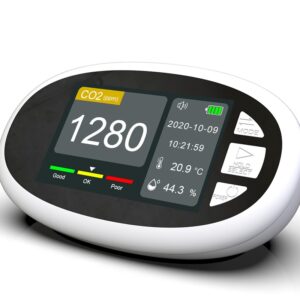
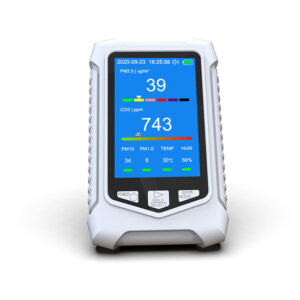
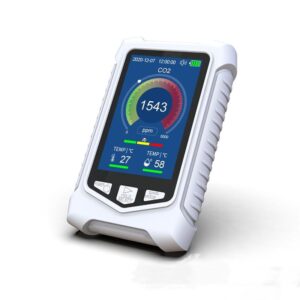
- CO2 Meters: These devices are used to measure the current CO2 concentration in the air. Many modern meters provide real-time data and alerts if CO2 levels fall outside the optimal range.
- CO2 Controllers: Once CO2 levels are measured, CO2 controllers automatically adjust the flow of CO2 into the grow room. These controllers can be programmed to maintain the desired ppm level by activating CO2 tanks or generators when levels drop.
- CO2 Generators and Tanks: Growers can supplement CO2 levels using either CO2 tanks or generators. Tanks release CO2 into the air directly, while generators burn fuel to produce CO2.
Conclusion
Adding CO2 to your grow room can dramatically improve plant growth, resulting in faster development and higher yields. By understanding the best ways to introduce CO2, setting up equipment like CO2 controllers and regulators, and calculating the right amounts for your space, you can optimize your grow room environment for maximum plant health and productivity. Whether you’re using CO2 tanks, generators, or bags, a well-maintained CO2 system will help you achieve better results from your indoor farming efforts.