What is a Hydrogen Sensor?
A hydrogen sensor is a device used to detect the presence of hydrogen gas in an environment. Hydrogen sensors are crucial for safety, industrial processes, and environmental monitoring due to the highly flammable nature of hydrogen. They help prevent potential hazards by providing early warnings of hydrogen leaks and ensuring that hydrogen levels remain within safe limits.
How Hydrogen Sensors Work
Hydrogen sensors operate based on various principles and technologies. The most common types of hydrogen sensors include:
Electrochemical Sensors

- Principle: These sensors measure the concentration of hydrogen gas through an electrochemical reaction. When hydrogen gas interacts with the sensor’s electrode, it produces a current proportional to the hydrogen concentration.
- Advantages: High sensitivity and selectivity, relatively low power consumption.
- Applications: Used in industrial safety systems, portable detectors, and environmental monitoring.
Catalytic Combustion Sensors
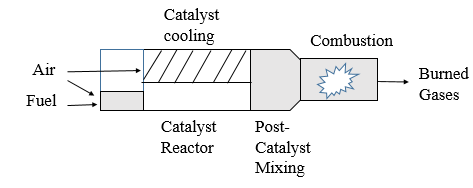
- Principle: These sensors detect hydrogen by oxidizing it on a catalytic surface, which generates heat. The temperature change is measured and correlated to the hydrogen concentration.
- Advantages: Durable and can operate in harsh environments.
- Applications: Commonly used in industrial settings and for safety monitoring.
Metal-Oxide Semiconductor (MOS) Sensors
- Principle: These sensors detect hydrogen by measuring changes in the electrical resistance of a metal-oxide layer when exposed to hydrogen gas.
- Advantages: Robust, long lifespan, and cost-effective.
- Applications: Used in residential and industrial safety applications.
Thermal Conductivity Sensors
- Principle: These sensors measure changes in thermal conductivity caused by hydrogen gas. Hydrogen has higher thermal conductivity than most other gases, so its presence affects the heat dissipation in the sensor.
- Advantages: Fast response time and wide detection range.
- Applications: Suitable for laboratory use and process monitoring.
Optical Sensors
- Principle: These sensors use light absorption or reflection properties of hydrogen to detect its presence. When hydrogen interacts with a specific material, it changes the optical properties, which can be measured.
- Advantages: High precision and can be used in a non-invasive manner.
- Applications: Used in specialized scientific and industrial applications.
Summary of Hydrogen Sensor Types: Advantages and Applications
| Sensor Type | Principle | Advantages | Applications |
|---|---|---|---|
| Electrochemical Sensors | Measure hydrogen concentration through an electrochemical reaction producing a current proportional to the hydrogen concentration. | – High sensitivity and selectivity – Relatively low power consumption | – Industrial safety systems – Portable detectors – Environmental monitoring |
| Catalytic Combustion Sensors | Detect hydrogen by oxidizing it on a catalytic surface, generating heat, with temperature changes measured and correlated to hydrogen concentration. | – Durable – Can operate in harsh environments | – Industrial settings – Safety monitoring |
| Metal-Oxide Semiconductor (MOS) Sensors | Detect hydrogen by measuring changes in the electrical resistance of a metal-oxide layer when exposed to hydrogen gas. | – Robust – Long lifespan – Cost-effective | – Residential safety – Industrial safety |
| Thermal Conductivity Sensors | Measure changes in thermal conductivity caused by hydrogen gas, with hydrogen affecting heat dissipation in the sensor. | – Fast response time – Wide detection range | – Laboratory use – Process monitoring |
| Optical Sensors | Use light absorption or reflection properties of hydrogen to detect its presence, measuring changes in optical properties when hydrogen interacts with a specific material. | – High precision – Non-invasive | – Specialized scientific applications – Industrial applications |
Applications of Hydrogen Sensors
Hydrogen sensors are used in various applications to ensure safety, efficiency, and compliance with regulations:
Industrial Safety
- Monitoring hydrogen levels in chemical plants, refineries, and storage facilities to prevent leaks and explosions.
- Ensuring safe operation of hydrogen fuel cells and hydrogen-powered systems.
Environmental Monitoring
- Detecting hydrogen emissions from industrial processes and natural sources.
- Monitoring air quality in environments where hydrogen is used or produced.
Automotive Industry:
- Ensuring the safety of hydrogen fuel cell vehicles by monitoring for hydrogen leaks.
- Used in the development and testing of hydrogen-powered engines.
Medical Applications
- Used in breath analyzers for detecting medical conditions based on hydrogen concentration in exhaled breath.
- Monitoring hydrogen levels in medical laboratories.
Research and Development
- Used in laboratories to study hydrogen behavior and reactions.
- Developing new hydrogen storage and utilization technologies.
Importance of Hydrogen Sensors
The importance of hydrogen sensors cannot be overstated:
- Safety: Hydrogen sensors are critical for preventing accidents caused by hydrogen leaks, which can lead to fires and explosions due to hydrogen’s high flammability.
- Efficiency: By accurately detecting and monitoring hydrogen levels, these sensors help optimize industrial processes, ensuring efficient and safe operation.
- Regulatory Compliance: Many industries are required to comply with safety regulations that mandate the use of hydrogen sensors to monitor and control hydrogen emissions and exposure.
Challenges and Future Developments
While hydrogen sensors are essential, there are challenges that need to be addressed to improve their performance and reliability:
- Selectivity: Ensuring sensors can accurately distinguish hydrogen from other gases in the environment.
- Sensitivity: Enhancing the sensitivity of sensors to detect even minute concentrations of hydrogen.
- Durability: Developing sensors that can withstand harsh conditions and maintain accuracy over time.
- Cost: Reducing the cost of hydrogen sensors to make them more accessible for widespread use.
Future developments in hydrogen sensor technology aim to address these challenges by leveraging advancements in materials science, nanotechnology, and sensor design. This will lead to more reliable, sensitive, and cost-effective hydrogen sensors, further promoting the safe and efficient use of hydrogen as an energy source.
Conclusion
Hydrogen sensors play a vital role in ensuring the safe and efficient use of hydrogen across various industries. They provide critical early warnings of hydrogen leaks, helping to prevent accidents and maintain regulatory compliance. As technology advances, the capabilities and applications of hydrogen sensors will continue to expand, supporting the growing adoption of hydrogen as a clean energy source.
