What is TVOC: A Comprehensive Guide to Total Volatile Organic Compounds
Sensor One Stop
TVOC, or Total Volatile Organic Compounds, is a term used to describe a wide range of volatile organic chemicals that are present in indoor and outdoor air. These compounds can evaporate easily into the air at room temperature and are commonly found in building materials, household products, paints, and even furnishings. While not all VOCs are harmful, prolonged exposure to high concentrations of certain VOCs can lead to health issues. This article explores the significance of TVOC levels, their sources, health impacts, and how to reduce exposure in indoor environments.
What is TVOC?
TVOC stands for Total Volatile Organic Compounds, which refers to the total concentration of various VOCs in the air. VOCs are organic chemicals that easily become vapors or gases. They can come from a variety of natural and synthetic sources, and they are present in many indoor and outdoor environments. Some VOCs are harmless, but others can contribute to poor air quality and may pose serious health risks.
VOCs include chemicals like benzene, formaldehyde, toluene, and acetone, each of which can be found in different household or industrial products. TVOC is a useful measurement because it gives an overall picture of the total amount of volatile compounds present, rather than focusing on individual chemicals.
TVOC levels are important because they serve as an indicator of indoor air quality (IAQ). Elevated levels of VOCs in indoor environments can lead to discomfort, allergies, respiratory issues, and in some cases, long-term health conditions. This is particularly concerning in closed environments like homes, offices, and schools, where air circulation is often limited.
Regulatory agencies like the World Health Organization (WHO), U.S. Environmental Protection Agency (EPA), and other health organizations recognize the importance of monitoring and managing TVOC levels to maintain healthy indoor air.
Sources of TVOCs
VOCs can be found in numerous products and materials that are used in homes, offices, and industrial settings. Some common sources of TVOCs include:
1. Building Materials
Paints and varnishes: These materials often contain VOCs like formaldehyde and benzene, which are released into the air as they dry.
Carpets and flooring: New carpets, laminate, and vinyl flooring can emit VOCs like formaldehyde.
Adhesives and sealants: These materials can release VOCs into the air during the installation process and for a period of time afterward.
2. Household Products
Cleaning products: Many household cleaners contain VOCs that evaporate into the air when used, especially when aerosol sprays are involved.
Air fresheners and candles: These products often release VOCs like toluene and benzene, which contribute to indoor air pollution.
Pesticides: VOCs found in pesticides can linger in the air long after application.
3. Furniture and Textiles
New furniture: Many items of furniture, especially those made from pressed wood or containing synthetic fabrics, release VOCs such as formaldehyde.
Textiles and fabrics: Curtains, upholstery, and other textiles can contain VOCs from treatments like flame retardants and stain-resistant coatings.
4. Personal Care Products
Perfumes and deodorants: VOCs are present in many fragrances, which can evaporate into the air and contribute to overall TVOC levels.
Hair sprays and nail polish: These products often contain toluene, formaldehyde, and other VOCs.
5. Combustion Sources
Tobacco smoke: Cigarette smoke is a major source of VOCs, including benzene and formaldehyde, both of which are known carcinogens.
Cooking and heating: Gas stoves and heaters can release VOCs into the air, especially in poorly ventilated spaces.
6. Outdoor Sources
While TVOCs are commonly discussed in the context of indoor air quality, outdoor sources like vehicle emissions, industrial facilities, and fuel stations also contribute to the overall concentration of VOCs in the environment. These outdoor VOCs can make their way indoors through windows, doors, and ventilation systems, further affecting indoor air quality.
Are All VOCs Harmful?
Not all VOCs are harmful, but some can have serious health effects, especially at high concentrations or with long-term exposure. VOCs are classified into categories based on their potential health risks, with some being more hazardous than others.
1. Harmless or Low-risk VOCs:
Some VOCs are relatively harmless or have low toxicity levels. These include compounds like ethanol or acetone, which are often found in household products like nail polish remover and hand sanitizers. At low levels, these VOCs may not pose significant health risks.
2. Harmful VOCs:
Formaldehyde, benzene, toluene, and xylene are examples of VOCs that can pose serious health risks. Formaldehyde, commonly used in pressed wood products and glues, is a known carcinogen, while benzene is associated with leukemia and other cancers.
Long-term exposure to harmful VOCs can lead to more severe health problems, such as liver damage, kidney damage, and central nervous system disorders.
The key factor that determines whether a VOC is harmful is the concentration and duration of exposure. Even low levels of VOCs can be harmful if exposure is prolonged.
Health Effects of TVOCs
Exposure to high levels of TVOCs can lead to both short-term and long-term health issues, depending on the type and concentration of VOCs present in the air. Some people are more sensitive to VOCs than others, and the effects can range from mild irritation to more severe health conditions.
1. Short-Term Health Effects
Eye, nose, and throat irritation: Exposure to VOCs can cause discomfort in the eyes, nose, and throat. This is often experienced as a burning sensation, itching, or dryness.
Headaches and dizziness: Prolonged exposure to VOCs can lead to headaches, dizziness, and lightheadedness, especially in enclosed spaces.
Respiratory issues: People with pre-existing respiratory conditions, such as asthma or allergies, may experience worsened symptoms when exposed to elevated VOC levels.
2. Long-Term Health Effects
Chronic respiratory problems: Long-term exposure to certain VOCs, such as formaldehyde, can lead to chronic respiratory conditions, including asthma and bronchitis.
Cancer risk: Some VOCs, like benzene and formaldehyde, are classified as carcinogens. Long-term exposure to these compounds increases the risk of developing cancers like leukemia or lung cancer.
Damage to internal organs: Prolonged exposure to high levels of VOCs can damage internal organs, particularly the liver, kidneys, and central nervous system.
3. Vulnerable Populations
Children: Due to their developing respiratory systems, children are particularly vulnerable to the harmful effects of VOCs.
Pregnant women: Exposure to VOCs during pregnancy can lead to developmental issues in the fetus, including low birth weight and preterm birth.
Elderly individuals: Older adults with compromised immune systems or pre-existing conditions may experience more severe health effects when exposed to VOCs.
What Are Safe Levels of TVOC?
The safety of VOC levels is generally determined by TVOC (Total Volatile Organic Compounds) measurements, which aggregate the concentrations of various VOCs into a single value. Safe levels of TVOC vary depending on the guidelines set by health and environmental agencies.
1. World Health Organization (WHO) Guidelines:
The WHO suggests keeping indoor TVOC levels below 600 µg/m³ to avoid potential health effects. Prolonged exposure to TVOC levels above this threshold can lead to health risks, especially in vulnerable populations like children, the elderly, and people with respiratory conditions.
2. U.S. Environmental Protection Agency (EPA):
The EPA recommends minimizing exposure to harmful VOCs as much as possible, though specific safe levels may vary depending on the type of VOC.
3. Industry Standards:
OSHA (Occupational Safety and Health Administration) regulates the permissible exposure limits (PELs) for specific VOCs in workplace settings, ensuring that employees are not exposed to unsafe levels of hazardous VOCs.
Keeping VOC levels within the recommended guidelines is essential for maintaining a healthy indoor environment and preventing long-term health effects.
How to Measure TVOC Levels
Measuring TVOC levels in your indoor environment is essential for maintaining good air quality. There are various ways to measure VOC concentrations, ranging from professional testing to using consumer-grade devices.
1. Professional Indoor Air Quality Testing
Many companies offer professional indoor air quality (IAQ) testing services that can accurately measure TVOC levels and identify specific VOCs present in the environment. These services often use sophisticated sensors and analytical tools to determine the exact composition of VOCs in the air.
Pros: Highly accurate and comprehensive.
Cons: Can be expensive and require scheduling with a professional.
2. Indoor Air Quality Monitors:
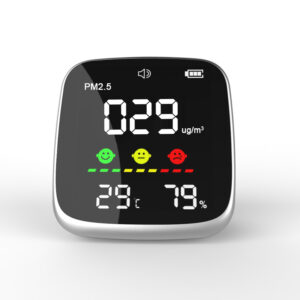
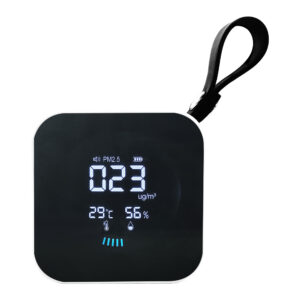
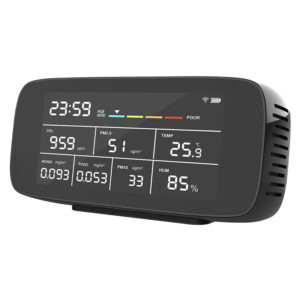
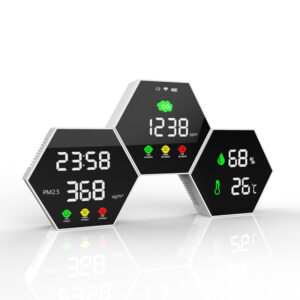
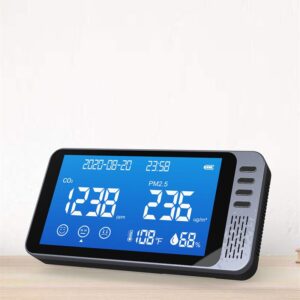
Consumer-grade monitors: Devices like TVOC monitors or air quality sensors are available for home use and provide real-time data on the concentration of VOCs in the air. These devices are typically easy to use and can help homeowners track air quality trends over time.
3. Portable VOC Detectors:
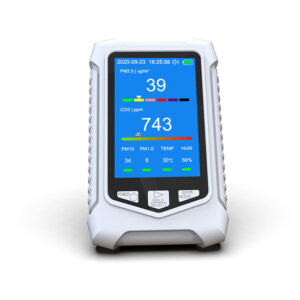
Portable handheld detectors are useful for spot-checking VOC levels in various areas, particularly in industrial settings where VOC emissions may fluctuate. These devices offer instant readings and can detect multiple types of VOCs simultaneously.
4. DIY Air Quality Monitors
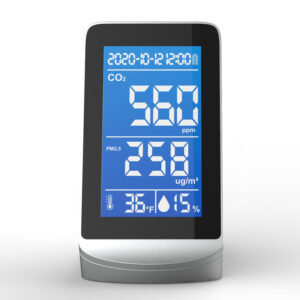
There are numerous consumer-grade air quality monitors available that can measure TVOC levels in real-time. These devices are easy to use and provide immediate feedback on the air quality in your home or workplace.
Pros: Affordable, convenient, and portable.
Cons: May not be as accurate as professional testing.
Different organizations provide guidelines on acceptable levels of TVOCs in indoor environments. While there is no universal standard for TVOC levels, several health organizations offer recommendations to ensure indoor air remains safe.
1. World Health Organization (WHO)
The WHO recommends maintaining indoor TVOC levels below 600 µg/m³ to prevent adverse health effects. Concentrations above this level can lead to significant discomfort and long-term health risks.
2. U.S. Environmental Protection Agency (EPA)
While the EPA does not regulate VOCs specifically, it offers guidelines on indoor air quality that suggest minimizing exposure to VOCs from sources like paints, cleaning products, and building materials.
3. Occupational Safety and Health Administration (OSHA)
In workplace environments, OSHA regulates exposure to specific VOCs like benzene and formaldehyde. OSHA has set permissible exposure limits (PELs) to protect workers from dangerous levels of these chemicals over an 8-hour workday.
How to Reduce TVOC Exposure
Reducing exposure to TVOCs is essential for improving indoor air quality and preventing health problems. Below are several strategies to minimize the presence of VOCs in your home or workplace:
1. Increase Ventilation
Proper ventilation is one of the most effective ways to reduce TVOC levels. Opening windows and using fans can help disperse VOCs and improve air circulation.
Use exhaust fans: Install exhaust fans in areas where VOCs are likely to be emitted, such as kitchens and bathrooms.
Air out new furniture: If you’ve purchased new furniture or carpets, allow them to off-gas outdoors or in a well-ventilated area before bringing them inside.
2. Use Low-VOC Products
Many manufacturers now offer low-VOC or zero-VOC versions of products like paints, cleaning agents, and adhesives. Choosing these alternatives can significantly reduce TVOC levels in your indoor environment.
Opt for natural cleaning products: Choose cleaning products made from natural ingredients that do not contain synthetic fragrances or harmful chemicals.
Avoid aerosol sprays: Use pump sprays or solid alternatives to reduce VOC emissions.
3. Control Temperature and Humidity
VOCs are more likely to be released into the air at higher temperatures and humidity levels. Controlling these environmental factors can help minimize VOC emissions.
Use dehumidifiers: Keeping indoor humidity below 50% can help reduce VOC emissions from certain materials.
Maintain moderate temperatures: Avoid excessive heating, which can cause VOCs to evaporate more quickly from building materials and furnishings.
4. Regular Cleaning and Maintenance
Regular cleaning can help reduce the buildup of VOCs in your indoor environment. Dust and dirt can trap VOCs, so maintaining a clean space can help minimize exposure.
5. Store Products Properly:
Keep VOC-emitting products like paints, solvents, and cleaning agents in tightly sealed containers when not in use. Store them in well-ventilated areas to minimize off-gassing.
Conclusion
TVOCs are a significant contributor to indoor air pollution, and their presence can affect both short-term and long-term health. Understanding the sources of VOCs and how to measure and manage TVOC levels is crucial for maintaining healthy indoor air quality. By increasing ventilation, using low-VOC products, and regularly monitoring air quality, you can significantly reduce your exposure to harmful VOCs and create a safer living or working environment.