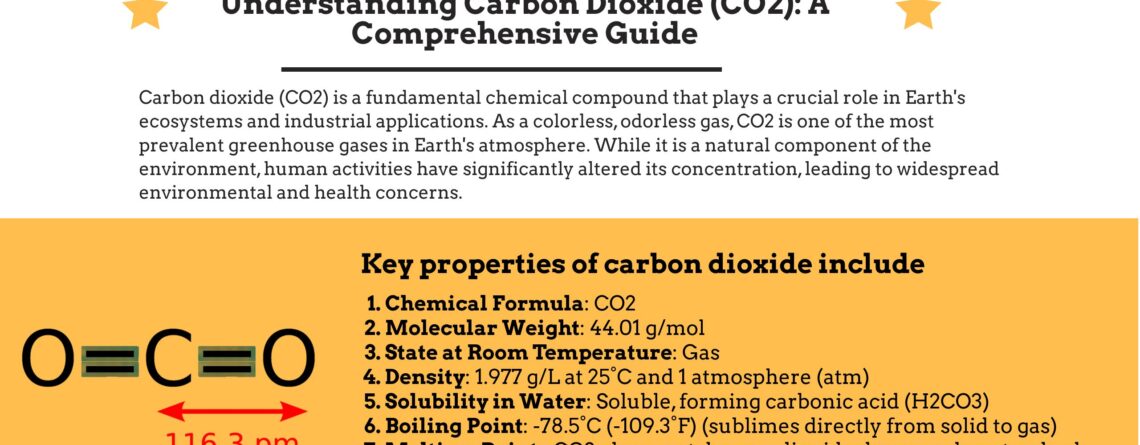
센서 원스톱2024-09-02T10:44:36+08:00Carbon dioxide (CO2) is a fundamental chemical compound that plays a crucial role in Earth's ecosystems and industrial applications. As a colorless, odorless gas, CO2 is one of the most prevalent greenhouse gases in Earth's atmosphere. While it is a natural component of the environment,...
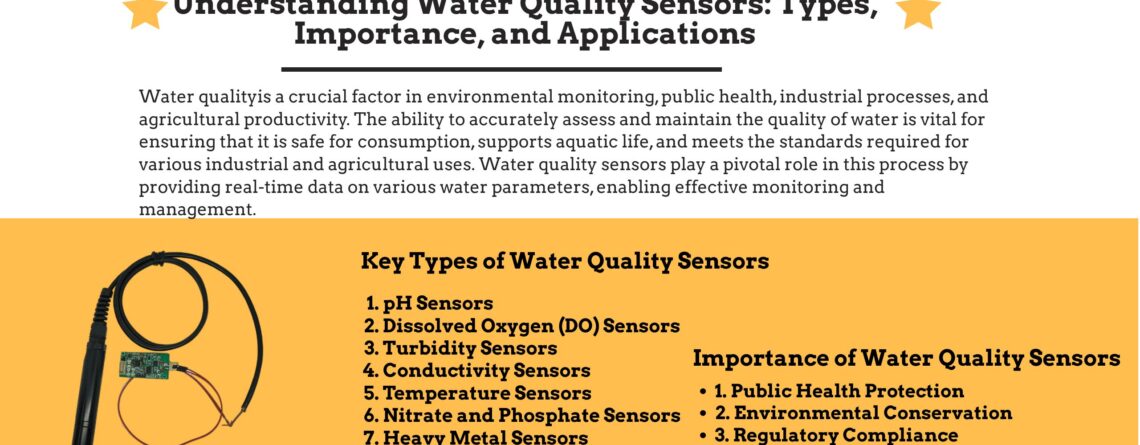
센서 원스톱2024-08-15T10:29:22+08:00Water quality is a crucial factor in environmental monitoring, public health, industrial processes, and agricultural productivity. The ability to accurately assess and maintain the quality of water is vital for ensuring that it is safe for consumption, supports aquatic life, and meets the standards required...
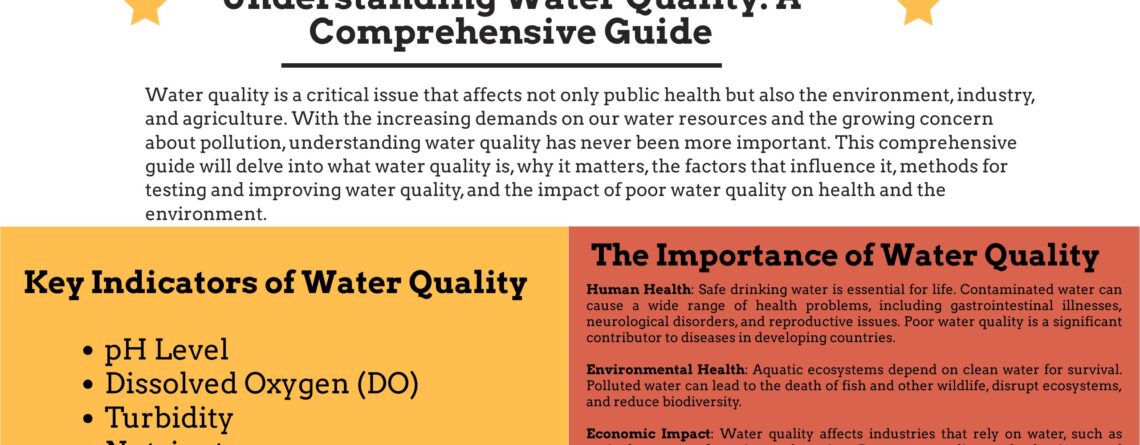
센서 원스톱2024-08-13T10:08:11+08:00Water quality is a critical issue that affects not only public health but also the environment, industry, and agriculture. With the increasing demands on our water resources and the growing concern about pollution, understanding water quality has never been more important. This comprehensive guide will...
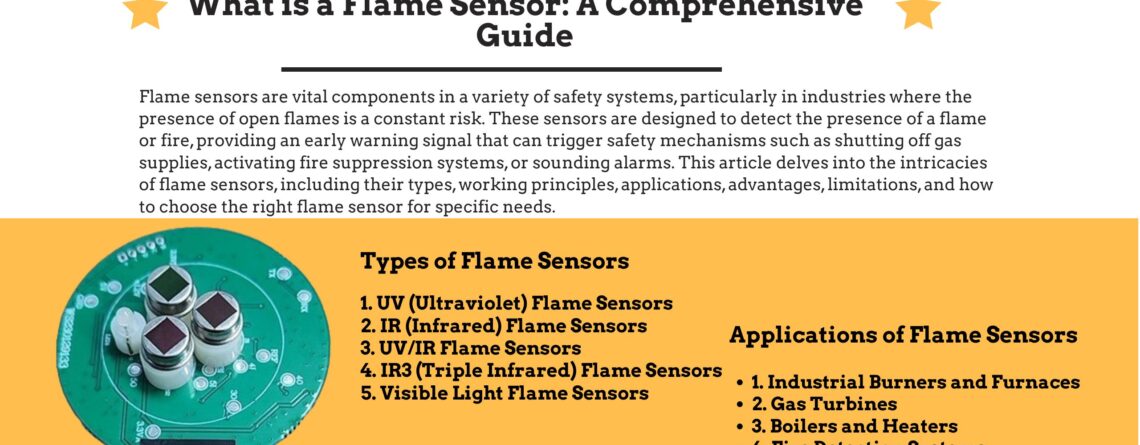
센서 원스톱2024-08-12T11:00:04+08:00Flame sensors are vital components in a variety of safety systems, particularly in industries where the presence of open flames is a constant risk. These sensors are designed to detect the presence of a flame or fire, providing an early warning signal that can trigger...
센서 원스톱2024-08-09T10:32:32+08:00Passive Infrared (PIR) sensors are one of the most widely used motion detection technologies in the world today. They are crucial components in security systems, lighting controls, automatic doors, and various other applications where detecting movement is essential. But what exactly is a PIR sensor,...
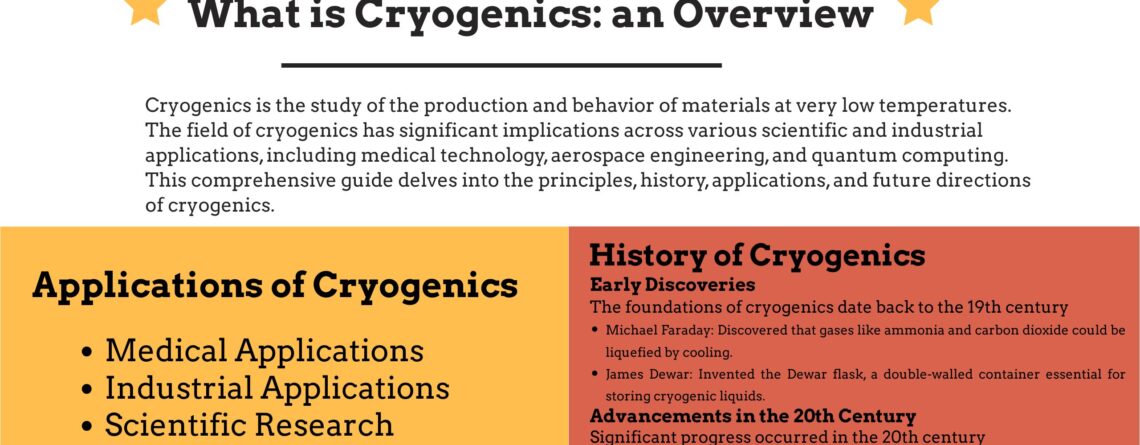
센서 원스톱2024-08-08T18:24:50+08:00Cryogenics is the study of the production and behavior of materials at very low temperatures. The field of cryogenics has significant implications across various scientific and industrial applications, including medical technology, aerospace engineering, and quantum computing. This comprehensive guide delves into the principles, history, applications,...
센서 원스톱2026-10-22T10:59:17+08:00Separate room-air monitoring, equipment mitigation, service leak location and refrigerant identification by sample, output and decision.
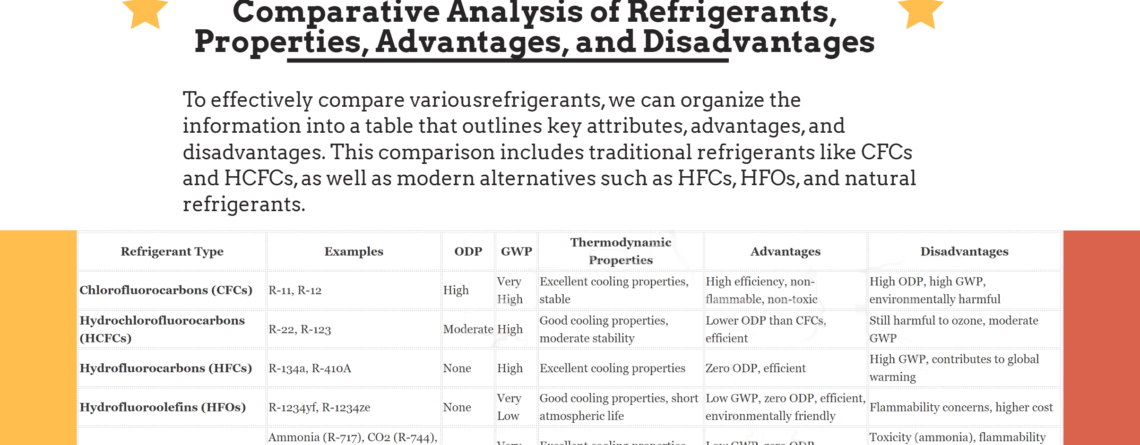
센서 원스톱2025-01-07T13:13:13+08:00To effectively compare various refrigerants, we can organize the information into a table that outlines key attributes, advantages, and disadvantages. This comparison includes traditional refrigerants like CFCs and HCFCs, as well as modern alternatives such as HFCs, HFOs, and natural refrigerants.Refrigerant TypeExamplesODPGWPThermodynamic PropertiesAdvantagesDisadvantagesChlorofluorocarbons (CFCs)R-11, R-12HighVery...
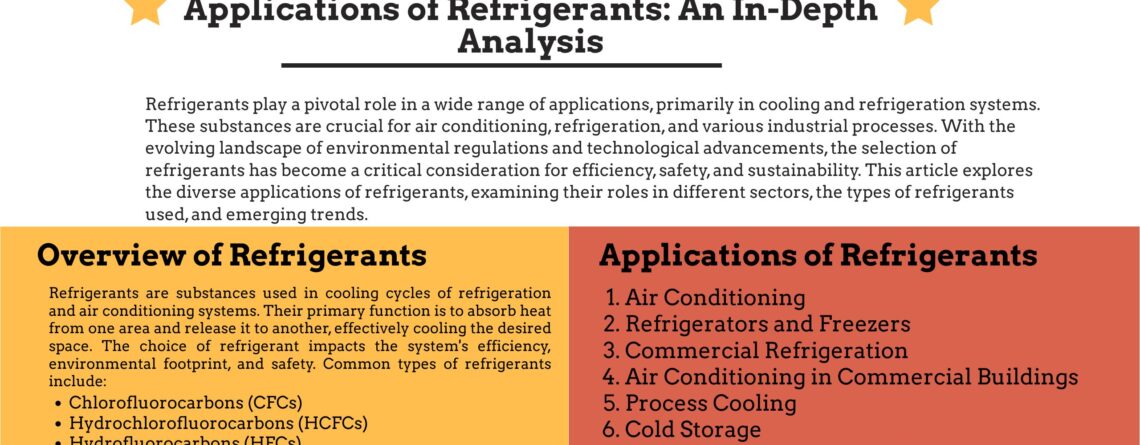
센서 원스톱2024-10-17T10:41:23+08:00Refrigerants play a pivotal role in a wide range of applications, primarily in cooling and refrigeration systems. These substances are crucial for air conditioning, refrigeration, and various industrial processes. With the evolving landscape of environmental regulations and technological advancements, the selection of refrigerants has become...
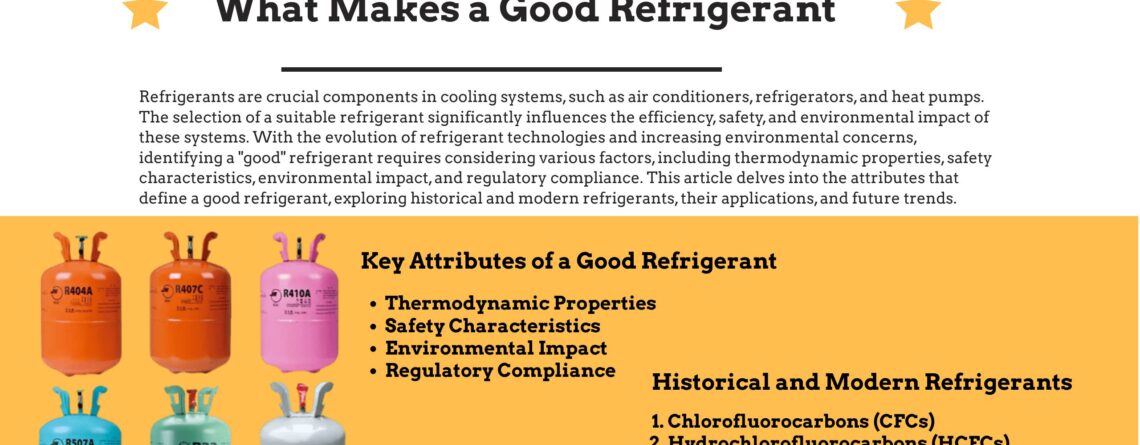
센서 원스톱2024-10-21T10:58:52+08:00Refrigerants are crucial components in cooling systems, such as air conditioners, refrigerators, and heat pumps. The selection of a suitable refrigerant significantly influences the efficiency, safety, and environmental impact of these systems. With the evolution of refrigerant technologies and increasing environmental concerns, identifying a "good"...