12Okt
21Aug
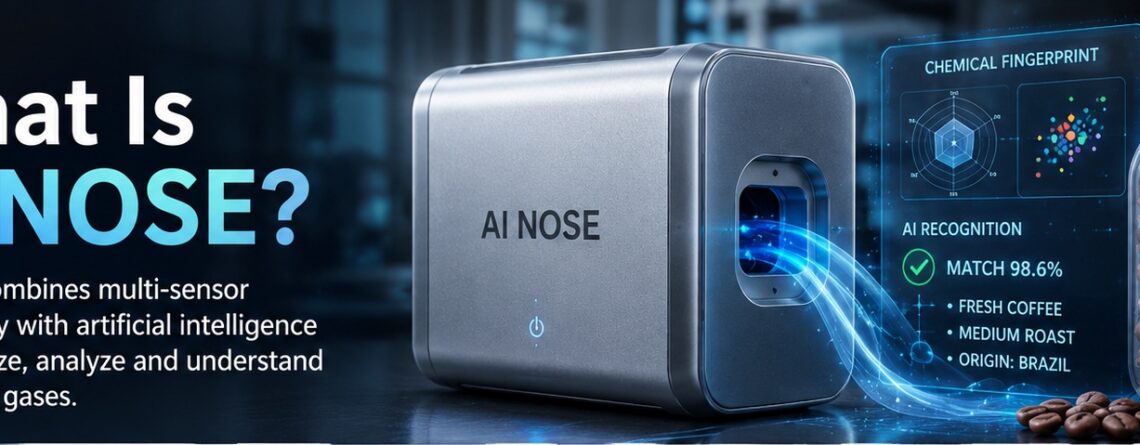
Was ist eine KI-Nase: Wie KI-gestützte elektronische Nasen funktionieren
Artificial intelligence can recognize images, understand speech and analyze enormous amounts of data. Increasingly, machines are also learning to interpret another type of information that humans experience every day: smell. An AI Nose, also called an AI-powered electronic nose or intelligent electronic nose, combines multiple chemical...
16Juli
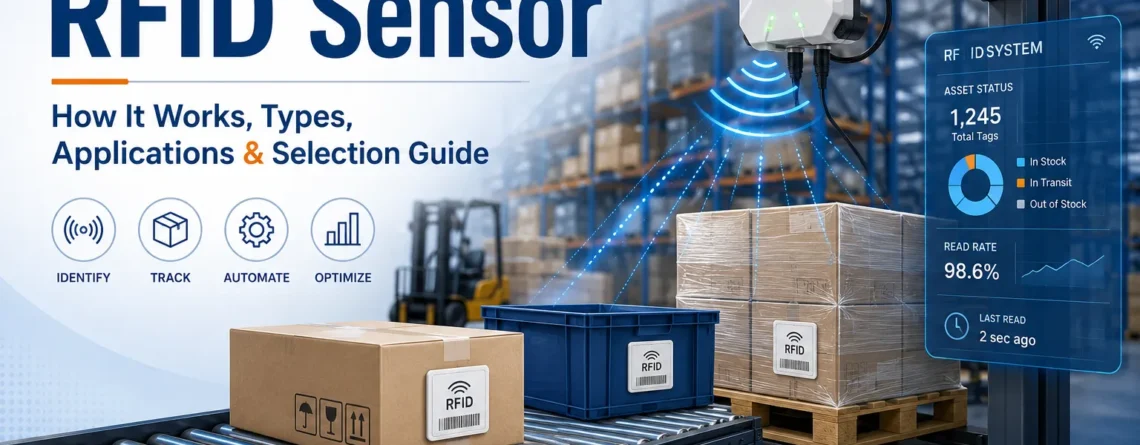
RFID-Sensor: Funktionsweise, Typen, Anwendungen und Auswahlhilfe
RFID-Sensoren kombinieren drahtlose Identifizierung mit automatisierter Datenerfassung und ermöglichen es Unternehmen, Objekte zu identifizieren, zu verfolgen und zu verwalten, ohne jeden Artikel manuell scannen zu müssen. Sie werden häufig in Lagerhäusern, Produktionsstätten, Krankenhäusern, Einzelhandelsgeschäften, Bibliotheken, Transportsystemen und industriellen Asset-Management-Projekten eingesetzt. Im Vergleich zu herkömmlichen Barcodes ist ein RFID...
22Jun
Erläuterung der CAN/ULC-S588-Zertifizierung: Warum sie für Gassensoren und Gasdetektionsprodukte wichtig ist
For gas sensor manufacturers, gas detector brands, and system integrators targeting the North American market, certification is becoming more than a compliance requirement. It is also an important factor in customer trust, project approval, and product selection.One standard that is receiving increasing attention is CAN/ULC-S588,...
25Beschädigen
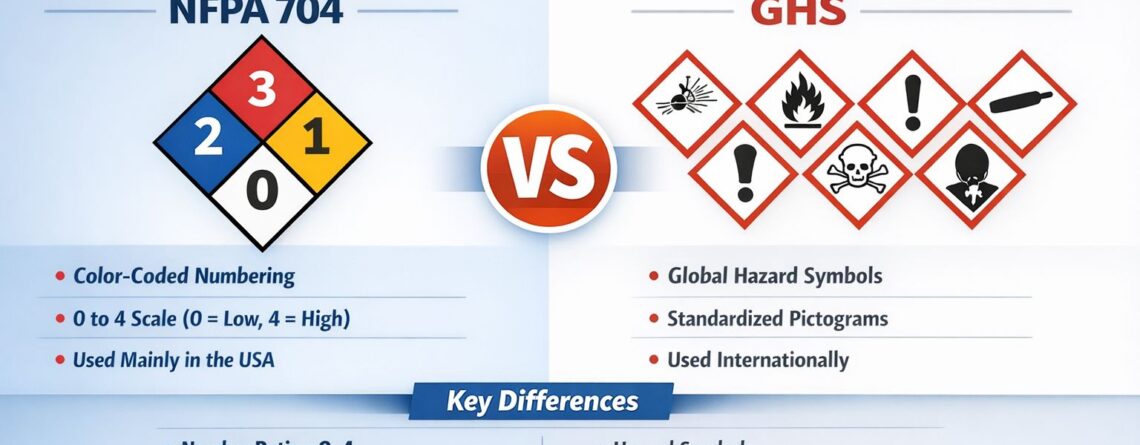
NFPA 704 vs. GHS: Was ist der Unterschied?
NFPA 704 and GHS are both used to communicate chemical hazards, but they are not the same system and they were not designed for the same purpose. OSHA’s official comparison says NFPA 704 is intended to provide basic information for emergency personnel responding to a...
25Beschädigen
NFPA 704 Gefahrenmarkierungen und Gasdetektionssysteme: Unterschiedliche Rollen, vernetzte Beweise
Understand how NFPA704 material markings differ from detector qualification and installed gas detection, and connect each role to the evidence it requires.
30Dec
Was ist Vibration: (Definition, Typen, Einheiten, Ursachen und wie sie gemessen wird)
What is vibration?Vibration is repetitive (oscillating) motion of an object back and forth around an equilibrium position.A motor housing shaking slightlyA fan causing a duct to buzzA bridge swaying in windA phone buzzing (intentional vibration)All of these are vibration: motion that alternates direction and repeats...
30Dec
Vibrationssensoren, Prinzipien, Typen, Anwendungen und neue Trends
1. Introduction to Vibration SensorsVibration sensors are essential devices used to detect, measure, and analyze oscillatory motions in objects, systems, or structures. These sensors convert mechanical motion into electrical signals, enabling monitoring, diagnostics, and preventive maintenance across industries such as manufacturing, aerospace, automotive, construction, and...
15Okt
DTF-Druckersensor: Präzision, Technologie und Anwendungen im modernen Drucken
Introduction to DTF Printer Sensor TechnologyThe DTF (Direct-to-Film) printing process has revolutionized the digital textile industry, providing vivid, durable, and flexible printing solutions on a wide range of fabrics. While much attention goes to the printer heads, inks, and films, one of the most critical—but...
15Sept