05Sept
02Sept
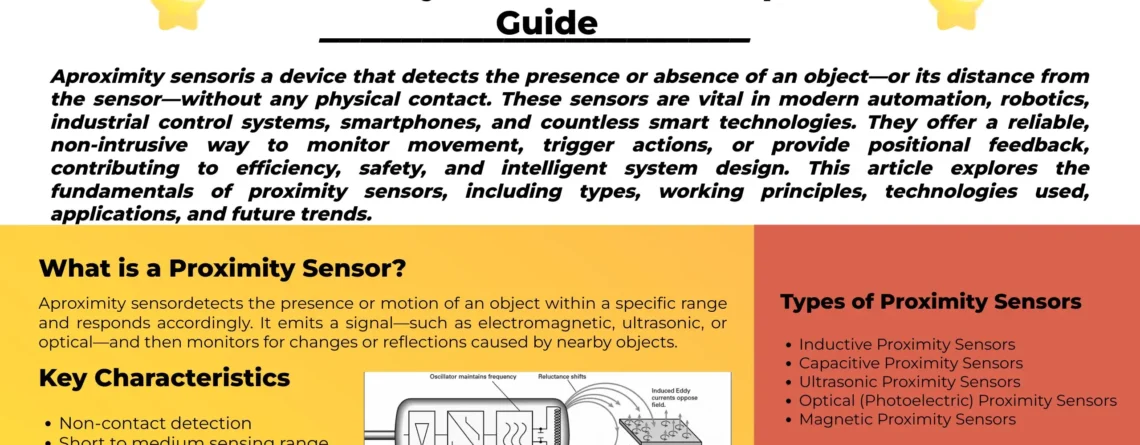
Näherungssensoren: eine ausführliche Anleitung
A proximity sensor is a device that detects the presence or absence of an object—or its distance from the sensor—without any physical contact. These sensors are vital in modern automation, robotics, industrial control systems, smartphones, and countless smart technologies. They offer a reliable, non-intrusive way...
01Sept
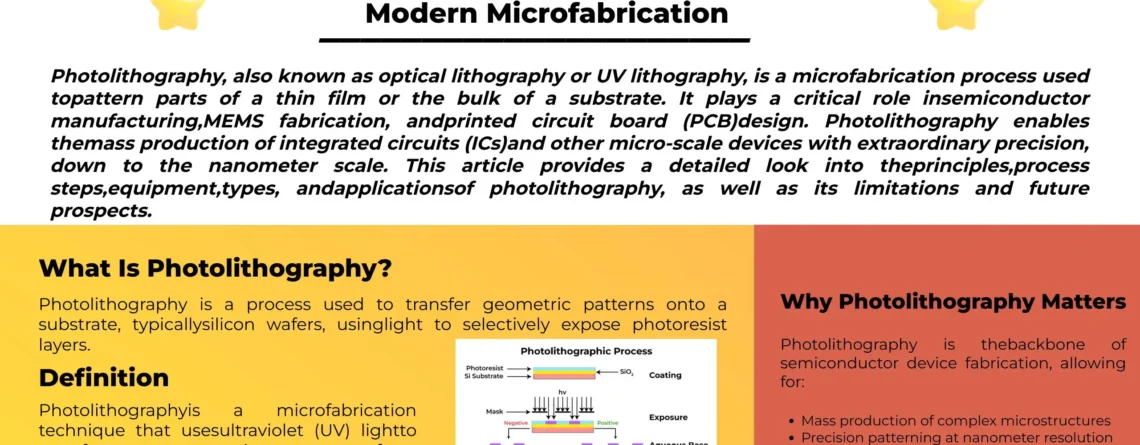
Photolithographie: Die Grundlage der modernen Mikrofabrikation
Photolithography, also known as optical lithography or UV lithography, is a microfabrication process used to pattern parts of a thin film or the bulk of a substrate. It plays a critical role in semiconductor manufacturing, MEMS fabrication, and printed circuit board (PCB) design. Photolithography enables...
01Aug
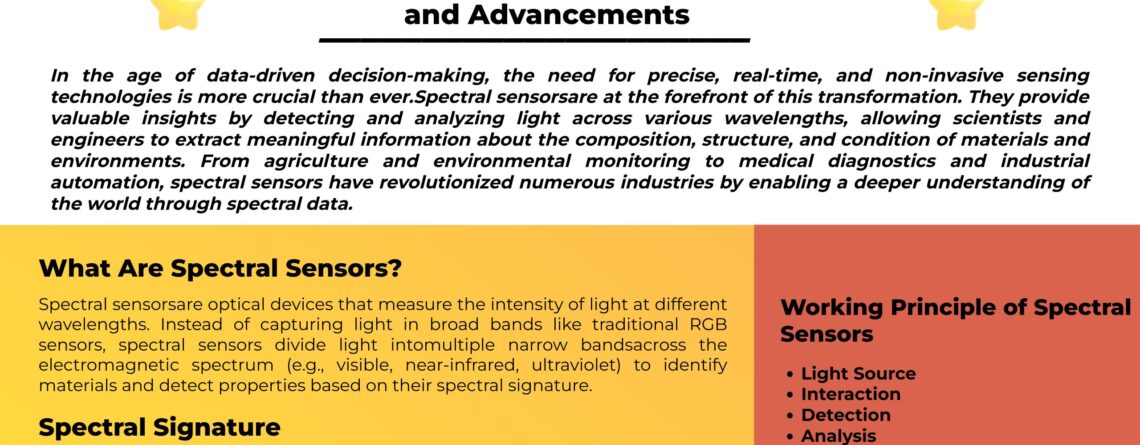
Spektralsensoren: Prinzipien, Anwendungen und Fortschritte
Im Zeitalter der datengesteuerten Entscheidungsfindung ist der Bedarf an präzisen, nicht-invasiven Echtzeit-Sensortechnologien wichtiger denn je. Spektralsensoren stehen an der Spitze dieser Transformation. Sie liefern wertvolle Erkenntnisse, indem sie Licht verschiedener Wellenlängen erkennen und analysieren und es Wissenschaftlern und Ingenieuren ermöglichen...
30Juli
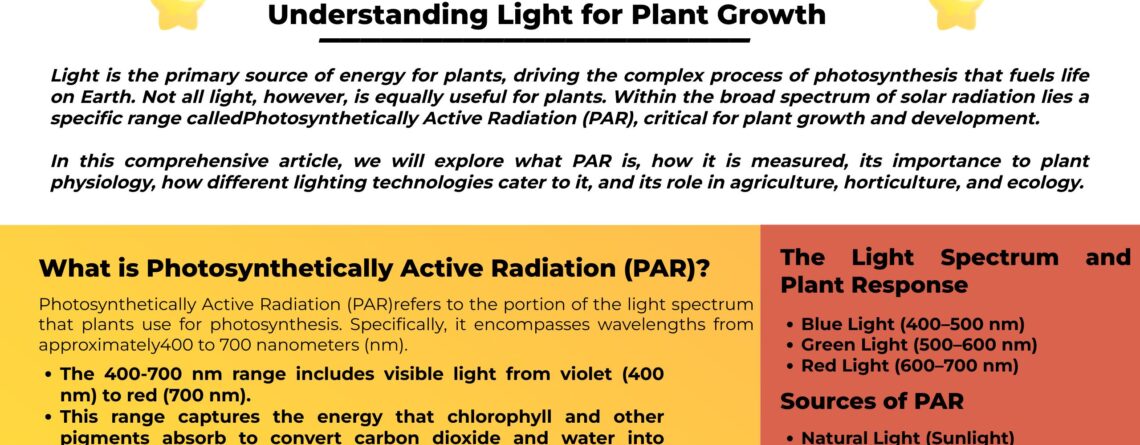
Photosynthetisch aktive Strahlung (PAR): Licht für das Pflanzenwachstum verstehen
Light is the primary source of energy for plants, driving the complex process of photosynthesis that fuels life on Earth. Not all light, however, is equally useful for plants. Within the broad spectrum of solar radiation lies a specific range called Photosynthetically Active Radiation (PAR),...
17Juli
Physik AI: Die Rolle der künstlichen Intelligenz in der modernen Physik
IntroductionArtificial Intelligence (AI) is revolutionizing countless industries, from healthcare to finance. One of the most promising and rapidly evolving intersections is Physics AI, where AI algorithms are integrated with the rigorous methodologies of physics. This fusion has opened unprecedented opportunities in theoretical modeling, experimental analysis,...
09Juli
PAR-Sensor (Photosynthetisch aktiver Strahlung): eine eingehende Anleitung
1. EinleitungLandwirtschaft, Gartenbau und Pflanzenforschung haben sich aufgrund der Fortschritte in der Sensortechnologie erheblich weiterentwickelt. Eines der entscheidenden Elemente bei der Optimierung des Pflanzenwachstums ist Licht – insbesondere der Teil des Lichts, den Pflanzen für die Photosynthese nutzen. Dies wird als photosynthetisch aktive Strahlung (PAR) bezeichnet. EIN PAR...
02Juli
Optische Sensoren: Prinzipien, Typen, Anwendungen und zukünftige Trends
Optical sensors are crucial components in modern technology, playing an essential role in various industries, from medical diagnostics to industrial automation. These sensors detect changes in light intensity, wavelength, or other optical properties to measure physical or environmental parameters. Their high accuracy, fast response time,...
27Jun
Photoakustische Spektroskopie (PAS): Prinzipien, Technologie und Anwendungen
1. IntroductionPhotoacoustic Spectroscopy (PAS) is a powerful analytical technique used to detect and measure the concentration of chemical substances through the generation of acoustic waves as a result of light absorption. First observed in the 1880s by Alexander Graham Bell, the photoacoustic effect remained a...
17Jun