12Octobre
21Août
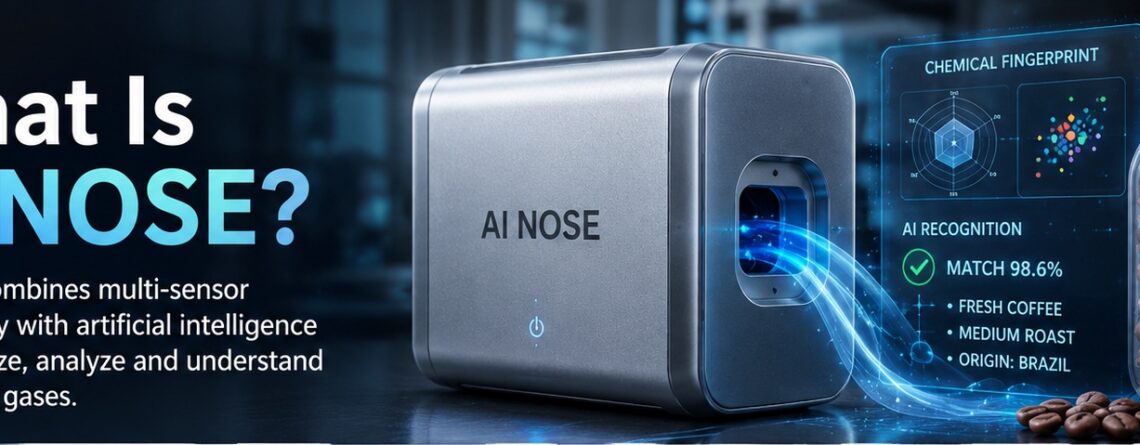
Qu'est-ce qu'un nez IA : comment fonctionnent les nez électroniques alimentés par l'IA
Artificial intelligence can recognize images, understand speech and analyze enormous amounts of data. Increasingly, machines are also learning to interpret another type of information that humans experience every day: smell. An AI Nose, also called an AI-powered electronic nose or intelligent electronic nose, combines multiple chemical...
16Juillet
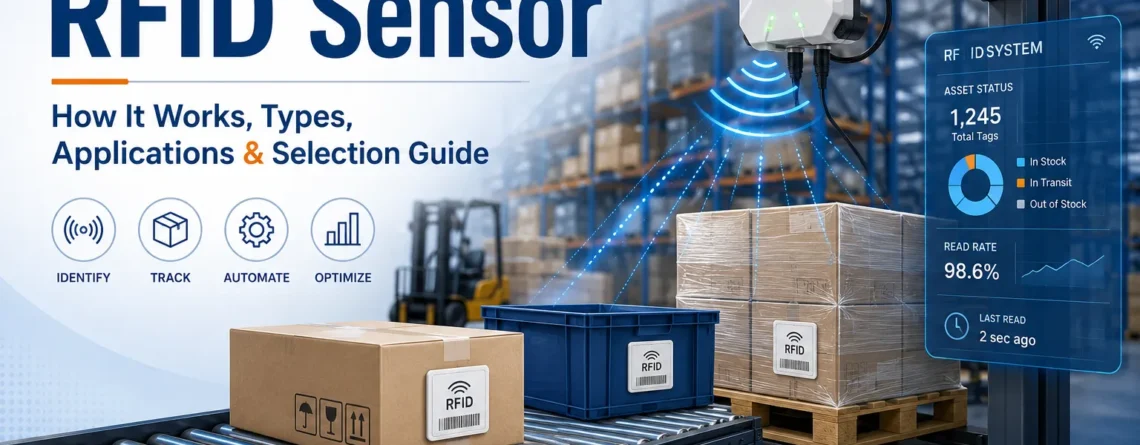
Capteur RFID : comment ça marche, types, applications et guide de sélection
Les capteurs RFID combinent l'identification sans fil avec la collecte automatisée de données, permettant aux entreprises d'identifier, de suivre et de gérer des objets sans scanner manuellement chaque article. Ils sont largement utilisés dans les entrepôts, les installations de fabrication, les hôpitaux, les magasins de détail, les bibliothèques, les systèmes de transport et les projets de gestion d'actifs industriels. Par rapport aux codes-barres conventionnels, une RFID...
22juin
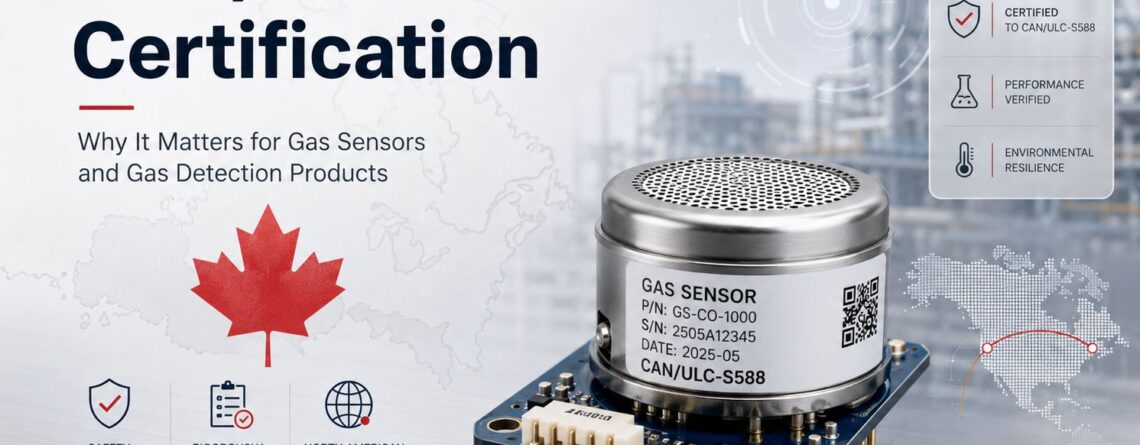
La certification CAN/ULC-S588 expliquée : pourquoi c'est important pour les capteurs de gaz et les produits de détection de gaz
For gas sensor manufacturers, gas detector brands, and system integrators targeting the North American market, certification is becoming more than a compliance requirement. It is also an important factor in customer trust, project approval, and product selection.One standard that is receiving increasing attention is CAN/ULC-S588,...
25Mar
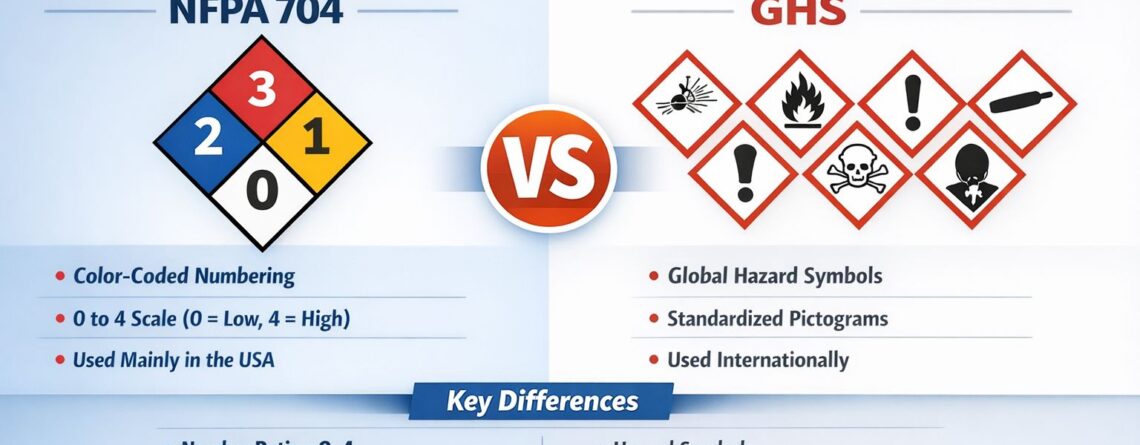
NFPA 704 vs GHS : quelle est la différence ?
NFPA 704 and GHS are both used to communicate chemical hazards, but they are not the same system and they were not designed for the same purpose. OSHA’s official comparison says NFPA 704 is intended to provide basic information for emergency personnel responding to a...
25Mar
Marquages de danger et systèmes de détection de gaz NFPA 704 : différents rôles, preuves connectées
Understand how NFPA704 material markings differ from detector qualification and installed gas detection, and connect each role to the evidence it requires.
30Déc
Qu'est-ce que la vibration : (définition, types, unités, causes et comment elle est mesurée)
What is vibration?Vibration is repetitive (oscillating) motion of an object back and forth around an equilibrium position.A motor housing shaking slightlyA fan causing a duct to buzzA bridge swaying in windA phone buzzing (intentional vibration)All of these are vibration: motion that alternates direction and repeats...
30Déc
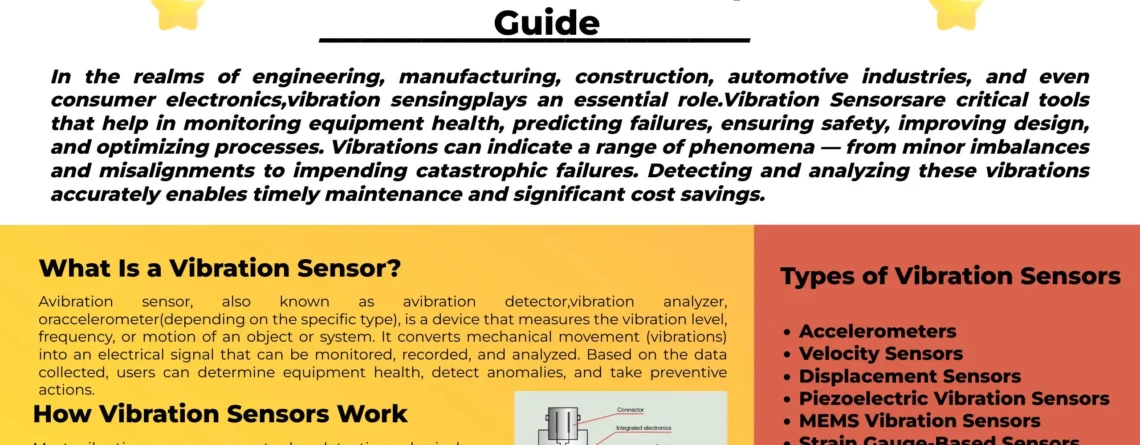
Capteurs de vibrations, principes, types, applications et tendances émergentes
1. Introduction to Vibration SensorsVibration sensors are essential devices used to detect, measure, and analyze oscillatory motions in objects, systems, or structures. These sensors convert mechanical motion into electrical signals, enabling monitoring, diagnostics, and preventive maintenance across industries such as manufacturing, aerospace, automotive, construction, and...
15Octobre
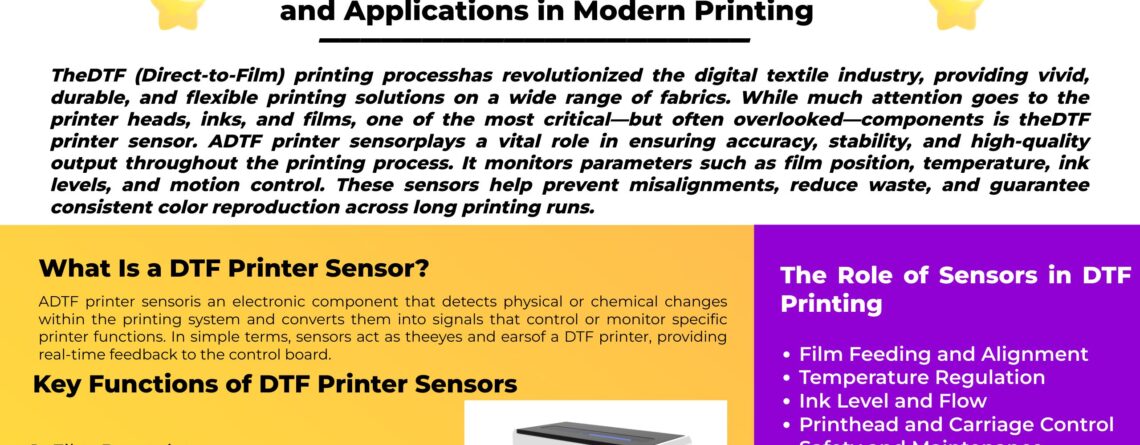
Capteur d'imprimante DTF : précision, technologie et applications dans l'impression moderne
Introduction to DTF Printer Sensor TechnologyThe DTF (Direct-to-Film) printing process has revolutionized the digital textile industry, providing vivid, durable, and flexible printing solutions on a wide range of fabrics. While much attention goes to the printer heads, inks, and films, one of the most critical—but...
15Sep