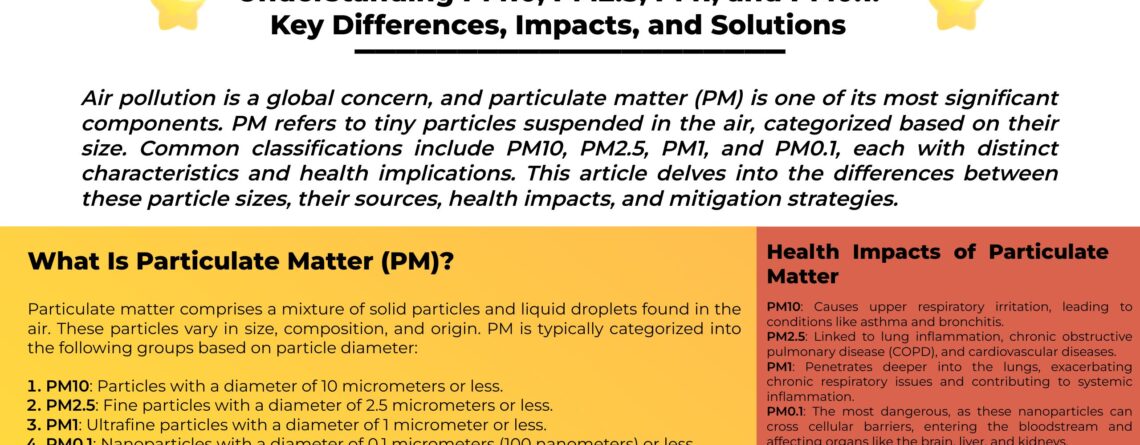
センサーワンストップ2025-01-15T09:36:27+08:00Air pollution is a global concern, and particulate matter (PM) is one of its most significant components. PM refers to tiny particles suspended in the air, categorized based on their size. Common classifications include PM10, PM2.5, PM1, and PM0.1, each with distinct characteristics and health...
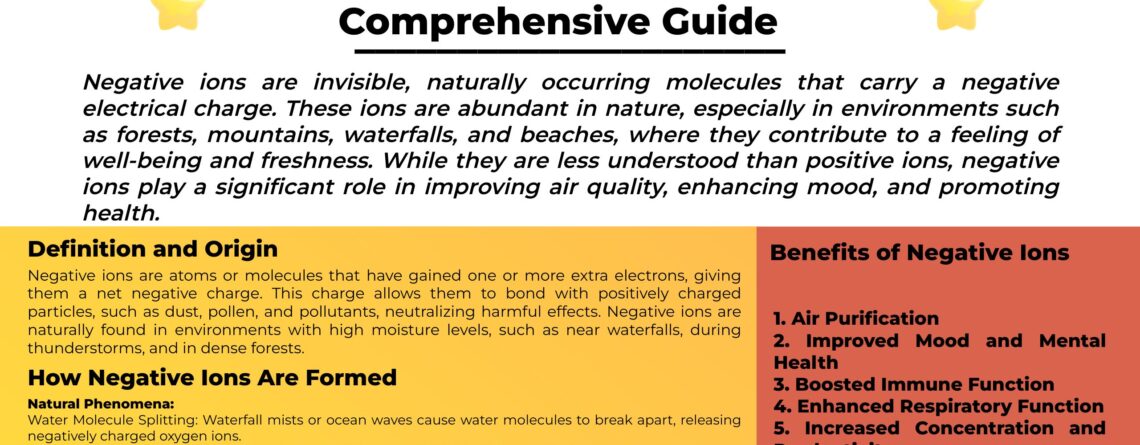
センサーワンストップ2025-01-07T10:21:56+08:00Negative ions are invisible, naturally occurring molecules that carry a negative electrical charge. These ions are abundant in nature, especially in environments such as forests, mountains, waterfalls, and beaches, where they contribute to a feeling of well-being and freshness. While they are less understood than...
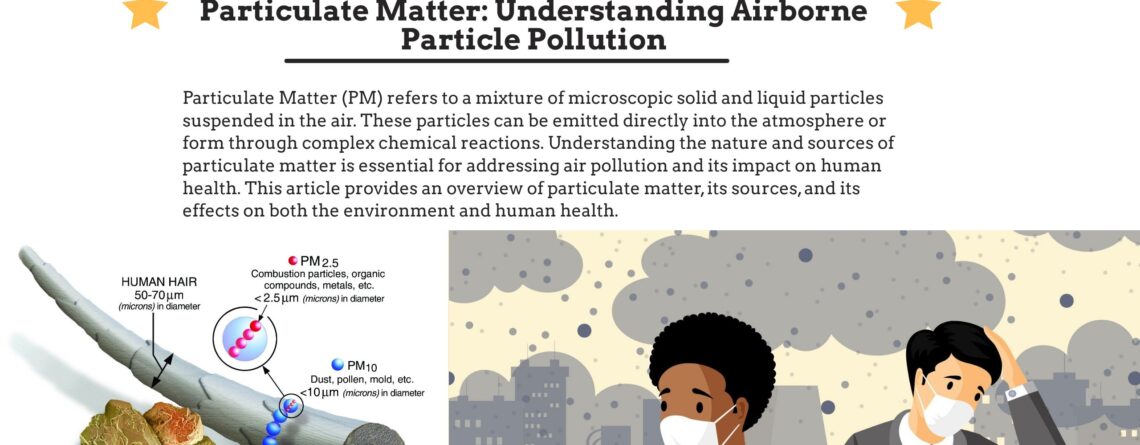
センサーワンストップ2024-11-25T13:14:17+08:00Particulate Matter (PM) refers to a mixture of microscopic solid and liquid particles suspended in the air. These particles can be emitted directly into the atmosphere or form through complex chemical reactions. Understanding the nature and sources of particulate matter is essential for addressing air...
センサーワンストップ2024-06-01T23:16:59+08:00Particulate matter (PM) is a mix of tiny particles and droplets in the air that come from various sources, both natural and human-made. These particles can have serious effects on the environment, from reducing air quality to impacting climate and damaging ecosystems. Understanding these impacts...
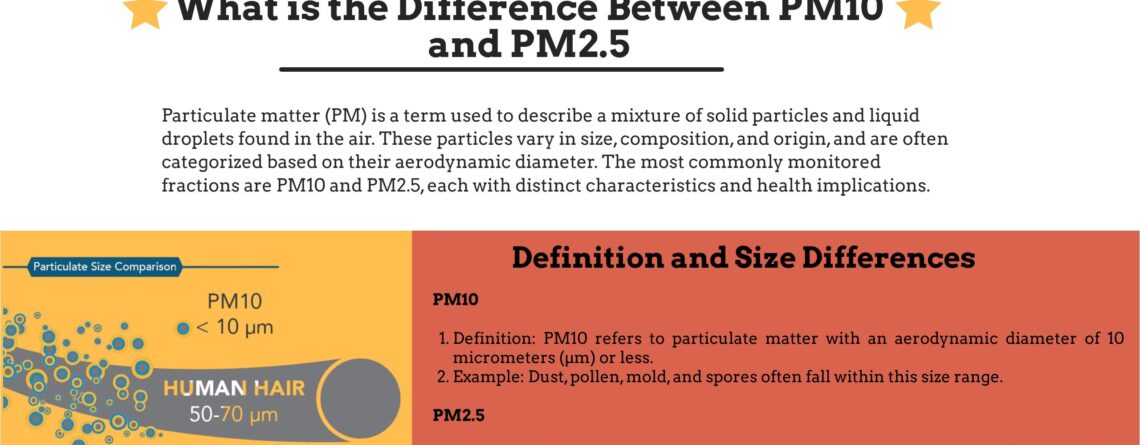
センサーワンストップ2024-11-25T13:15:08+08:00Particulate matter (PM) is a term used to describe a mixture of solid particles and liquid droplets found in the air. These particles vary in size, composition, and origin, and are often categorized based on their aerodynamic diameter. The most commonly monitored fractions are PM10...