
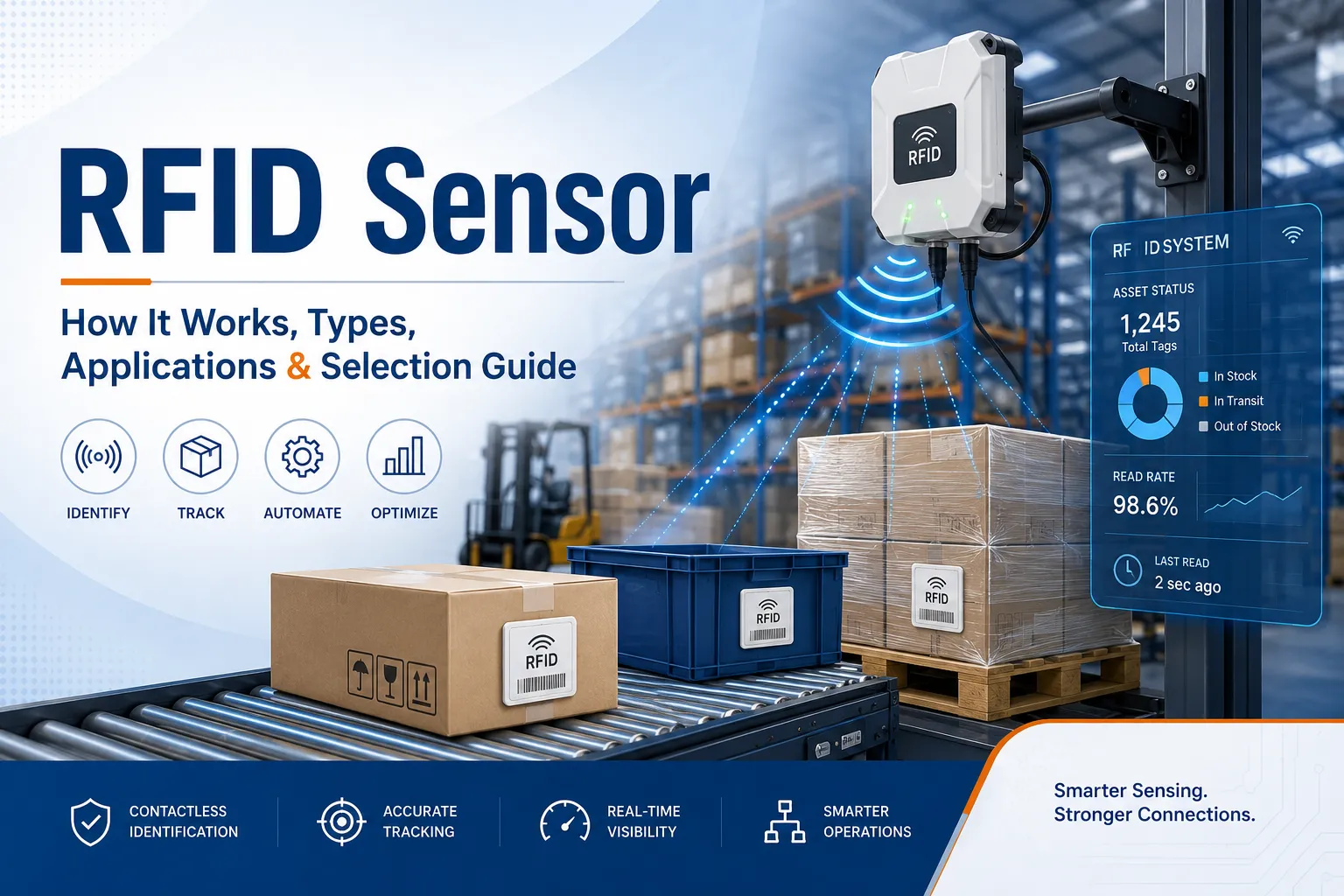
Датчики RFID сочетают беспроводную идентификацию с автоматическим сбором данных, позволяя предприятиям идентифицировать, отслеживать объекты и управлять ими без ручного сканирования каждого предмета.
Они широко используются на складах, производственных объектах, больницах, розничных магазинах, библиотеках, транспортных системах и проектах управления промышленными активами. По сравнению с обычными штрих-кодами, система RFID не всегда требует прямой видимости и может считывать несколько помеченных объектов в одной зоне считывания.
Однако термин «RFID-датчик» может иметь более одного значения. Это может относиться к считывателю RFID, который обнаруживает близлежащие метки, или к метке RFID, оснащенной чувствительным элементом, который измеряет температуру, влажность, давление, движение или другие условия окружающей среды.
Понимание этого различия важно при выборе RFID-оборудования для нового проекта.
Что такое RFID-датчик?
Датчик RFID — это беспроводное устройство или система, которая использует технологию радиочастотной идентификации для обнаружения, идентификации или мониторинга помеченных объектов.
Стандартная система RFID обычно включает в себя:
- RFID-метки, прикрепленные к объектам
- RFID-считыватель или запросчик
- Одна или несколько антенн RFID
- Интерфейсы связи
- Промежуточное ПО или программное обеспечение управления
- База данных, ERP, WMS или другая бизнес-платформа.
Считыватель посылает радиочастотный сигнал через антенну. Когда совместимая метка попадает в поле считывания, она отвечает сохраненной информацией, например уникальным идентификационным номером.
Затем программное обеспечение связывает этот идентификационный номер с конкретным продуктом, поддоном, инструментом, документом, транспортным средством, бейджем сотрудника или оборудованием.
RFID-считыватель против RFID-датчика
Хотя эти термины иногда используются как взаимозаменяемые, считыватель RFID и сенсорная метка RFID выполняют разные функции.
RFID-считыватель
Считыватель RFID связывается с близлежащими RFID-метками. В зависимости от применения это может быть:
- Стационарный RFID-считыватель
- Встроенный RFID-считыватель
- Настольная читалка
- Портативный терминал
- Считыватель ворот
- Встроенный RFID-модуль
Считыватель собирает информацию о тегах и передает ее в подключенную программную систему.
RFID-датчик тегов
Сенсорная метка RFID содержит чип RFID, антенну и один или несколько чувствительных элементов.
Помимо передачи идентификационных данных, он может собирать такую информацию, как:
- Температура
- Влажность
- Давление
- Вибрация
- Шок
- Напряжение
- Влага
- Световое воздействие
- Концентрация газа
- Открытый или закрытый статус
Например, метка датчика температуры RFID может идентифицировать фармацевтическую упаковку, а также регистрировать, подвергалась ли она воздействию температур, выходящих за пределы допустимого диапазона.
Как работает RFID-датчик?
Типичный процесс обнаружения RFID включает пять этапов.
1. Читатель генерирует радиосигнал.
RFID-считыватель генерирует радиочастотный сигнал и отправляет его на антенну.
2. Антенна создает поле чтения.
Антенна преобразует электрический сигнал в радиоволны и создает определенную зону считывания RFID.
3. RFID-метка выходит на поле
Когда совместимая метка попадает в зону считывания, она получает сигнал считывателя.
Пассивные метки получают рабочую энергию от радиочастотного поля считывателя. Активные метки используют собственные внутренние батареи.
4. Тег передает свои данные
Тег отвечает информацией, хранящейся в его памяти. В зависимости от тега это может включать в себя:
- Электронный код продукта
- Идентификационный номер тега
- Данные о продукте
- Информация о партии
- Записи о техническом обслуживании
- Измерения датчика
5. Программное обеспечение обрабатывает информацию.
Считыватель передает собранную информацию на компьютер, сервер, облачную платформу или промышленный контроллер.
Затем программное обеспечение может обновлять записи о запасах, активировать сигнал тревоги, открывать ворота, записывать этап производства или отправлять информацию в ERP или систему управления складом.
Основные типы RFID-датчиков
Датчики RFID можно классифицировать по источнику питания, диапазону частот, конфигурации считывателя и возможностям считывания.
Пассивные RFID-датчики
Пассивные RFID-метки не содержат внутренней батареи. Они получают энергию от электромагнитного поля RFID-считывателя.
К их основным преимуществам относятся:
- Компактная конструкция
- Низкая стоимость единицы
- Длительный срок эксплуатации
- Минимальное обслуживание
- Доступность во многих формах и материалах.
- Пригодность для крупномасштабного развертывания
Пассивная RFID обычно используется для:
- Розничный инвентарь
- Управление складом
- Идентификация продукта
- Отслеживание инструментов
- Управление документами
- Библиотечные системы
- Отслеживание стирки и текстиля
- Карты доступа
Фактическое расстояние считывания зависит от частоты, выходной мощности считывателя, конструкции антенны, конструкции метки, условий установки и маркируемого материала.
Активные RFID-датчики
Активные RFID-метки содержат собственную батарею и могут передавать сигналы на большее расстояние.
Их часто выбирают за:
- Отслеживание транспортных средств
- Мониторинг крупного оборудования
- Управление контейнерами
- Строительные площадки
- Горные работы
- Расположение персонала
- Системы определения местоположения в реальном времени
- Отслеживание ценных активов
Активные метки RFID обычно обеспечивают большие расстояния связи и более частую передачу данных, но они крупнее и дороже, чем пассивные метки.
Их батареи также имеют ограниченный срок службы.
Пассивные RFID-датчики с батарейным питанием
Пассивные или полупассивные RFID-метки с батарейным питанием содержат батарею, которая питает внутренний чип или чувствительный элемент.
В отличие от полностью активной метки, связь может по-прежнему зависеть от получения сигнала запроса от считывателя RFID.
Эта конструкция полезна, когда приложению требуется:
- Улучшенные характеристики восприятия
- Периодические измерения окружающей среды
- Большее расстояние считывания, чем у стандартных пассивных меток
- Более низкое энергопотребление, чем у активных систем
RFID-метки с батарейным питанием часто используются в приложениях холодовой цепи, фармацевтике и мониторинге окружающей среды.
Бесчиповые RFID-датчики
Бесчиповые RFID-датчики не используют обычную интегральную схему. Вместо этого структура метки меняет свой электромагнитный отклик в зависимости от условий измерения.
Потенциальные приложения включают в себя:
- Обнаружение влаги
- Структурный мониторинг
- Индикация температуры
- Пищевая упаковка
- Недорогой одноразовый датчик
Бесчиповая RFID остается более специализированной, чем обычная RFID на основе чипа, и может потребовать использования считывателей и методов обработки сигналов, ориентированных на конкретные приложения.
Диапазоны частот RFID
Рабочая частота влияет на расстояние считывания, скорость передачи данных, размер метки, экологические характеристики и соответствие региональным стандартам.
Низкочастотная RFID
Низкочастотная RFID обычно используется для идентификации на небольших расстояниях.
Типичные области применения включают в себя:
- Идентификация животных
- Иммобилайзеры автомобилей
- Контроль доступа
- Промышленная идентификация
НЧ-системы обычно относительно хорошо работают при работе с водой и некоторыми сложными материалами, но обычно они обеспечивают более короткие расстояния считывания и более низкую скорость передачи данных.
Высокочастотная RFID
Высокочастотная RFID включает системы, обычно работающие на частоте 13,56 МГц.
Типичные области применения включают в себя:
- Смарт-карты
- Управление библиотекой
- Начисление оплаты
- Аутентификация продукта
- Связь ближнего радиуса действия
- Контроль доступа
HF RFID обеспечивает контролируемую связь на небольшом расстоянии и подходит для приложений, требующих сознательного взаимодействия с пользователем.
Сверхвысокочастотная RFID
UHF RFID широко используется в логистике, розничной торговле, производстве и автоматизации складов.
К его преимуществам относятся:
- Увеличенное расстояние чтения
- Быстрая идентификация тегов
- Высокая скорость чтения
- Поддержка нескольких тегов
- Доступность недорогих пассивных этикеток.
На работу UHF RFID могут влиять металл, жидкости, ориентация меток и помехи. Поэтому антенны и метки необходимо выбирать и размещать в соответствии с реальной средой установки.
Распространенные области применения RFID-датчиков
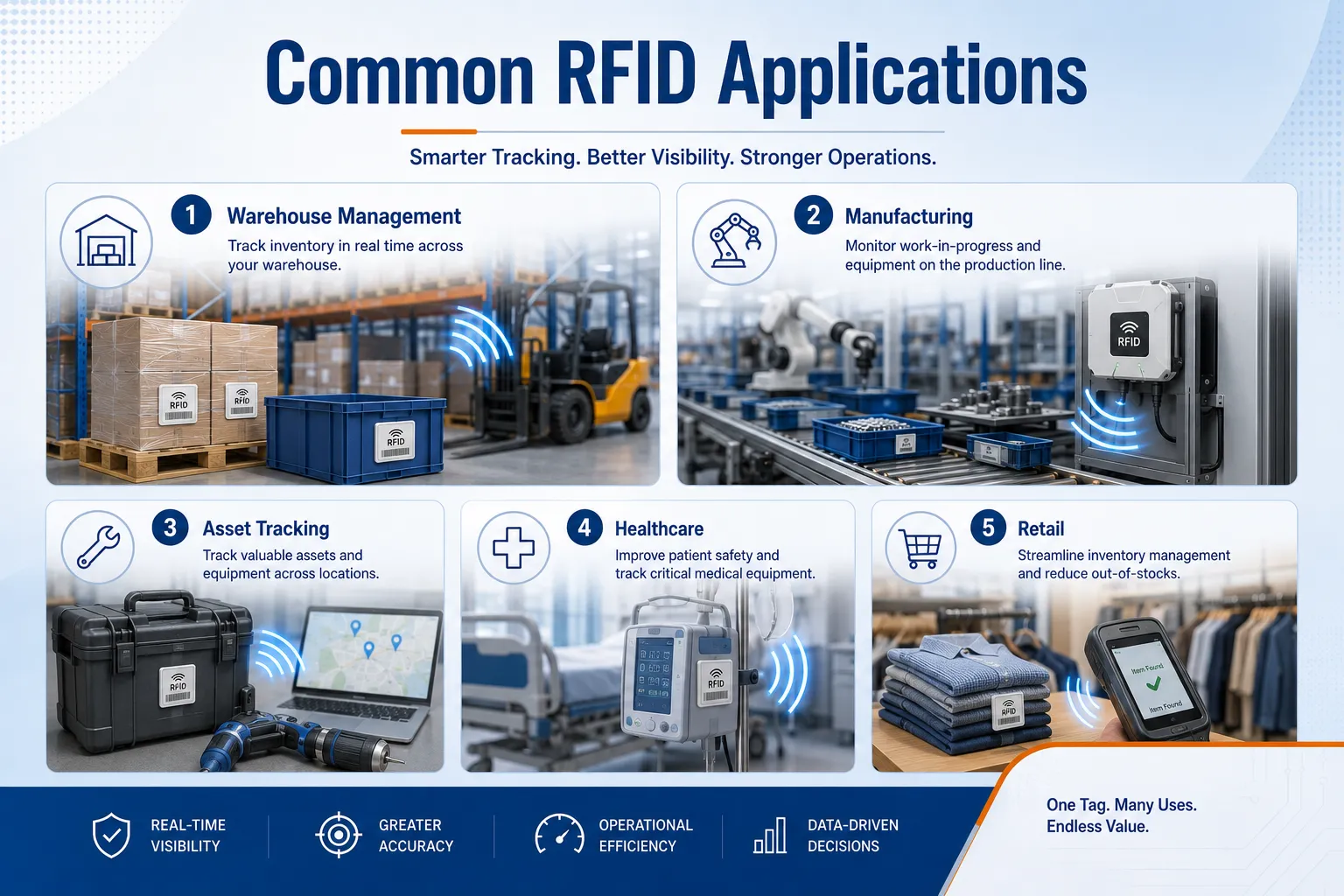
Управление запасами
Датчики RFID могут автоматически идентифицировать маркированные продукты, коробки и поддоны при их перемещении по складам или распределительным центрам.
Система может поддерживать:
- Получение подтверждения
- Инвентарный подсчет
- Подтверждение размещения
- Проверка выбора
- Проверка доставки
- Циклический подсчет
- Управление складскими запасами
Поскольку в одной зоне считывания можно обнаружить несколько меток, RFID может сократить объем ручного сканирования, необходимого при больших объемах операций.
Отслеживание промышленных активов
Компании могут прикреплять RFID-метки к инструментам, инструментам, формам, испытательному оборудованию и другим ценным активам.
Считыватели RFID, размещенные в складских помещениях, на входах в производство или на выходах из мастерских, могут фиксировать, когда актив входит или покидает контролируемую зону.
Это помогает организациям:
- Находите оборудование быстрее
- Уменьшить потери
- Повышение доступности инструментов
- Запись об использовании активов
- Поддержка управления калибровкой
- Улучшите планирование технического обслуживания
Отслеживание производства и незавершенного производства
Датчики RFID могут идентифицировать компоненты, носители и заготовки на разных производственных станциях.
Собранные данные могут быть использованы для:
- Проверьте правильный материал
- Запись этапов производства
- Предотвратить ошибки сборки
- Отслеживайте незавершенную работу
- Связывание продуктов с результатами проверки
- Улучшение отслеживания производства
RFID особенно полезен, когда штрих-коды легко повреждаются, загрязняются или скрываются во время производства.
Мониторинг холодовой цепи
Сенсорные метки RFID могут сочетать идентификацию продукта с контролем температуры или влажности.
Приложения включают в себя:
- Вакцина
- Лекарства
- Биологические образцы
- Свежие продукты
- Замороженные продукты
- Химикаты
- Чувствительная к температуре электроника
Система может связать каждую экологическую запись с конкретной отправкой, контейнером или упаковкой.
Однако систему датчиков RFID не следует автоматически рассматривать как замену сертифицированного регистратора данных. Требуемая точность, калибровка, интервал отбора проб и нормативная документация должны оцениваться для каждого применения.
Здравоохранение и управление лабораториями
Больницы и лаборатории используют RFID для:
- Отслеживание медицинского оборудования
- Идентификация образца
- Менеджмент медицины
- Идентификация пациента
- Отслеживание хирургических инструментов
- Отслеживание продуктов крови
- Управление бельем
RFID может сократить время, затрачиваемое на поиск оборудования, и улучшить прозрачность сложных рабочих процессов в здравоохранении.
Розничная торговля и одежда
Розничные торговцы могут прикреплять этикетки UHF RFID к отдельным продуктам и предметам одежды.
RFID поддерживает:
- Быстрый подсчет запасов
- Видимость запасов на уровне товара
- Пополнение
- Выполнение заказа
- Самовывоз
- Проверка возврата
- Анализ предотвращения потерь
RFID может быть особенно ценным для предприятий, управляющих как физическими магазинами, так и онлайн-каналами продаж, поскольку точные данные о запасах поддерживают омниканальное выполнение заказов.
Контроль доступа и идентификация персонала
RFID-карты, брелоки, браслеты и бейджи можно использовать для идентификации уполномоченного персонала.
Общие приложения включают в себя:
- Доступ в офис
- Входы на завод
- Гостиничные номера
- События
- Управление кампусом
- Парковочные системы
- Системы членства
Чувствительные проекты контроля доступа должны сочетать RFID-идентификацию с подходящим шифрованием, аутентификацией, управлением разрешениями и контрольными записями.
Отслеживание прачечной и текстиля
Моющиеся RFID-метки можно использовать в униформе, гостиничном белье, больничном текстиле и промышленной одежде.
Система может записывать:
- Текстильная собственность
- Циклы стирки
- Распределение
- Коллекция
- Сортировка
- Замена
- Потеря
Выбранная бирка должна выдерживать ожидаемую температуру стирки, химикаты, давление, процесс сушки и механическое воздействие.
Преимущества RFID-датчика
Не требуется прямая видимость
RFID-метки могут быть обнаружены без размещения напечатанного кода непосредственно перед сканером.
Можно прочитать несколько тегов
Правильно спроектированная система RFID может идентифицировать несколько меток в зоне считывания.
Автоматизированный сбор данных
Стационарные считыватели могут собирать данные, когда объекты проходят через двери, конвейеры, производственные станции или ворота склада.
Уникальная идентификация предмета
Отдельные товары могут иметь уникальные электронные идентификаторы, даже если продукты кажутся физически идентичными.
Перезаписываемая память
Некоторые RFID-метки позволяют авторизованным системам обновлять выбранные поля памяти.
Гибкий дизайн тегов
RFID-метки доступны в следующих вариантах:
- Клейкие этикетки
- Жесткие теги
- Карты
- Брелки
- Браслеты
- Теги для стирки
- Бирки для кабельных стяжек
- Металлические бирки
- Высокотемпературные метки
- Встроенные теги
Ограничения RFID-датчика
RFID не подходит автоматически для каждого проекта отслеживания.
Взаимодействие металлов и жидкостей
Металлические поверхности могут отражать радиоволны, а жидкости могут поглощать радиочастотную энергию. Эти эффекты особенно важны в системах UHF RFID.
Могут потребоваться металлические бирки, прокладки, специальные антенны и проверка установки.
Нежелательное чтение тегов
Считыватель может обнаружить метки за пределами предполагаемой области, если зона считывания не контролируется должным образом.
Мощность считывателя, направление антенны, экранирование и программные фильтры должны быть настроены тщательно.
Ориентация тега
Угол между антенной считывателя и антенной метки может повлиять на качество считывания.
Антенны с круговой поляризацией могут помочь, когда ориентация метки непредсказуема, хотя тестирование приложения все равно необходимо.
Системная интеграция
Данные RFID должны быть связаны с бизнес-процессами. Сама по себе установка считывателя не создает полноценного решения для инвентаризации или управления активами.
Промежуточное программное обеспечение и программное обеспечение должны обрабатывать:
- Повторяющиеся чтения
- Фильтрация
- Логика событий
- Проверка данных
- Управление устройствами
- Интеграция с базой данных
- Обработка исключений
Конфиденциальность и безопасность
Системы RFID могут обрабатывать информацию, связанную с продуктами, сотрудниками, клиентами или разрешениями на доступ.
Проекты должны учитывать:
- Шифрование данных
- Аутентификация
- Защита памяти тегов
- Контроль доступа
- Сетевая безопасность
- Политика хранения данных
- Соответствующие требования конфиденциальности
RFID-датчик против штрих-кода
| Особенность | RFID-датчик | Штрих-код |
|---|---|---|
| Метод чтения | Радиочастотная связь | Оптическое сканирование |
| Прямая видимость | Обычно не требуется | Необходимый |
| Чтение нескольких пунктов | Поддерживается во многих системах | Обычно один код за раз |
| Расстояние чтения | Зависит от типа и конфигурации RFID | Обычно короткий |
| Стоимость тега | Обычно выше | Обычно ниже |
| Видимость при печати | Не требуется | Напечатанный код должен оставаться читаемым |
| Память | Может содержать записываемые поля | Обычно фиксированные печатные данные |
| Чувствительность к металлам и жидкостям | Может повлиять на производительность | Обычно менее затронуты |
| Сложность системы | Выше | Ниже |
Технологии RFID и штрих-кодов не всегда должны конкурировать. Многие проекты используют оба.
Например, RFID-этикетка может также включать напечатанный штрих-код, чтобы сотрудники могли сканировать товар вручную, когда RFID-оборудование недоступно.
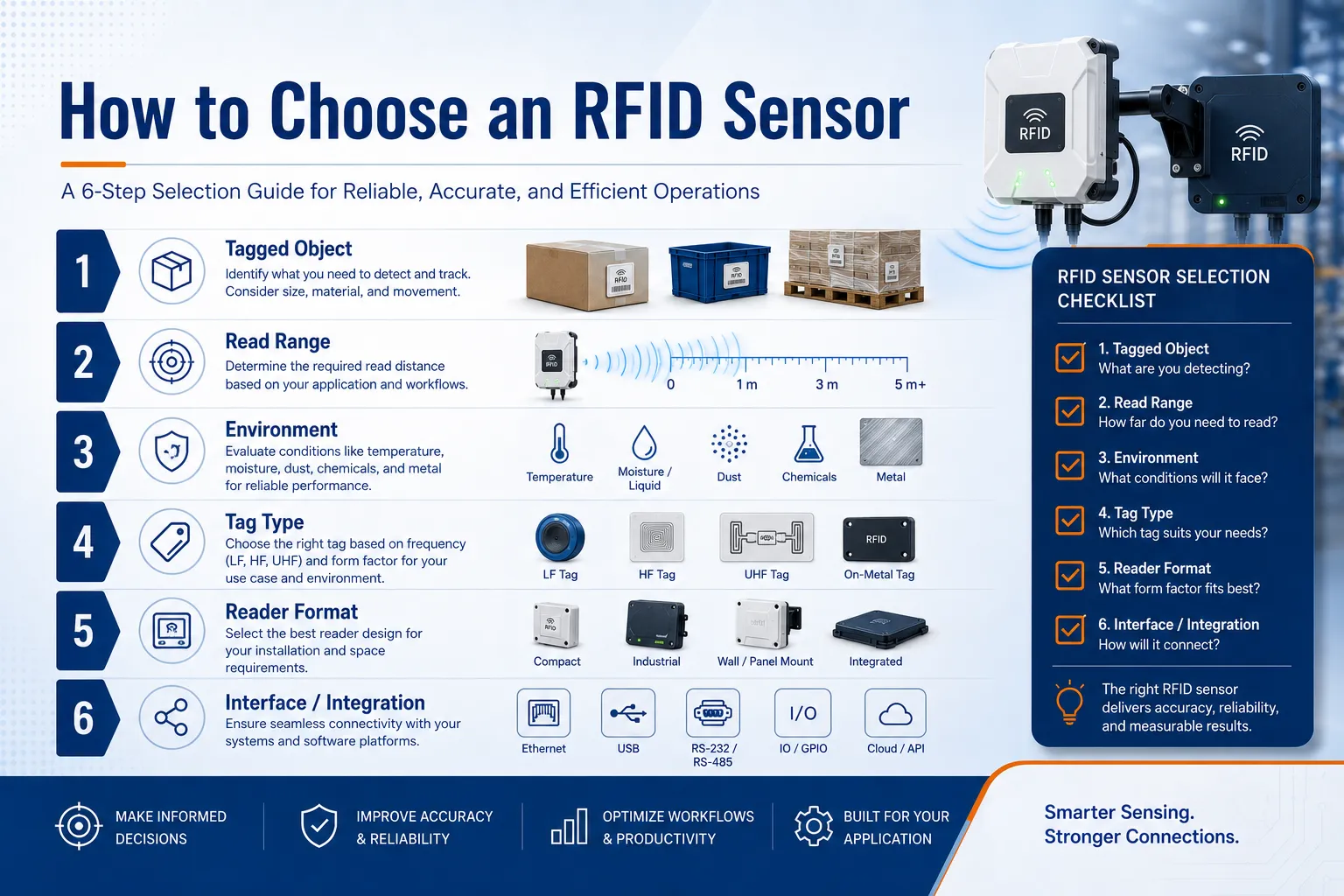
Как выбрать RFID-датчик
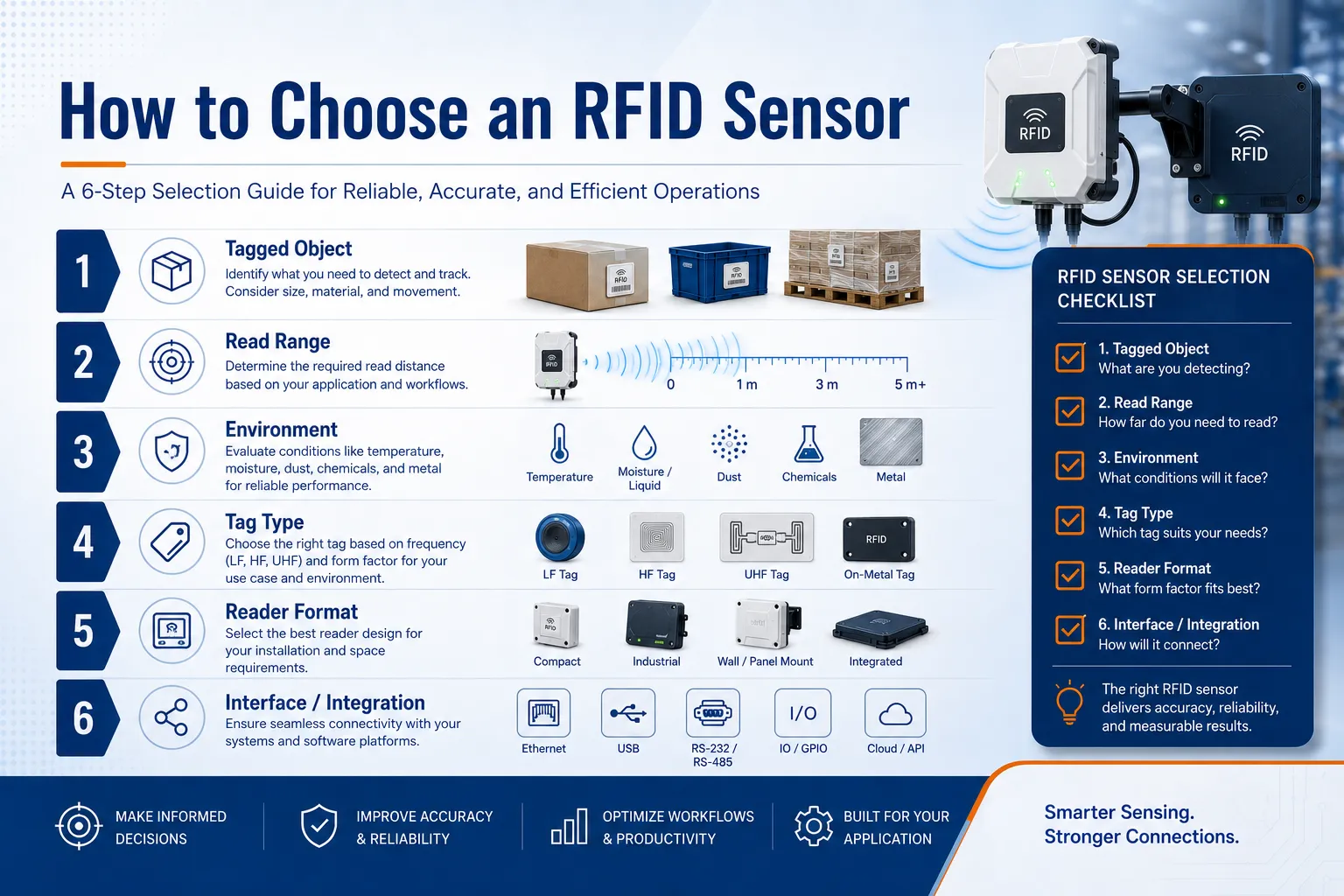
Прежде чем приобретать оборудование RFID, четко определите условия проекта.
1. Определите объект
Определите, что будет отмечено:
- Отдельные продукты
- Картонные коробки
- Поддоны
- Инструменты
- Документы
- Транспортные средства
- Люди
- Животные
- Металлическое оборудование
- Контейнеры для жидкости
Размеченный материал напрямую влияет на выбор тега.
2. Определите необходимое расстояние чтения.
Для настольной станции кодирования может потребоваться лишь небольшое расстояние считывания, тогда как для складских ворот или проекта управления транспортными средствами может потребоваться гораздо большая контролируемая зона считывания.
Большее расстояние чтения не всегда лучше. Чрезмерный диапазон может привести к нежелательному чтению.
3. Определите количество тегов
Оцените, сколько меток может одновременно присутствовать в зоне чтения.
Приложения с высокой плотностью требуют подходящей производительности считывателя, размещения антенн и программной фильтрации.
4. Оцените окружающую среду
Учитывать:
- Внутренняя или наружная установка
- Пыль
- Вода
- Химикаты
- Вибрация
- Влияние
- Экстремальные температуры
- Металлические конструкции
- Беспроводное оборудование поблизости
Для промышленного применения могут потребоваться прочные корпуса, специальные метки и защищенные кабельные соединения.
5. Выберите формат чтения.
Выбирайте между:
- Встроенный RFID-модуль
- Настольная читалка
- Встроенный считыватель
- Фиксированный многопортовый считыватель
- Портативный читатель
- Ворота доступа
- Интеллектуальное RFID-устройство
Для проектов, требующих считывателей, модулей, портативных терминалов, антенн или УВЧ-меток, доступны Аппаратные решения RFID от Syncotek может стать полезной отправной точкой для сравнения различных форматов устройств. Категория RFID компании Syncotek включает модули УВЧ, встроенные считыватели, стационарные считыватели, настольные считыватели, ворота доступа, портативные устройства, антенны и RFID-метки.
6. Подтвердите интерфейсы связи.
Общие интерфейсы включают в себя:
- USB
- RS232
- RS485
- Ethernet
- Wi-Fi
- Bluetooth
- Виганд
- GPIO
- МОЖЕТ
- Uart
Выбранный интерфейс должен быть совместим с системой управления, компьютером, контроллером доступа или промышленной сетью.
7. Проверьте региональные требования к частоте.
Распределение частот UHF RFID и разрешенная мощность передачи различаются в зависимости от страны или региона.
Оборудование должно соответствовать правилам места установки. Не выбирайте считыватель только по максимально заявленному расстоянию.
8. Проведите тестирование на месте
Производительность RFID зависит от всей среды.
Правильный тест должен использовать:
- Фактически помеченные объекты
- Предполагаемые теги
- Планируемый читатель
- Планируемые антенны
- Реалистичная скорость объекта
- Реалистичное количество тегов
- Окончательное место установки
Тестирование нескольких моделей тегов зачастую более надежно, чем выбор тега только из спецификации.
Часто задаваемые вопросы
Является ли RFID-считыватель датчиком?
Считыватель RFID можно рассматривать как тип сенсорного или обнаруживающего устройства, поскольку он обнаруживает RFID-метки и взаимодействует с ними.
Однако он не обязательно измеряет переменные окружающей среды. Настоящая сенсорная метка RFID включает в себя дополнительный чувствительный элемент для температуры, влажности, давления или другого физического состояния.
Могут ли RFID-датчики работать без батареек?
Пассивные RFID-метки работают без внутренних батарей. Они получают рабочую энергию от радиочастотного поля читателя.
Активные и RFID-датчики с батарейным питанием используют батареи для обеспечения большей дальности, повторных измерений или автономного сбора данных.
Могут ли RFID-датчики считывать сквозь стены?
Сигналы RFID могут проходить через определенные неметаллические материалы, но производительность зависит от частоты, материала стен, мощности считывателя, конструкции антенны и окружающей среды.
Не следует предполагать, что RFID надежно работает сквозь стены без испытаний.
Можно ли использовать RFID-датчики на металле?
Да, но стандартные RFID-метки часто работают плохо, если прикрепить их непосредственно к металлу.
Металлические RFID-метки включают в себя конструкции, которые изолируют или настраивают антенну для работы на металлических поверхностях.
Как далеко может считывать RFID-датчик?
Для всех RFID-систем не существует единого расстояния считывания.
Диапазон чтения зависит от:
- Частота
- Пассивная или активная работа
- Вывод считывателя
- Усиление антенны
- Чувствительность тега
- Ориентация тега
- Среда установки
- Местные правила
Практическое расстояние чтения должно быть проверено при окончательном применении.
Могут ли RFID-датчики измерять температуру?
Да. Метки датчика температуры RFID сочетают в себе интерфейс RFID с чувствительным к температуре элементом.
В зависимости от конструкции метка может передавать текущие показания, сохранять исторические измерения или обеспечивать индикацию порогового значения.
RFID лучше, чем штрих-код?
RFID полезен, когда проект требует автоматической идентификации, считывания нескольких меток, работы вне прямой видимости или более надежной идентификации.
Штрих-коды остаются подходящими, когда основными требованиями являются низкая стоимость, визуальная идентификация и простое сканирование по одному.
Заключение
Датчики RFID обеспечивают гибкий способ подключения физических объектов к цифровым системам управления.
Базовая система RFID может автоматически идентифицировать продукты и активы, а усовершенствованные сенсорные RFID-метки также могут контролировать условия окружающей среды, такие как температура, влажность, вибрация или давление.
Успешное развертывание зависит не только от выбора считывателя с наибольшей заявленной дальностью действия. Предприятия должны оценить материал метки, частоту, движение объекта, зону считывания, размещение антенны, интерфейс связи, интеграцию программного обеспечения и региональные правила.
Протестировав всю систему в реальных условиях эксплуатации, организации могут создать решение RFID, которое улучшит отслеживаемость, видимость запасов, использование активов и автоматизацию процессов.
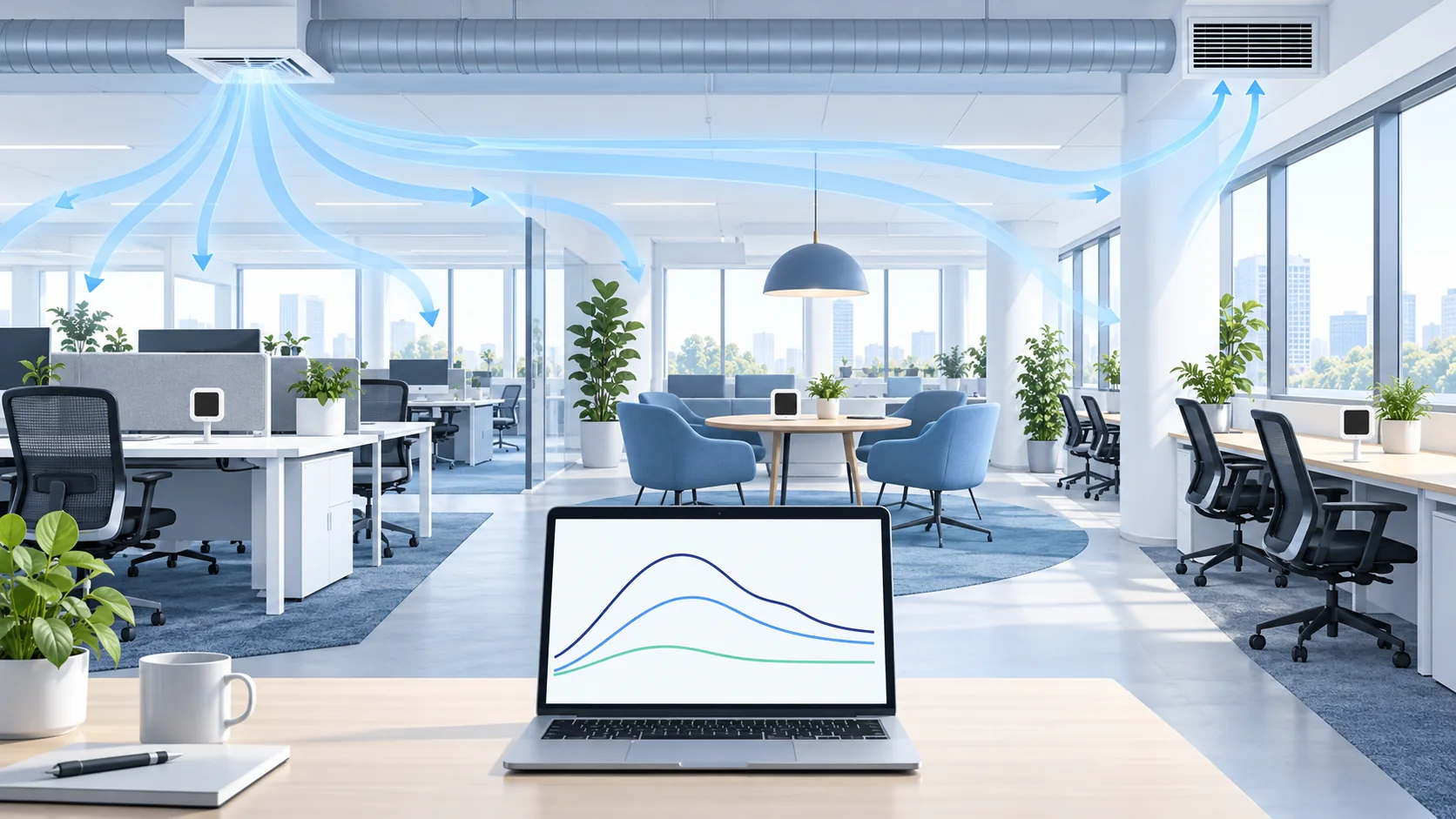
How to Compare CO2 Readings Across Open-Plan Office Zones
Compare synchronized office-zone CO2 logs after checking monitor agreement, location, occupancy and air-system events; learn when a zone difference warrants investigation.
Читать далее
How to Read a Meeting Room CO2 Trend Against Occupancy
Read meeting-room CO2 trends with occupancy and ventilation events, distinguishing starting level, occupied rise, intervention and post-meeting decline.
Читать далее
How to Plan CO2 Monitor Placement in an Office
Plan representative office CO2 monitor locations by measurement purpose, occupancy and air paths, then verify positions and log context before using the data.
Читать далее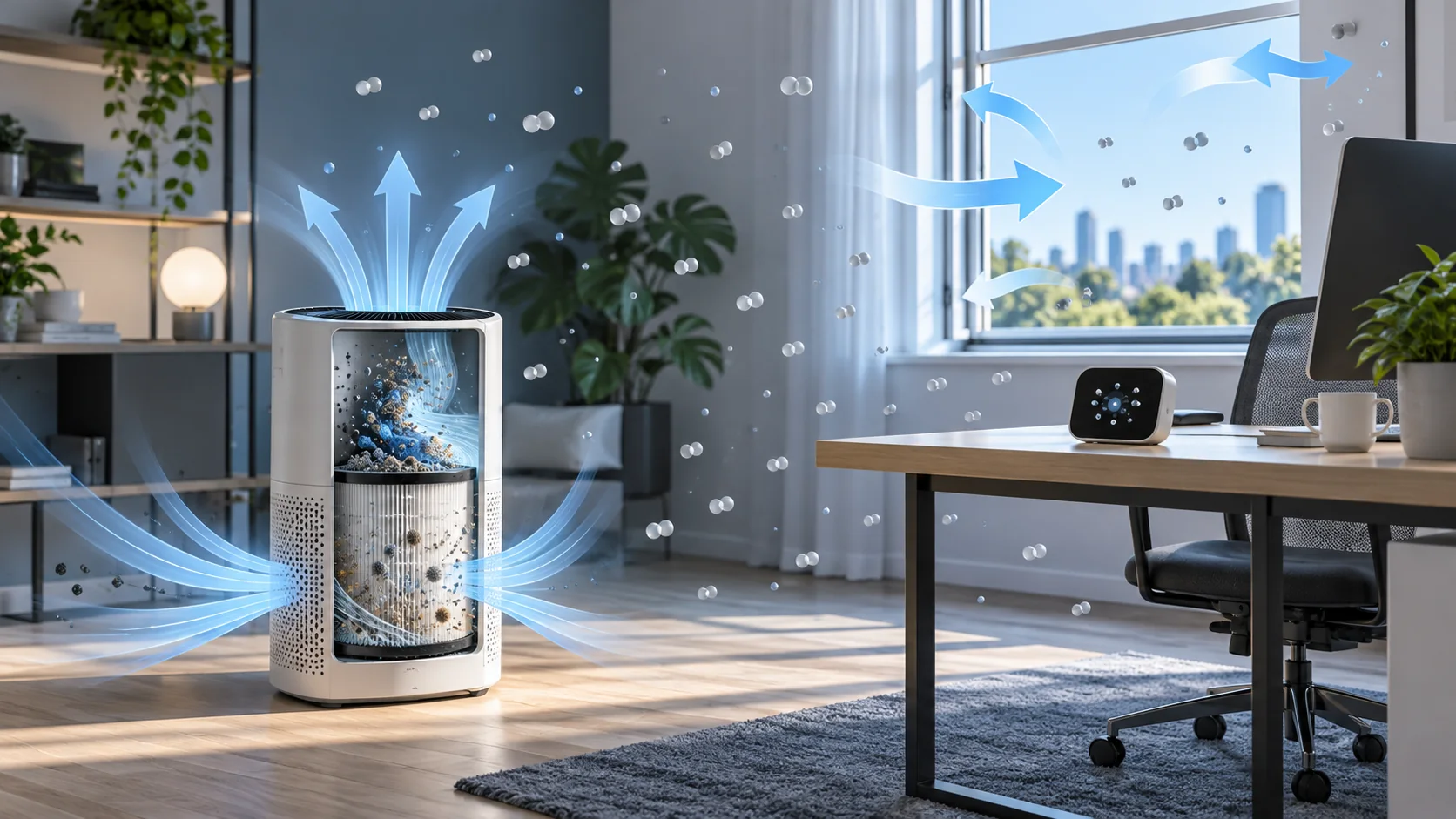
Снижают ли очистители воздуха выбросы CO2? Отдельная фильтрация от наружного воздухообмена
Обычные очистители HEPA улавливают частицы, но не удаляют существенно CO2, образующийся в помещении. Научитесь разделять рециркуляцию и вентиляцию наружного воздуха и отслеживать эффекты смешивания.
Читать далее
Как читать журнал CO2 в спальне за ночь
Интерпретируйте следы CO2 в спальне ночью, используя его начальный уровень, подъем, плато и утреннюю реакцию, одновременно проверяя качество регистратора, воздушные пути и сопоставимые ночи.
Читать далее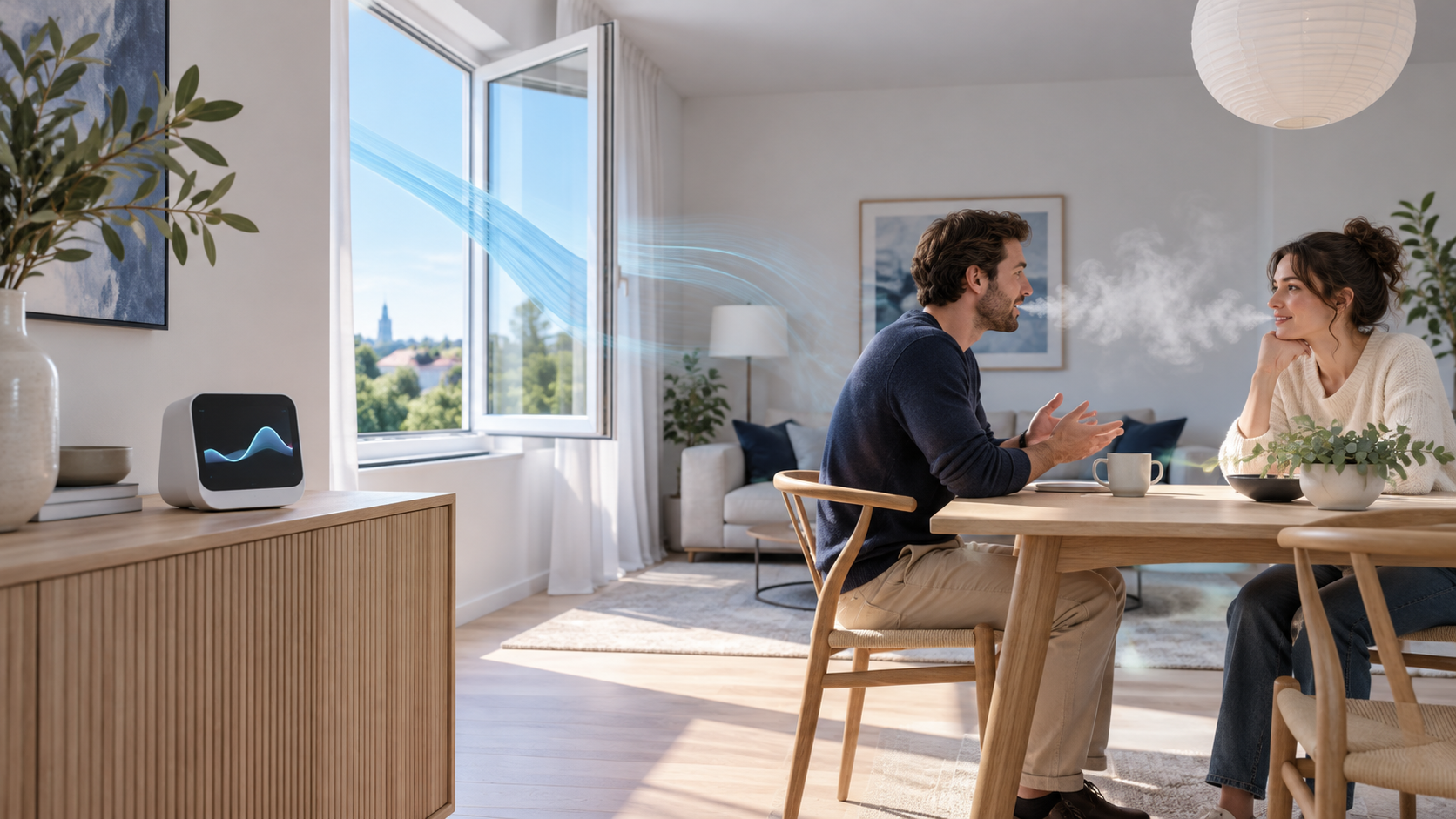
Как интерпретировать тенденции выбросов CO2 дома: читайте закономерность, а не одну цифру
Узнайте, как занятость, наружный воздух, смешивание помещений и размещение мониторов влияют на следы CO2 в доме, и используйте повторяемый журнал для проверки изменений вентиляции.
Читать далее