
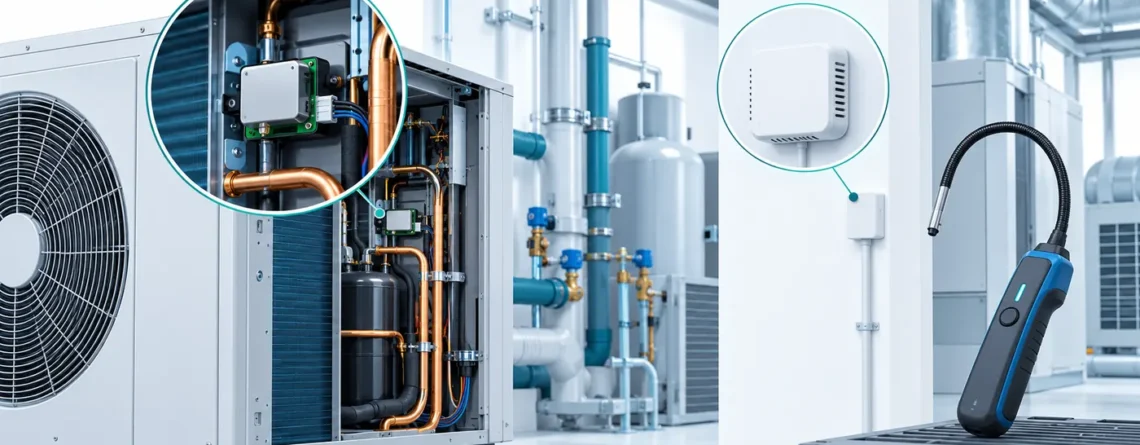
A refrigerant sensor does not have one universal job. An installed room monitor watches for refrigerant in the surrounding air; an embedded refrigerant detection system (RDS) can trigger an equipment-specific mitigation sequence; a service instrument helps locate a leaking joint; and an identifier tests what is inside a system or cylinder before service. The sample, output, response requirement, and evidence needed to accept each instrument are different. Select the measurement task first, then the sensing technology and model.
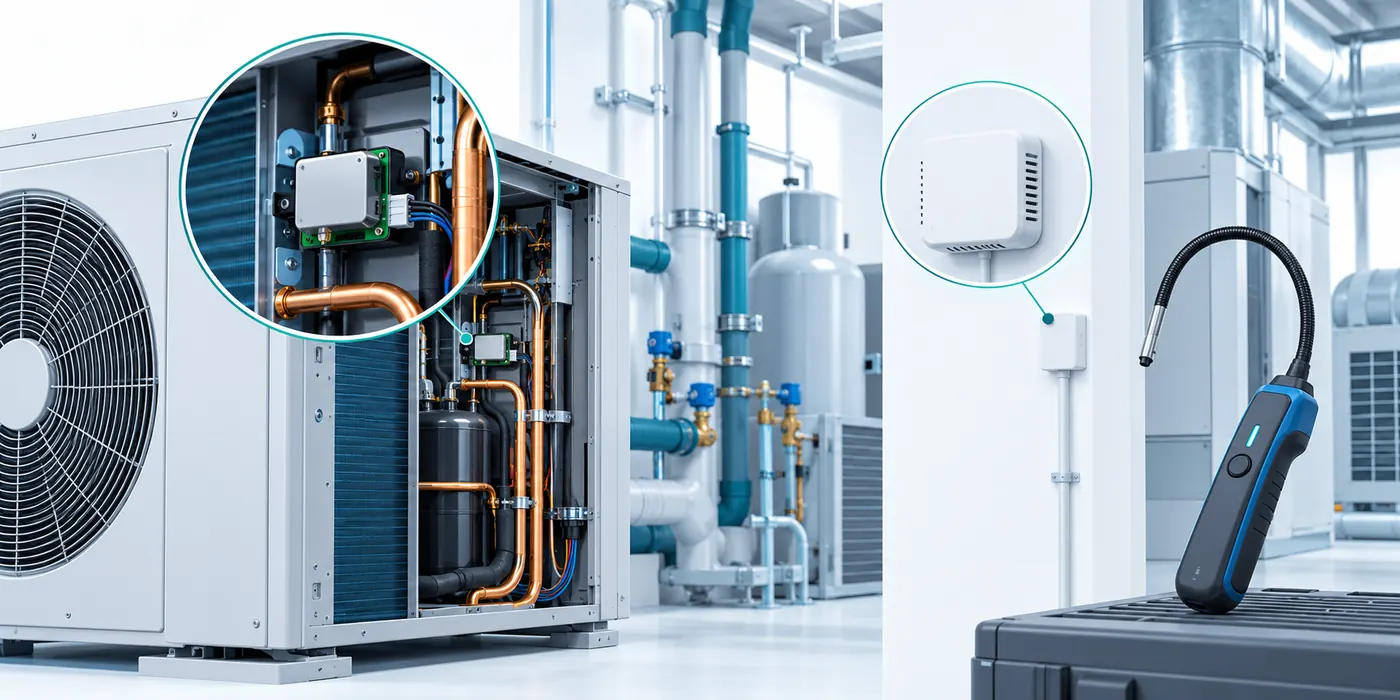
This distinction matters when an apparently suitable detector fails at the real task. A handheld probe that responds strongly beside a leaking fitting may not continuously supervise a room. A fixed detector's low ambient concentration reading does not prove a sealed circuit has the correct charge. A sensor advertised for “refrigerants” may have a calibration for one refrigerant and a substantially different response to another. This guide starts with the decision the measurement must support, rather than a list of sensor types.
Start with the question the reading must answer
| 工作 | Sample and location | Useful output | Decision the reading supports | 它沒有建立什麼 |
|---|---|---|---|---|
| Early leak indication | Air at one or more monitored points | Target-gas concentration, trend, alarm state | Investigate an abnormal release | 精確洩漏接頭或冷媒充填量 |
| 房間或占用空間保護 | 在實際通風模式下釋放物可能積聚的空氣 | 濃度和經過驗證的警報/控制狀態 | 警告人們或開始設計回應 | 僅僅因為存在感測器就符合要求 |
| 嵌入式設備緩解 | 根據其設計選擇的設備位置中的空氣 | 驗證檢測和故障訊號進入設備控制 | 執行設備特定的緩解序列 | 通用房間自身保護 |
| 服務洩漏位置 | 透過移動探頭對可疑部件周圍的空氣進行採樣 | 存在或相對響應,有時是指定的洩漏率靈敏度 | 縮小修復源頭 | 各種現場條件下的室內環境暴露或絕對洩漏率 |
| 冷媒識別 | 來自鋼瓶或密封系統的受控樣品 | Identity, pass/fail or composition within the instrument's scope | 避免混合或加註錯誤的冷媒 | 組件是否洩漏到室內空氣中 |
最後一行是故意包含的,因為標識符在日常對話中通常被稱為冷媒檢測器。其樣本是所含的冷媒,而不是設備周圍的空氣。我們詳細研究它 冷媒辨識與濃度測量。
這 U.S. EPA's description of automatic leak detection 也分開 直接的 測量空氣中冷媒的系統 間接 系統,從設備參數推斷問題。溫度、壓力、液位或流量等間接證據是有用的,但它不是環境氣體測量。選擇取決於特定的應用和適用的規則;這些術語不應合併為單一「感測器精度」規範。
工作一:檢測環境空氣中的冷媒
直接偵測器對洩漏冷媒可能到達的位置進行採樣。其感測元件將物理或化學響應轉換為訊號,然後電子設備應用補償、過濾、校準、故障檢測和警報邏輯。顯示的數字(如果有)是整個測量鏈的結果。它不是感測元件的原始屬性。
環境讀數通常以濃度表示,例如體積百萬分之一 (ppmv)。應用程式可能會使用定義的可燃性極限的一小部分,但此顯示取決於冷媒、參考極限、校準和儀器配置。如果沒有這些輸入,極限百分比顯示不能與 ppm 顯示互換。兩種輸出都無法單獨告訴您已逸出的冷媒的品質:房間濃度還取決於釋放速率、房間體積、混合、通風、感測器位置和時間。
Consider two identical leaks. A detector near a poorly ventilated recess may see a sharp increase while another in a swept airflow path sees little change. Moving the sensor can change the observed concentration more than changing the sensing element. The placement exercise therefore begins with the possible release points, the equipment enclosure, barriers, doors, fans and realistic airflow states. Gas density can inform that exercise, but the simple rule “put every detector near the floor” fails when discharge momentum, temperature gradients and ventilation dominate transport. A designer should use the actual equipment and applicable installation instructions, then verify the commissioned location.
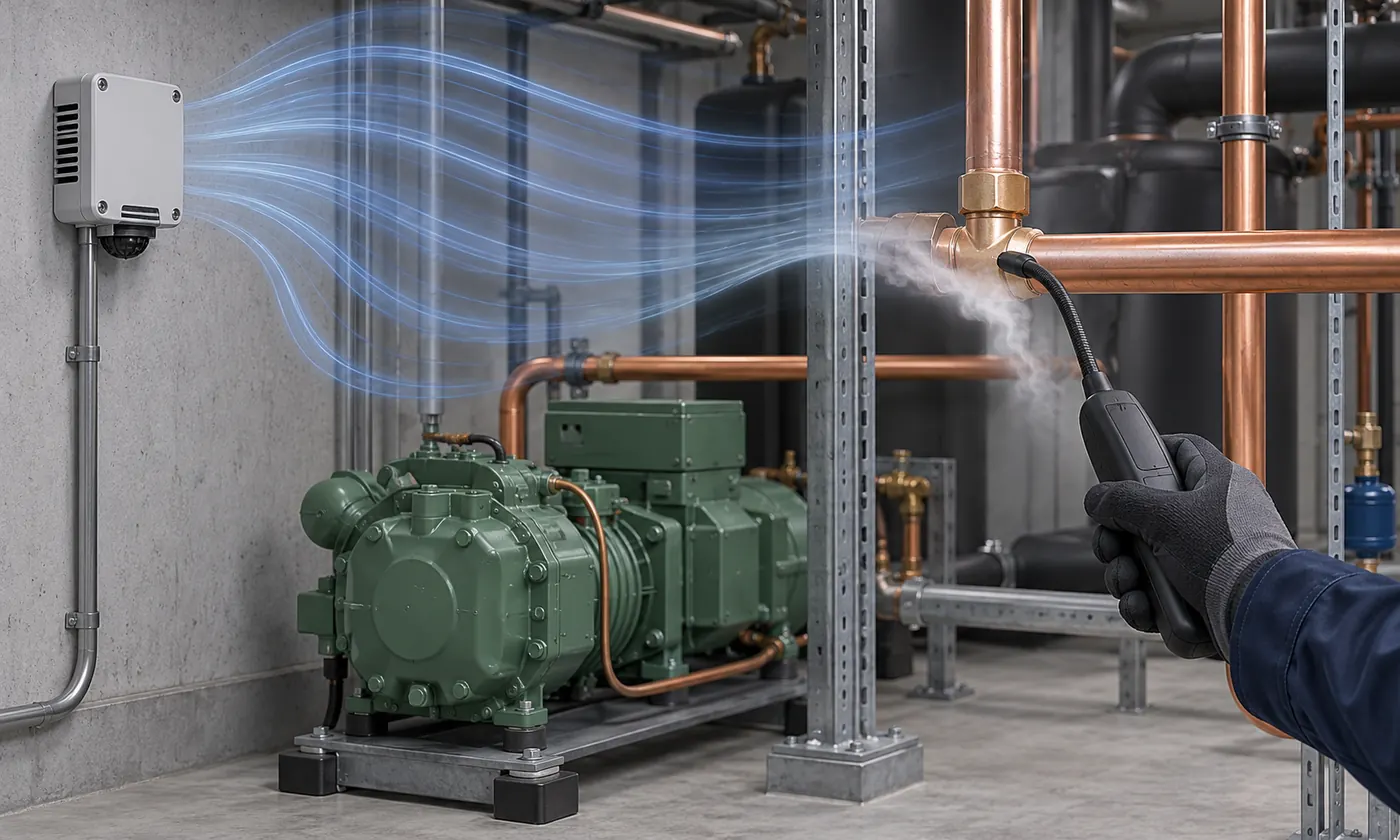
對於永久安裝,請詢問斷電、感測器斷開、採樣管線堵塞或讀數超出範圍時會發生什麼情況。由於設備無聲地發生故障而仍然令人放心的數字並不是可接受的警報策略。控制系統應根據產品和系統設計區分正常測量、冷媒警報和儀表故障。警報響應、通告、通風或其他緩解措施必須在系統層級指定,而不是從感測器手冊推斷。
這 UK Energy Technology List's permanent leak-detection guidance describes fixed-point and aspirating arrangements and stresses calibration for the refrigerant being monitored. Its eligibility criteria belong to that particular program; use them to understand the architectures, not as universal alarm settings.
Job 2: Support an equipment mitigation function
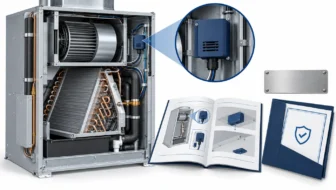
Some air-conditioning equipment incorporates a refrigerant detection system to sense a release and initiate a designed response. The module's value is determined by the whole sequence: where its inlet sits, which refrigerant it detects, when it declares a valid event, what the controller commands, whether that command reaches the fan or other actuator, and how failures are handled. A sensing element with an attractive range is only one part of the RDS.
必須針對特定市場和產品檢查相關冷媒名稱和設備清單或安裝標準。 ASHRAE's refrigerant designation resources 是識別流體的起點;單獨的名稱並未指定偵測器或授權警報閾值。 A2L、A3 和其他分類描述了定義標準下的冷媒特性,而不是單一通用感測器設定。
An OEM therefore needs evidence for the exact refrigerant and its expected concentration range, response under the equipment's temperature and humidity envelope, expected lifetime, contamination exposure, electrical interface, diagnostic state and integration test. If the equipment can use several refrigerants, the module must either be configured and validated for each one or the product scope must be limited. Do not assume that performance measured for R-32 transfers unchanged to R-454B merely because both appear in air-conditioning discussions.
對於混凝土 特定型號 例子, Winsen's ZRT512E module 其製造商將其描述為 R-32 和 R-454B 的 NDIR 冷媒檢測模組。其發布的介面、範圍和應用聲明是根據準確的模型文件和 OEM 系統驗證進行檢查的規格。它們並不能證明每個 NDIR 模組都能檢測到所有冷媒,也不能證明單一模組即可完成合規的緩解系統。
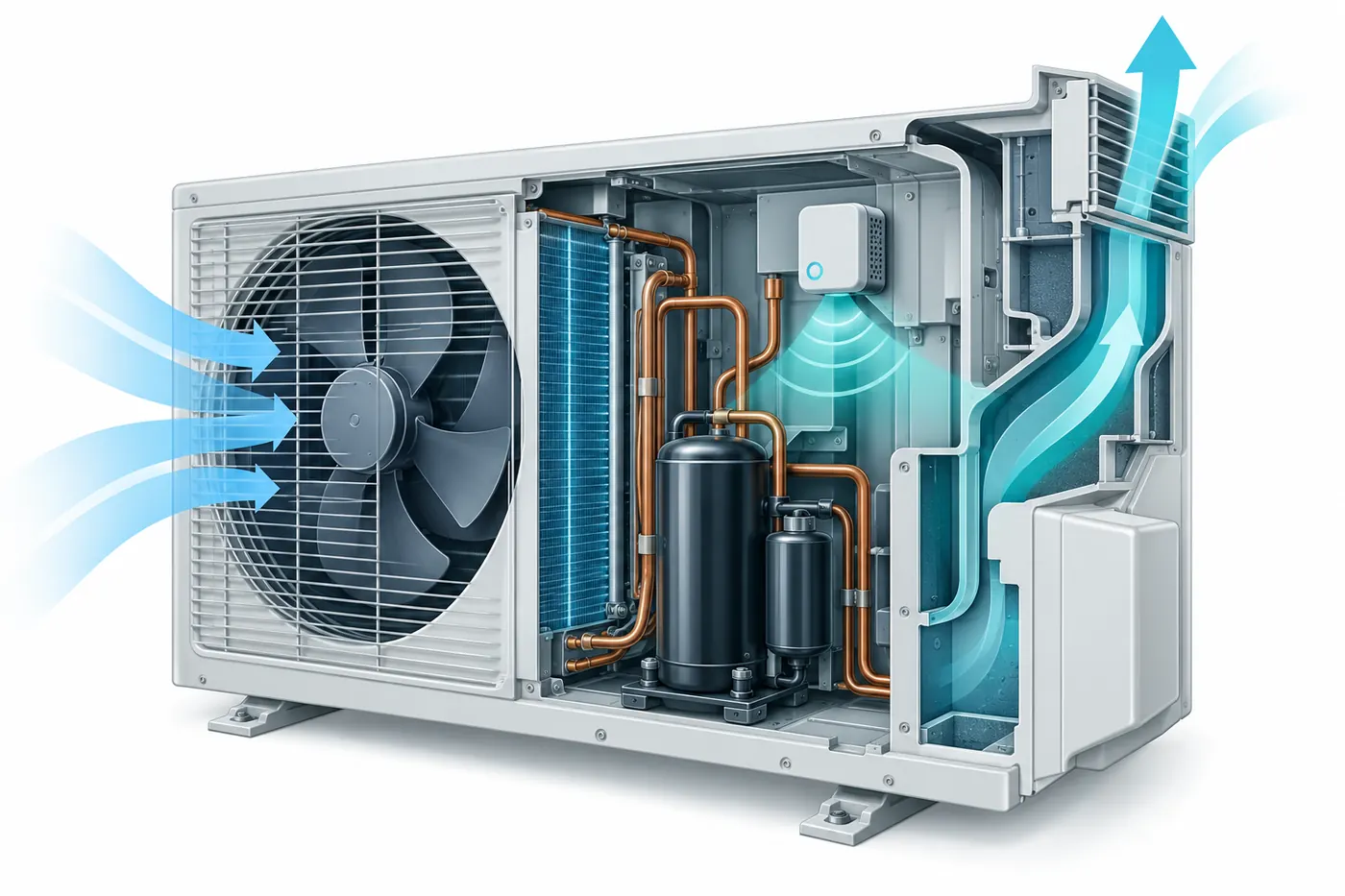
獨立讀者的問題是: 檢測後應該採取什麼安全或操作行動,什麼證據顯示組裝的系統執行了這些行動? 這個問題比「哪種感測器技術最好?」更有用。它可以防止組件資料表被誤認為是完整的已安裝系統評估。
工作三:維修過程中查找洩漏部位
技術人員在可疑區域周圍移動便攜式儀器來定位來源。探測器從房間監視器中採樣了一個非常不同的空氣包。即使其他地方的永久探測器讀數很低,靠近接頭的反應也會急劇上升。相反,房間警報可以指示其覆蓋區域內某處發生洩漏,而無需識別要維修的配件。
便攜式探測器通常用最小可檢測值來描述 洩漏率, such as grams per year, under a stated test method and refrigerant. That figure describes the instrument's response to a standardized leak in a particular procedure. It is not the same physical quantity as ambient ppm, and it cannot be converted to ppm without a dispersion model and sampling conditions. In service, probe distance, travel speed, airflow, contamination and refrigerant selection all affect the result. A very sensitive setting may increase nuisance responses; a less sensitive pass may help localize a large source after an initial indication.
這 EPA GreenChill 冷凍管理指南 描述了自動洩漏檢測以及手動檢查和洩漏定位。儘管舊指南中的模型規格和法律細節不應被視為當前的產品要求,但其範例對於工作流程區分很有用。技術人員仍然需要儀器手冊、合適的冷媒方法以及維修/驗證過程。
工作 4:在處理冷媒之前識別冷媒
系統或回收的鋼瓶可能含有與標籤不同的冷媒、冷媒混合物或不凝氣體。服務決策可以取決於 密封費用裡面有什麼,而不是房間內是否有冷媒。識別器取得受控樣本並報告其支援的氣體和方法的結果。有些設備只接受或拒絕目標冷媒;其他人則報告組成部分。這兩種類型都不是自動進行完整的實驗室純度測試。
這 EPA's guidance on contaminated motor-vehicle refrigerants 明確指出標籤、配件和壓力可能會產生誤導,即使是複雜的標識符對混合也有限制。這些要點對於汽車服務尤其重要,因為一次錯誤的充電可能會污染回收設備或其他系統。為了更廣泛地識別冷媒,請確認 冷媒名稱和混合訊息 before selecting an instrument's supported-gas list; a product catalog is useful for context but does not replace a composition test.
The identifier also cannot locate a tiny fitting leak. A portable leak locator cannot certify cylinder composition. A fixed ambient monitor cannot diagnose system charge. These are complementary measurements, not competing answers to one question.
Match sensing principle to the actual refrigerant and task
There is no valid ranking of “infrared, semiconductor, electrochemical and photoacoustic” that applies to every refrigerant, concentration and installation. First establish the target molecule or blend, then the sampling situation and acceptance criterion.
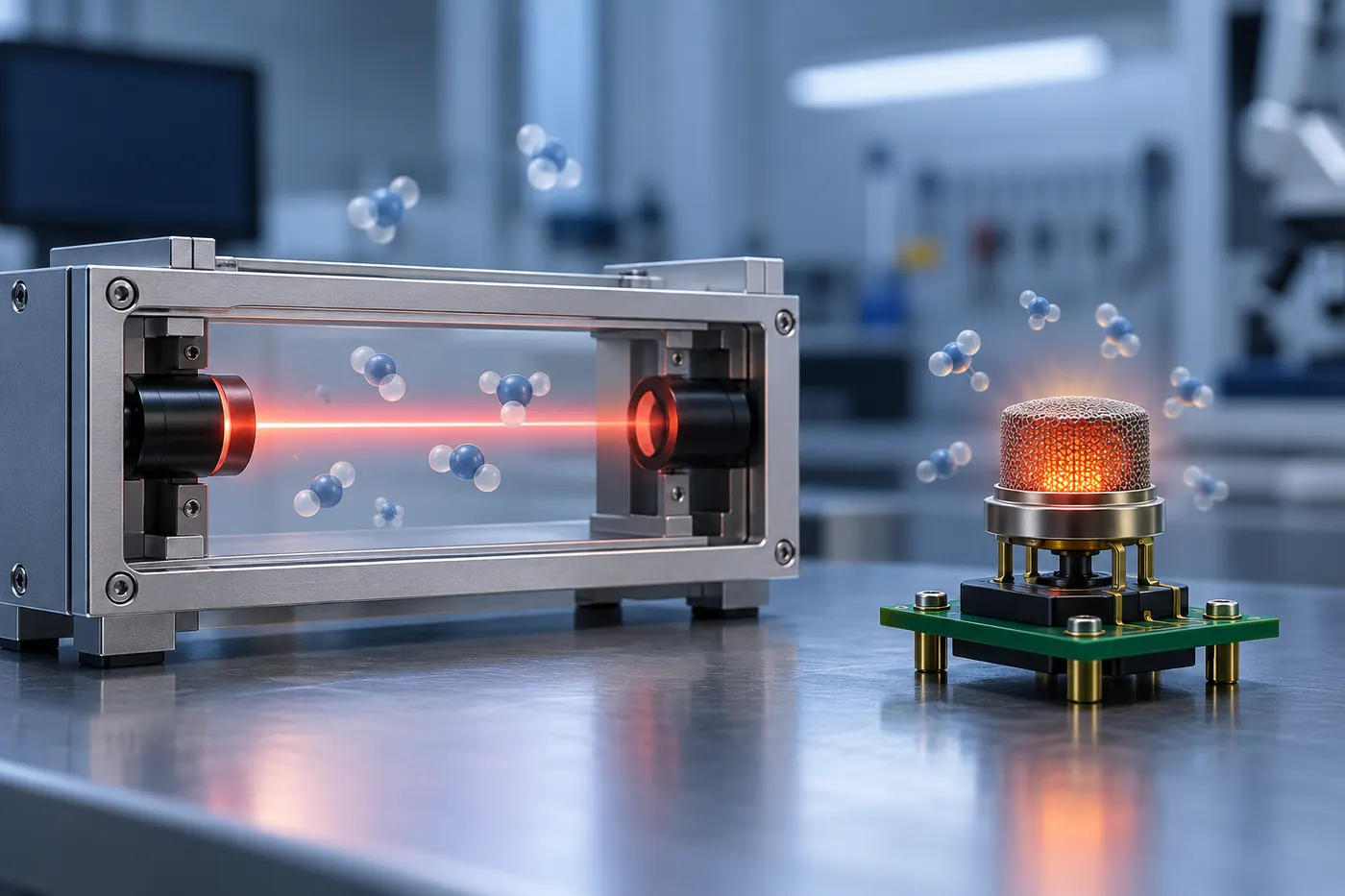
Infrared absorption. 許多冷媒吸收紅外線輻射,因此光學感測器可以將選定波段中的傳輸能量與參考值進行比較,並估計其校準下的濃度。濾光片、光程長度、溫度補償和其他氣體形狀選擇性的光譜重疊。 「NDIR」描述了一種測量原理,而不是零交叉敏感性或通用冷媒辨識的保證。檢查準確的目標氣體清單和乾擾測試。
金屬氧化物半導體(MOS)。 當暴露於某些氣體時,加熱的感測層會改變電氣特性。 MOS 可以支援緊湊型檢測產品,但反應可能很廣泛,並且強烈依賴濕度、溫度、老化和其他蒸氣。輸出可能是一個指示,而不是一個高度選擇性的分析濃度。製造商應記錄目標冷媒和可能的干擾物;買方應測試代表性的現場條件。
光聲和其他光學方法。 吸收的調製光可以產生可測量的聲學響應。在完整的儀器中,光源、電池、麥克風或偵測器、氣體處理和補償決定了性能。技術名稱本身並不能確定現場準確性或維護空間的適用性。
Electrochemical detection. Electrochemical cells are common for certain toxic or reactive gases, but it is technically unsound to claim that a generic electrochemical cell quantitatively detects a broad range of ordinary refrigerants. The target substance and manufacturer validation must be explicit. The old version of this article implied otherwise; that generalization should not guide procurement.
技術選擇也有系統維度。點感測器在其位置進行測量。吸氣系統將空氣通過管道輸送至分析儀;運輸延遲、洩漏、污染或線路堵塞都會成為測量的一部分。便攜式儀器以連續覆蓋換取移動性和近距離訪問。無論選擇哪種架構,從天然氣到決策的實際安裝路徑都需要驗證。
哪些幹擾因素和老化變化
An interference claim should name the interfering substance, its challenge concentration, the target refrigerant, the sensor configuration and the measured effect. Cleaning solvents, other refrigerants, water vapor and combustion products may be relevant in different sites, but their importance depends on the technology and installation. A broad statement such as “not affected by other gases” is not enough for a design review. For a blend, ask whether the tested response reflects the blend as supplied or a single component used as a surrogate. That distinction can matter when a detector's algorithm assumes one optical or chemical signature.
Long-term stability is also a system property. Dust can obstruct an inlet, filters can saturate, a pump can weaken, optical surfaces can foul, and a heated element can change response after exposure to contaminants. A maintenance interval should be supported by the manufacturer and adjusted when site conditions warrant. Record what a functional check actually proves: a display self-test verifies electronics differently from a controlled gas-response check, while neither automatically verifies every remote sampling point. The accepted method should follow the device instructions and the facility's safety process.
將資料表轉換為採購規格
最強的對比是 問題與證據表, not a list of adjectives such as “fast” or “accurate.”
| 問題 | Evidence to request | 常見誤讀 |
|---|---|---|
| Which refrigerant, including any blend, is covered? | Exact gas name/designation, calibration, supported versions and interference data | Treating “refrigerant sensor” as universal |
| Where is the sample taken? | Inlet location, flow path, mounting orientation and sampling method | Assuming room concentration equals concentration at a fitting |
| What range and resolution are usable? | Range, lower limit, uncertainty and reference conditions | Using resolution as accuracy |
| How quickly is the 系統 response delivered? | Sensor response plus filters, transport, controller delay and output action | Quoting element T90 as total alarm time |
| What environmental conditions were tested? | Temperature, humidity, condensation, dust, chemicals and airflow | Treating operating range as guaranteed accuracy range |
| What happens when measurement fails? | Fault outputs, diagnostics, maintenance behavior and system response | Reading a missing signal as zero gas |
| How is it maintained? | Calibration/check method, service interval, replaceable parts and records | Assuming a factory setting lasts indefinitely |
對於 OEM,添加電源電壓、介面、引腳排列、啟動行為、環境保護和安全/系統認證要求。對於設施所有者,請新增位置計劃、警報整合、技術人員存取、維護責任和端到端回應證明。對於服務團隊,添加支援的冷媒、探測消耗品、電池狀態、污染行為以及已發布洩漏率資料背後的條件。即使三家供應商都使用「冷媒檢測器」一詞,這些也是不同的採購規格。
為什麼濃度不能告訴您洩漏率或剩餘電量
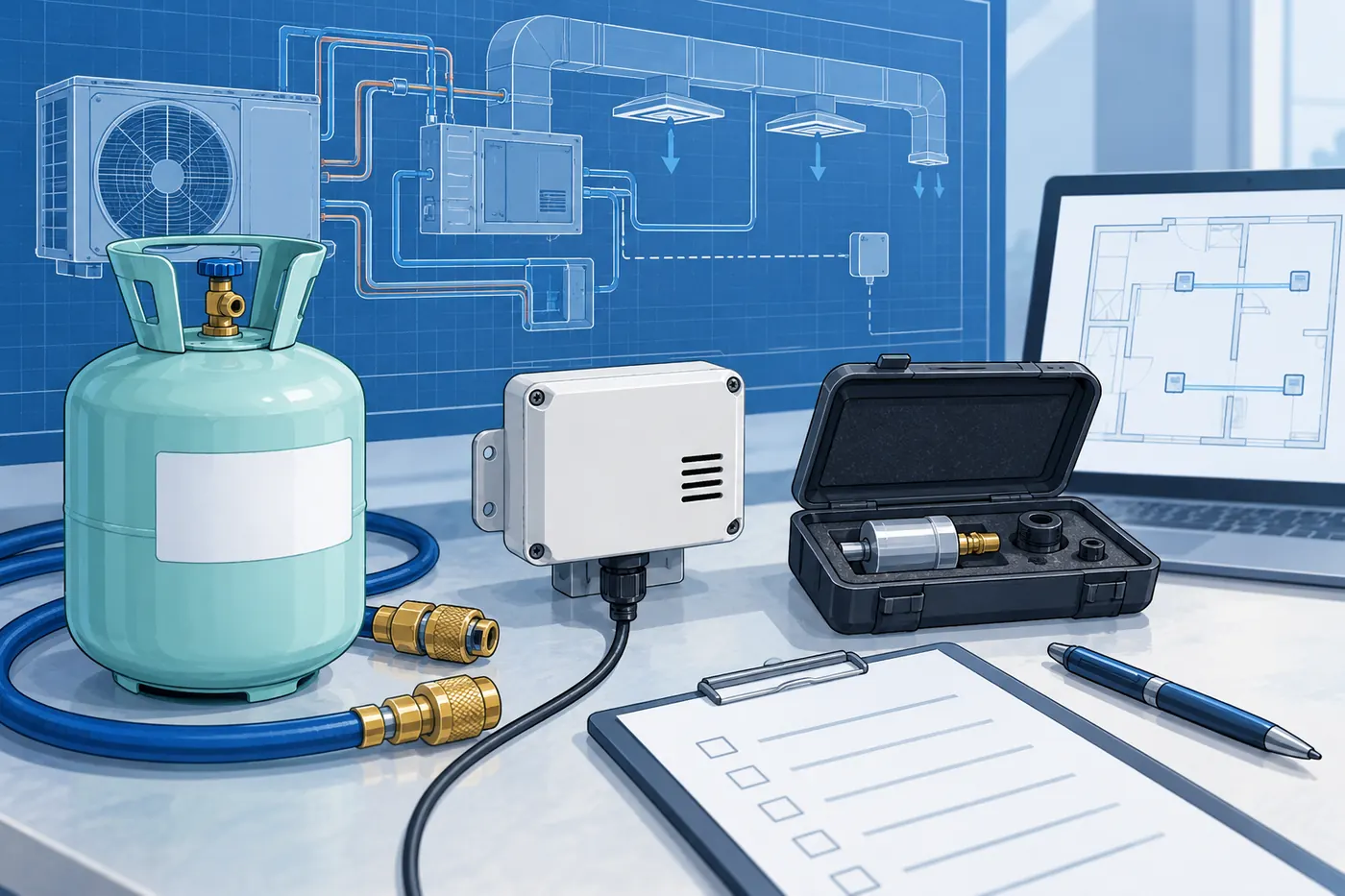
環境濃度是空氣中氣體的快照。洩漏率是冷媒品質隨時間變化的流量。系統電荷是電路中所包含的電量。濃度檢測器不會直接測量後者。
在簡單的混合良好的房間模型中,濃度變化取決於釋放速率、通風和體積。真實的房間會增加不完全的混合、流動的空氣、熱效應和感測器延遲。相同的 ppm 讀數可能來自於通風較弱時的小量持續釋放或通風較強時的較大短暫釋放。如果沒有邊界條件,將 ppm 轉換為每年的克數只是猜測。同樣,帶電系統可能會發生洩漏,而其房間監視器在遠端點的讀數為零;由於先前發生的洩漏現已停止,系統可能電量不足。
設備端測量可以幫助推斷損耗。壓力、溫度、液位和效能可以揭示異常情況,但這些訊號也會對負載和運作狀態做出反應。這 EPA's direct-versus-indirect ALD explanation is a useful framework: direct ambient sensing and indirect equipment analytics answer related but distinct questions. If a facility needs both early indication and diagnosis of system condition, the solution may need both measurement streams.
A commissioning sequence that tests the decision, not just the sensor
- Record the intended refrigerant and equipment context. Confirm the actual fluid and relevant equipment documentation rather than relying on a generic label. For a blend, keep the full designation; do not substitute a similar refrigerant's calibration.
- Write the required decision. 這是調查警報、房間警告、設備緩解輸入、服務定位工具還是身分檢查?指定誰採取行動以及什麼可觀察到的輸出表明成功。
- 映射範例路徑。 對於點探測器,記錄其位置和氣流假設。對於吸氣系統,記錄每個入口和管線。對於便攜式探測器,記錄搜尋方法和存取限制。
- 檢查特定於型號的證據。 將目標氣體、範圍、參考條件、反應、交叉敏感度、環境限制和維護要求與任務相符。將行銷類別頁面視為起始索引,而不是測試證據。
- 驗證組裝的系統。 Follow the detector and equipment manufacturers' commissioning procedures. Confirm not only a local indication but the intended control/alarm response and a distinct fault response. Use qualified personnel and applicable safety procedures for challenge materials and refrigerant handling.
- 保留服務記錄。 記錄已安裝的型號、相關韌體/配置、校準/檢查日期、警報路徑以及通風或房間佈局的任何變更。以後的改造可以在不改變感測器的情況下改變樣品路徑。
此順序有意避免通用測試氣體劑量或警報設定點。這些值取決於冷媒、應用、儀器批准和管轄範圍。重複使用來自不同設備或市場的範例可能不安全。
選擇正確測量的範例
具有明確緩解功能的小型空調設備。 Begin with the appliance's refrigerant, equipment design and required control sequence. Evaluate an embedded sensor module against the expected release location and concentration range, then verify the entire equipment response. A wall-mounted facility detector could be useful for another purpose, but it does not automatically replace the appliance's validated RDS.
擁有多個電路的商用機房。 永久點或吸氣系統可以監視選定的空氣位置,並在出現冷媒時發出警報。如果技術人員在警報後到達,則會使用手持式儀器檢查電路並找到洩漏連接。這兩個工具相輔相成。如果該站點還追蹤操作溫度和水平,則間接分析可能會更早或不同地給出電量損失訊號。
一家汽車店面臨一項未知指控。 環境洩漏探頭無法回答車輛是否含有標籤聲稱的冷媒。使用適合所考慮的車輛和冷媒的標識符,然後遵循適當的恢復和服務流程。確定身份和安全性後,使用洩漏定位器調查可疑的損失。這 EPA's MVAC contamination guidance 解釋了為什麼僅靠標籤和壓力是不夠的。
冰箱有一次服務投訴。 If the question is “where is the leak?”, a moving service probe and a suitable repair method may be more relevant than installing a permanent room network. If the question is ongoing supervision of a larger occupied area, the design changes. Avoid purchasing an instrument solely because its detection limit is numerically small; the limit's unit and test conditions must match the job.
常見問題
每個冷媒感測器都測量 ppm 嗎?
不會。一些安裝的分析儀以 ppm 為單位估算環境濃度;一些警報模組暴露狀態或輸出而不顯示濃度;手持式洩漏定位器可以報告相對響應或洩漏率單位的靈敏度規格;標識符報告身份或組成。詢問儀器採樣什麼以及如何驗證其輸出。
1 個 R-32 感測器是否也可用於 R-454B?
僅當 具體型號及配置 are documented and validated for both. R-454B is a blend, and a similar application does not establish equivalent calibration or response. Review the manufacturer’s target-gas data and the finished system's requirements.
最靈敏的便攜式探測器是最好的固定監視器嗎?
不會。便攜式靈敏度通常在標準化洩漏點附近進行測試;固定監控需要可靠的覆蓋範圍、穩定的環境測量、故障處理、環境耐受性和整合的警報路徑。性能規格不具有直接可比性。
房間監視器可以估計迴路中剩餘多少冷媒嗎?
不僅僅是集中閱讀。它測量某個位置的空氣。剩餘電量需要在受控條件下進行設備側評估。房間監視器仍然可以提供發生洩漏的重要證據。
向供應商索取的第一份文件是什麼?
索取確切型號的最新數據表和安裝/操作說明,包括支援的冷媒及其聲明背後的條件。對於 RDS 或安全警報,也要求適用於設備和市場的系統級整合和驗證要求。
來源和進一步閱讀
- 美國 EPA:自動洩漏檢測要求情況說明書 — 其規定的美國監管範圍內的直接和間接測量概念。
- 美國 EPA:GreenChill 冷凍管理指南 ——永久檢測和人工檢查工作流程;歷史出版物,不是當前型號規格的來源。
- 英國能源技術清單:自動永久冷媒洩漏檢測系統 — fixed-point and aspirating designs within the program's criteria.
- ASHRAE:冷媒名稱 — 辨識流體並查閱相關現行標準。
- 美國環保署:處理受污染的汽車冷媒 ——身分檢查限制和服務環境。
對於已安裝與服務工作流程,請繼續 便攜式和固定式冷媒檢測。對於冷媒專用感測器背景, GasNose's refrigerant sensor overview 是一個有用的伴侶;根據其當前數據表確認任何產品聲明。






評論 (3)
[...]儀器不能被視為可靠測量零氣體的偵測器。我們的冷媒感測器測量任務指南討論了目標氣體、單位和安裝角色如何影響選擇[...]
[...]確定最終選擇。如果您先選擇感測原理或目標氣體,我們的冷媒感測器選擇指南提供了早期的測量任務[...]
[…] a room monitor, or a portable service instrument. Those are different measurement jobs; our refrigerant sensor task guide compares […]