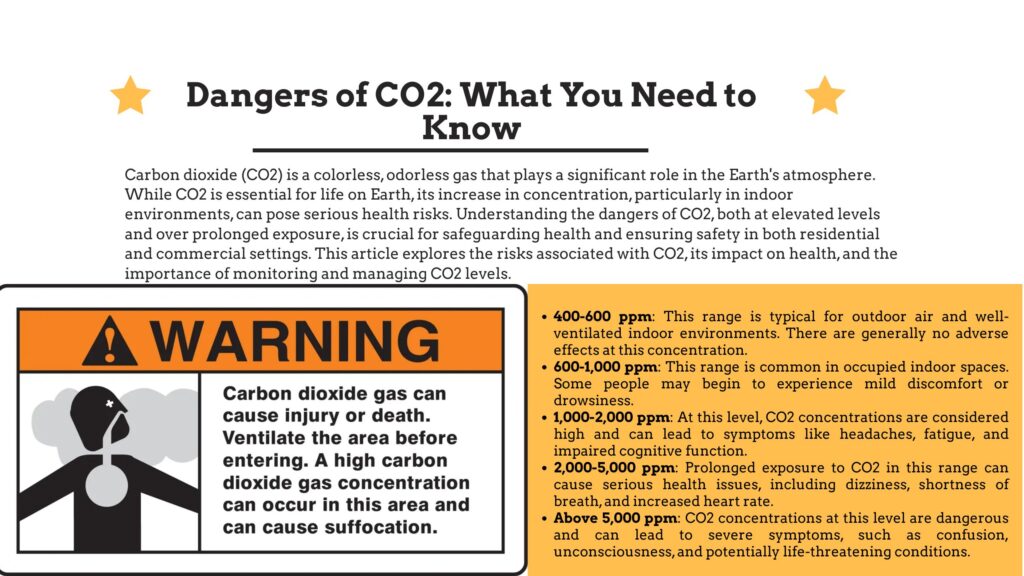
Carbon dioxide (CO2) is a colorless, odorless gas that plays a significant role in the Earth’s atmosphere. While CO2 is essential for life on Earth, its increase in concentration, particularly in indoor environments, can pose serious health risks. Understanding the dangers of CO2, both at elevated levels and over prolonged exposure, is crucial for safeguarding health and ensuring safety in both residential and commercial settings. This article explores the risks associated with CO2, its impact on health, and the importance of monitoring and managing CO2 levels.
What is CO2?
Carbon dioxide (CO2) is a naturally occurring gas composed of one carbon atom and two oxygen atoms. It is a byproduct of respiration, combustion, and various industrial processes. In nature, CO2 is part of the carbon cycle, where it is absorbed by plants during photosynthesis and released during respiration and decomposition.
More About CO2: Understanding Carbon Dioxide (CO2): A Comprehensive Guide
The Role of CO2 in the Environment
CO2 plays a vital role in regulating Earth’s temperature. As a greenhouse gas, it traps heat in the atmosphere, contributing to the greenhouse effect, which is essential for maintaining the planet’s climate. However, human activities, such as burning fossil fuels, deforestation, and industrial processes, have led to a significant increase in atmospheric CO2 levels, contributing to global climate change.
CO2 in Indoor Environments
Indoors, CO2 is primarily produced by human respiration and combustion processes, such as cooking and heating. In poorly ventilated spaces, CO2 can accumulate to levels that may be harmful to human health. Unlike other indoor pollutants, CO2 does not have a noticeable odor or color, making it difficult to detect without the use of specialized equipment.
Understanding and Managing Typical CO2 Levels at Home
Health Risks Associated with CO2 Exposure
CO2 is generally harmless at low concentrations, but as its levels rise, it can have serious effects on human health. The severity of these effects depends on the concentration of CO2 and the duration of exposure.
CO2 Concentration Levels and Health Effects
The health impacts of CO2 are closely related to its concentration in the air, typically measured in parts per million (ppm). Here is a breakdown of how different levels of CO2 can affect health:
| CO2 Concentration (ppm) | Health Effects |
|---|---|
| 400-600 ppm | Normal outdoor levels; no adverse health effects. |
| 600-1,000 ppm | Common in indoor environments; may cause mild discomfort and drowsiness. |
| 1,000-2,000 ppm | Poor air quality; prolonged exposure can lead to headaches, fatigue, and difficulty concentrating. |
| 2,000-5,000 ppm | Potentially hazardous; symptoms include dizziness, shortness of breath, and confusion. |
| Above 5,000 ppm | Dangerous; can lead to unconsciousness, respiratory distress, and death if exposure is prolonged. |
How Much CO2 is Dangerous?
The danger of CO2 is related to its concentration in the air, measured in parts per million (ppm). Below are some benchmarks for understanding the levels at which CO2 becomes hazardous:
- 400-600 ppm: This range is typical for outdoor air and well-ventilated indoor environments. There are generally no adverse effects at this concentration.
- 600-1,000 ppm: This range is common in occupied indoor spaces. Some people may begin to experience mild discomfort or drowsiness.
- 1,000-2,000 ppm: At this level, CO2 concentrations are considered high and can lead to symptoms like headaches, fatigue, and impaired cognitive function.
- 2,000-5,000 ppm: Prolonged exposure to CO2 in this range can cause serious health issues, including dizziness, shortness of breath, and increased heart rate.
- Above 5,000 ppm: CO2 concentrations at this level are dangerous and can lead to severe symptoms, such as confusion, unconsciousness, and potentially life-threatening conditions.
Recommended CO2 Levels
To ensure safety and comfort, it is important to maintain CO2 levels within the recommended range:
- Outdoor Air: Typical CO2 concentrations in outdoor air range from 400 to 600 ppm, depending on location and environmental factors.
- Indoor Air: For indoor environments, it is recommended to keep CO2 levels below 1,000 ppm. This ensures good air quality and reduces the risk of health problems.
Short-Term Exposure to Elevated CO2 Levels
Short-term exposure to elevated CO2 levels, particularly above 1,000 ppm, can result in a range of symptoms, including:
- Headaches: Increased CO2 levels can cause vasodilation, leading to headaches.
- Drowsiness and Fatigue: CO2 can reduce the amount of oxygen available to the brain, resulting in feelings of drowsiness and fatigue.
- Impaired Cognitive Function: High CO2 levels can affect concentration, decision-making, and overall cognitive performance.
- Shortness of Breath: At higher concentrations, CO2 can trigger a reflex to breathe more rapidly, causing shortness of breath and discomfort.
Long-Term Exposure to Elevated CO2 Levels
Prolonged exposure to elevated CO2 levels, even at concentrations between 1,000 and 2,000 ppm, can lead to more severe health issues, such as:
- Chronic Respiratory Problems: Consistently high CO2 levels can strain the respiratory system, potentially leading to chronic conditions like asthma or bronchitis.
- Increased Heart Rate: CO2 exposure can cause an increase in heart rate as the body attempts to deliver more oxygen to vital organs.
- Cognitive Decline: Long-term exposure to high CO2 levels has been linked to cognitive decline, including memory problems and reduced mental acuity.
Severe CO2 Exposure
At extremely high concentrations (above 5,000 ppm), CO2 can be life-threatening. Symptoms of severe CO2 exposure include:
- Severe Headaches and Dizziness: Extreme CO2 levels can cause intense headaches and dizziness, leading to disorientation.
- Loss of Consciousness: As CO2 levels rise, oxygen levels drop, leading to hypoxia and loss of consciousness.
- Respiratory Failure: In the most severe cases, exposure to very high CO2 levels can result in respiratory failure and death.
CO2 Poisoning
CO2 poisoning, also known as hypercapnia, occurs when CO2 levels in the blood become excessively high. This condition can result from exposure to environments with high concentrations of CO2, such as poorly ventilated rooms or confined spaces. Symptoms of CO2 poisoning include:
- Mild Symptoms: Dizziness, headaches, and shortness of breath.
- Moderate Symptoms: Confusion, sweating, and increased heart rate.
- Severe Symptoms: Loss of consciousness, convulsions, and respiratory failure.
In extreme cases, CO2 poisoning can be fatal if not promptly treated. The key to preventing CO2 poisoning is ensuring adequate ventilation and monitoring CO2 levels in enclosed spaces.
CO2 and Indoor Air Quality
Indoor air quality (IAQ) is a critical aspect of maintaining a healthy living and working environment. CO2 is a key indicator of IAQ, as its concentration reflects the effectiveness of ventilation in a space. Poor ventilation can lead to elevated CO2 levels, which in turn can exacerbate the presence of other indoor pollutants, such as volatile organic compounds (VOCs) and particulate matter (PM).
Sources of CO2 Indoors
Common sources of CO2 in indoor environments include:
- Human Respiration: The most significant source of indoor CO2, especially in crowded or poorly ventilated spaces.
- Combustion Appliances: Gas stoves, heaters, and fireplaces produce CO2 as a byproduct of combustion.
- Building Materials: Certain materials, such as cement and concrete, can emit CO2 during their curing process.
- Household Activities: Cooking, burning candles, and using certain cleaning products can increase indoor CO2 levels.
Impact of Poor Ventilation on CO2 Levels
Poor ventilation is the primary cause of elevated CO2 levels indoors. Without adequate airflow, CO2 accumulates, leading to decreased oxygen levels and increased exposure to harmful pollutants. This is particularly problematic in modern buildings, which are often designed to be energy-efficient and airtight, reducing natural ventilation.
The Importance of Monitoring CO2 Levels
Monitoring CO2 levels is essential for maintaining good indoor air quality. By regularly checking CO2 concentrations, individuals can identify when ventilation is inadequate and take steps to improve airflow. CO2 monitors and detectors are widely available and can provide real-time data on indoor air quality.
The Environmental Impact of Elevated CO2 Levels
Global Warming and Climate Change
One of the most significant dangers of elevated CO2 levels is their contribution to global warming and climate change. CO2 is a greenhouse gas, meaning it traps heat in the Earth’s atmosphere. While greenhouse gases are necessary to keep the planet warm enough to support life, an excess of CO2 intensifies this effect, leading to global warming.
- Temperature Rise: The increase in CO2 levels since the Industrial Revolution has been a major driver of the global temperature rise. This warming leads to a range of environmental changes, including melting polar ice caps, rising sea levels, and more frequent and severe weather events.
- Ocean Acidification: CO2 is absorbed by the world’s oceans, where it reacts with water to form carbonic acid. This process leads to ocean acidification, which can harm marine life, particularly organisms with calcium carbonate shells or skeletons, such as corals and mollusks.
- Disruption of Ecosystems: Changes in temperature and ocean chemistry can disrupt ecosystems, leading to shifts in species distribution, loss of biodiversity, and the collapse of certain habitats.
Air Quality and Health
High CO2 levels also have direct impacts on air quality and human health. While CO2 itself is not a toxic gas, elevated concentrations can lead to several health issues, particularly in indoor environments.
- Indoor Air Quality: In poorly ventilated spaces, CO2 levels can build up quickly, leading to discomfort and health problems. High indoor CO2 levels are often associated with symptoms such as headaches, dizziness, fatigue, and difficulty concentrating. In extreme cases, very high CO2 concentrations can cause shortness of breath, confusion, and even loss of consciousness.
- Occupational Hazards: Certain workplaces, such as those in confined spaces, greenhouses, and industrial settings, are at higher risk of elevated CO2 levels. Workers in these environments may be exposed to CO2 concentrations that exceed safe limits, leading to serious health risks if proper precautions are not taken.
How to Reduce CO2 Levels Indoors
Maintaining healthy CO2 levels indoors is crucial for ensuring a safe and comfortable environment. Here are some practical strategies to reduce CO2 levels:
1. Increase Ventilation
Improving ventilation is the most effective way to reduce CO2 levels indoors. This can be achieved by:
- Opening Windows and Doors: Allowing fresh air to circulate helps dilute CO2 concentrations.
- Using Exhaust Fans: Installing exhaust fans in kitchens and bathrooms can help remove stale air and bring in fresh air.
- Upgrading HVAC Systems: Ensure your heating, ventilation, and air conditioning (HVAC) systems are properly maintained and functioning efficiently.
2. Reduce Occupancy in Enclosed Spaces
Limiting the number of people in a room can help prevent CO2 levels from rising too quickly. This is especially important in small or poorly ventilated spaces.
3. Use Air Purifiers
While air purifiers are primarily designed to remove particulates and VOCs, some advanced models also help reduce CO2 levels by increasing air exchange rates.
4. Implement Smart Ventilation Systems
Smart ventilation systems automatically adjust airflow based on real-time CO2 levels, ensuring optimal air quality without wasting energy.
5. Avoid Burning Fuels Indoors
Minimize the use of combustion appliances, such as gas stoves and fireplaces, or ensure they are properly ventilated to the outside.
6. Add Houseplants
Certain houseplants can help absorb CO2 and release oxygen, although their impact on indoor CO2 levels is generally small. Plants like snake plants, peace lilies, and Boston ferns are known for their air-purifying properties.
Realetd Read: The Benefits of CO2 for Plants: A Comprehensive Guide
CO2 Monitoring and Safety Devices
To effectively manage CO2 levels and protect against the dangers of CO2 exposure, it’s essential to invest in reliable monitoring and safety devices.
Types of CO2 Monitors
There are several types of CO2 monitors available, each with varying features and capabilities:
- Portable CO2 Monitors: These handheld devices are easy to use and ideal for spot-checking CO2 levels in different areas of a home or workplace.
- Wall-Mounted CO2 Monitors: Designed for continuous monitoring, these devices are typically installed in central locations to provide ongoing data on indoor air quality.
- Smart CO2 Monitors: Integrated with home automation systems, smart monitors can send alerts to your smartphone and automatically adjust ventilation systems to maintain healthy CO2 levels.
Features to Look for in a CO2 Monitor
When selecting a CO2 monitor, consider the following features:
- Accuracy: High accuracy is crucial for reliable readings. Look for monitors with an accuracy of ±50 ppm or better.
- Real-Time Monitoring: Continuous monitoring allows for immediate detection of elevated CO2 levels.
- Data Logging: Some monitors can store data over time, helping you identify patterns and trends in indoor air quality.
- Alerts: Audible or visual alarms can notify you when CO2 levels reach unsafe concentrations.
- Multi-Sensor Capabilities: Advanced monitors may also measure other indoor air quality parameters, such as temperature, humidity, and VOCs.
Safety Precautions
In addition to monitoring CO2 levels, it’s important to implement safety precautions to protect against the risks of CO2 exposure:
- Install CO2 Detectors: Place CO2 detectors in areas where CO2 levels are likely to rise, such as kitchens, basements
, and rooms with gas appliances.
- Regular Maintenance: Ensure that all combustion appliances are regularly inspected and maintained to prevent CO2 leaks.
- Emergency Ventilation: In case of high CO2 levels, immediately open windows and doors to increase ventilation and reduce concentration.
- Educate Household Members: Make sure everyone in the household understands the risks of CO2 exposure and knows how to respond in case of elevated levels.
FAQ
Is CO2 Flammable?
CO2 is a non-flammable gas, meaning it does not ignite or support combustion. In fact, CO2 is often used as a fire suppressant in fire extinguishers. Its ability to displace oxygen makes it effective in putting out fires by suffocating flames and reducing the temperature. While CO2 itself is not flammable, it is important to note that high concentrations of CO2 can be dangerous in confined spaces due to the risk of asphyxiation, not because of fire hazards.
Dry Ice Safety
Dry ice is the solid form of CO2 and is commonly used for cooling and refrigeration purposes. While it is useful, handling dry ice requires caution due to several potential dangers:
- Frostbite: Direct contact with dry ice can cause severe cold burns or frostbite due to its extremely low temperature (-78.5°C or -109.3°F).
- Asphyxiation: As dry ice sublimates (turns from solid to gas), it releases CO2. In confined spaces, this can lead to a dangerous buildup of CO2, creating an asphyxiation hazard.
- Explosion Risk: Dry ice should never be stored in a tightly sealed container, as the sublimation process can build up pressure and potentially cause the container to explode.
To handle dry ice safely, always use protective gloves, ensure proper ventilation, and store it in a well-ventilated area.
Natural Outgassing of CO2
Natural outgassing refers to the release of CO2 from natural sources such as volcanoes, hot springs, and oceanic processes. This CO2 is a normal part of Earth’s carbon cycle, contributing to atmospheric CO2 levels. While natural outgassing is usually not a direct threat to human health, it can contribute to elevated local CO2 concentrations, especially near volcanic regions. In some cases, sudden releases of large amounts of CO2 from natural sources, like a volcanic eruption or lake overturn, can be dangerous to nearby populations.
CO2 Exposure Limits
Occupational and environmental safety guidelines set exposure limits for CO2 to protect human health. These limits vary depending on the duration and context of exposure:
- Occupational Safety and Health Administration (OSHA): The permissible exposure limit (PEL) for CO2 in the workplace is 5,000 ppm over an 8-hour workday.
- National Institute for Occupational Safety and Health (NIOSH): The recommended exposure limit (REL) is 5,000 ppm for an 8-hour workday, with a short-term exposure limit (STEL) of 30,000 ppm for 15 minutes.
- American Conference of Governmental Industrial Hygienists (ACGIH): The threshold limit value (TLV) for CO2 is 5,000 ppm for an 8-hour workday, with a STEL of 30,000 ppm.
Staying within these exposure limits is critical for preventing CO2-related health risks, particularly in occupational settings.
Is Carbon Dioxide Harmful to Humans?
While CO2 is a natural component of the air we breathe, elevated levels can be harmful to humans. The potential harm depends on the concentration and duration of exposure:
- Low Concentrations: At typical atmospheric levels, CO2 is not harmful and is essential for normal respiratory function.
- Moderate Concentrations: In poorly ventilated spaces, CO2 levels can rise, leading to symptoms like headaches, dizziness, and drowsiness. These effects are usually reversible with fresh air.
- High Concentrations: Exposure to high concentrations of CO2 can cause more serious health effects, including impaired cognitive function, increased heart rate, and respiratory issues. In extreme cases, it can lead to loss of consciousness and death.
What Does CO2 Do to the Body?
When inhaled at normal levels, CO2 is harmless and is naturally exhaled by the body. However, at elevated levels, CO2 can affect the body in several ways:
- Respiratory System: High CO2 levels can trigger an increase in breathing rate as the body attempts to expel excess CO2. Prolonged exposure can lead to respiratory acidosis, a condition where the blood becomes too acidic.
- Nervous System: Elevated CO2 can impair brain function, leading to symptoms such as confusion, anxiety, and impaired judgment. Severe cases may result in unconsciousness or convulsions.
- Cardiovascular System: High CO2 levels can cause an increase in heart rate and blood pressure as the body works to deliver more oxygen to tissues.
The body’s response to elevated CO2 levels underscores the importance of maintaining good air quality and monitoring CO2 concentrations in enclosed spaces.
Importance of a CO2 Safety Alarm
CO2 safety alarms are vital for several reasons:
- Health Protection: By alerting occupants to dangerous CO2 levels, these alarms help prevent CO2 poisoning and other health risks associated with high CO2 concentrations.
- Compliance with Regulations: Many industries are required by law to monitor CO2 levels and maintain them within safe limits. CO2 safety alarms ensure compliance with occupational safety standards.
- Early Warning System: CO2 alarms provide an early warning that allows for timely intervention, such as increasing ventilation or evacuating the area, to prevent accidents or health incidents.
CO2 Safety Warning Signs
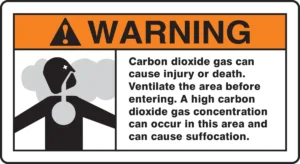
In addition to using CO2 alarms, it is important to recognize the warning signs of elevated CO2 levels:
- Physical Symptoms: Symptoms such as headaches, dizziness, shortness of breath, and confusion can indicate high CO2 levels.
- Environmental Indicators: Fogging of windows, a stuffy or stale odor, and an increase in humidity can suggest inadequate ventilation and rising CO2 levels.
- Alarm Activation: If a CO2 alarm goes off, it is a clear sign that CO2 levels are dangerously high and immediate action is needed.
Where Should CO2 Safety Alarms Be Mounted?
Proper placement of CO2 safety alarms is essential for accurate detection and timely warnings. Consider the following guidelines when installing CO2 alarms:
- Height: CO2 is heavier than air and tends to accumulate at lower levels. Therefore, CO2 alarms should be mounted close to the floor, typically about 12-18 inches (30-45 cm) above the ground.
- Location: Place CO2 alarms in areas where CO2 is likely to accumulate, such as near storage tanks, in confined spaces, or in rooms with poor ventilation.
- Proximity to Sources: Install alarms near potential sources of CO2 emissions, such as equipment using CO2 or areas where dry ice is handled.
Conclusion
CO2 is an invisible but significant threat to indoor air quality and human health. Understanding the dangers associated with elevated CO2 levels, as well as how to monitor and manage them, is essential for maintaining a safe and healthy living environment. By investing in reliable CO2 monitoring devices, improving ventilation, and taking proactive steps to reduce CO2 production indoors, you can protect yourself and your loved ones from the potential health risks associated with CO2 exposure.
Maintaining awareness of CO2 levels and their impact on health is not just a matter of comfort—it’s a critical aspect of ensuring long-term well-being. By prioritizing indoor air quality and making informed choices about ventilation and CO2 monitoring, you can create a safer, healthier home for everyone.
