05tháng 9
02tháng 9
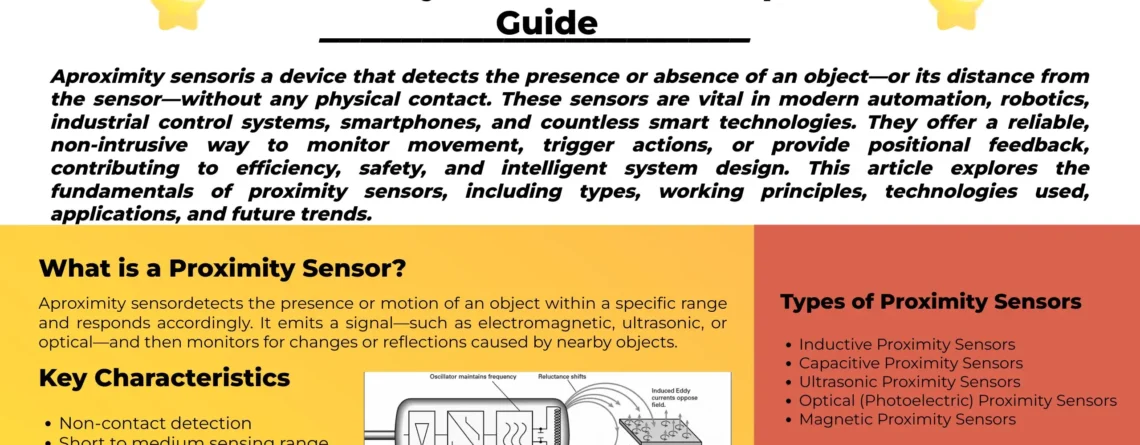
Cảm biến gần: Hướng dẫn chuyên sâu
A proximity sensor is a device that detects the presence or absence of an object—or its distance from the sensor—without any physical contact. These sensors are vital in modern automation, robotics, industrial control systems, smartphones, and countless smart technologies. They offer a reliable, non-intrusive way...
01tháng 9
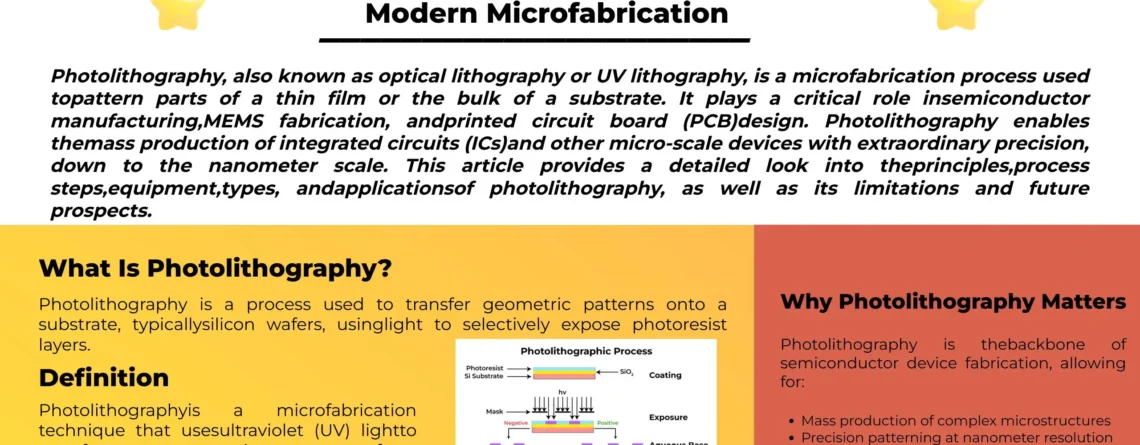
Photolithography: Nền tảng của chế tạo vi mô hiện đại
Photolithography, also known as optical lithography or UV lithography, is a microfabrication process used to pattern parts of a thin film or the bulk of a substrate. It plays a critical role in semiconductor manufacturing, MEMS fabrication, and printed circuit board (PCB) design. Photolithography enables...
01tháng 8
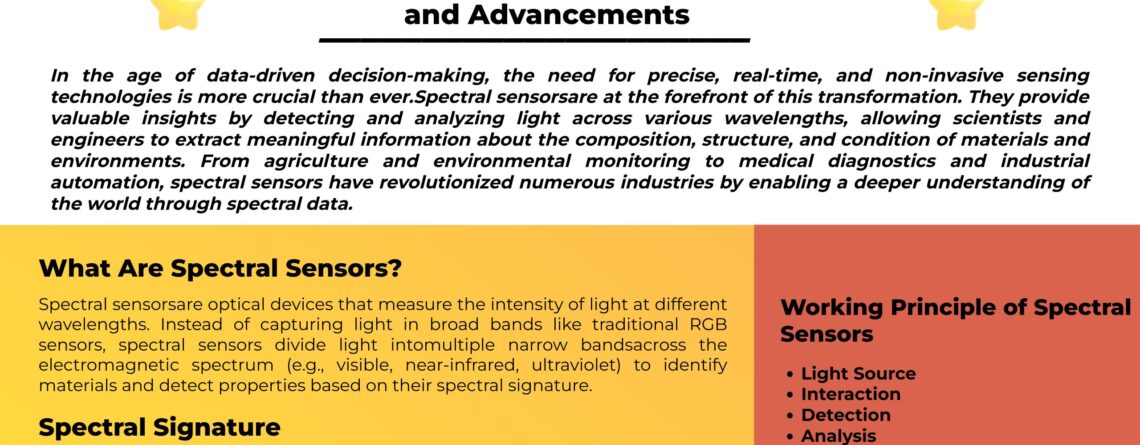
Cảm biến quang phổ: Nguyên tắc, ứng dụng và tiến bộ
In the age of data-driven decision-making, the need for precise, real-time, and non-invasive sensing technologies is more crucial than ever. Spectral sensors are at the forefront of this transformation. They provide valuable insights by detecting and analyzing light across various wavelengths, allowing scientists and engineers...
30tháng 7
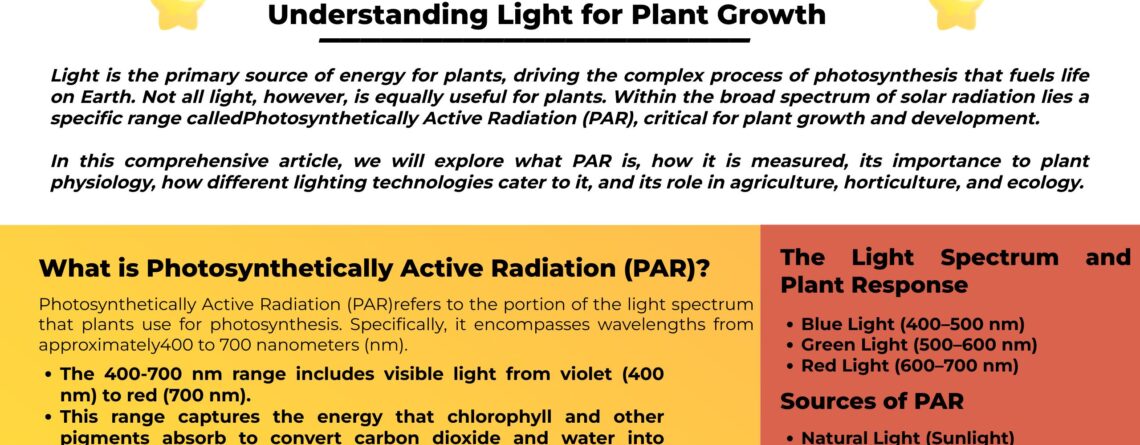
Bức xạ hoạt động quang hợp (PAR): Hiểu ánh sáng cho sự phát triển của thực vật
Light is the primary source of energy for plants, driving the complex process of photosynthesis that fuels life on Earth. Not all light, however, is equally useful for plants. Within the broad spectrum of solar radiation lies a specific range called Photosynthetically Active Radiation (PAR),...
17tháng 7
Vật lý AI: Vai trò của trí tuệ nhân tạo trong vật lý hiện đại
IntroductionArtificial Intelligence (AI) is revolutionizing countless industries, from healthcare to finance. One of the most promising and rapidly evolving intersections is Physics AI, where AI algorithms are integrated with the rigorous methodologies of physics. This fusion has opened unprecedented opportunities in theoretical modeling, experimental analysis,...
09tháng 7
Cảm biến bức xạ hoạt động quang hợp (PAR) về mặt quang hợp: Hướng dẫn chuyên sâu
1. IntroductionAgriculture, horticulture, and plant research have evolved significantly due to advancements in sensor technology. One of the critical elements in optimizing plant growth is light—specifically, the portion of light that plants use for photosynthesis. This is known as Photosynthetically Active Radiation (PAR). A PAR...
02tháng 7
Cảm biến quang học: Nguyên tắc, loại, ứng dụng và xu hướng trong tương lai
Cảm biến quang học là thành phần quan trọng trong công nghệ hiện đại, đóng vai trò thiết yếu trong các ngành công nghiệp khác nhau, từ chẩn đoán y tế đến tự động hóa công nghiệp. Những cảm biến này phát hiện những thay đổi về cường độ ánh sáng, bước sóng hoặc các đặc tính quang học khác để đo các thông số vật lý hoặc môi trường. Độ chính xác cao, thời gian phản hồi nhanh,...
27tháng sáu
Quang phổ quang phổ (PAS): Nguyên tắc, Công nghệ và Ứng dụng
1. Giới thiệu Quang phổ quang học (PAS) là một kỹ thuật phân tích mạnh mẽ được sử dụng để phát hiện và đo nồng độ các chất hóa học thông qua việc tạo ra sóng âm do sự hấp thụ ánh sáng. Được quan sát lần đầu tiên vào những năm 1880 bởi Alexander Graham Bell, hiệu ứng quang âm vẫn là một...
17tháng sáu