12tháng sáu
10tháng sáu
Hiểu MEMS (Hệ thống cơ điện tử vi mô): Nguyên tắc, ứng dụng và xu hướng trong tương lai
Hệ thống vi cơ điện tử (MEMS) là các thiết bị thu nhỏ tích hợp các thành phần cơ và điện ở quy mô vi mô. Các hệ thống này thường có kích thước từ vài micromet đến milimet và kết hợp các cảm biến, bộ truyền động, thiết bị điện tử và đôi khi thậm chí cả vi lỏng trong một con chip. Công nghệ MEMS thu hẹp khoảng cách...
06tháng sáu
Máy dò quang hóa (PID): Hướng dẫn toàn diện
Trong môi trường nơi các hợp chất hữu cơ dễ bay hơi (VOC) và khí độc gây ra mối đe dọa cho sức khỏe con người và các quy trình công nghiệp, nhu cầu phát hiện khí nhạy cảm, nhanh chóng và đáng tin cậy là rất quan trọng. Trong số các công nghệ phát hiện khí khác nhau hiện có, Máy dò quang hóa (PID) đã tạo ra một...
27Có thể
Clo (Cl₂): Thuộc tính, Ứng dụng, Nguy cơ và Phát hiện
1. IntroductionChlorine (Cl₂) is a greenish-yellow diatomic gas that is one of the most widely used chemicals in industry and water treatment. With a strong, pungent odor and powerful oxidizing properties, chlorine is essential for disinfection, chemical manufacturing, and sanitation. However, it is also a...
26Có thể
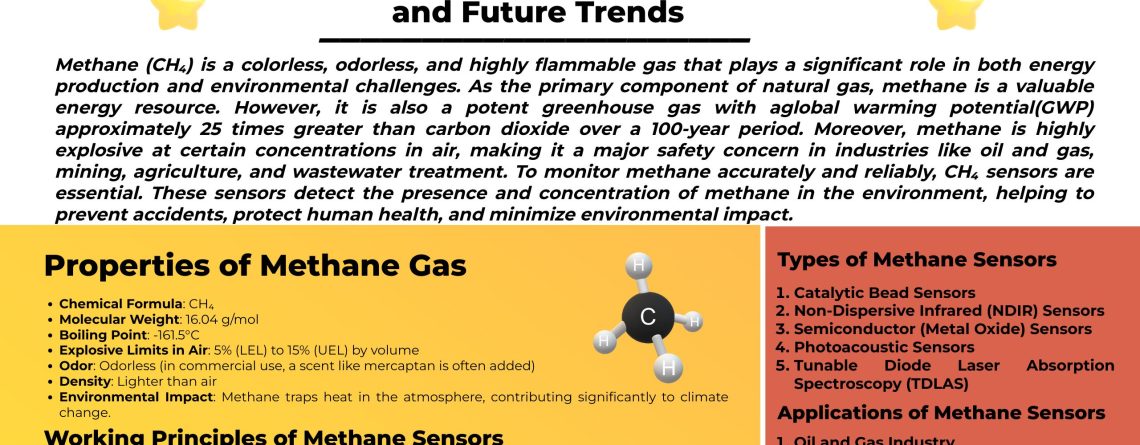
Cảm biến CH4: Công nghệ, ứng dụng và xu hướng trong tương lai
Mêtan (CH₄) là một loại khí không màu, không mùi và rất dễ cháy, đóng vai trò quan trọng trong cả sản xuất năng lượng và thách thức môi trường. Là thành phần chính của khí tự nhiên, khí mê-tan là nguồn năng lượng có giá trị. Tuy nhiên, nó cũng là một loại khí nhà kính mạnh với...
16Có thể
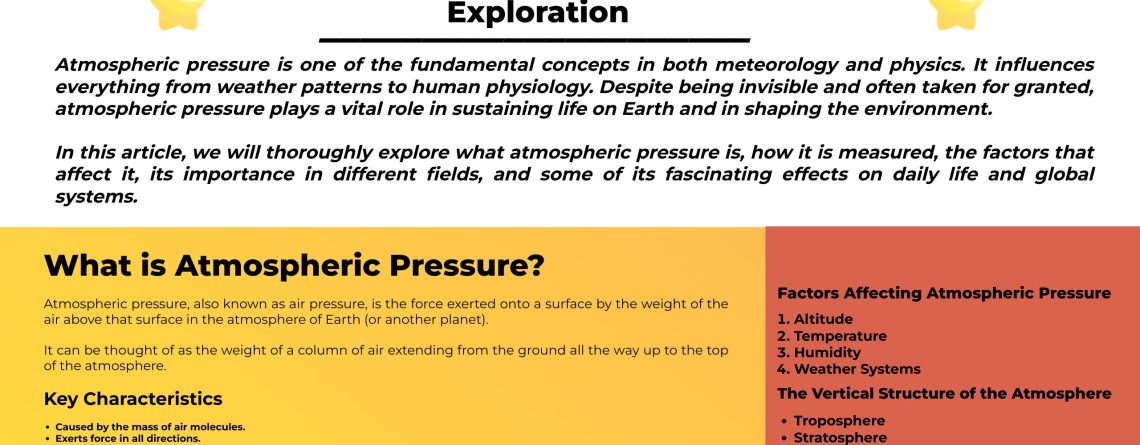
Áp lực khí quyển: Một cuộc thám hiểm toàn diện
Atmospheric pressure is one of the fundamental concepts in both meteorology and physics. It influences everything from weather patterns to human physiology. Despite being invisible and often taken for granted, atmospheric pressure plays a vital role in sustaining life on Earth and in shaping the...
12Có thể
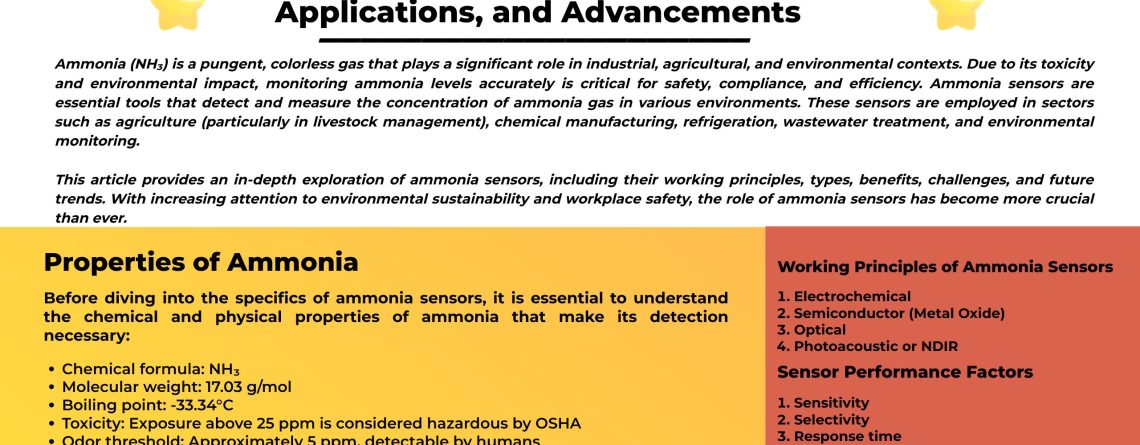
Cảm biến amoniac: Nguyên tắc, loại, ứng dụng và tiến bộ
Ammonia (NH₃) is a pungent, colorless gas that plays a significant role in industrial, agricultural, and environmental contexts. Due to its toxicity and environmental impact, monitoring ammonia levels accurately is critical for safety, compliance, and efficiency. Ammonia sensors are essential tools that detect and measure...
0số 8Có thể
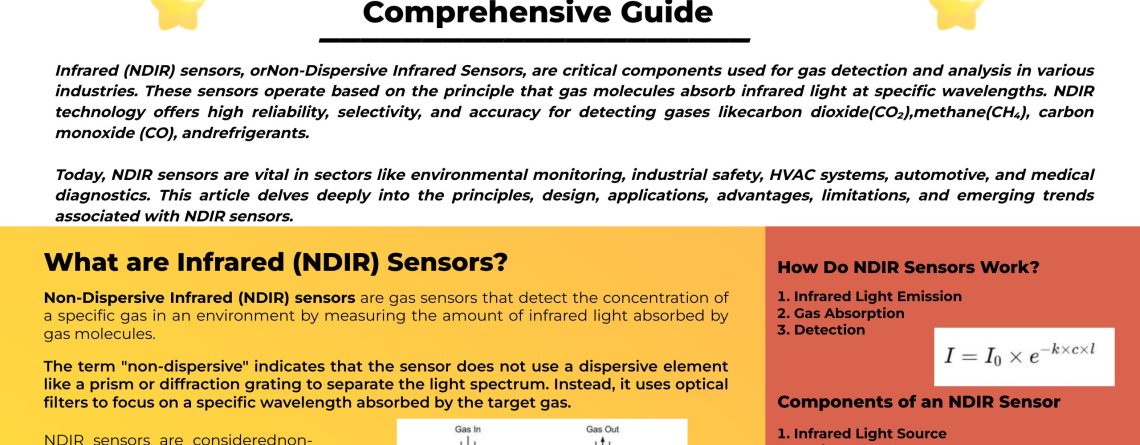
Cảm biến hồng ngoại (NDIR): Hướng dẫn toàn diện
Infrared (NDIR) sensors, or Non-Dispersive Infrared Sensors, are critical components used for gas detection and analysis in various industries. These sensors operate based on the principle that gas molecules absorb infrared light at specific wavelengths. NDIR technology offers high reliability, selectivity, and accuracy for detecting...
07Có thể
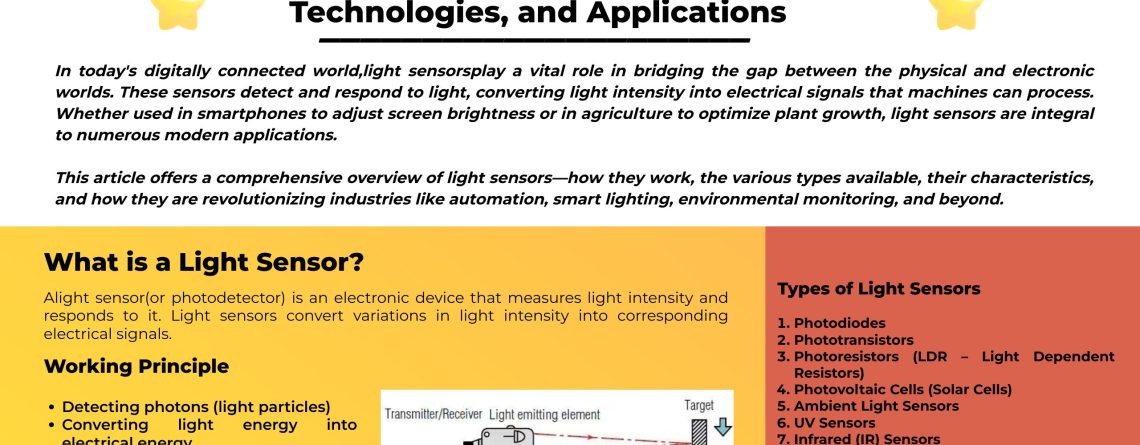
Cảm biến ánh sáng: Nguyên tắc cơ bản, công nghệ và ứng dụng
In today's digitally connected world, light sensors play a vital role in bridging the gap between the physical and electronic worlds. These sensors detect and respond to light, converting light intensity into electrical signals that machines can process. Whether used in smartphones to adjust screen...
06Có thể