Introduction
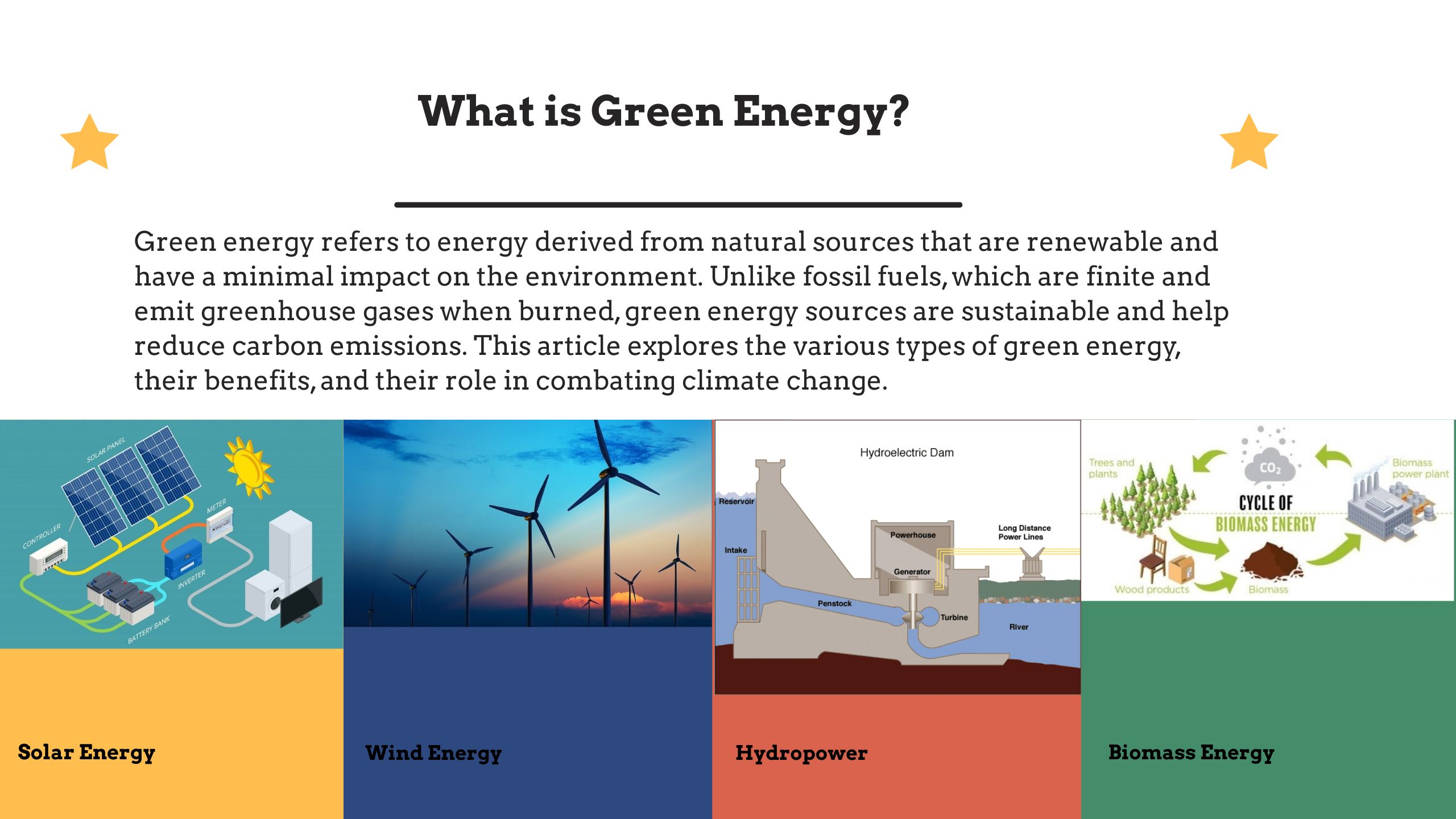
Green energy refers to energy derived from natural sources that are renewable and have a minimal impact on the environment. Unlike fossil fuels, which are finite and emit greenhouse gases when burned, green energy sources are sustainable and help reduce carbon emissions. This article explores the various types of green energy, their benefits, and their role in combating climate change.
Types of Green Energy
Solar Energy

Solar energy is harnessed from the sun using photovoltaic cells or solar panels. These panels convert sunlight directly into electricity. Solar energy is abundant, sustainable, and has seen significant advancements in technology, making it more accessible and affordable.
- Photovoltaic Systems: These systems use solar panels to convert sunlight into electricity. They can be installed on rooftops, in large solar farms, or even on portable devices.
- Solar Thermal Systems: These systems use sunlight to heat fluids, which then produce steam to drive turbines and generate electricity.
Wind Energy
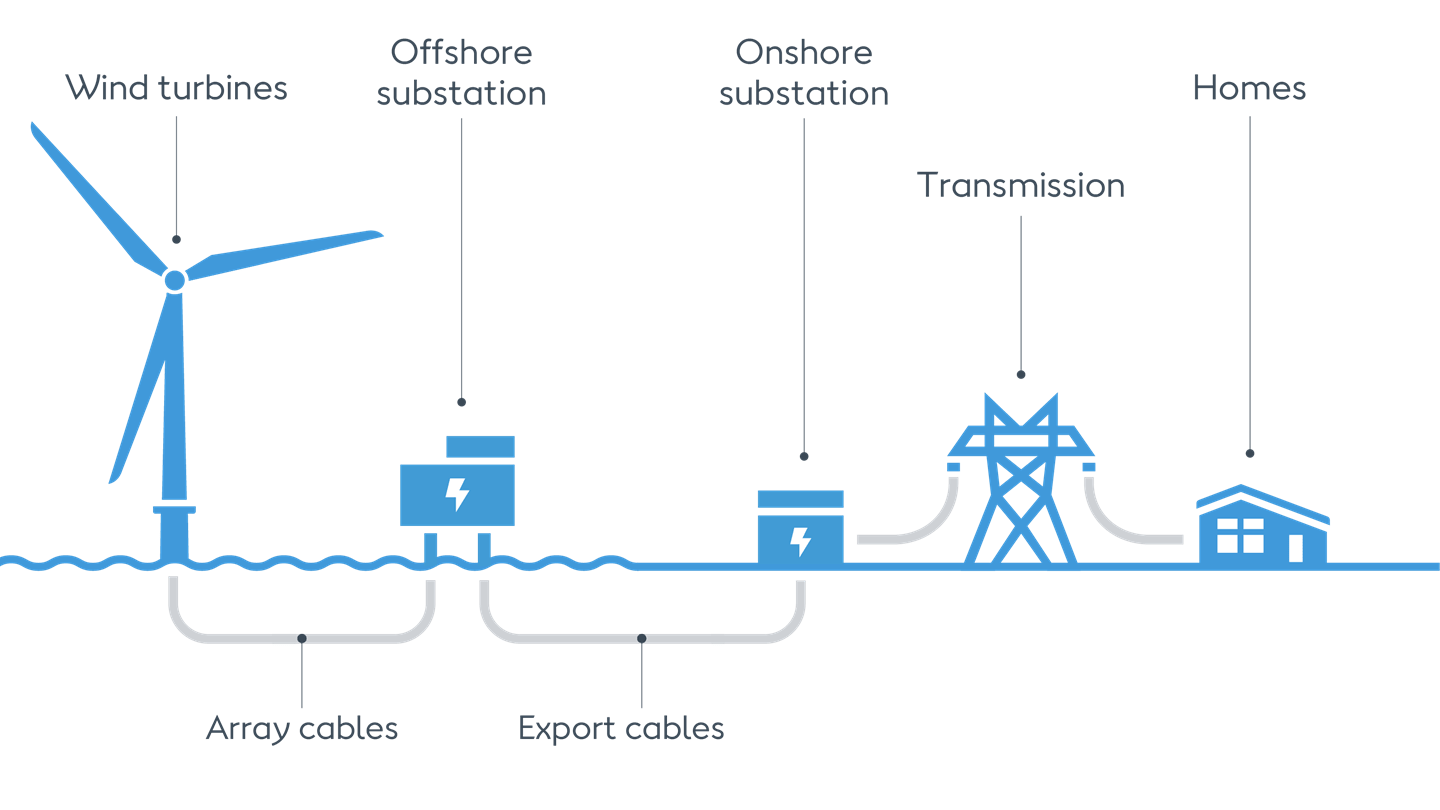
Wind energy is generated using wind turbines that convert the kinetic energy of the wind into electricity. Wind farms, which can be onshore or offshore, consist of multiple wind turbines working together to produce substantial amounts of electricity.
- Onshore Wind Farms: Located on land, these are the most common type of wind farms. They are typically found in areas with high wind speeds.
- Offshore Wind Farms: Located in bodies of water, usually in coastal areas. They benefit from stronger and more consistent wind speeds but are more expensive to build and maintain.
Hydropower

Hydropower, or hydroelectric power, is generated by harnessing the energy of moving water. Dams, rivers, and waterfalls are commonly used to generate this type of energy. It is one of the oldest and most widely used forms of renewable energy.
- Conventional Dams: Water stored in reservoirs is released to turn turbines and generate electricity.
- Run-of-the-River Systems: These systems generate electricity without the need for large dams by utilizing the natural flow of rivers.
Biomass Energy

Biomass energy is produced from organic materials such as plant and animal waste. This type of energy can be used for heating, electricity generation, and as a fuel for vehicles.
- Biofuels: Liquid fuels such as ethanol and biodiesel are derived from biomass. They can be used in traditional combustion engines.
- Biogas: Produced from the decomposition of organic waste, biogas can be used for heating, electricity, and as a fuel for vehicles.
Geothermal Energy
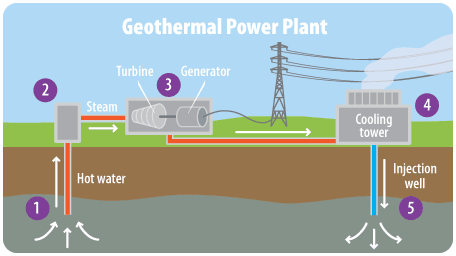
Geothermal energy harnesses the heat from within the Earth. This energy can be used for heating buildings, generating electricity, and various industrial processes.
- Geothermal Power Plants: These plants convert geothermal energy into electricity. They are typically located in regions with high geothermal activity, such as volcanic areas.
- Geothermal Heat Pumps: These systems use the stable temperatures just below the Earth’s surface to heat and cool buildings.
Benefits of Green Energy
Environmental Benefits
- Reduced Greenhouse Gas Emissions: Green energy sources produce little to no greenhouse gases, helping mitigate climate change.
- Lower Air Pollution: Unlike fossil fuels, green energy sources do not release harmful pollutants into the air, leading to better air quality and health benefits.
- Conservation of Natural Resources: Renewable energy sources are abundant and sustainable, reducing the need to exploit finite natural resources.
Economic Benefits
- Job Creation: The green energy sector creates jobs in manufacturing, installation, and maintenance of renewable energy systems.
- Energy Independence: Utilizing local renewable resources reduces dependence on imported fuels, enhancing energy security.
- Stable Energy Prices: Renewable energy sources are not subject to the same price volatility as fossil fuels, providing more predictable energy costs.
Social Benefits
- Improved Public Health: Reduced air and water pollution from green energy sources leads to fewer health issues and lower healthcare costs.
- Energy Access: Renewable energy technologies can be deployed in remote areas, providing access to electricity for communities that are not connected to the grid.
- Community Development: Investments in green energy can stimulate local economies and foster community resilience.
Challenges of Green Energy
Technological and Infrastructure Challenges
- Intermittency: Some renewable energy sources, such as solar and wind, are not available 24/7. This intermittency requires advancements in energy storage and grid management technologies.
- High Initial Costs: The upfront costs of renewable energy systems can be high, although they often pay off in the long term through savings on energy bills.
- Infrastructure Adaptation: Transitioning to green energy requires significant changes to existing energy infrastructure, which can be costly and time-consuming.
Environmental and Social Challenges
- Land Use and Habitat Disruption: Large-scale renewable energy projects can impact land use and disrupt natural habitats.
- Resource Use: The production of renewable energy technologies can require significant amounts of materials and resources, sometimes leading to environmental degradation.
The Future of Green Energy
Technological Innovations
- Advanced Energy Storage: Innovations in battery technology and other energy storage solutions are crucial for addressing the intermittency of renewable energy sources.
- Smart Grids: The development of smart grids that can efficiently manage and distribute energy from multiple sources is essential for the integration of renewable energy.
- Emerging Technologies: New technologies, such as tidal and wave energy, are being explored to diversify the green energy portfolio.
Policy and Regulatory Support
- Government Incentives: Policies such as tax credits, subsidies, and grants can encourage the adoption of renewable energy technologies.
- International Agreements: Global cooperation and agreements, like the Paris Agreement, are critical for addressing climate change and promoting renewable energy.
- Regulatory Frameworks: Establishing clear and supportive regulatory frameworks can help facilitate the growth of the green energy sector.
Public Awareness and Engagement
- Education and Advocacy: Raising awareness about the benefits of green energy and encouraging public support is vital for the transition to a sustainable energy future.
- Community Involvement: Engaging communities in renewable energy projects can enhance their acceptance and success.
FAQ
1. What is green energy?
Answer: Green energy refers to energy generated from natural, renewable sources that have minimal impact on the environment. Examples include solar, wind, hydro, biomass, and geothermal energy. These sources produce little to no greenhouse gases, making them a sustainable alternative to fossil fuels.
2. How does solar energy work?
Answer: Solar energy is harnessed using photovoltaic cells, commonly known as solar panels. These panels convert sunlight directly into electricity. Solar thermal systems can also be used, where sunlight heats a fluid to produce steam, which then drives a turbine to generate electricity.
3. What are the advantages of wind energy?
Answer: Wind energy is renewable, abundant, and produces no greenhouse gas emissions during operation. It can significantly reduce reliance on fossil fuels, create jobs, and provide energy security. Wind farms can be established onshore or offshore, with offshore farms benefiting from stronger and more consistent winds.
4. Is hydropower environmentally friendly?
Answer: Hydropower is a clean and renewable energy source that harnesses the energy of moving water. While it produces no direct emissions, large-scale hydro projects can have significant environmental impacts, such as habitat disruption and changes in water quality. However, run-of-the-river systems have a smaller ecological footprint.
5. How is biomass energy produced?
Answer: Biomass energy is generated from organic materials like plant and animal waste. These materials can be burned directly for heat, converted into biofuels such as ethanol and biodiesel, or processed into biogas through anaerobic digestion. Biomass energy is renewable and can help reduce waste.
6. What are the benefits of geothermal energy?
Answer: Geothermal energy harnesses the heat from within the Earth. It is a reliable and consistent energy source with minimal emissions. Geothermal power plants convert this heat into electricity, while geothermal heat pumps can be used for heating and cooling buildings. It is particularly effective in regions with high geothermal activity.
7. What are the main challenges of green energy?
Answer: The challenges of green energy include intermittency (for solar and wind), high initial costs, and the need for significant infrastructure changes. Additionally, large-scale projects can impact land use and habitats, and the production of renewable technologies requires substantial resources.
8. How does green energy contribute to climate change mitigation?
Answer: Green energy reduces greenhouse gas emissions by replacing fossil fuels, which are the primary source of carbon emissions. By generating electricity from renewable sources, we can lower the carbon footprint, decrease air pollution, and slow the pace of global warming.
9. What is the role of government in promoting green energy?
Answer: Governments play a crucial role in promoting green energy through policies and incentives such as tax credits, subsidies, and grants. Regulatory frameworks and international agreements, like the Paris Agreement, are essential for fostering a supportive environment for renewable energy development.
10. How can individuals support the transition to green energy?
Answer: Individuals can support green energy by adopting renewable energy technologies, such as installing solar panels or using green energy providers. Advocating for policies that promote renewable energy, reducing energy consumption, and educating others about the benefits of green energy are also effective ways to contribute.
11. What’s the difference between green energy and renewable energy?
Answer: While the terms “green energy” and “renewable energy” are often used interchangeably, they have distinct meanings. Renewable energy refers to energy sources that are replenished naturally and are essentially inexhaustible, such as solar, wind, hydro, and geothermal energy. Green energy, on the other hand, specifically refers to renewable energy sources that have a low environmental impact and produce little to no pollution or greenhouse gases. In essence, all green energy is renewable, but not all renewable energy is considered green if it has significant environmental impacts (e.g., some forms of biomass energy).
12. What’s the difference between green energy and clean energy?
Answer: Green energy and clean energy are closely related concepts, but there are subtle differences between the two. Green energy specifically refers to renewable energy sources that have minimal environmental impact, like solar, wind, and hydro energy. Clean energy is a broader term that encompasses any energy source that has a low environmental impact, including both renewable and non-renewable sources. For example, natural gas, while not renewable, can be considered a cleaner option compared to coal due to its lower carbon emissions. Thus, clean energy includes all green energy sources and also extends to other low-emission or low-pollution technologies and fuels.
13. Is Hydrogen (H2) Considered Green Energy?
Answer: Hydrogen (H2) can be considered a green energy source, but it depends on how it is produced. Hydrogen is a versatile energy carrier that can be used for electricity generation, transportation, and industrial processes. The environmental impact of hydrogen depends on its production method:
- Green Hydrogen: Produced through electrolysis using renewable energy sources like solar, wind, or hydro power. This process splits water into hydrogen and oxygen, resulting in zero carbon emissions, making it a green and sustainable energy source.
- Blue Hydrogen: Produced from natural gas through a process called steam methane reforming, where the carbon emissions are captured and stored (carbon capture and storage, CCS). While not entirely free of emissions, it is cleaner than traditional fossil fuels.
- Grey Hydrogen: Also produced from natural gas but without capturing the carbon emissions. This method is the most common but not considered green due to its significant carbon footprint.
To be classified as a green energy source, hydrogen must be produced using renewable methods that result in minimal or zero emissions. Green hydrogen, produced through electrolysis powered by renewable energy, fits this definition and holds promise for a sustainable energy future.
Conclusion
Green energy represents a critical component of the global effort to combat climate change and create a sustainable future. By harnessing the power of natural, renewable resources, green energy can provide clean, affordable, and reliable energy while minimizing environmental impact. Although challenges remain, technological innovations, supportive policies, and public engagement are paving the way for a greener and more sustainable world. As we continue to invest in and develop green energy solutions, we move closer to a future where our energy needs are met in harmony with the planet.
Portable vs Fixed Refrigerant Detection: How Their Jobs Differ
Compare handheld leak locators, fixed-point monitors and aspirating systems by sample location, response chain and commissioning needs.
Read MoreRefrigerant Identification vs Concentration Measurement: Which Test Do You Need?

Distinguish a sealed-charge identifier from ambient concentration monitoring, handheld leak location and formal refrigerant purity testing.
Read MoreHow Humidity Affects Optical PM2.5 Sensor Readings

Learn why humidity, water uptake, fog and condensation can affect optical PM2.5 estimates and how to investigate and validate a humid-air spike.
Read MoreHow to Interpret CO2 Readings in a Vehicle Cabin

Read vehicle-cabin CO2 trends alongside passengers, HVAC mode and route conditions while separating ventilation clues from particle and exhaust safety questions.
Read MoreGas Heater Monitoring at Home: Which Alarm and Sensor Does What?

Understand the separate roles of a household CO alarm, fuel-gas detector, CO2 monitor and qualified heater service, including what to do after a warning.
Read MoreHow to Plan IAQ Monitoring in Shared Indoor Spaces

Plan indoor-air-quality monitoring for libraries, waiting areas and shared rooms by matching CO2, particles and other channels to a defined decision.
Read More


