Gas sensor

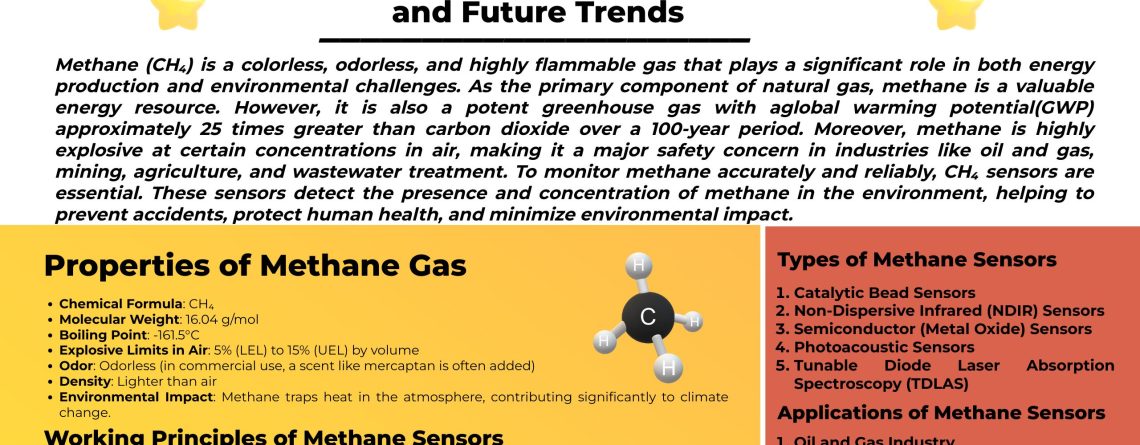
CH4 Sensors: Technologies, Applications, and Future Trends

Methane (CH₄) is a colorless, odorless, and highly flammable gas that plays a significant role in both energy production and environmental challenges. As the primary component of natural gas, methane is a valuable energy resource. However, it is also a potent greenhouse gas with a...

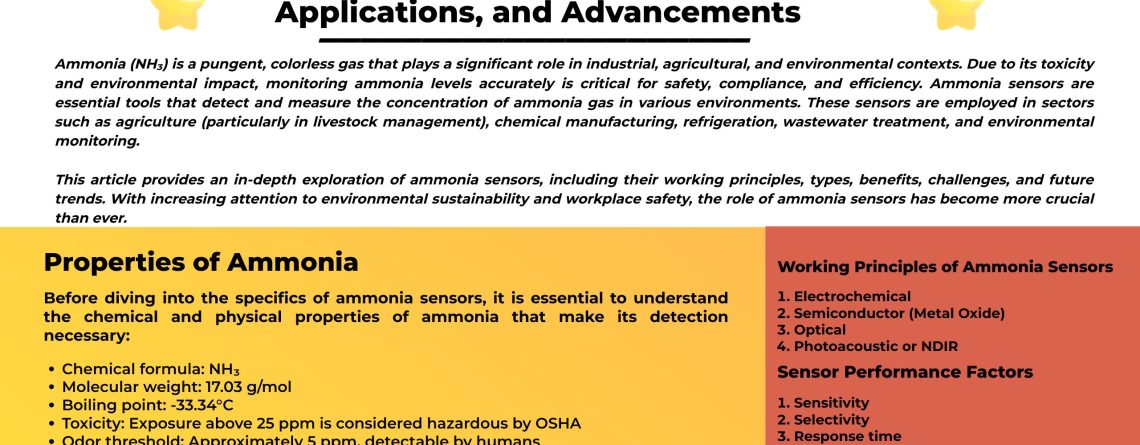
Ammonia Sensors: Principles, Types, Applications, and Advancements

Ammonia (NH₃) is a pungent, colorless gas that plays a significant role in industrial, agricultural, and environmental contexts. Due to its toxicity and environmental impact, monitoring ammonia levels accurately is critical for safety, compliance, and efficiency. Ammonia sensors are essential tools that detect and measure...

Gas Sensors Types: A Comprehensive Guide

Gas sensors play a crucial role in various industries, including industrial safety, environmental monitoring, medical diagnostics, and home automation. These sensors detect and measure different gases in the environment, ensuring safety, efficiency, and regulatory compliance. What is a Gas Sensor? A gas sensor is a device designed...
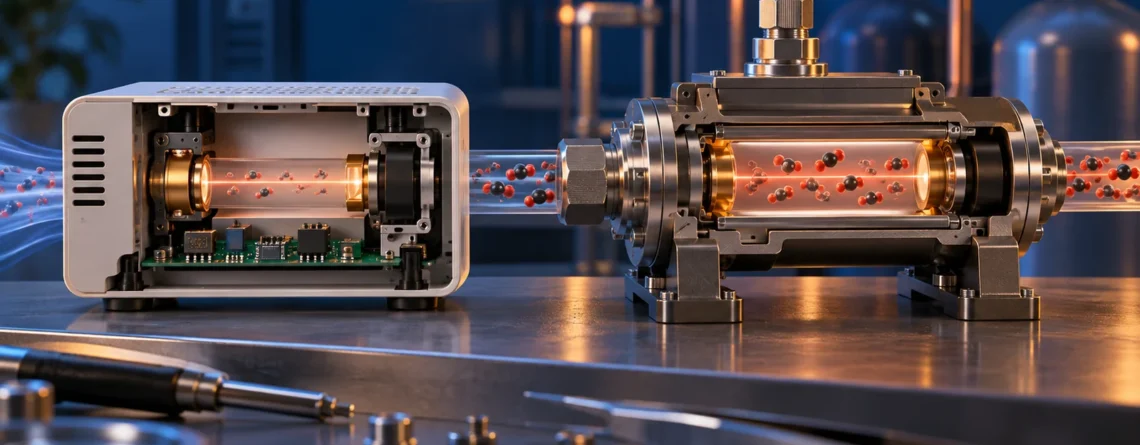
What is a CO₂ Incubator?

A CO₂ incubator is a specialized laboratory device used for cultivating and maintaining cell cultures under controlled conditions. It is widely used in medical, biological, and pharmaceutical research for growing mammalian cells, tissue cultures, and other biological samples that require a stable environment with controlled...

Gas Sensor Calibration: Ensuring Accuracy, Reliability, and Safety

Gas sensors are critical components in a variety of industries, ranging from healthcare and manufacturing to environmental monitoring and industrial safety. They are used to detect and measure the concentration of gases such as oxygen, carbon dioxide, methane, ammonia, and volatile organic compounds (VOCs). However,...