
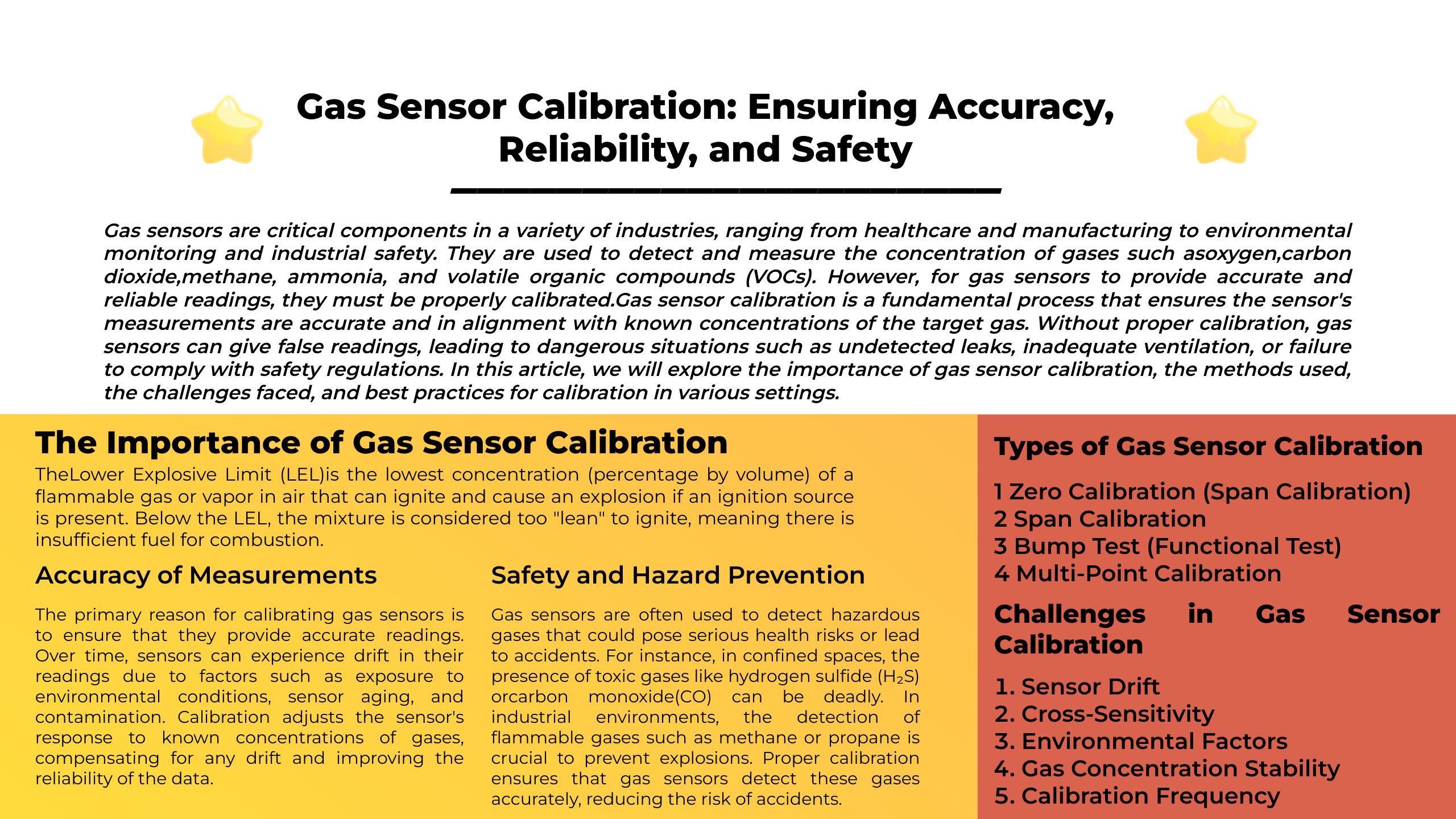
Gas sensors are critical components in a variety of industries, ranging from healthcare and manufacturing to environmental monitoring and industrial safety. They are used to detect and measure the concentration of gases such as oxygen, carbon dioxide, methane, ammonia, and volatile organic compounds (VOCs). However, for gas sensors to provide accurate and reliable readings, they must be properly calibrated.
Gas sensor calibration is a fundamental process that ensures the sensor’s measurements are accurate and in alignment with known concentrations of the target gas. Without proper calibration, gas sensors can give false readings, leading to dangerous situations such as undetected leaks, inadequate ventilation, or failure to comply with safety regulations. In this article, we will explore the importance of gas sensor calibration, the methods used, the challenges faced, and best practices for calibration in various settings.
The Importance of Gas Sensor Calibration
Gas sensors are employed in numerous applications to monitor environmental conditions, industrial processes, and public safety. The role of calibration in ensuring the effectiveness of gas sensors is crucial for several reasons:
1 Accuracy of Measurements
The primary reason for calibrating gas sensors is to ensure that they provide accurate readings. Over time, sensors can experience drift in their readings due to factors such as exposure to environmental conditions, sensor aging, and contamination. Calibration adjusts the sensor’s response to known concentrations of gases, compensating for any drift and improving the reliability of the data.
2 Safety and Hazard Prevention
Gas sensors are often used to detect hazardous gases that could pose serious health risks or lead to accidents. For instance, in confined spaces, the presence of toxic gases like hydrogen sulfide (H₂S) or carbon monoxide (CO) can be deadly. In industrial environments, the detection of flammable gases such as methane or propane is crucial to prevent explosions. Proper calibration ensures that gas sensors detect these gases accurately, reducing the risk of accidents.
3 Compliance with Regulations
Many industries, especially those related to environmental monitoring, industrial safety, and healthcare, are subject to strict regulatory requirements regarding gas detection. Calibration ensures that sensors are operating within the specified tolerances defined by standards such as OSHA (Occupational Safety and Health Administration), NIOSH (National Institute for Occupational Safety and Health), and EN standards. Regular calibration ensures compliance with these regulations and avoids potential fines or legal issues.
4 Equipment Longevity
Regular calibration can also extend the life of gas sensors by ensuring they are functioning optimally. Over time, exposure to extreme conditions or high concentrations of gases can lead to sensor degradation. Proper calibration helps detect any performance issues early, reducing the likelihood of sensor failure and allowing for timely maintenance or replacement.
Types of Gas Sensor Calibration
There are several methods available for calibrating gas sensors, each with its own advantages and limitations. The choice of calibration method depends on the type of sensor, the target gas, the environment in which the sensor operates, and the required accuracy. Below are the primary calibration methods used:
1 Zero Calibration (Span Calibration)
Zero calibration involves setting the sensor’s output to zero in a clean air environment, ensuring that the sensor is properly aligned when no target gas is present. It compensates for baseline drift, which can occur over time due to environmental factors.
Steps in Zero Calibration:
- Place the sensor in a clean, gas-free environment.
- Allow the sensor to stabilize.
- Adjust the sensor’s output to zero.
Zero calibration is typically performed before span calibration to ensure accurate readings when the sensor is exposed to the target gas.
2 Span Calibration
Span calibration involves exposing the sensor to a known concentration of the target gas and adjusting the sensor’s output to match this concentration. This process ensures that the sensor is accurately measuring the gas concentration in the operational range.
Steps in Span Calibration:
- Expose the sensor to a known concentration of the target gas (this concentration is usually provided in the sensor’s specifications or by a certified calibration gas mixture).
- Allow the sensor to stabilize and take a reading.
- Adjust the sensor’s output until it matches the known concentration of the gas.
Span calibration is often used in industries where precise measurements are necessary, such as in gas leak detection or air quality monitoring.
3 Bump Test (Functional Test)
A bump test is a quick, routine procedure used to ensure that a gas sensor is responding to the presence of the target gas. It does not involve adjusting the sensor output but instead checks whether the sensor detects the target gas and triggers the appropriate alarm.
Steps in Bump Test:
- Expose the sensor to a known concentration of the target gas.
- Ensure that the sensor responds by sounding an alarm or displaying a reading.
- If the sensor does not respond, further calibration or maintenance is required.
A bump test is often used in safety-critical applications, where it is important to verify that the sensor is functioning correctly without performing full calibration.
4 Multi-Point Calibration
Some gas sensors, especially those used in complex environments, require multi-point calibration. This method involves exposing the sensor to several known concentrations of the target gas and adjusting the sensor’s output at multiple points along the concentration range.
Steps in Multi-Point Calibration:
- Expose the sensor to multiple known concentrations of the target gas.
- Record the sensor’s output at each concentration point.
- Adjust the sensor’s output to match the known concentrations at each point.
Multi-point calibration is typically used for high-accuracy applications, where the sensor is expected to perform over a wide range of gas concentrations.
Challenges in Gas Sensor Calibration
Despite its importance, gas sensor calibration is not without its challenges. Various factors can complicate the calibration process and affect the accuracy of the results:
1 Sensor Drift
Over time, gas sensors can experience drift, where their output becomes less accurate due to aging or exposure to environmental conditions. Drift is a natural phenomenon in most sensors, especially electrochemical and metal oxide sensors. Regular calibration is essential to compensate for drift and ensure accurate readings.
Understanding Sensor Drift, What it is and How it Affects Sensor Performance
2 Cross-Sensitivity
Some gas sensors are sensitive to multiple gases, not just the target gas. This phenomenon, known as cross-sensitivity, can affect the accuracy of the sensor’s readings. For instance, a carbon monoxide sensor may also detect the presence of hydrogen or alcohols, leading to false readings. Calibration can help minimize the effects of cross-sensitivity, but it may not entirely eliminate them.
3 Environmental Factors
Environmental conditions, such as temperature, humidity, and pressure, can significantly affect the performance of gas sensors. For instance, high humidity can cause false readings in sensors that detect gases like ammonia or hydrogen sulfide. Some sensors are equipped with temperature and humidity compensation features, but these may not always be sufficient. Therefore, environmental conditions must be controlled or accounted for during calibration.
4 Gas Concentration Stability
Calibration requires a stable and reliable gas source. Calibration gases are typically supplied in cylinders with known concentrations. However, the concentration of gases in the cylinder can degrade over time, especially in older cylinders. Additionally, the calibration gas may not perfectly match the conditions of the operational environment, leading to discrepancies in the calibration results.
5 Calibration Frequency
The frequency of calibration depends on the type of sensor, the environmental conditions, and the application. For some sensors, monthly calibration may be sufficient, while others may require weekly or even daily calibration. The cost and time required for calibration can be significant, particularly for sensors used in remote or hazardous locations. Determining the appropriate calibration schedule is essential for balancing safety and operational efficiency.
Best Practices for Gas Sensor Calibration
To ensure accurate and reliable sensor readings, the following best practices should be followed during gas sensor calibration:
Choose the Right Calibration Equipment
It is important to use certified calibration gas mixtures that closely match the target gases and concentrations. Gas cylinders should be stored properly and checked for expiration dates. Using high-quality calibration equipment ensures that the calibration process is accurate and reliable.
Conduct Regular Calibration
Gas sensors should be calibrated regularly to compensate for sensor drift and ensure that they are providing accurate measurements. The frequency of calibration depends on the sensor’s operating environment, but a routine calibration schedule should be established and followed consistently.
Monitor Environmental Conditions
Gas sensor performance can be significantly impacted by environmental factors such as temperature, humidity, and pressure. When calibrating sensors, it is essential to account for these factors to ensure that the readings are accurate under real-world conditions. If possible, perform calibration in an environment that closely matches the sensor’s typical operating conditions.
Perform Bump Tests
In addition to regular calibration, it is advisable to conduct routine bump tests to quickly check the functionality of gas sensors. Bump tests help detect any issues with the sensor before they can lead to inaccurate readings or failure to detect hazardous gases.
Maintain Proper Documentation
Keeping detailed records of calibration activities is essential for quality control, regulatory compliance, and troubleshooting. Calibration logs should include the date, the calibration equipment used, the gases and concentrations applied, and the calibration results.
Conclusion
Gas sensor calibration is a critical process for ensuring the accuracy, reliability, and safety of gas detection systems. Proper calibration helps prevent accidents, maintain regulatory compliance, and extend the lifespan of sensors. By understanding the calibration methods, challenges, and best practices, industries can optimize their gas detection systems and ensure the safety of their employees and operations.
As gas sensors continue to evolve with advancements in technology, the calibration process will also improve, offering even more precise and efficient methods for maintaining accurate gas measurements. By adhering to best practices and conducting regular calibrations, industries can mitigate the risks associated with gas detection and ensure a safe working environment.
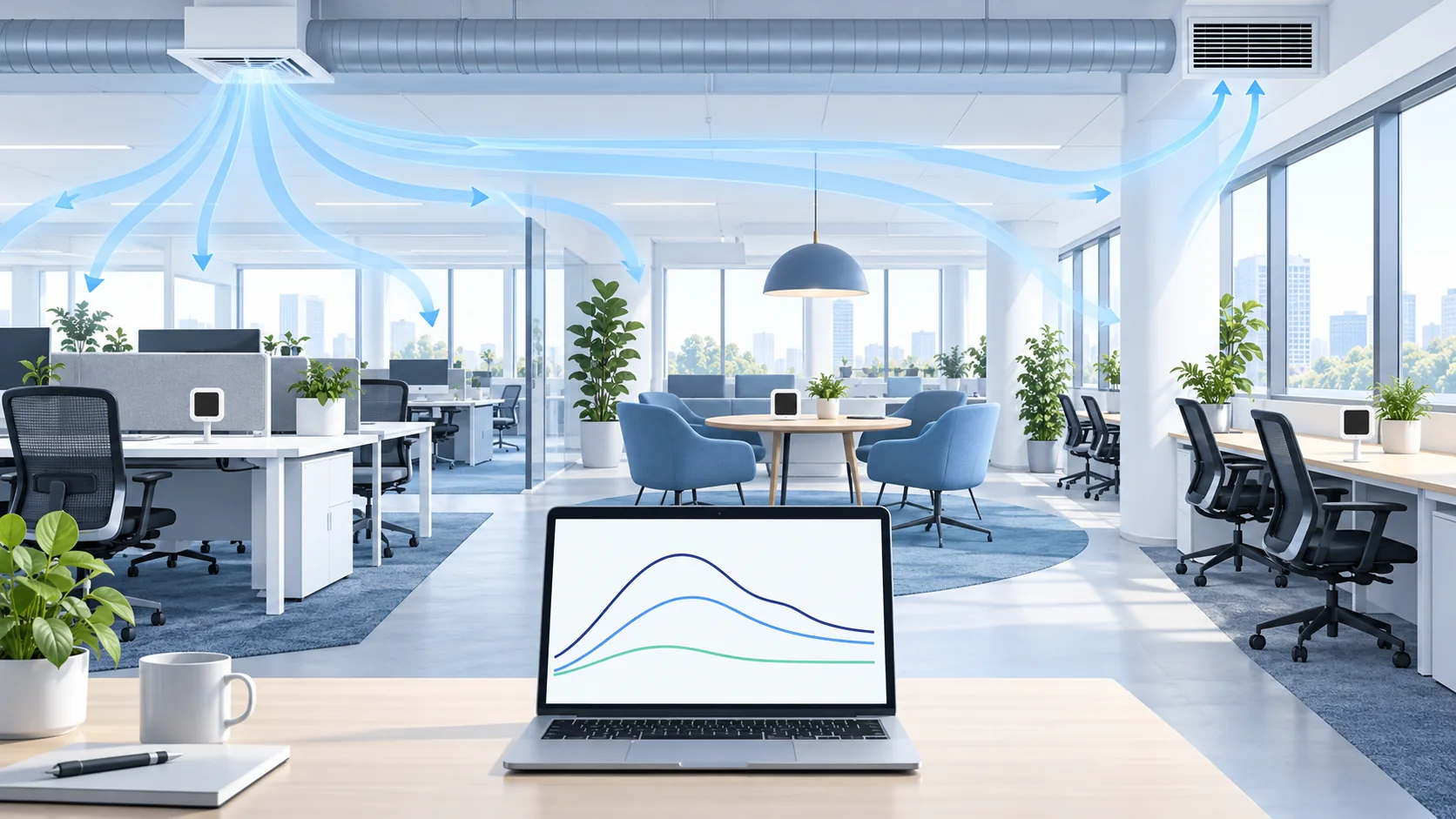
How to Compare CO2 Readings Across Open-Plan Office Zones
Compare synchronized office-zone CO2 logs after checking monitor agreement, location, occupancy and air-system events; learn when a zone difference warrants investigation.
Read More
How to Read a Meeting Room CO2 Trend Against Occupancy
Read meeting-room CO2 trends with occupancy and ventilation events, distinguishing starting level, occupied rise, intervention and post-meeting decline.
Read More
How to Plan CO2 Monitor Placement in an Office
Plan representative office CO2 monitor locations by measurement purpose, occupancy and air paths, then verify positions and log context before using the data.
Read More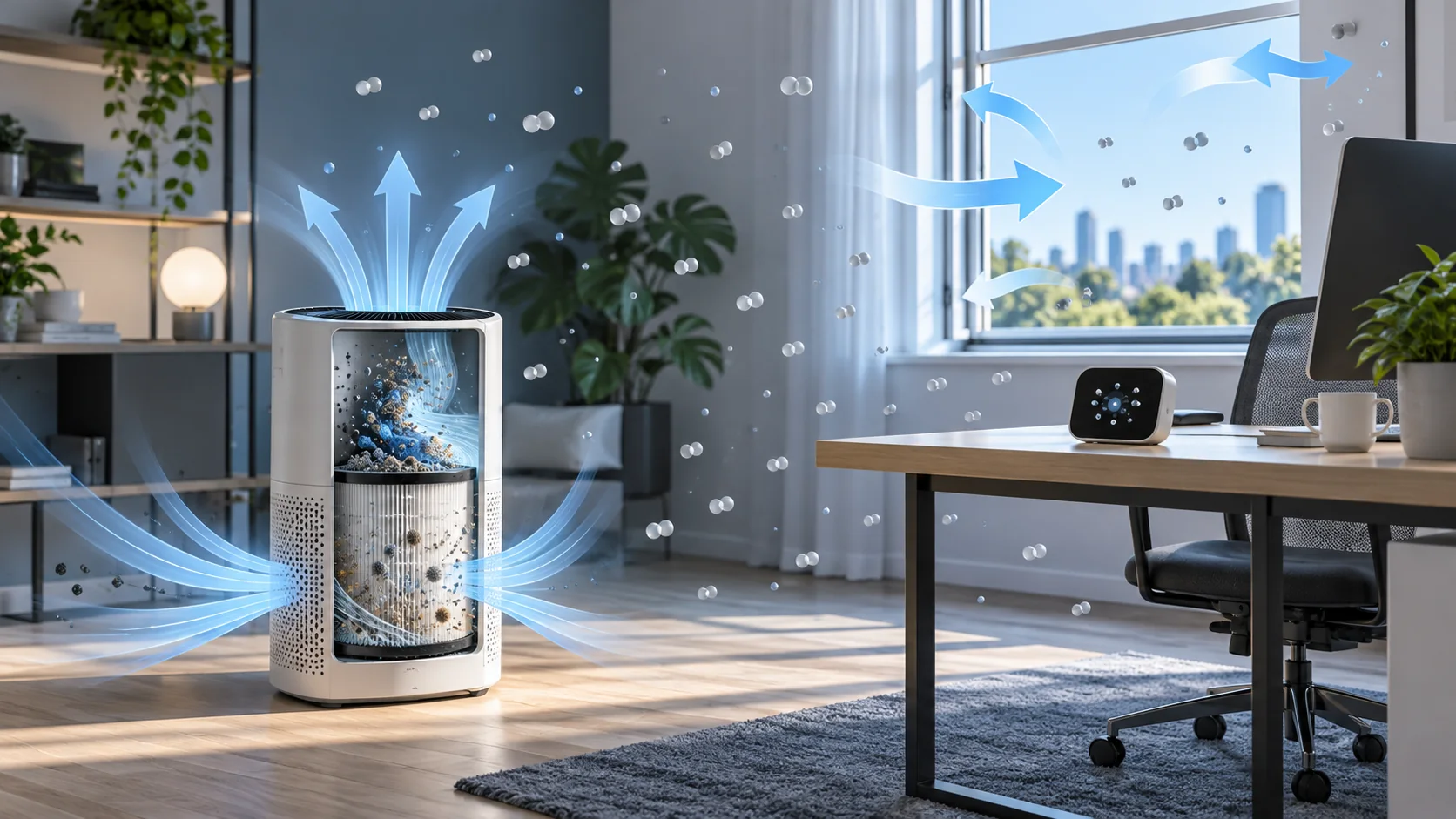
Do Air Purifiers Lower CO2? Separate Filtration from Outdoor-Air Exchange
Ordinary HEPA purifiers capture particles but do not meaningfully remove occupant-generated CO2. Learn to separate recirculation, outdoor-air ventilation and monitor mixing effects.
Read More
How to Read an Overnight Bedroom CO2 Log
Interpret an overnight bedroom CO2 trace using its starting level, rise, plateau and morning response while checking logger quality, air paths and comparable nights.
Read More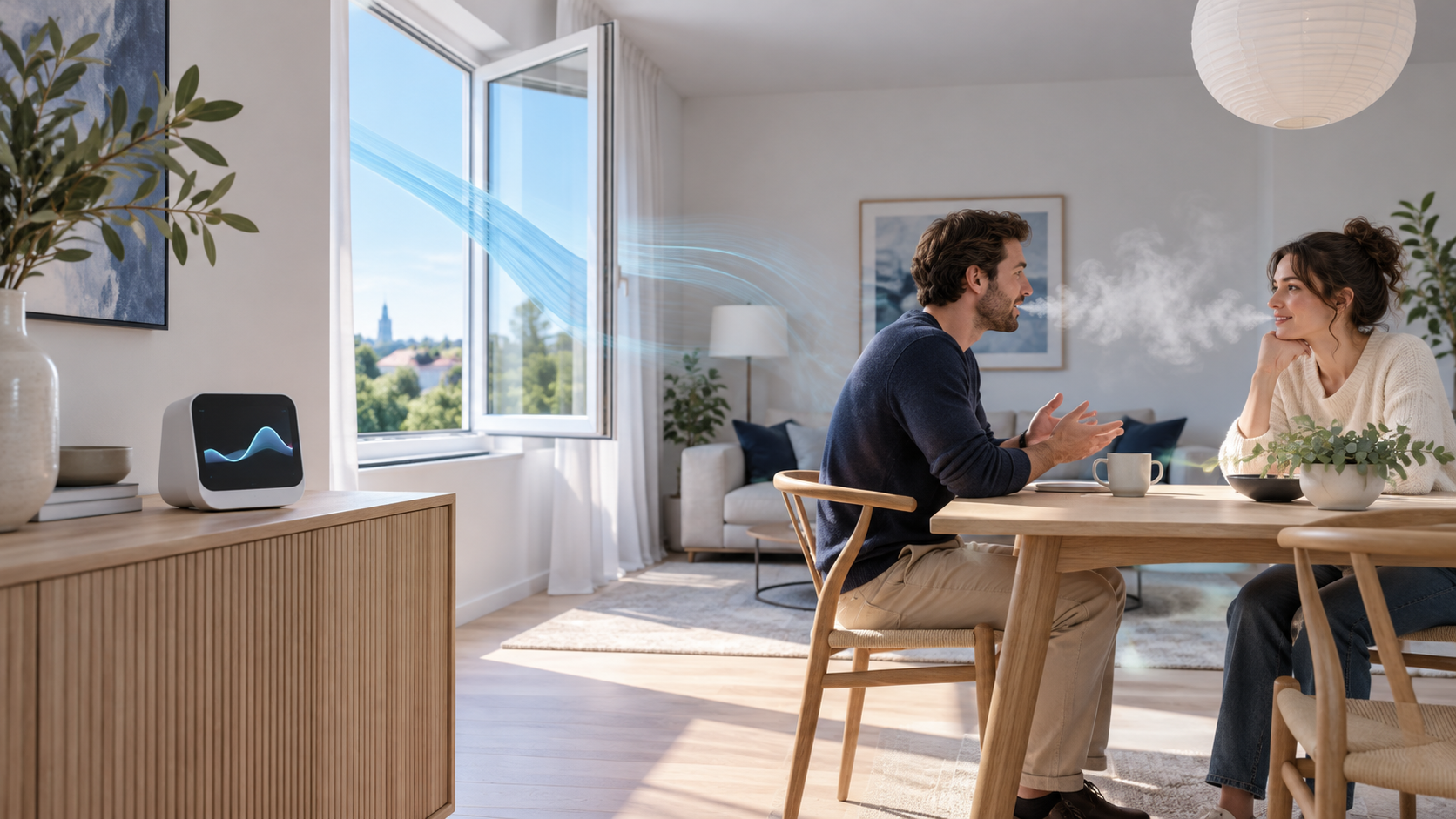
How to Interpret CO2 Trends at Home: Read the Pattern, Not One Number
Learn how occupancy, outdoor air, room mixing and monitor placement shape a home CO2 trace, and use a repeatable log to test ventilation changes.
Read More