

In the world of sensors, accuracy is paramount. Whether it’s detecting hazardous gases, measuring temperature, or monitoring pressure, sensors are integral to ensuring the safety and efficiency of operations across a range of industries. However, for sensors to provide precise data, they must be calibrated regularly. One of the most important forms of calibration is span calibration.
Span calibration refers to the process of adjusting a sensor’s output to reflect accurate readings over its full measurement range. This is crucial for sensors used in critical applications such as gas detection, environmental monitoring, medical devices, and industrial automation. Without proper span calibration, sensors may produce inaccurate readings, leading to potential risks, inefficiencies, or even safety hazards.
In this article, we will delve into the concept of span calibration, discussing its importance, how it is carried out, the challenges involved, and best practices to ensure sensors maintain optimal performance.
What is Span Calibration?
Span calibration is the process of adjusting a sensor’s response to match the known values of a reference standard over its entire range. For gas sensors, this typically involves calibrating the sensor to known concentrations of a specific gas, ensuring that the sensor’s output is accurate across its full measurement span.
In simple terms, while zero calibration focuses on setting the baseline (zero), span calibration focuses on setting the upper limit or span of the sensor’s measurement range. This ensures that the sensor responds accurately when exposed to varying levels of the target substance or parameter.
For example, a gas sensor that detects carbon monoxide (CO) might have a measurement range from 0 to 1000 parts per million (ppm). To perform span calibration, the sensor would be exposed to a known concentration of CO, and adjustments would be made to ensure the sensor’s output correctly reflects that concentration. The process involves not just zeroing out the sensor but also ensuring it measures higher concentrations accurately.
The Importance of Span Calibration
Span calibration is crucial for a number of reasons, particularly in industries where sensor data plays a pivotal role in ensuring safety, operational efficiency, and regulatory compliance.
Ensuring Accurate Measurements
One of the most obvious reasons for span calibration is to ensure that the sensor provides accurate readings throughout its measurement range. If the sensor’s span is not properly calibrated, it could lead to errors in data interpretation. For instance, a gas sensor that is not properly span-calibrated may not accurately detect high concentrations of gases, leading to dangerous situations in industrial environments or medical applications.
Preventing Sensor Drift
Sensors, especially those exposed to harsh environmental conditions, are prone to drift over time. Drift occurs due to changes in environmental factors like temperature, humidity, or pressure, as well as the gradual degradation of the sensor components. Span calibration helps correct for any drift, ensuring that the sensor continues to produce accurate results over its full range.
Meeting Regulatory Standards
In many industries, including healthcare, environmental monitoring, and industrial safety, regulatory bodies require that sensors undergo regular calibration to ensure their accuracy. For example, in gas detection systems used in hazardous areas, regulations often specify that sensors must be calibrated to known gas concentrations at least once a year. Failure to perform proper span calibration could lead to non-compliance with industry standards, resulting in fines or safety violations.
Enhancing Operational Safety
In applications such as industrial safety, medical gas monitoring, or environmental protection, inaccurate sensor readings could have serious safety implications. Inaccurate gas readings could fail to trigger alarms when dangerous levels of a gas are present, leading to health risks or catastrophic accidents. Span calibration ensures that sensors provide precise readings, thus enhancing the overall safety of personnel and the environment.
Improving Sensor Longevity and Performance
Regular span calibration can also help extend the lifespan of sensors by identifying when the sensor is no longer performing optimally. By detecting any performance degradation, technicians can determine whether the sensor needs to be cleaned, repaired, or replaced. Proper calibration also ensures that the sensor operates at peak efficiency, maximizing its lifespan and minimizing the need for costly repairs or replacements.
How Span Calibration Works
Span calibration is typically performed after zero calibration. While zero calibration adjusts the sensor’s baseline, span calibration adjusts the sensor’s response at higher concentrations of the target gas or parameter. The process may vary slightly depending on the type of sensor, but the general steps involved in span calibration are as follows:
Preparing the Calibration Equipment
To perform span calibration, it is essential to have the proper calibration equipment, which typically includes:
- Calibration Gas or Standard: This is a known concentration of the target gas (for gas sensors) or a reference material for other sensor types (e.g., standard pressure or temperature for pressure and temperature sensors).
- Flow Regulator or Calibration System: This system delivers the calibration gas or reference material to the sensor at a controlled flow rate.
- Calibrator or Calibration Software: A digital device or software that interfaces with the sensor to monitor and adjust its output.
Setting Up the Sensor
Before beginning span calibration, ensure the sensor is properly warmed up and operating in a stable environment. For gas sensors, it is important to ensure that the sensor is in clean air or zeroed out first (zero calibration). Once the sensor has been stabilized, you can proceed with span calibration.
Exposing the Sensor to Known Concentrations
During span calibration, the sensor is exposed to a known concentration of the target gas or parameter. For example, a gas sensor might be exposed to a gas mixture that contains 50% of the full-scale concentration (e.g., 500 ppm of a gas in a sensor with a range of 0-1000 ppm). The calibration system will introduce the calibration gas at a controlled rate and allow the sensor to stabilize.
Adjusting the Sensor Output
Once the sensor has been exposed to the known concentration, the sensor’s output is compared to the expected value. If the output does not match the known concentration, adjustments are made to the sensor’s response. This is typically done using the sensor’s adjustment interface or calibration software. The goal is to ensure that the sensor’s output matches the reference standard as closely as possible.
Verifying Calibration
After the sensor has been adjusted to reflect the correct span, it is important to verify that the calibration has been performed correctly. This can be done by exposing the sensor to additional known concentrations of the target gas and checking that the output accurately reflects these concentrations across the entire measurement range.
Documenting the Calibration Process
It is essential to document all span calibration procedures, including the date, the sensor type, the calibration gas used, and the results of the calibration. This documentation is critical for quality control, regulatory compliance, and troubleshooting purposes.
Common Challenges in Span Calibration
While span calibration is a necessary and straightforward process, it is not without its challenges. Below are some common issues that can arise during span calibration and how to address them:
Sensor Drift and Aging
As sensors age, their performance may degrade, leading to inaccurate readings even after calibration. Over time, the sensor’s sensitivity or response characteristics may change, necessitating more frequent calibration or replacement.
Solution: Regular Calibration and Sensor Maintenance
Performing regular calibration and monitoring sensor performance over time can help identify when drift is occurring. Sensors that show significant drift should be replaced or repaired promptly.
Environmental Influences
Environmental factors such as temperature, humidity, and atmospheric pressure can influence sensor readings. This is particularly true for gas sensors, which may respond differently to gases under varying environmental conditions.
Solution: Environmental Compensation
Many advanced sensors are designed to compensate for environmental changes, but it’s essential to ensure that calibration is done in a stable environment. Additionally, environmental factors should be taken into account during calibration, and adjustments should be made if necessary.
Interference from Contaminants
Certain gases or chemicals in the environment can interfere with sensor readings, especially in environments with high levels of contaminants. These interferences can lead to inaccurate span calibration.
Solution: Clean Environment and Proper Sensor Placement
Ensure that the sensor is calibrated in a clean, contaminant-free environment. Additionally, sensors should be placed in locations where interference is minimized.
Best Practices for Span Calibration
To ensure accurate and reliable span calibration, it is important to follow these best practices:
Use High-Quality Calibration Standards
Always use high-quality, certified calibration gases or standards for span calibration. The accuracy of the calibration gas directly affects the accuracy of the sensor’s calibration.
Perform Calibration Regularly
Span calibration should be performed on a regular basis, especially in environments where sensors are exposed to harsh conditions. Many sensors have recommended calibration intervals, and following these guidelines can help maintain sensor accuracy.
Document Calibration Procedures
It is important to document all calibration activities, including the type of sensor, calibration gas, and results. This documentation is useful for tracking sensor performance, ensuring regulatory compliance, and troubleshooting.
Ensure Proper Environmental Conditions
Perform span calibration in stable environmental conditions to reduce the risk of environmental factors affecting the results. Temperature, humidity, and atmospheric pressure should be monitored and controlled during the calibration process.
Conclusion
Span calibration is a crucial aspect of ensuring that sensors provide accurate, reliable, and consistent measurements across their full range. It is a process that helps compensate for sensor drift, environmental factors, and potential interference, enabling sensors to operate at peak efficiency. Regular span calibration not only enhances operational safety but also helps meet regulatory requirements, extend the lifespan of sensors, and ensure that measurement data is accurate and actionable.
By following best practices, using high-quality standards, and ensuring proper documentation, companies can optimize their calibration procedures, providing more precise data and minimizing the risks associated with sensor errors.

How to Read A2L Refrigerant Detection Documentation
Read A2L detector data sheets, component approvals, control-system evidence and appliance instructions as one traceable detection and mitigation chain.
Read More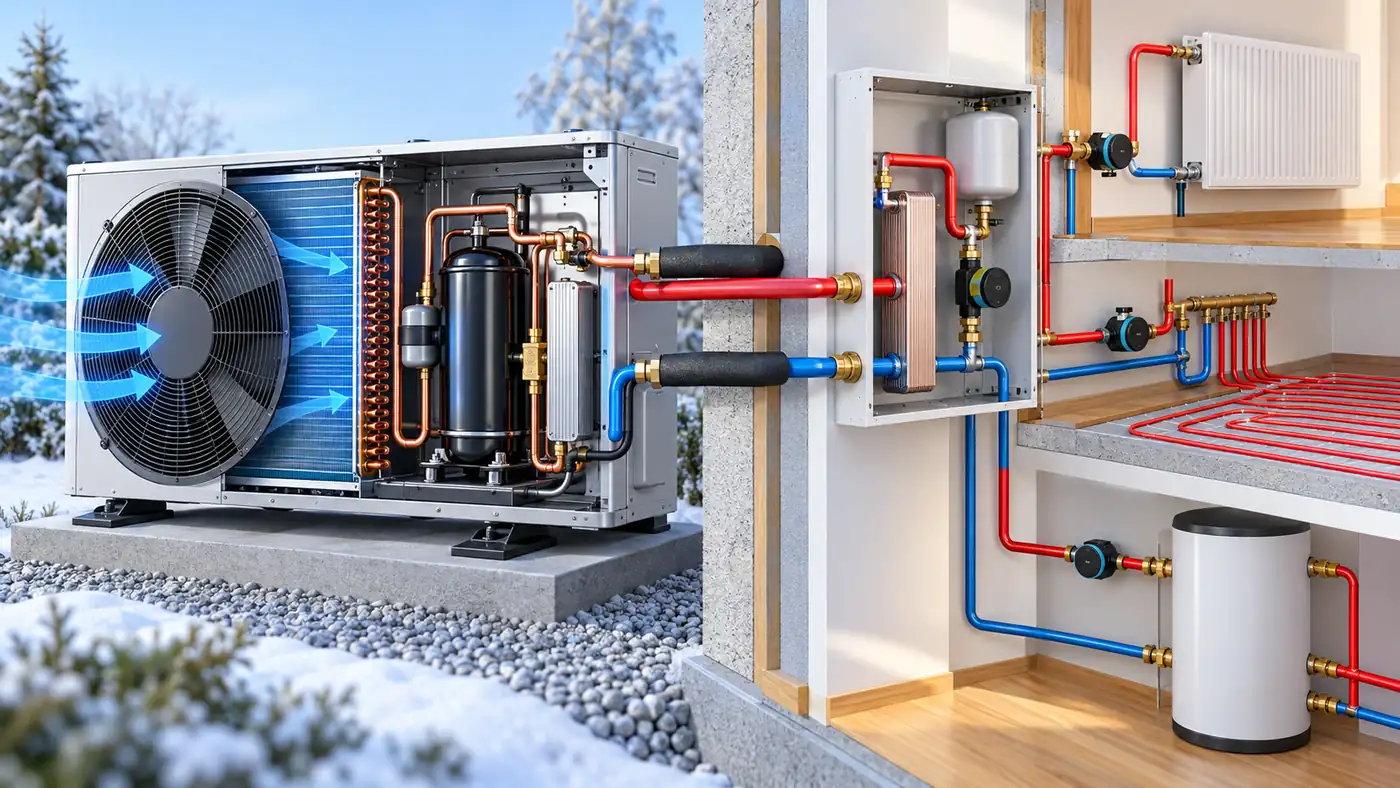
Which Sensors Does a Heat Pump Need for Useful Monitoring?
Choose heat-pump temperature, flow, electrical, pressure and refrigerant-safety measurements by system type and the decision each channel supports.
Read More
What Should a Refrigeration Monitoring Procurement Worksheet Include?
Use a decision-led procurement worksheet to compare refrigeration process, cold-room and ambient gas monitoring with verifiable evidence.
Read More
How Should a Refrigerant Detection Module Be Integrated into HVAC Equipment?
Integrate refrigerant detection modules with the right gas profile, inlet location, monitored interface, fault response and full-system validation.
Read More
Which Pressure Readings Actually Help Diagnose an HVAC System?
Interpret HVAC pressure readings by medium, measurement point, operating mode and paired temperature before forming a diagnosis.
Read More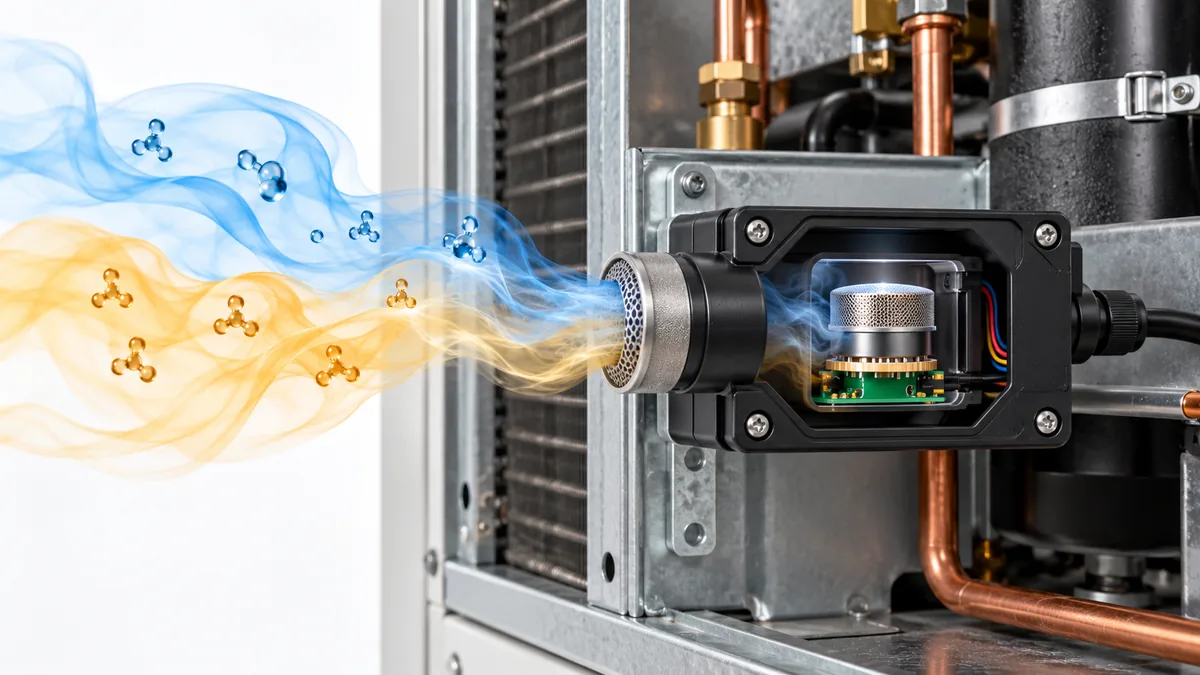
Can Another Gas Trigger a Refrigerant Detector? Reading Cross-Sensitivity Claims
Understand refrigerant-detector cross-sensitivity, compare NDIR and MOS evidence, and read gas-interference claims without dismissing a real alarm.
Read More