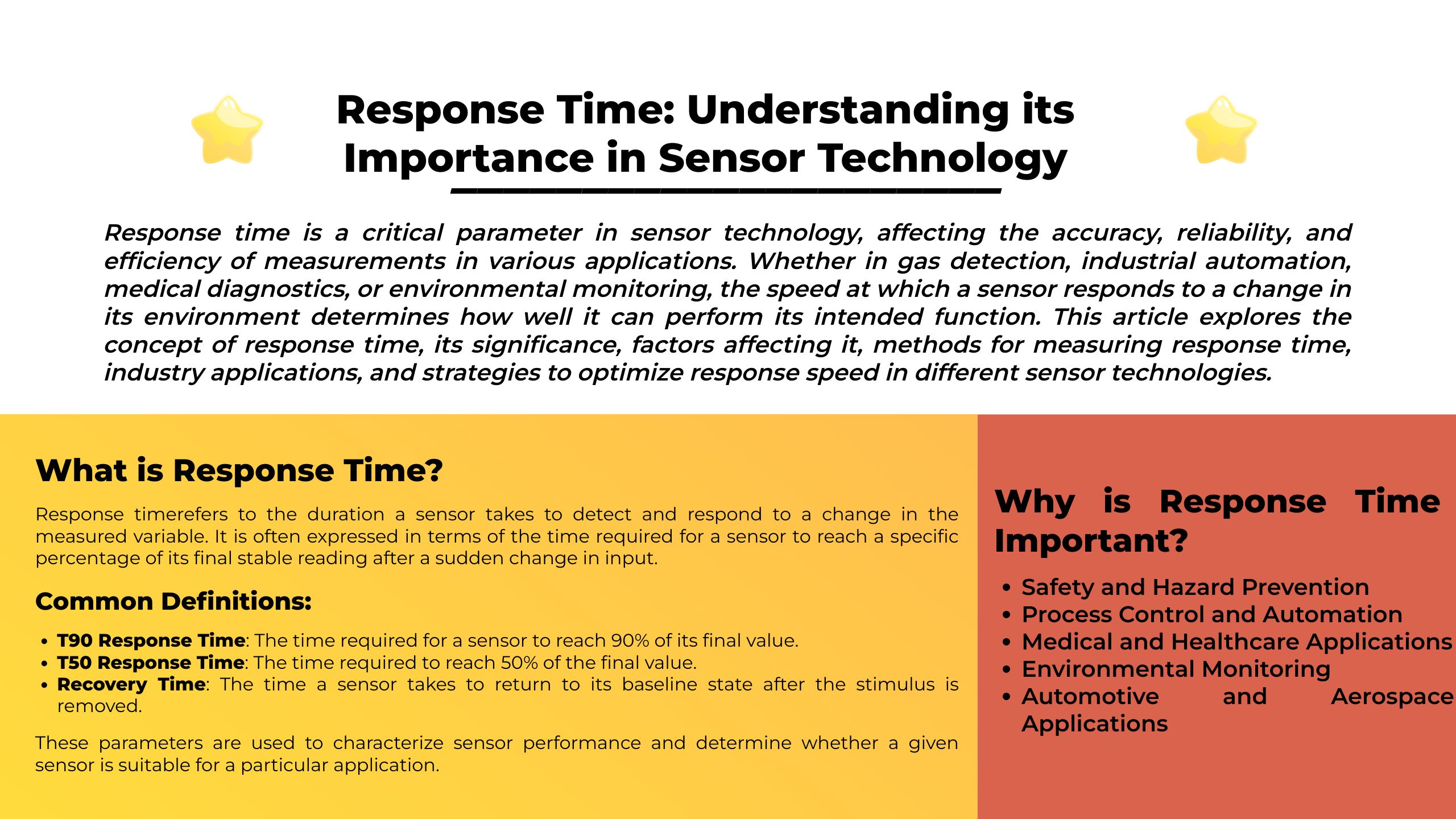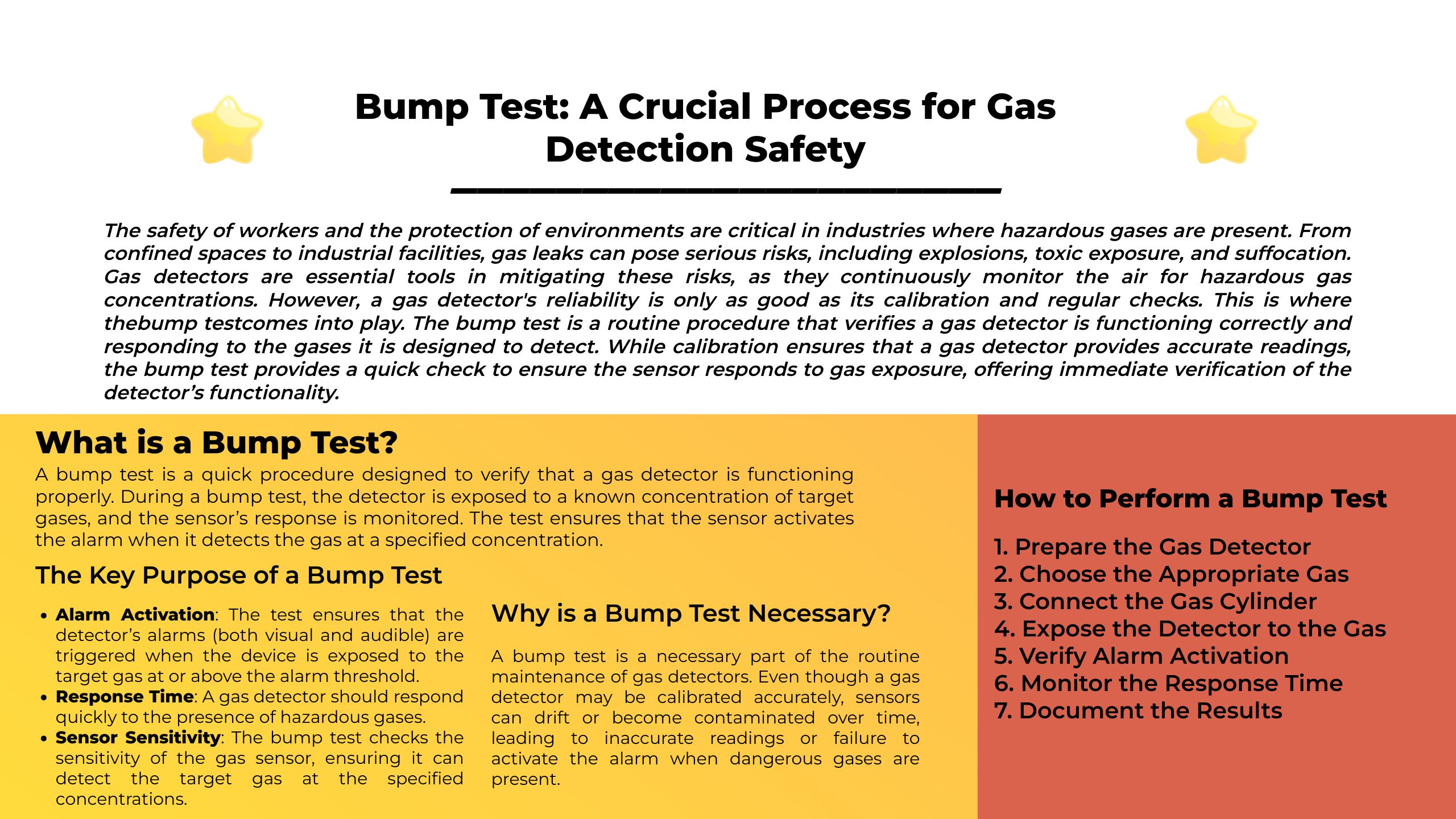
In the field of sensor technology, accuracy and reliability are crucial for obtaining precise measurements. However, one common challenge that sensor users encounter is sensor drift. In this article, we will explore what sensor drift is, its causes, and its impact on sensor performance.
What is Sensor Drift?
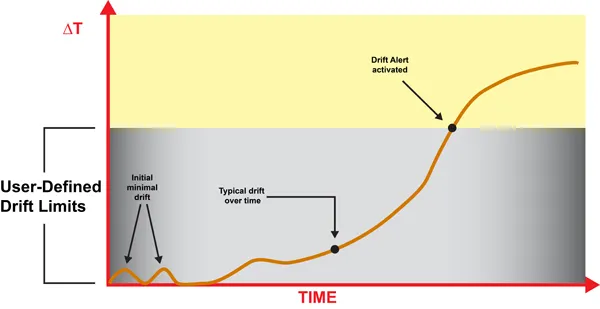
(Source: miinet.com)
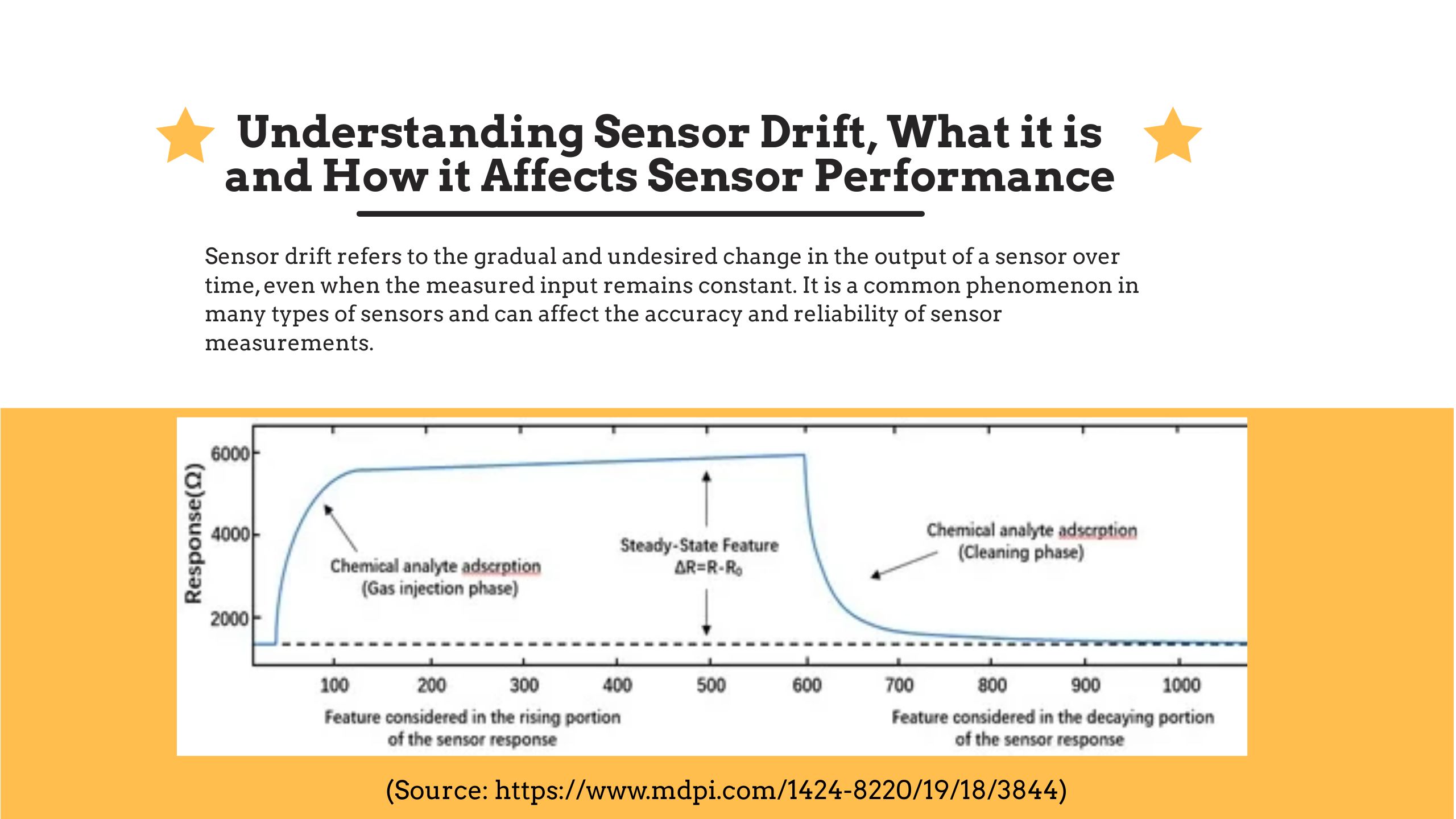
Sensor drift refers to the gradual and undesired change in the output of a sensor over time, even when the measured input remains constant. It is a common phenomenon in many types of sensors and can affect the accuracy and reliability of sensor measurements.
Sensor Drift Factors
Aging and Wear
As sensors age, their internal components may degrade or wear out, leading to changes in their performance. This aging process can result in shifts in sensitivity, offset, or linearity, causing sensor drift. Over time, the materials used in the sensor may undergo chemical changes or fatigue, affecting their ability to accurately measure the intended parameter.
Environmental Conditions
Environmental factors such as temperature, humidity, pressure, and vibration can significantly impact sensor performance and contribute to drift. Extreme temperatures can cause expansion or contraction of materials, leading to changes in sensor characteristics. High humidity levels can cause corrosion or moisture damage, affecting the sensor’s functionality. Vibrations, especially in industrial or automotive applications, can cause mechanical stress on the sensor, leading to drift.
Contamination
Accumulation of dust, dirt, or other contaminants on the sensor’s surface or within its internal parts can interfere with its readings and contribute to sensor drift. Contamination can hinder the sensor’s response time, sensitivity, and accuracy. It is essential to protect sensors from external contaminants to maintain their performance and prevent drift.
Electrical and Electromagnetic Interference
Electrical noise or interference from nearby equipment or other sources can introduce errors in the sensor’s output and contribute to drift. Electrical noise can disrupt the sensor’s signal processing, leading to inaccurate readings. Electromagnetic interference (EMI) from power lines, high-frequency devices, or radio signals can also affect the sensor’s performance and cause drift.
The Risks of Sensor Drift
When sensor drift goes unchecked, it can compromise the integrity of measurements and lead to erroneous data interpretation.
Inaccurate Measurements
One of the primary risks of sensor drift is the production of inaccurate measurements. As the sensor’s output deviates from its calibrated state, the readings become increasingly unreliable. Inaccurate measurements can lead to incorrect decisions, faulty analysis, and ineffective control of processes or systems relying on sensor data. This risk is particularly critical in safety-critical applications, where accurate measurements are vital for preventing accidents or hazards.
Reduced Reliability
Sensor drift undermines the reliability of measurements, making it difficult to trust the integrity of the data. When sensor readings fluctuate over time, it becomes challenging to establish a consistent baseline for analysis or comparison. Unreliable data can lead to misinterpretation, erroneous conclusions, and ineffective problem-solving. It erodes confidence in the sensor’s performance and raises doubts about the overall reliability of the measurement system.
Calibration Requirements
Sensor drift often necessitates regular calibration to correct for the deviation and maintain accurate readings. Without periodic calibration, the drift-induced errors can accumulate, leading to larger deviations and greater measurement uncertainty. Frequent calibration requirements add both time and cost to the maintenance of the sensor, creating logistical challenges for users. Failure to adhere to proper calibration schedules can exacerbate the risks associated with sensor drift.
Impact on Data Analysis and Trends
Sensor drift can significantly impact data analysis and trend identification. When drift is present, it becomes challenging to discern genuine changes in the measured parameter from the effects of the drift itself. This can lead to false trends, misinterpretation of data patterns, and incorrect predictions. Accurate detection and understanding of real changes in the measured parameter become obscured, hindering effective decision-making and problem-solving.
Increased Maintenance and Replacement Costs
Persistent sensor drift can accelerate the aging process of the sensor, leading to a shorter lifespan. Drift-induced errors can cause additional wear and tear on the sensor’s components, requiring more frequent maintenance or replacement. Increased maintenance and replacement costs can strain budgets and impact operational efficiency, especially in applications where multiple sensors are involved.
How to Prevent Sensor Drift?
Preventing sensor drift is crucial for maintaining accurate and reliable measurements. While it may not be possible to completely eliminate drift, there are several proactive measures that can significantly minimize its impact.
Proper Sensor Selection:
Choose sensors that are known for their stability and resistance to drift. Consider factors such as long-term stability, temperature compensation capabilities, and the manufacturer’s reputation for producing reliable sensors.
Environmental Control:
Maintain a stable and controlled environment for your sensors. Minimize exposure to extreme temperatures, humidity, vibrations, and other environmental conditions that can impact sensor performance. Use protective enclosures or housings to shield sensors from dust, dirt, and contaminants.
Regular Calibration:
Implement a regular calibration schedule for your sensors. Calibration corrects for any deviations caused by drift, ensuring that measurements remain accurate. Follow the manufacturer’s recommendations for calibration intervals and procedures. Consider using traceable reference standards for calibration to ensure accuracy.
Quality Maintenance Practices:
Adopt proper maintenance practices to keep sensors in optimal condition. Regularly clean sensor surfaces to remove contaminants that can interfere with readings. Inspect and replace worn-out components, such as seals or O-rings, to prevent leakage or damage. Follow the manufacturer’s guidelines for sensor maintenance.
Monitoring and Trend Analysis:
Implement a robust monitoring system to continuously track sensor performance. Monitor drift over time and compare the sensor’s output with reference standards or known values. Analyze trends in the sensor’s readings to detect any gradual changes that could indicate drift. Early detection allows for timely intervention and calibration.
Electrical Noise Mitigation:
Minimize electrical noise and interference that can affect sensor performance. Properly ground the sensor and use shielded cables to reduce electromagnetic interference. Keep sensors away from high-power electrical equipment or sources of electrical noise.
Training and Documentation:
Ensure that personnel responsible for sensor installation, maintenance, and calibration receive proper training. Document all calibration and maintenance activities, including dates, procedures, and results. This documentation helps track the history of each sensor and aids in identifying any potential issues or patterns of drift.
Redundancy and Cross-Validation:
In critical applications, consider implementing redundancy by using multiple sensors to measure the same parameter. Cross-validate the readings from different sensors to identify any discrepancies or signs of drift. Redundancy provides a backup and allows for comparison to ensure reliable measurements.
How to Handle Drift, Calibrate Your Sensors?
- Identify Drift:
Regularly monitor and analyze the sensor’s output to identify signs of drift. Look for gradual changes in readings over time that cannot be attributed to external factors or known variations in the measured parameter. - Determine the Cause:
Investigate the potential factors contributing to drift. Consider environmental conditions, aging, contamination, electrical interference, or inadequate calibration/maintenance practices. Understanding the underlying cause is essential for implementing the appropriate corrective measures. - Recalibration:
When drift is detected, recalibrate the sensor to correct for the deviation. Follow the manufacturer’s recommended calibration procedures and use traceable reference standards for accuracy. Calibration brings the sensor back to its calibrated state and helps restore accurate measurements. - Adjust for Drift:
In some cases, recalibration may not be immediately feasible. If this is the case, consider applying a correction factor or adjustment to the sensor’s readings to compensate for the drift. This can help mitigate the impact of drift until recalibration can be performed. - Environmental Control:
If environmental conditions are contributing to the drift, take steps to stabilize the sensor’s environment. Use temperature-controlled chambers, humidity control measures, vibration isolation techniques, or other appropriate methods to minimize environmental influences on the sensor. - Maintenance and Cleaning:
Regularly clean the sensor to remove contaminants that may be affecting its performance. Inspect and replace worn-out components if necessary. Proper maintenance practices help minimize the risk of drift and ensure optimal sensor functioning. - Data Analysis and Trend Monitoring:
Continuously monitor and analyze the sensor’s output to detect any recurring or persistent drift. Look for patterns or trends in the drift to identify potential underlying causes. This analysis can help fine-tune preventive measures and identify when recalibration or maintenance is required. - Documentation and Record-Keeping:
Maintain thorough documentation of all calibration, adjustment, and maintenance activities related to the sensor. This documentation helps track the history of the sensor, identify recurring issues, and ensure compliance with calibration schedules. - Consider Replacement:
If sensor drift persists despite corrective measures, it may be necessary to consider replacing the sensor. Over time, sensors can reach a point where drift becomes difficult to manage effectively. Replacement ensures reliable and accurate measurements in such cases.
How to Calibrate Your Sensors?
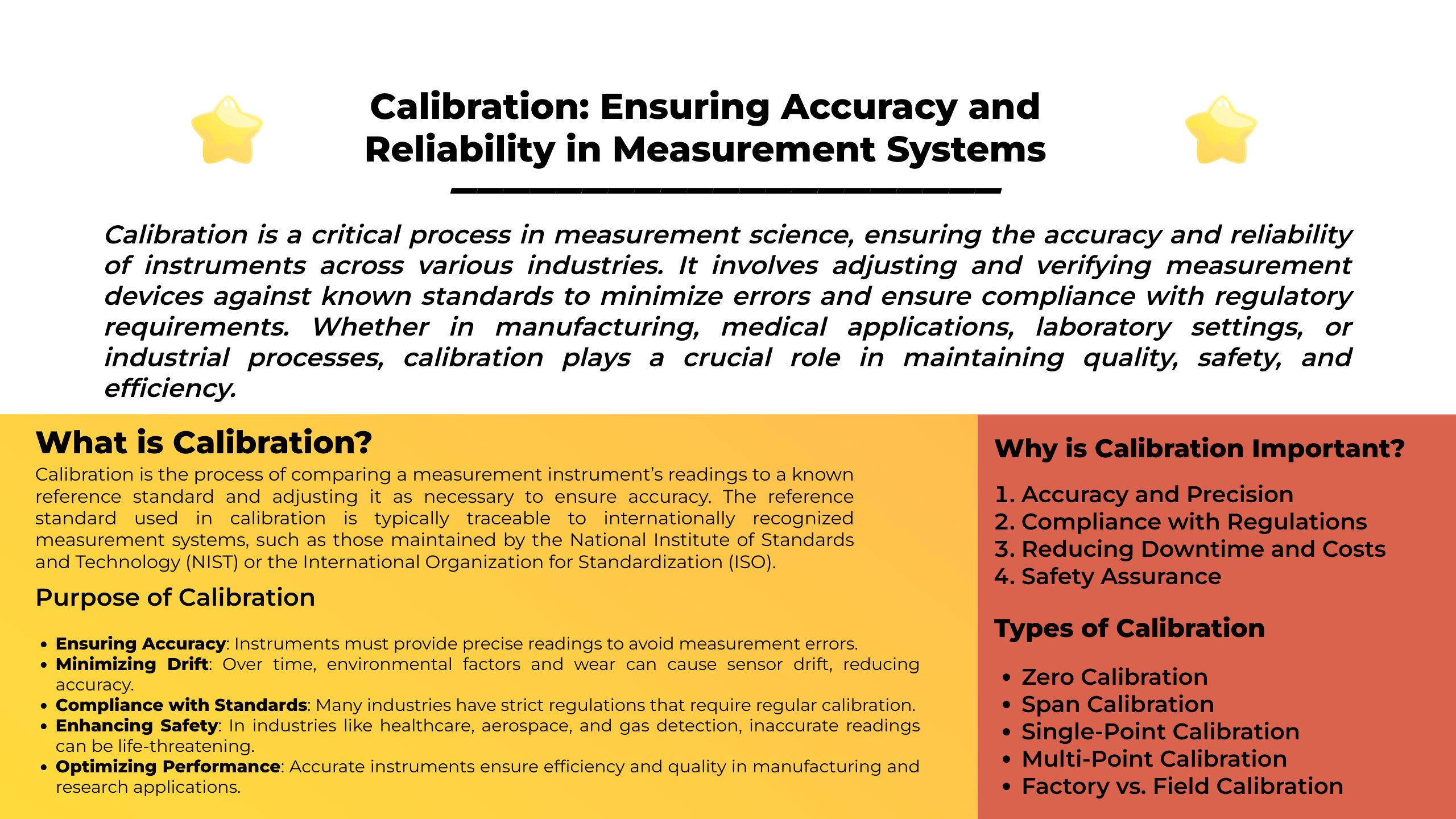
Calibrating sensors is an essential step to ensure accurate and reliable measurements.
1. Understand Calibration Requirements
Familiarize yourself with the manufacturer’s guidelines and specifications for calibrating the sensor. This includes understanding the calibration interval, recommended calibration procedures, and any specific requirements for the sensor model.
2. Gather Calibration Equipment
Collect the necessary calibration equipment, which may include reference standards, calibration software, calibration chambers, test equipment, and calibration certificates. Ensure that the calibration equipment is traceable to recognized national or international standards.
3. Prepare the Sensor
Before starting the calibration process, ensure that the sensor is clean and in proper working condition. Remove any contaminants or debris from the sensor’s surface and inspect for any signs of damage or wear that may affect its performance.
4. Establish a Calibration Setup
Set up a controlled environment that closely matches the operating conditions in which the sensor will be used. This includes controlling temperature, humidity, and any other relevant environmental factors. Use a calibration chamber or other appropriate equipment to create the desired conditions.
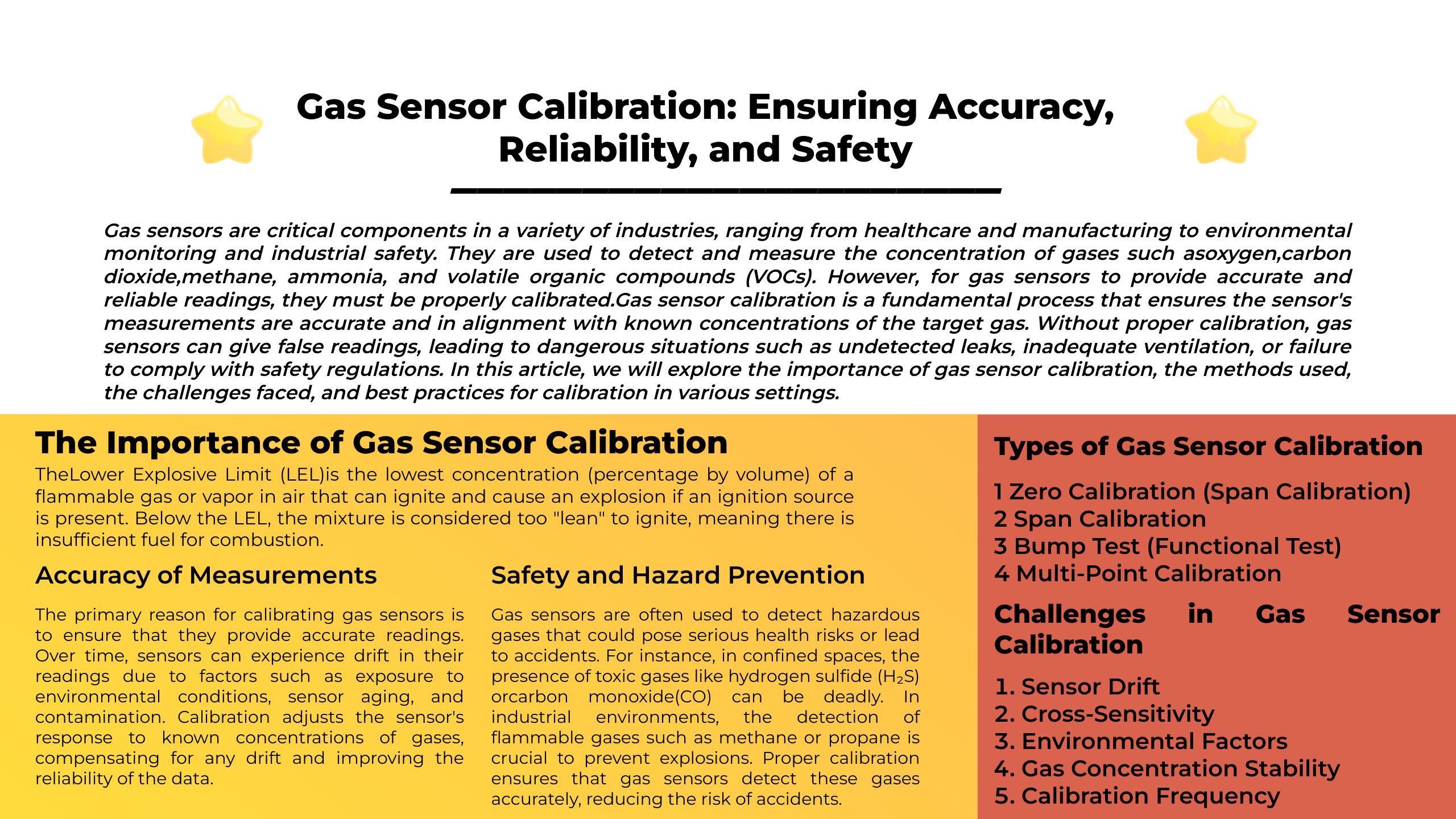
5. Perform Zero Calibration
Perform a zero calibration to establish the baseline measurement. Zero calibration involves ensuring that the sensor reads zero when there is no input or when the input is at a known reference point. Follow the manufacturer’s instructions for zero calibration, which may involve adjusting the sensor output to zero using appropriate controls.
6. Perform Span Calibration
Perform a span calibration to determine the sensor’s response over the entire measurement range. This involves applying a known input or reference value to the sensor and comparing the sensor’s output to the expected value. Adjust the sensor’s output as needed to match the reference value.
7. Verify Linearity and Accuracy
After performing zero and span calibrations, verify the linearity and accuracy of the sensor’s response across the measurement range. This involves taking multiple readings at different points within the range and comparing them to the expected values. Adjust the sensor output as necessary to ensure linearity and accuracy.
8. Document Calibration Results
Record all calibration data, including the calibration date, environmental conditions, calibration equipment used, reference values, and the sensor’s output readings. This documentation serves as a record of the calibration process and can be used for future reference or audits.
9. Update Calibration Certificates
If applicable, update the calibration certificates for the sensor. This involves documenting the calibration results, including the reference values, deviations, and any adjustments made during the calibration process. The updated calibration certificates provide evidence of the sensor’s calibration status.
10. Establish Calibration Schedule
Establish a regular calibration schedule for the sensor based on the manufacturer’s recommendations, the sensor’s stability, and the specific requirements of your application. Adhering to a regular calibration schedule ensures that the sensor remains accurate and reliable over time.
Importance of Regular Calibration
Accuracy Assurance
Calibration corrects for any deviations or inaccuracies in sensor readings, ensuring that measurements are accurate and reliable. Over time, sensors may drift due to factors such as environmental conditions, aging, or wear and tear. Regular calibration brings the sensor back to its calibrated state, minimizing measurement errors and maintaining accuracy.
Compliance with Standards
Many industries and regulatory bodies have specific standards and requirements for measurement accuracy. Regular calibration ensures that your sensors meet these standards and comply with regulatory guidelines. Compliance is crucial for maintaining quality control, meeting legal requirements, and ensuring customer satisfaction.
Traceability and Documentation
Calibration provides traceability by establishing a documented chain of measurements. Traceability is important for demonstrating the accuracy and reliability of measurements, especially in industries that require traceable measurement records. Calibration documentation serves as evidence of calibration history and can be used for audits, quality assurance, and legal purposes.
Performance Optimization
Regular calibration helps identify and address any issues or anomalies in sensor performance. It allows for the detection of subtle changes or drift in measurements, enabling proactive maintenance and adjustments. By optimizing sensor performance through calibration, you can enhance the overall quality and reliability of your data or products.
Cost Savings
Calibration helps prevent costly errors, rework, and product failures that can result from inaccurate measurements. By maintaining accurate measurements through regular calibration, you can avoid the potential costs associated with substandard products, customer complaints, or process inefficiencies. Calibration also helps extend the lifespan of sensors by identifying and addressing any performance issues early on.
Confidence in Measurements
Regular calibration instills confidence in the accuracy and reliability of measurements. It provides assurance that the data generated by your sensors is trustworthy and can be relied upon for decision-making, process control, or product quality. This confidence is crucial for ensuring the integrity of your operations and maintaining a competitive edge.
Continuous Improvement
Calibration data and trends can provide valuable insights into the performance and behavior of your sensors. By analyzing calibration results over time, you can identify patterns, anticipate potential issues, and implement preventive measures. This continuous improvement approach helps optimize sensor performance and enhances overall measurement reliability.
Conclusion
Sensor drift is a common challenge in sensor technology that can impact the accuracy and reliability of measurements. Aging, environmental factors, contamination, and electrical noise are among the key factors contributing to sensor drift. Understanding the causes and implications of drift is essential for selecting appropriate mitigation strategies, such as regular calibration and maintenance. By addressing sensor drift effectively, users can ensure accurate and reliable sensor performance over the long term.