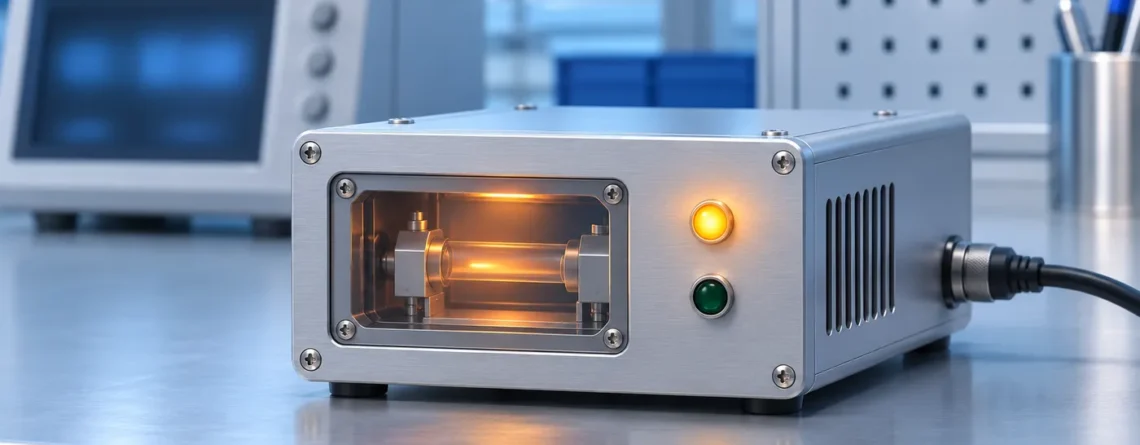
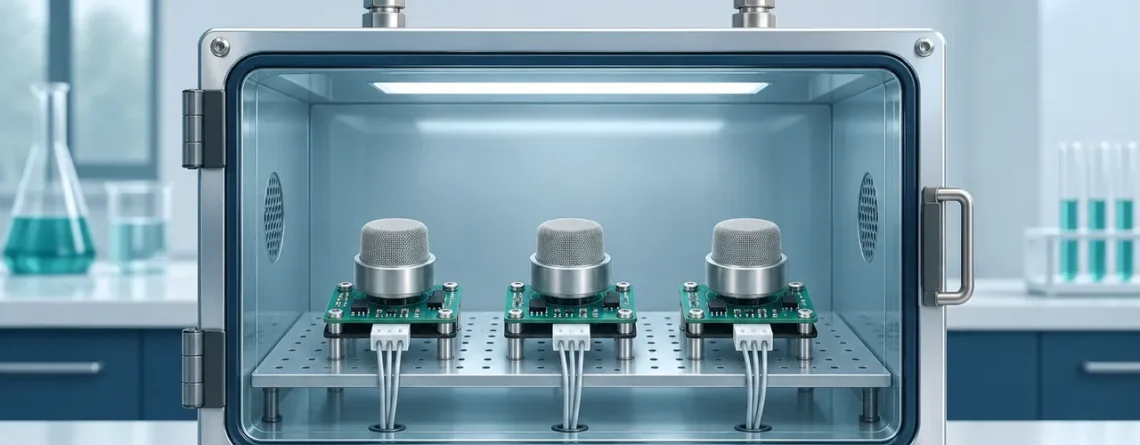
Sensor One Stop2026-11-11T08:45:35+08:00When is a gas sensor ready to measure? Separate startup, full accuracy warmup, environmental settling, sample arrival and valid-data status.
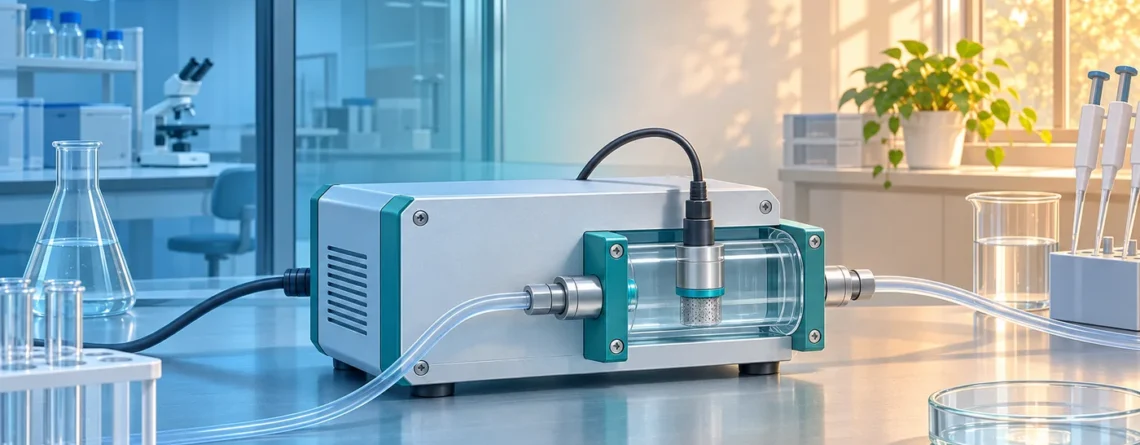
Sensor One Stop2026-11-11T08:44:07+08:00A breath response can show that a CO2 reading changes, but unknown concentration, mixing, humidity and response time prevent it from establishing accuracy.
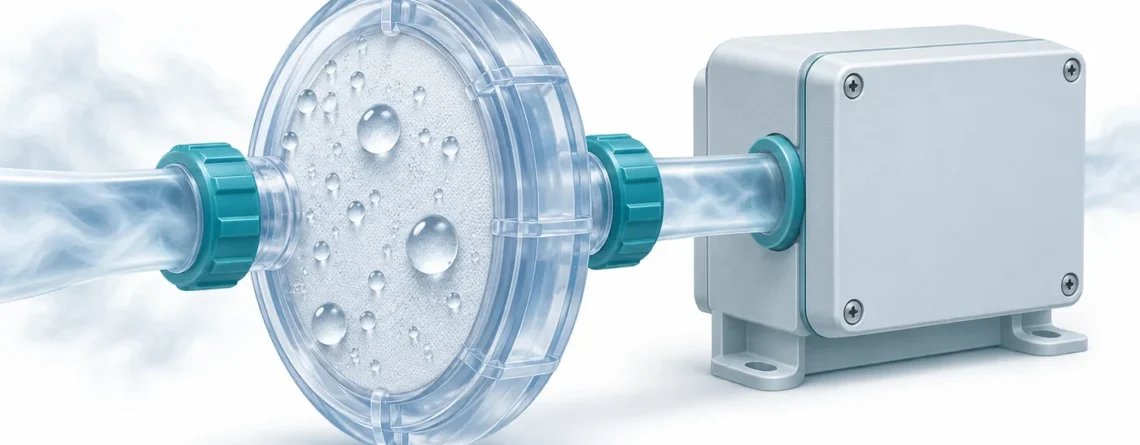
Sensor One Stop2026-11-11T08:42:35+08:00A hydrophobic membrane can resist liquid water while passing humid gas. Check condensation location, wet or dry sample basis, pressure drop and filter compatibility.
Sensor One Stop2026-11-09T10:10:46+08:00Separate oxygen sensor temperature dependence from sample changes, thermal transients and compensation limits across electrochemical, optical, zirconia and paramagnetic designs.
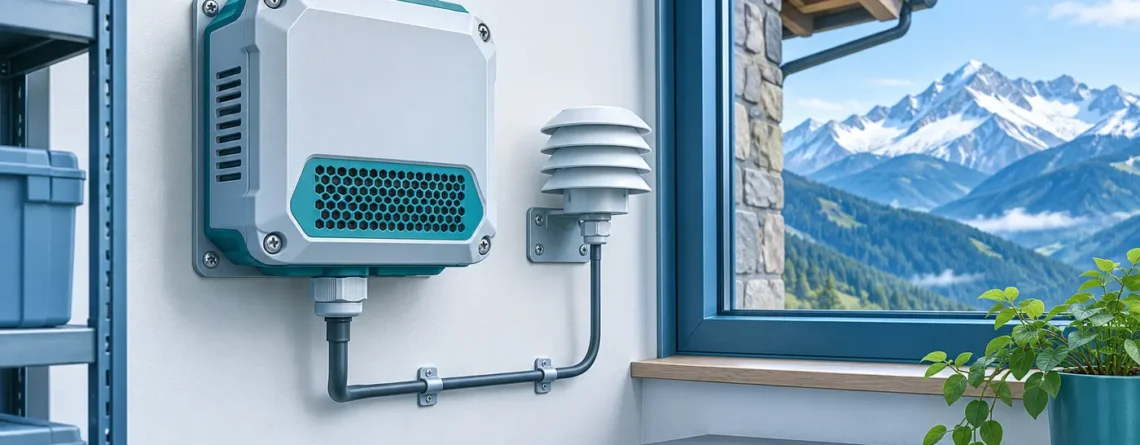
Sensor One Stop2026-11-09T10:02:14+08:00Choose between fixed altitude configuration and measured pressure input by checking pressure location, update age, units, command priority and gas-path conditions.
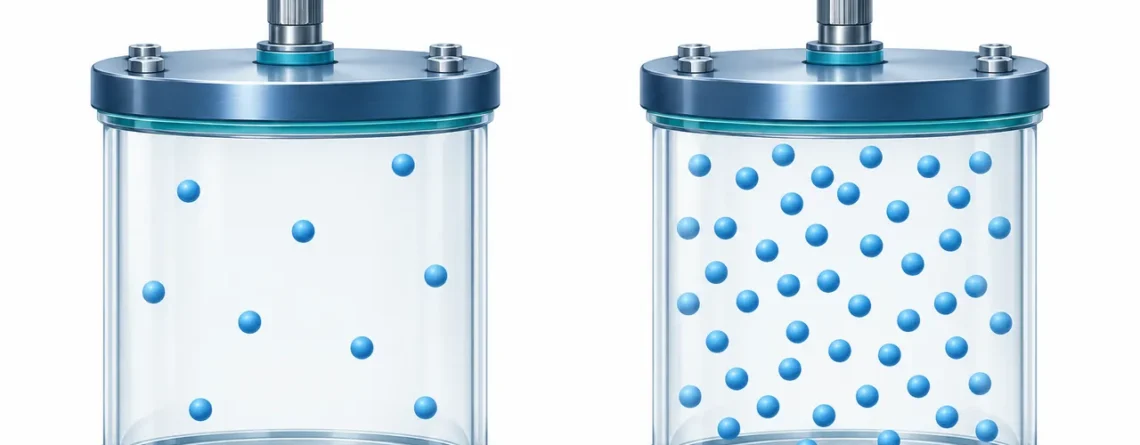
Sensor One Stop2026-11-09T09:49:27+08:00Check gas pressure compensation against the measurand, cell pressure, model range and actual inputs, with bounded calculations and a validation worksheet.
Sensor One Stop2026-11-06T09:18:03+08:00Plan short-term repeatability and long-term reference checks, preserve as-found results, and distinguish sensor drift from environmental or configuration changes.
Sensor One Stop2026-11-06T09:17:04+08:00Separate display resolution from reference deviation, quantization and repeatability, then trace the gas measurement through its complete output chain.
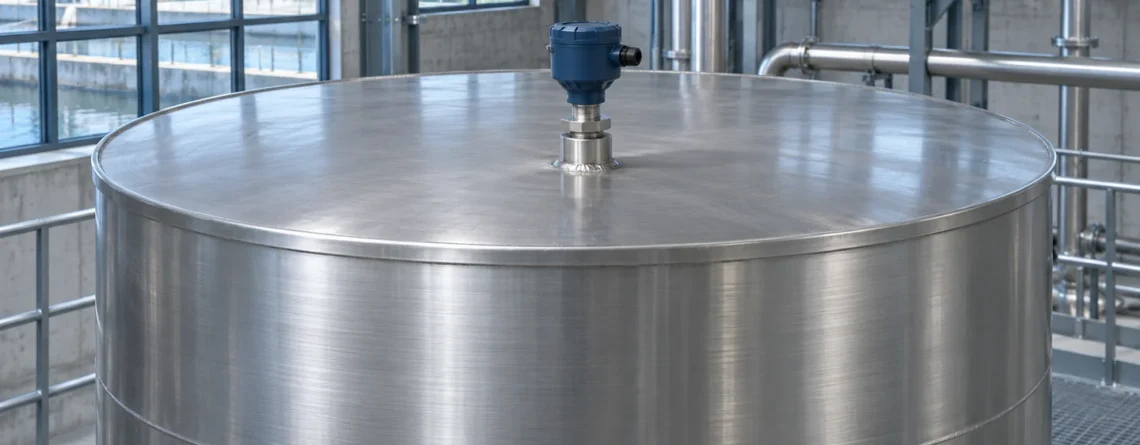
Sensor One Stop2026-11-05T11:31:46+08:00Compare noncontact radar and ultrasonic tank level sensors by vapor, foam, near range and false echoes. Work through a tank example and verify the installed reading.
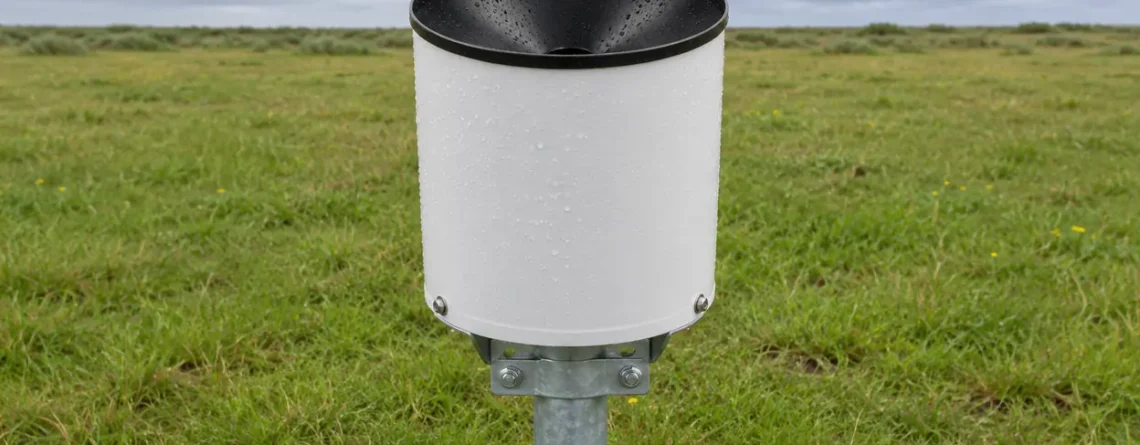
Sensor One Stop2026-11-05T11:24:08+08:00Install and level a tipping bucket rain gauge, verify logger pulses and calibration, and trace low rainfall totals or missing intensity peaks to the right cause.