Introduction
Liquid nitrogen (LN2) is a cryogenic liquid with a boiling point of -196°C (-321°F). It is widely used in various industries, including medical research, food preservation, scientific experimentation, and industrial applications. Despite its versatility and utility, liquid nitrogen poses significant risks if not handled with care. The extreme cold can cause severe injuries, and the rapid expansion from liquid to gas can lead to asphyxiation in poorly ventilated areas. This guide outlines the critical safety requirements for handling, storing, and using liquid nitrogen, ensuring a safe working environment for all.
What is Liquid Nitrogen?
Liquid nitrogen is the liquefied form of nitrogen gas (N2), making up about 78% of the Earth’s atmosphere. It is colorless, odorless, and extremely cold, with a boiling point of -196°C (-321°F). When exposed to the environment, liquid nitrogen rapidly evaporates, expanding to 695 times its liquid volume. This rapid expansion and the extreme cold temperature make liquid nitrogen both a useful and hazardous material.
Properties of Liquid Nitrogen
- Boiling Point: -196°C (-321°F)
- Appearance: Colorless, odorless liquid
- Density: 0.808 g/mL at its boiling point
- Expansion Rate: Expands to 695 times its volume when it vaporizes into gas
Common Uses of Liquid Nitrogen
Liquid nitrogen is used in a wide range of industries due to its unique properties.
- Cryopreservation: Used in laboratories to preserve biological samples, such as cells, tissues, and reproductive materials.
- Food Processing: Employed in flash freezing and in the preparation of ice cream.
- Medical Applications: Utilized in cryosurgery to remove skin lesions and in dermatology for treating warts and other skin conditions.
- Manufacturing: Cooling materials during production processes, such as shrink-fitting metal parts.
- Research: Creating extremely low-temperature environments for scientific experiments.
- Industrial Uses: Applied in shrink-fitting of metal parts, cooling in the manufacture of electronics, and as a coolant in various processes.
Dangers Associated with Liquid Nitrogen
While liquid nitrogen is invaluable across various fields, it presents several dangers, including cold burns, frostbite, asphyxiation, and explosion risks. Understanding these hazards is essential for implementing effective safety measures.
1. Cold Burns and Frostbite
Due to its extremely low temperature, liquid nitrogen can cause severe cold burns and frostbite upon contact with skin. The liquid or vapor can instantly freeze tissue, leading to serious injury.
- Cold Burns: Occur when liquid nitrogen contacts the skin, causing immediate damage due to rapid freezing.
- Frostbite: Prolonged exposure to vaporized nitrogen can cause frostbite, damaging skin and underlying tissues.
2. Asphyxiation
As liquid nitrogen evaporates, it displaces oxygen in the air, creating a risk of asphyxiation, especially in confined spaces. Nitrogen gas is colorless and odorless, making it difficult to detect without proper monitoring.
- Oxygen Displacement: The rapid expansion of nitrogen gas can reduce oxygen levels below safe limits, leading to unconsciousness or death.
- Symptoms: Early signs of oxygen deprivation include dizziness, headache, shortness of breath, and confusion. In severe cases, asphyxiation can occur quickly.
3. Explosion Hazard
If liquid nitrogen is stored in a sealed container, the rapid expansion of the gas as it warms can cause the container to explode. This explosion risk is particularly high in non-vented containers.
- Pressure Buildup: Liquid nitrogen expands 695 times its volume when it vaporizes, which can cause sealed containers to rupture.
- Explosion Risks: Even small amounts of liquid nitrogen in a sealed environment can create dangerous pressures.
4. Material Embrittlement
Liquid nitrogen can make certain materials, particularly metals and plastics, brittle and prone to cracking. This can lead to equipment failure if not properly accounted for in the design and handling of containers and tools used with liquid nitrogen.
- Brittleness: Materials exposed to liquid nitrogen may become brittle and break under stress.
- Safety Measures: Ensure that all containers and tools used with liquid nitrogen are rated for cryogenic temperatures.
Liquid Nitrogen Safety Requirements
To safely handle and use liquid nitrogen, specific safety protocols must be followed. These include guidelines for personal protective equipment (PPE), storage, handling, and first aid measures.
1. Personal Protective Equipment (PPE)
When working with liquid nitrogen, appropriate personal protective equipment is essential to prevent injuries. This includes:
- Cryogenic Gloves: Insulated gloves designed to protect hands from extreme cold. These gloves should be loose-fitting to allow quick removal if liquid nitrogen spills into them.
- Face Shields and Safety Goggles: Protects against splashes and vapor exposure that can cause severe eye injuries.
- Lab Coats and Aprons: Provide an additional layer of protection for the body and clothing. Use materials resistant to low temperatures.
- Closed-Toe Shoes: Protect feet from accidental spills. Shoes should be made of non-porous material to prevent liquid nitrogen from penetrating.
2. Proper Storage Practices
Storing liquid nitrogen safely is crucial to prevent accidents. Proper storage involves using the right type of container and ensuring adequate ventilation.
- Dewars and Cryogenic Containers: Liquid nitrogen should be stored in Dewars or cryogenic containers specifically designed to handle extreme cold and pressure changes. These containers should have pressure relief valves to prevent pressure buildup.
- Ventilation: Storage areas must be well-ventilated to prevent the accumulation of nitrogen gas, which can displace oxygen and create an asphyxiation hazard.
- Labeling: All containers should be clearly labeled with the contents and hazard warnings. Ensure that labels are resistant to low temperatures and remain legible.
- Securing Containers: Large Dewars and storage vessels should be secured to prevent tipping or accidental damage.
3. Safe Handling Procedures
Handling liquid nitrogen requires careful attention to safety to prevent accidents. The following procedures should be followed:
- Pouring: Always pour liquid nitrogen slowly to prevent splashing and overfilling. Use funnels or other aids to control the flow.
- Transporting: When moving liquid nitrogen, use appropriate carts and handle containers carefully to avoid spills or impacts. Never transport liquid nitrogen in a passenger vehicle without proper ventilation.
- Avoid Sealed Containers: Never store liquid nitrogen in a sealed container. The rapid expansion of nitrogen gas as it warms can cause the container to explode.
- Training: Ensure that all personnel handling liquid nitrogen are trained in proper handling techniques and emergency procedures.
4. Emergency Procedures and First Aid
In the event of an accident, knowing the proper emergency procedures can mitigate injury and prevent further harm.
- Cold Burns and Frostbite: If skin contact occurs, immerse the affected area in lukewarm water (not hot) and seek medical attention immediately. Do not rub the affected area, as this can cause further tissue damage.
- Asphyxiation: If someone is exposed to high levels of nitrogen gas, move them to fresh air immediately and seek emergency medical help. Administer oxygen if trained to do so.
- Spill Containment: In case of a spill, evacuate the area if the spill is large or if ventilation is inadequate. For small spills, allow the nitrogen to evaporate in a well-ventilated area. Avoid direct contact with the spill.
5. Environmental and Waste Considerations
While liquid nitrogen itself is not environmentally hazardous, its use can have environmental implications, particularly in terms of energy consumption and potential impacts on local ecosystems if mishandled.
- Waste Disposal: Allow any residual liquid nitrogen to evaporate in a well-ventilated area. Do not dispose of liquid nitrogen in drains, as the extreme cold can damage plumbing and pose a hazard to maintenance workers.
- Energy Use: Consider the energy costs associated with producing and storing liquid nitrogen. Efficient use and storage can help minimize energy consumption and environmental impact.
- Impact on Local Ecosystems: Avoid releasing large quantities of nitrogen gas in areas with limited air circulation, as this can affect local oxygen levels and harm wildlife.
Legal and Regulatory Compliance
Several regulations govern the use and handling of liquid nitrogen to ensure safety. Compliance with these regulations is mandatory for all users.
1. OSHA Regulations
The Occupational Safety and Health Administration (OSHA) provides guidelines on the safe handling of cryogenic liquids, including liquid nitrogen. OSHA requires employers to provide adequate training, PPE, and emergency procedures for employees working with hazardous materials.
- Training Requirements: Employees must be trained in the safe handling of liquid nitrogen, including the proper use of PPE and emergency procedures.
- PPE Standards: Employers must provide appropriate PPE for handling liquid nitrogen, as outlined in OSHA standards.
2. Environmental Protection Agency (EPA) Guidelines
The EPA oversees the environmental impact of hazardous materials, including liquid nitrogen. While nitrogen itself is not considered a pollutant, its use and storage must comply with EPA regulations to prevent environmental harm.
- Spill Reporting: Any significant spill of liquid nitrogen must be reported to the appropriate authorities if it poses a risk to public safety or the environment.
- Waste Management: The disposal of liquid nitrogen must follow EPA guidelines to prevent environmental contamination.
3. Local and State Regulations
In addition to federal regulations, local and state authorities may have specific requirements for the storage and use of liquid nitrogen. These may include zoning laws, fire codes, and health and safety regulations.
- Fire Codes: Compliance with local fire codes is essential, particularly in areas where large quantities of liquid nitrogen are stored or used.
- Zoning Laws: Ensure that the use of liquid nitrogen is permitted in your area and complies with local zoning regulations.
Liquid Nitrogen NFPA Placard
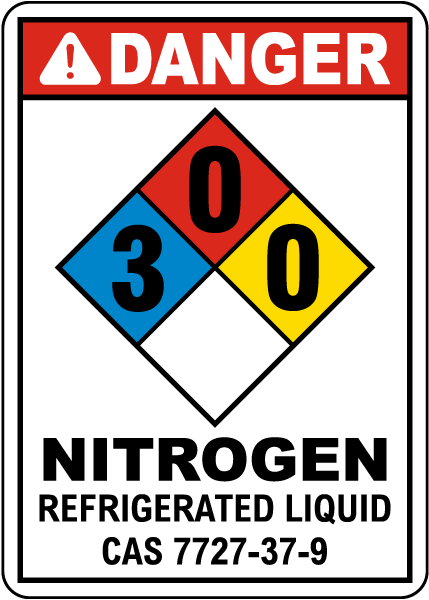
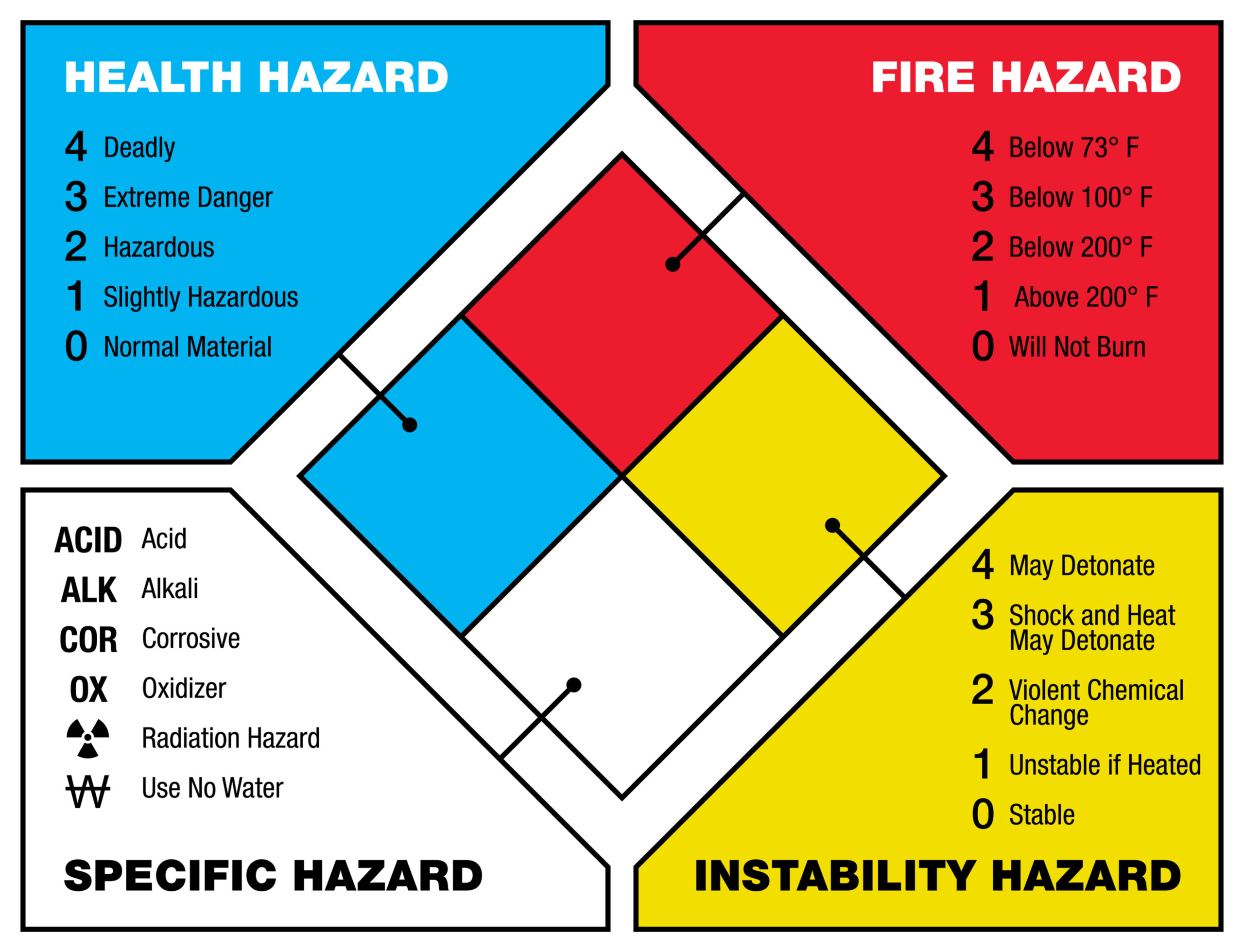
The National Fire Protection Association (NFPA) placard for liquid nitrogen provides a quick visual reference for its hazards. The NFPA diamond typically includes:
- Health Hazard (Blue): 3 – Indicates serious or permanent injury may occur.
- Flammability (Red): 0 – Indicates the material is not flammable.
- Reactivity (Yellow): 0 – Indicates the material is stable under normal conditions.
- Special Hazard (White): May include an “OXY” symbol if it poses an oxygen deficiency risk.
OSHA Oxygen Deficiency Signage

OSHA requires signage in areas where oxygen levels may be reduced due to the use of liquid nitrogen. These signs warn of the potential for oxygen-deficient atmospheres and may include phrases such as:
- Warning: Oxygen Deficient Area
- Caution: Liquid Nitrogen in Use – Risk of Asphyxiation
These signs must be prominently displayed in all areas where liquid nitrogen is used or stored.
O2 Safety Alarms and Monitoring Systems
Although liquid nitrogen itself does not pose a direct O2 hazard, the potential for oxygen displacement by nitrogen gas makes the installation of oxygen monitoring systems critical in environments where liquid nitrogen is used.
1. Oxygen Monitoring Systems
Oxygen monitoring systems detect the concentration of oxygen in the air and provide alerts when levels drop below safe limits. These systems are essential in areas where liquid nitrogen is stored or used.
- Real-Time Monitoring: Continuously monitors oxygen
levels and provides real-time data on air quality.
- Alarms: Triggers audible and visual alarms if oxygen levels fall below a pre-set threshold, typically around 19.5%.
- Installation Locations: Place monitors in areas where liquid nitrogen is stored, handled, or used, particularly in confined spaces.
2. Routine Maintenance
Regular maintenance and calibration of oxygen monitoring systems are necessary to ensure they function correctly.
- Calibration: Regularly calibrate monitors according to the manufacturer’s specifications.
- Testing: Periodically test alarms and sensors to ensure they respond appropriately to changes in oxygen levels.
- Battery Backup: Ensure that monitors have battery backup systems in case of power outages.
Oxygen Deficiency and Enrichment Safety
Maintaining proper oxygen levels is critical when working with liquid nitrogen. Both oxygen deficiency and enrichment pose risks:
- Oxygen Deficiency: Occurs when nitrogen displaces oxygen, leading to a suffocation hazard.
- Oxygen Enrichment: While rare, oxygen enrichment can increase fire risks if oxygen levels exceed 23.5%.
Safety measures include proper ventilation, oxygen monitoring, and adherence to safety protocols to prevent accidents.
FAQ
What is the Expansion Rate of LN2 to Gas?
One of the critical hazards of liquid nitrogen is its expansion rate. When liquid nitrogen vaporizes, it expands approximately 695 times its original liquid volume. This rapid expansion can displace oxygen in the air, leading to asphyxiation risks in enclosed or poorly ventilated spaces.
Is Liquid Nitrogen Flammable?
No, liquid nitrogen is not flammable. Nitrogen is an inert gas, meaning it does not react easily with other substances. However, while it is non-flammable, liquid nitrogen can create hazardous conditions by displacing oxygen and leading to an oxygen-deficient environment.
Is Liquid Nitrogen Dangerous?
Yes, liquid nitrogen is dangerous if not handled properly. The primary dangers include:
- Cold Burns and Frostbite: Direct contact with liquid nitrogen or objects cooled by it can freeze skin and tissues instantly.
- Asphyxiation: Displacement of oxygen can occur when liquid nitrogen vaporizes, leading to potential suffocation.
- Explosion Risk: Storing liquid nitrogen in a sealed container can lead to explosions due to pressure buildup.
Can You Dip Your Bare Hands into a Container of Liquid Nitrogen?
No, you should never dip your bare hands into liquid nitrogen. Although brief exposure might not immediately harm you due to the Leidenfrost effect (where a layer of nitrogen gas forms between the liquid and your skin), any prolonged contact can result in severe cold burns and tissue damage.
How Long Does Liquid Nitrogen Take to Evaporate?
The evaporation rate of liquid nitrogen depends on the ambient temperature, container insulation, and ventilation. In a typical open container at room temperature, liquid nitrogen can evaporate quickly, potentially in a matter of hours or less. In a well-insulated Dewar flask, it can be stored for several days to weeks.
What are the Ventilation Requirements for Liquid Nitrogen?
Proper ventilation is critical when working with liquid nitrogen to prevent the buildup of nitrogen gas and the associated risk of asphyxiation. Ventilation requirements include:
- Adequate Air Exchange: Work in well-ventilated areas with sufficient air circulation.
- Oxygen Monitoring: Use oxygen sensors to monitor the oxygen levels in confined or enclosed spaces.
- Local Exhaust Ventilation (LEV): In some cases, localized ventilation systems may be necessary to remove excess nitrogen gas from the area.
What Hazmat Class is Liquid Nitrogen?
Liquid nitrogen is classified as a hazardous material under the Hazardous Materials Regulations (HMR). It falls under the following classifications:
- UN Number: UN1977
- Hazard Class: 2.2 (Non-flammable, non-toxic gas)
- Labeling Requirements: The transport and storage of liquid nitrogen require specific labeling to indicate its cryogenic and asphyxiation hazards.
What is the OSHA Exposure Limit for Liquid Nitrogen?
The Occupational Safety and Health Administration (OSHA) does not have a specific Permissible Exposure Limit (PEL) for nitrogen itself, as it is an inert gas. However, OSHA’s primary concern is oxygen deficiency caused by the displacement of oxygen due to nitrogen gas. OSHA requires that oxygen levels in the workplace be maintained at 19.5% or higher.
Can You Use Liquid Nitrogen to Freeze Dry Food?
Yes, liquid nitrogen can be used to freeze-dry food. Freeze-drying involves freezing food quickly at low temperatures, followed by reducing the surrounding pressure to allow the frozen water in the food to sublimate directly from a solid to a gas. Liquid nitrogen provides an effective way to achieve the rapid freezing necessary for this process.
Benefits of Liquid Nitrogen for Food Freezing
Liquid nitrogen offers several advantages for food freezing, including:
- Rapid Freezing: Liquid nitrogen freezes food much faster than conventional methods, preserving the texture, flavor, and nutritional content.
- Reduced Ice Crystal Formation: The quick freezing process prevents the formation of large ice crystals, which can damage food cells and affect quality.
- Extended Shelf Life: Food frozen with liquid nitrogen can have a longer shelf life due to the reduced microbial growth and enzymatic activity.
Liquid Nitrogen Material Safety Data Sheet (MSDS)
The Material Safety Data Sheet (MSDS) for liquid nitrogen provides detailed information on its properties, hazards, handling, and safety precautions. Key sections of the MSDS include:
- Chemical Identity: Composition and physical properties of liquid nitrogen.
- Hazard Identification: Potential hazards, including health risks, flammability, and reactivity.
- First Aid Measures: Instructions for dealing with exposure, including cold burns and inhalation.
- Handling and Storage: Guidelines for safely storing and handling liquid nitrogen.
Compressed Gas Association LN Safety Resources
The Compressed Gas Association (CGA) provides comprehensive safety resources and guidelines for working with liquid nitrogen and other cryogenic gases. These resources include:
- Safety Bulletins: Detailed information on handling, storage, and emergency response.
- Training Materials: Educational resources for personnel working with cryogenic gases.
- Regulatory Compliance: Guidelines to ensure adherence to federal and state safety regulations.
Conclusion
Liquid nitrogen is an invaluable tool across various industries, offering numerous benefits in scientific research, medical applications, and industrial processes. However, its extreme cold and the risks associated with its use require strict adherence to safety guidelines. By following proper storage, handling, and emergency procedures, and by using appropriate personal protective equipment, you can minimize the risks associated with liquid nitrogen. Additionally, compliance with regulatory requirements and the use of oxygen monitoring systems further ensure a safe working environment. Proper training and awareness are the keys to safely using liquid nitrogen and preventing accidents and injuries in the workplace.