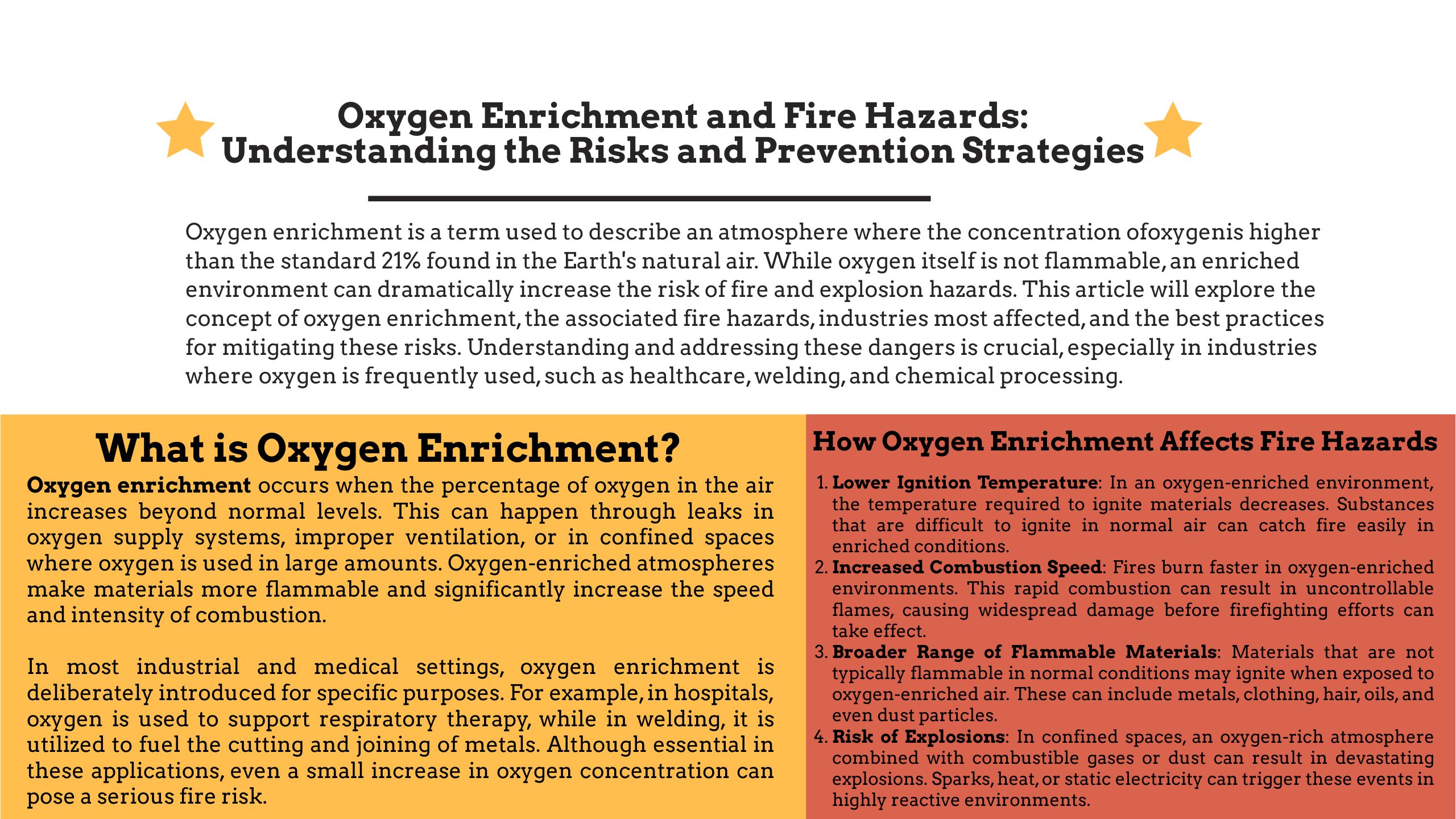
Oxygen enrichment is a term used to describe an atmosphere where the concentration of oxygen is higher than the standard 21% found in the Earth’s natural air. While oxygen itself is not flammable, an enriched environment can dramatically increase the risk of fire and explosion hazards. This article will explore the concept of oxygen enrichment, the associated fire hazards, industries most affected, and the best practices for mitigating these risks. Understanding and addressing these dangers is crucial, especially in industries where oxygen is frequently used, such as healthcare, welding, and chemical processing.
Why 21% Oxygen?
The Earth’s atmosphere contains roughly 21% oxygen, a concentration that has evolved over millions of years to sustain life as we know it. This balance is not only essential for respiration but also plays a crucial role in controlling fire hazards. At 21%, oxygen supports normal combustion processes without exacerbating fire risks. However, even a slight increase in oxygen concentration can significantly alter the flammability of materials, turning seemingly harmless environments into highly hazardous ones. Understanding why 21% oxygen is the baseline is key to managing safety in various industries where oxygen enrichment is a possibility.
What is Oxygen Enrichment?
Oxygen enrichment occurs when the percentage of oxygen in the air increases beyond normal levels. This can happen through leaks in oxygen supply systems, improper ventilation, or in confined spaces where oxygen is used in large amounts. Oxygen-enriched atmospheres make materials more flammable and significantly increase the speed and intensity of combustion.
In most industrial and medical settings, oxygen enrichment is deliberately introduced for specific purposes. For example, in hospitals, oxygen is used to support respiratory therapy, while in welding, it is utilized to fuel the cutting and joining of metals. Although essential in these applications, even a small increase in oxygen concentration can pose a serious fire risk.
How Much Oxygen is Too Much?
While oxygen is essential for life, too much of it can create dangerous situations. An oxygen concentration above 23.5% is generally considered to be oxygen-enriched. This may not seem like a significant increase, but it drastically affects the combustion process. In oxygen-enriched environments, fires start more easily, burn hotter, and spread faster. Even materials that are not normally flammable can become highly combustible when exposed to higher oxygen levels.
Exceeding the normal atmospheric level of 21% oxygen can result in an environment that accelerates combustion and heightens the risk of fire-related incidents. This is particularly important in industries where oxygen is used in large quantities, such as healthcare, welding, and chemical processing.
Oxygen Enrichment and Fire
One of the most dangerous aspects of oxygen enrichment is its ability to accelerate fire. Fires need three elements to ignite and continue burning: fuel, heat, and oxygen. When oxygen is present in higher-than-normal concentrations, fires will ignite more easily, burn hotter, and spread more rapidly.
In oxygen-enriched environments, materials that are normally considered safe can become fire hazards. For example, metals like aluminum and titanium, which require extremely high temperatures to ignite, can burn violently in the presence of high levels of oxygen. This is a critical concern in industrial settings where oxygen is used to facilitate processes like welding and cutting.
How Oxygen Enrichment Affects Fire Hazards
Oxygen does not ignite fires, but it plays a crucial role in the combustion process. When an atmosphere becomes oxygen-enriched, the following factors contribute to increased fire hazards:
Lower Ignition Temperature: In an oxygen-enriched environment, the temperature required to ignite materials decreases. Substances that are difficult to ignite in normal air can catch fire easily in enriched conditions.
Increased Combustion Speed: Fires burn faster in oxygen-enriched environments. This rapid combustion can result in uncontrollable flames, causing widespread damage before firefighting efforts can take effect.
Broader Range of Flammable Materials: Materials that are not typically flammable in normal conditions may ignite when exposed to oxygen-enriched air. These can include metals, clothing, hair, oils, and even dust particles.
Risk of Explosions: In confined spaces, an oxygen-rich atmosphere combined with combustible gases or dust can result in devastating explosions. Sparks, heat, or static electricity can trigger these events in highly reactive environments.
Common Sources of Oxygen Enrichment
Various industries and applications can lead to oxygen enrichment. Here are some of the most common causes:
Oxygen Leaks: Systems that store or transport oxygen, such as pipes, cylinders, or tanks, can develop leaks. These leaks, even if small, can lead to oxygen enrichment over time, particularly in enclosed spaces.
Improper Ventilation: Inadequate ventilation in areas where oxygen is stored or used can allow for the buildup of oxygen-enriched air.
Use of Oxygen in Confined Spaces: Enclosed environments, such as labs, workshops, or hospital rooms, are particularly susceptible to oxygen enrichment if oxygen is regularly used in these settings.
Healthcare Settings: In hospitals and care facilities, the use of oxygen for respiratory therapies and treatments increases the likelihood of oxygen enrichment in patient rooms or storage areas for oxygen tanks.
Industrial Applications: Welding, cutting, and brazing processes often involve oxygen and can lead to oxygen enrichment in workspaces, especially when ventilation is insufficient.
Industries Most Affected by Oxygen Enrichment and Fire Hazards
Healthcare: Hospitals, nursing homes, and clinics rely on oxygen for medical treatments. However, oxygen-enriched environments in these settings are highly susceptible to fire hazards, especially with the presence of flammable medical supplies or electrical equipment.
Welding and Metalworking: Oxygen is frequently used in cutting and welding processes, where it helps maintain high temperatures necessary for these tasks. However, oxygen-enriched atmospheres in welding shops increase the risk of fire from sparks and other ignition sources.
Chemical Processing: Chemical plants that use oxygen in their production processes must be particularly careful about fire hazards. The presence of flammable chemicals combined with oxygen-enriched environments can result in catastrophic accidents if not managed properly.
Mining and Petroleum: In these industries, oxygen is sometimes used in extraction or processing, and the buildup of oxygen-enriched air can increase the potential for fires, especially in confined spaces like mines or drilling sites.
Aviation and Space: Oxygen is vital for breathing in aircraft and space missions. However, any leaks or overuse of oxygen in the confined space of an aircraft or spacecraft can result in fire hazards, requiring strict safety protocols.
Ventilator Oxygen Enrichment Dangers
In medical environments, ventilators are a critical tool for patients requiring assistance with breathing. However, ventilators that deliver oxygen-enriched air present their own risks. When used improperly or without adequate safeguards, ventilators can enrich the oxygen levels in the surrounding atmosphere, increasing the risk of fire in hospital settings.
Many of the materials commonly found in hospitals, such as linens, gowns, and even medical equipment, can catch fire more easily in oxygen-enriched environments. Furthermore, electronic devices used in close proximity to ventilators pose a significant fire risk if they malfunction or generate sparks.
Hospitals and care facilities must follow stringent guidelines to ensure that oxygen enrichment from ventilators does not pose a fire hazard. This includes ensuring proper ventilation in rooms where oxygen is used and training staff on the dangers of oxygen enrichment.
Fire Hazards in Oxygen-Enriched Environments
The primary fire hazard in an oxygen-enriched environment is the rapid spread of fire. While oxygen itself does not burn, it accelerates combustion. A fire in an oxygen-enriched area burns hotter, spreads faster, and is much harder to extinguish. Here are some specific fire hazards associated with oxygen-enriched environments:
Clothing Fires: Materials such as cotton, wool, or polyester can ignite easily in oxygen-rich environments. Once ignited, clothing burns much faster and with greater intensity.
Electrical Equipment: Oxygen-enriched environments increase the likelihood of electrical equipment igniting. The combination of heat from electrical currents and flammable materials in an oxygen-enriched space can result in a deadly fire.
Oil and Grease Fires: These substances, common in industrial and mechanical settings, are highly reactive with oxygen-enriched air. A small spark or contact with hot surfaces can trigger intense fires.
Metal Fires: Even metals like iron, aluminum, and titanium can become combustible in oxygen-enriched environments. A fire involving metals can be extremely difficult to control due to the high temperatures and intense combustion.
Prevention of Oxygen Enrichment-Related Fire Hazards
Preventing fire hazards associated with oxygen enrichment requires careful planning, regular maintenance, and adherence to strict safety protocols. Here are key strategies to reduce the risks:
Proper Ventilation: Ensure that all areas where oxygen is used or stored have adequate ventilation. This reduces the buildup of oxygen-enriched air and minimizes the risk of fire.
Regular Inspections: Regularly inspect oxygen storage and delivery systems for leaks. Use leak-detection equipment and promptly repair any defects to avoid oxygen buildup.
Storage Guidelines: Store oxygen cylinders upright and secure them to prevent falling or accidental damage. Oxygen cylinders should be stored in well-ventilated areas away from flammable materials.
Fire-Resistant Materials: Use fire-resistant clothing and equipment in environments where oxygen is used. Regularly test materials for flammability, especially in oxygen-enriched settings.
Controlled Use of Oxygen: In medical or industrial settings, ensure oxygen is only used when necessary and that oxygen delivery systems are carefully monitored. Avoid overuse in confined spaces.
Electrical Safety: Ensure all electrical equipment in oxygen-enriched areas is properly maintained and that any potential ignition sources are identified and managed.
Training and Awareness: Employees, healthcare workers, and anyone working in oxygen-enriched environments should receive thorough training on fire risks and prevention. Fire drills and emergency response plans should be regularly updated.
Emergency Response in Oxygen-Enriched Fires
In case of a fire in an oxygen-enriched environment, special precautions must be taken:
Evacuate Immediately: Oxygen-enriched fires spread quickly, so immediate evacuation is essential. Ensure that everyone in the affected area is evacuated safely.
Use Proper Firefighting Equipment: Standard fire extinguishers may not be effective in oxygen-enriched environments. Use extinguishers designed for high-intensity fires, such as those containing dry chemical agents or CO2.
Shut Off Oxygen Supply: If possible, immediately shut off the source of the oxygen. This will help slow the spread of the fire and reduce combustion intensity.
Seek Professional Help: Fires in oxygen-enriched environments are highly dangerous and difficult to control. Firefighters trained to handle such fires should be called immediately.
Oxygen Enrichment Guidelines
In the US
In the United States, oxygen enrichment is closely regulated by several agencies, including the Occupational Safety and Health Administration (OSHA) and the NFPA. OSHA defines oxygen-enriched atmospheres as any environment containing more than 23.5% oxygen. These agencies provide strict guidelines for the use, storage, and handling of oxygen to prevent enrichment and its associated risks.
For example, oxygen cylinders must be stored in well-ventilated areas, away from flammable materials and ignition sources. Industries that use oxygen must have proper ventilation systems in place to prevent the buildup of oxygen-enriched air. Regular inspections of oxygen systems are also mandated to detect leaks or malfunctions that could lead to enrichment.
Internationally
Internationally, oxygen enrichment is also a well-regulated concern. Various organizations, including the European Industrial Gases Association (EIGA) and the International Organization for Standardization (ISO), have developed comprehensive safety standards to mitigate the risks associated with oxygen enrichment.
Many of these guidelines align closely with US regulations, but specific requirements may vary by region or industry. For example, in the European Union, oxygen enrichment in confined spaces is a major focus, with strict rules governing the use of oxygen in workplaces, healthcare facilities, and industrial settings. The general principles remain the same: proper storage, ventilation, and training are essential to prevent dangerous oxygen-enriched environments.
Oxygen Enrichment Safety: RACE
To ensure safety in oxygen-enriched environments, many industries follow the RACE protocol, a four-step process designed to minimize risks:
- R: Rescue – Remove people from the danger zone if a fire breaks out.
- A: Alert – Activate the alarm to notify emergency services and others nearby.
- C: Confine – Contain the fire to prevent it from spreading, if possible, by closing doors and cutting off the oxygen supply.
- E: Extinguish – If the fire is manageable, use appropriate firefighting equipment to extinguish it. In oxygen-enriched environments, specialized extinguishers may be necessary.
The RACE protocol is particularly important in healthcare settings, where oxygen is used routinely. Hospital staff must be trained to respond quickly and effectively in the event of a fire in an oxygen-enriched area.
How Can I Monitor Oxygen Levels?
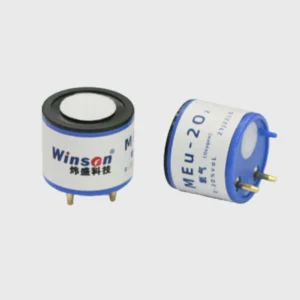
Specialized oxygen sensors and monitoring systems can be installed in environments where oxygen enrichment is a concern to provide real-time data on oxygen concentration.
-
 Read moreQuick View
Conclusion
Oxygen enrichment, while beneficial in many industrial and medical applications, presents significant fire hazards. The increased combustibility of materials, the lower ignition points, and the rapid spread of fire in oxygen-enriched environments make it a critical safety concern. By understanding the risks, adhering to safety protocols, and implementing robust prevention measures, industries can minimize the dangers associated with oxygen enrichment and ensure a safer working environment.