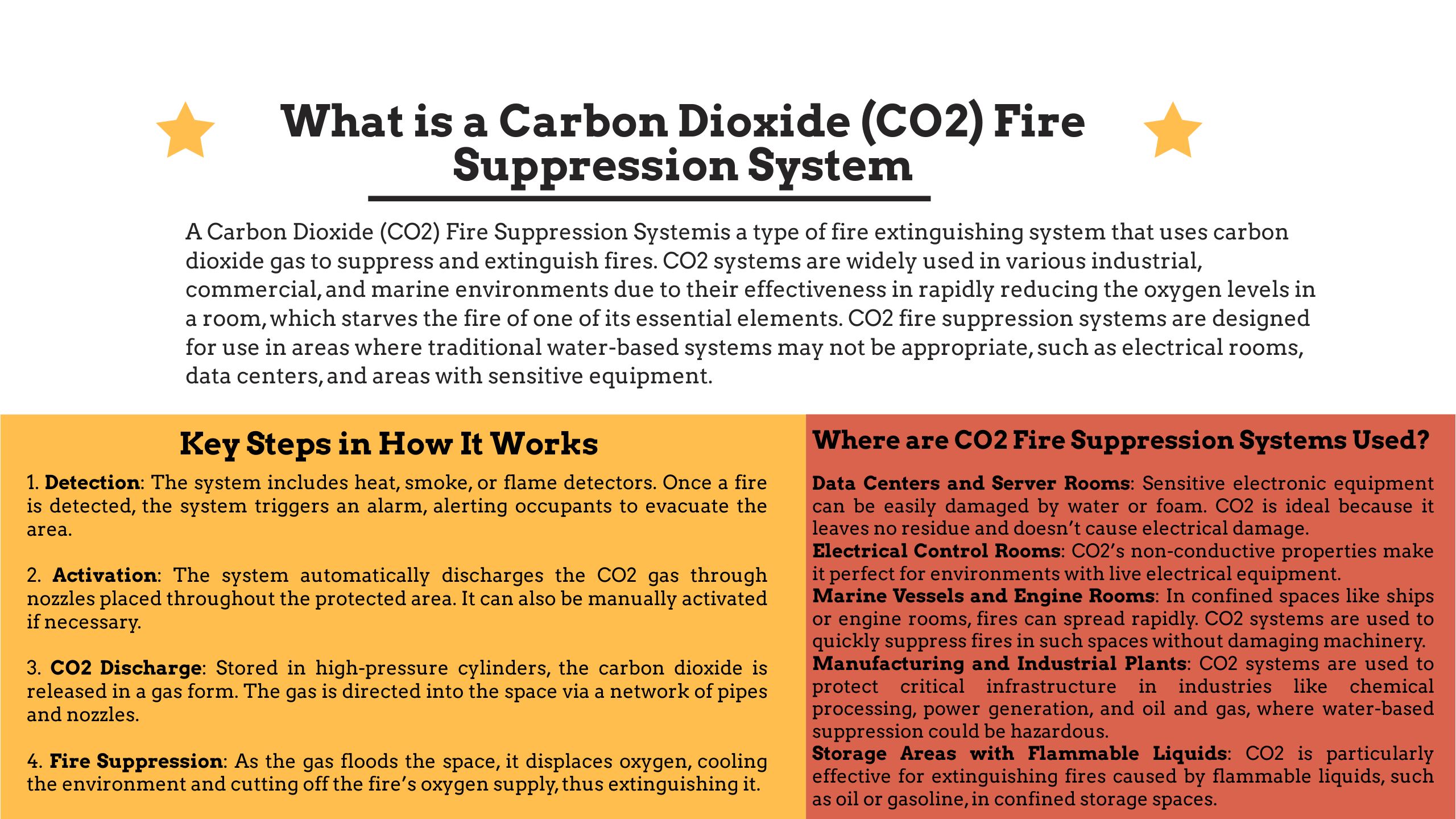
A Carbon Dioxide (CO2) Fire Suppression System is a type of fire extinguishing system that uses carbon dioxide gas to suppress and extinguish fires. CO2 systems are widely used in various industrial, commercial, and marine environments due to their effectiveness in rapidly reducing the oxygen levels in a room, which starves the fire of one of its essential elements. CO2 fire suppression systems are designed for use in areas where traditional water-based systems may not be appropriate, such as electrical rooms, data centers, and areas with sensitive equipment.
In this article, we’ll explore how CO2 fire suppression systems work, their advantages, and their application in various industries. We’ll also discuss safety considerations, guidelines, and the proper maintenance of CO2 systems to ensure they function effectively when needed.
How Does a CO2 Fire Suppression System Work?
A CO2 fire suppression system operates by flooding a protected area with carbon dioxide gas to quickly reduce the oxygen concentration, which suppresses the fire. Carbon dioxide is an inert gas, meaning it does not react chemically with fire or other substances. Instead, it works by displacing oxygen from the air and lowering the temperature of the fire, thereby cutting off the fire’s oxygen supply and halting combustion.
When a fire is detected in a protected area, the system releases CO2 gas through a series of strategically placed nozzles or pipes. The gas is stored in high-pressure cylinders and is discharged in a controlled manner to ensure that it fills the area evenly and effectively. This sudden release of CO2 lowers the oxygen concentration from the typical 21% found in normal air to below 15%, which is insufficient to sustain most fires.
Key Steps in How It Works
- Detection: The system includes heat, smoke, or flame detectors. Once a fire is detected, the system triggers an alarm, alerting occupants to evacuate the area.
- Activation: The system automatically discharges the CO2 gas through nozzles placed throughout the protected area. It can also be manually activated if necessary.
- CO2 Discharge: Stored in high-pressure cylinders, the carbon dioxide is released in a gas form. The gas is directed into the space via a network of pipes and nozzles.
- Fire Suppression: As the gas floods the space, it displaces oxygen, cooling the environment and cutting off the fire’s oxygen supply, thus extinguishing it.
Key Components of a CO2 Fire Suppression System
CO2 Storage Cylinders
These are high-pressure tanks that store carbon dioxide in a liquid state. The cylinders are connected to the distribution system and are activated automatically or manually during a fire event.
Distribution Piping and Nozzles
The piping network delivers CO2 from the storage cylinders to the protected area. Nozzles are strategically placed to ensure that CO2 is dispersed evenly across the room or enclosure.
Fire Detection System
CO2 fire suppression systems are typically integrated with advanced fire detection technology. The system can be activated automatically upon detecting heat, smoke, or flame. The detectors trigger the release of CO2 into the protected area.
Manual Release Stations
These stations allow the system to be manually activated by personnel in the event of a fire. They are typically placed at accessible locations throughout the protected area.
Alarm and Warning Systems
Before the CO2 is discharged, audible alarms and visual warnings are triggered to alert personnel to evacuate the area. This is crucial for safety because CO2 can be harmful or even fatal to humans if inhaled in high concentrations.
Control Panel
The control panel monitors and manages the system’s operations, including fire detection, CO2 release, and communication with building management systems.
Where are CO2 Fire Suppression Systems Used?
CO2 fire suppression systems are used in a wide range of industries and settings where traditional fire suppression systems may not be suitable. These include:
- Data Centers and Server Rooms: Sensitive electronic equipment can be easily damaged by water or foam. CO2 is ideal because it leaves no residue and doesn’t cause electrical damage.
- Electrical Control Rooms: CO2’s non-conductive properties make it perfect for environments with live electrical equipment.
- Marine Vessels and Engine Rooms: In confined spaces like ships or engine rooms, fires can spread rapidly. CO2 systems are used to quickly suppress fires in such spaces without damaging machinery.
- Manufacturing and Industrial Plants: CO2 systems are used to protect critical infrastructure in industries like chemical processing, power generation, and oil and gas, where water-based suppression could be hazardous.
- Storage Areas with Flammable Liquids: CO2 is particularly effective for extinguishing fires caused by flammable liquids, such as oil or gasoline, in confined storage spaces.
Advantages of CO2 Fire Suppression Systems
CO2 fire suppression systems offer several benefits that make them suitable for specialized applications:
Effective on a Wide Range of Fires
CO2 is highly effective at extinguishing fires caused by flammable liquids (Class B), electrical equipment (Class C), and combustible materials (Class A). This makes it suitable for environments with a mix of fire risks.
Non-Damaging to Equipment
Unlike water-based systems, CO2 systems do not leave any residue or cause water damage, making them ideal for use in areas with sensitive equipment such as data centers, electrical rooms, and server rooms.
No Cleanup Required
After CO2 is discharged, there is no need for cleanup. The gas dissipates into the air, making it an excellent choice for areas where downtime is costly or undesirable.
Rapid Fire Suppression
CO2 systems are designed to suppress fires quickly, often within seconds of activation. This rapid response reduces the risk of significant property damage or business interruption.
Environmentally Friendly
CO2 is a naturally occurring gas, and its use in fire suppression does not deplete the ozone layer. While CO2 is a greenhouse gas, its application in fire suppression systems is minimal compared to other sources of CO2 emissions.
Hazards of CO2 in Fire Suppression
While CO2 is highly effective in extinguishing fires, it poses significant hazards to human health if not used properly. The primary danger of CO2 in fire suppression systems is that it displaces oxygen, which can lead to asphyxiation. High concentrations of CO2 can be fatal to humans in a matter of minutes, which is why safety protocols are critical in areas protected by CO2 systems.
Safety Hazards
- Asphyxiation: CO2 reduces oxygen levels in a room, and in high concentrations, it can cause unconsciousness or death due to lack of oxygen. This is why audible alarms are crucial before CO2 is discharged.
- Freezing Injuries: CO2 gas is stored at high pressure and very low temperatures. Contact with the gas or the piping during a discharge can cause severe frostbite or cold burns.
- Evacuation: Since CO2 is dangerous to humans, all personnel must evacuate the area immediately after a fire is detected, as the system’s discharge will pose significant health risks.
What Are the Requirements for a CO2 Fire Suppression System?
There are several requirements to ensure a CO2 fire suppression system operates safely and effectively:
- Proper Detection and Alarm Systems: The system must include reliable heat, smoke, or flame detectors. Alarm systems (both audible and visual) must alert personnel to evacuate before the CO2 is discharged.
- Correct Cylinder Storage: CO2 storage cylinders must be maintained at high pressure and inspected regularly to ensure they are functional. The cylinders should be stored in accessible yet secure areas.
- Automated and Manual Activation: While the system should be automatically activated upon fire detection, manual activation points should also be available in case the automatic system fails or needs to be manually overridden.
- Personnel Training: Employees working in areas protected by CO2 systems must be trained on the hazards of CO2 and the evacuation procedures in the event of a fire.
- Ventilation: After the system is discharged, proper ventilation is necessary to remove any remaining CO2 from the space before personnel can safely re-enter.
- Maintenance and Testing: Regular maintenance, including pressure testing of CO2 cylinders and inspection of the distribution network, is essential to ensure the system operates correctly when needed.
Applications of CO2 Fire Suppression Systems
CO2 fire suppression systems are used in a variety of industries and settings where traditional water-based or foam-based fire extinguishing systems are not ideal. Some common applications include:
Data Centers and Server Rooms
CO2 systems are commonly used in data centers to protect sensitive electronic equipment from fire without the risk of water damage. In environments with a high concentration of electronic hardware, even a small fire can cause extensive damage. CO2 systems can quickly suppress the fire and prevent further damage to the equipment.
Electrical Rooms
Fires caused by electrical faults can be dangerous, and using water-based fire extinguishing systems can exacerbate the problem. CO2 systems provide an ideal solution for suppressing electrical fires without causing additional risks.
Marine and Ship Environments
In the marine industry, CO2 fire suppression systems are widely used to protect engine rooms, cargo holds, and other critical areas. The confined spaces and potential for flammable liquids make CO2 an effective choice for fire protection aboard ships.
Manufacturing and Industrial Facilities
Many industrial environments, such as chemical plants and oil refineries, pose a high risk of fire due to the presence of flammable materials. CO2 fire suppression systems are used in these settings to provide rapid fire protection while minimizing downtime and damage to equipment.
Power Generation Facilities
CO2 systems are often employed in power generation facilities to protect transformers, turbines, and other critical infrastructure from fire hazards.
Safety Considerations for CO2 Fire Suppression Systems
While CO2 is an effective fire suppressant, it can be hazardous to human health if not handled properly. High concentrations of CO2 can displace oxygen in the air, leading to asphyxiation or suffocation. As a result, it is essential to implement strict safety protocols when using CO2 fire suppression systems.
1. Personnel Training
Employees who work in areas protected by CO2 systems must be trained to recognize the dangers of CO2 and know how to evacuate the area safely when the system is activated.
2. Evacuation Protocols
CO2 fire suppression systems are typically equipped with pre-discharge alarms to alert personnel to leave the area before CO2 is released. Evacuation procedures should be well-practiced to ensure that no one is exposed to CO2 during a fire event.
3. Proper Ventilation
After the system has been activated and the fire suppressed, it is important to ventilate the area to remove any lingering CO2 before allowing personnel to re-enter.
4. Regular Maintenance and Inspections
CO2 fire suppression systems require regular maintenance and inspections to ensure they are fully operational. This includes checking CO2 cylinder pressure, testing the fire detection system, and verifying that the control panel is functioning correctly.
5. Warning Signage
Areas protected by CO2 fire suppression systems should have clear signage indicating the presence of CO2 fire suppression. This signage should also provide instructions on what to do in the event of a system activation.
CO2 Fire Suppression System Products
There are several products and components available for CO2 fire suppression systems. These include:
- CO2 Cylinders: High-pressure storage cylinders that hold liquid carbon dioxide, typically in steel or aluminum tanks.
- Nozzles: Designed to distribute CO2 gas evenly throughout the protected area. Different nozzles may be used depending on the size and configuration of the room.
- Control Panels: The brain of the system, monitoring fire detection, system pressure, and triggering the CO2 discharge.
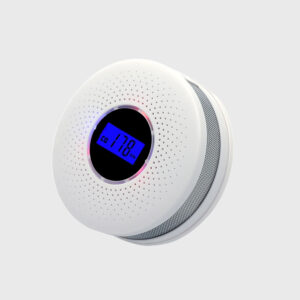
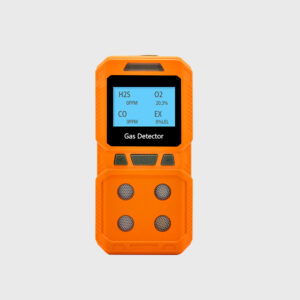
- Detectors and Alarms: Sensors that detect fire conditions and activate the system. These include heat detectors, smoke detectors, and flame detectors.
- Manual Pull Stations: Allow personnel to manually discharge the system if necessary.
- Pressure Gauges: Indicate the current pressure within the CO2 cylinders, allowing for quick visual inspection of system readiness.
- Flow Control Devices: Regulate the amount of CO2 being discharged into the protected area to ensure it’s at the correct concentration.
-
 Read moreQuick View

CO2 Fire Suppression System Regulations and Standards
Several regulations and standards govern the design, installation, and maintenance of CO2 fire suppression systems. In the United States, the National Fire Protection Association (NFPA) sets guidelines through NFPA 12, which outlines the requirements for carbon dioxide extinguishing systems. These standards ensure that CO2 systems are designed and installed safely and effectively.
Internationally, there are similar regulations governing CO2 fire suppression systems, including ISO standards and local fire codes. Compliance with these regulations is essential to ensure that the system performs as expected during an emergency.
What NFPA Code is the Standard for CO2 Extinguishing Systems?
In the United States, the design, installation, and maintenance of CO2 fire suppression systems are governed by the National Fire Protection Association (NFPA). The specific standard for carbon dioxide extinguishing systems is NFPA 12, titled “Standard on Carbon Dioxide Extinguishing Systems.” This code outlines the requirements for the safe and effective installation of CO2 systems, covering everything from system design to operation and maintenance.
NFPA 12 provides guidance on:
- The types of fires CO2 systems can suppress.
- Installation requirements, including pipe sizing and distribution of CO2.
- Safety measures to protect personnel from exposure to CO2 during a system discharge.
- Inspection and maintenance schedules to ensure the system remains in good working order.
CO2 Fire Suppression System vs. Other Fire Suppression Methods
There are several types of fire suppression systems available, and CO2 is just one of the options. Here’s how CO2 fire suppression compares to other common systems:
Water-Based Systems
Water sprinklers are the most common fire suppression method. While effective, they can cause water damage and are not suitable for areas with electrical equipment or flammable liquids. CO2 systems, on the other hand, do not cause water damage and are ideal for protecting sensitive environments.
Foam Suppression Systems
Foam systems are effective at suppressing fires involving flammable liquids (Class B fires). However, they require cleanup and are not suitable for areas with electronic equipment. CO2 systems offer faster suppression without the need for post-discharge cleanup.
Inert Gas Systems
Inert gas systems use gases such as argon or nitrogen to reduce oxygen levels in a protected area. While they work similarly to CO2 systems, inert gas systems tend to be safer for occupied spaces as they reduce oxygen gradually, allowing more time for evacuation.
Conclusion
A Carbon Dioxide (CO2) Fire Suppression System is an effective and widely used fire protection solution in environments where water or foam suppression methods may not be appropriate. It offers rapid fire suppression, does not damage sensitive equipment, and leaves no residue, making it ideal for data centers, electrical rooms, industrial plants, and marine applications.
However, due to the potential dangers of CO2 to human health, proper safety protocols and regular maintenance are crucial to ensure the system functions effectively and safely. By understanding how CO2 fire suppression systems work and the environments in which they are best suited, businesses and industries can better protect their assets and personnel from the threat of fire.