
In controlled indoor environments, adding carbon dioxide (CO₂) can be a powerful way to boost plant growth and yields. When applied correctly, CO₂ can lead to faster growth rates, more robust plants, and higher yields. However, introducing CO₂ effectively requires careful planning, proper equipment, and an understanding of how CO₂ affects plant metabolism. This guide will help you understand how to integrate CO₂ into your grow setup safely and efficiently, maximizing the benefits while avoiding common pitfalls.

Why Use CO₂ in Your Grow Room?

Carbon dioxide is essential for photosynthesis, the process by which plants convert light energy into sugars that fuel growth. In natural conditions, CO₂ levels in the atmosphere are around 400 ppm (parts per million). However, plants can benefit significantly from increased CO₂ levels, often growing more vigorously and producing higher yields.

Benefits of CO₂ Supplementation

  • Enhanced Growth Rates: Increased CO₂ levels enable plants to photosynthesize more efficiently, which speeds up growth and shortens the time needed to reach maturity.
  • Higher Yields: By optimizing the growing environment with CO₂, plants produce larger flowers, fruits, or vegetables, ultimately leading to bigger harvests.
  • Increased Resilience: Plants with access to higher CO₂ levels may be more resilient to environmental stressors, such as heat or drought.

The Benefits of CO2 for Plants: A Comprehensive Guide

Ideal CO₂ Levels for Different Stages of Plant Growth

To maximize growth potential, it’s important to understand how much CO₂ to add at different stages of plant development.

  • Seedling Stage: At this stage, plants are small and don’t require elevated CO₂ levels. Around 400-600 ppm is adequate.
  • Vegetative Stage: During this period, plants are developing foliage and can benefit from higher CO₂ levels, typically between 800-1200 ppm.
  • Flowering Stage: For fruiting or flowering plants, CO₂ levels of 1000-1500 ppm can promote more vigorous flowering and yield improvement. After plants enter late flowering, it’s often recommended to reduce or stop CO₂ supplementation.

Optimizing CO2 for Your Grow Room: Step-by-Step Guide

CO₂ Sources and Delivery Methods

There are multiple ways to introduce CO₂ into your grow room, each with its advantages and considerations.

CO₂ Tanks and Regulators

One of the most controlled ways to add CO₂ to a grow space is by using pressurized CO₂ tanks with regulators:

  • Pros: Precise control over CO₂ levels, easy to measure and maintain specific ppm levels, and generally cost-effective over the long term.
  • Cons: Requires proper setup, which can be complex and may need periodic refills depending on tank size and usage.

CO2 Tank Safety & CO2 Cylinder Safety: Essential Guidelines and Best Practices

CO₂ Generators

CO₂ generators burn propane or natural gas to produce CO₂. These are suitable for larger grow operations.

  • Pros: Continuous CO₂ production, effective in larger spaces, and capable of maintaining high CO₂ levels.
  • Cons: Can generate heat and humidity, which may require additional cooling and dehumidification equipment. Safety concerns also apply since these generators produce open flames.

Natural Methods (Yeast and Fermentation)

Using fermentation (such as sugar and yeast mixtures) or compost can produce CO₂ in smaller setups.

  • Pros: Inexpensive and simple to set up, suitable for small grows.
  • Cons: Difficult to control the amount of CO₂ produced, and levels may not be consistent or sufficient for larger spaces.

CO₂ Bags

CO₂ bags, often filled with a substrate and specific fungi, release CO₂ slowly over time as the fungi consume the substrate.

  • Pros: Affordable and easy to use, requires no maintenance, and provides a consistent low-level CO₂ boost.
  • Cons: Limited effectiveness in larger grow rooms and less control over exact CO₂ levels.

How Much CO₂ is Enough?

The ideal CO₂ concentration for cannabis cultivation varies by growth stage:

  • Seedling Stage: Around 400 ppm is generally adequate, as plants don’t require much CO₂ at this stage.
  • Vegetative and Early Flowering Stages: 1,000 to 1,500 ppm is ideal to stimulate robust growth and flower development.
  • Late Flowering Stage: CO₂ supplementation can be reduced or stopped altogether, as the plant’s energy shifts from growth to ripening.

Going above 1,500 ppm is generally not recommended, as it can be inefficient and may even hinder plant development.

Monitoring and Controlling CO₂ Levels

Effective CO₂ supplementation requires precise control to avoid waste and ensure optimal plant performance. Monitoring and control equipment will help you achieve and maintain the desired CO₂ levels.

CO₂ Controllers

CO₂ controllers use sensors to measure the CO₂ concentration in your grow room. They adjust the CO₂ output to maintain the ideal level:

  • Basic Controllers: Measure CO₂ levels and adjust a CO₂ source, like a tank or generator, to keep the levels within a set range.
  • Advanced Controllers: These may integrate with other environmental control systems (e.g., temperature, humidity) to optimize conditions across the board.

CO₂ Monitors

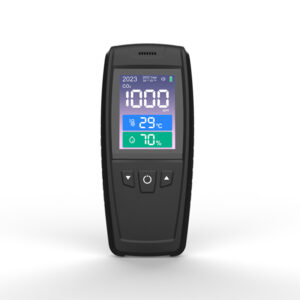
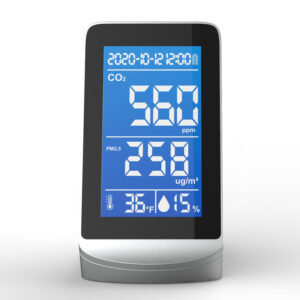
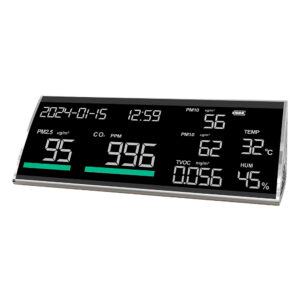
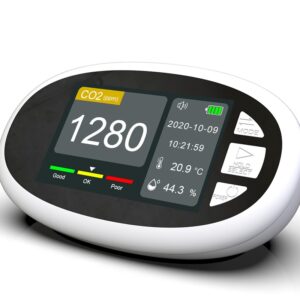
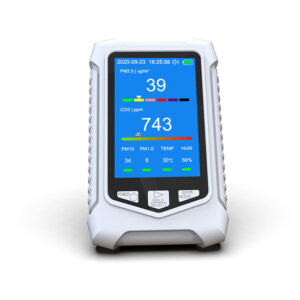
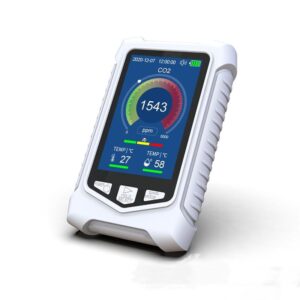
If you are using natural methods or CO₂ bags, consider investing in a CO₂ monitor to keep an eye on levels without automatic control. Monitors range in complexity and price, but even a basic monitor can provide valuable insight.

Timers

If you are on a budget, CO₂ tanks and generators can be operated with timers, though this approach is less precise. Timers can be useful for maintaining a consistent routine but may result in CO₂ fluctuations.

Optimizing CO₂ with Lighting and Ventilation

CO₂ enrichment is most effective when paired with optimal lighting and ventilation. Here’s how these factors work together:

Lighting

Plants need light to use CO₂ effectively. Without adequate lighting, added CO₂ will have little effect. LED or high-intensity discharge (HID) lighting is often necessary to achieve the high levels of photosynthesis needed to benefit from elevated CO₂ levels.

  • Ideal Light Intensity: CO₂-enriched plants can thrive under more intense light (1,000-1,500 PPFD or photosynthetic photon flux density).
  • Light Cycle Synchronization: Run CO₂ systems during “daytime” hours when lights are on, as plants only photosynthesize during light periods.

Ventilation and Air Circulation

Maintaining proper air circulation is critical for distributing CO₂ evenly throughout the grow space. However, too much ventilation can cause CO₂ to escape:

  • Sealed Rooms: Sealed grow rooms (with no air exchange) retain CO₂ and prevent it from being vented away, allowing for better control of CO₂ levels.
  • Controlled Exhaust: If the room isn’t sealed, consider limiting exhaust fans during CO₂ supplementation periods to prevent waste.

How to Calculate the Ideal CO₂ Levels for Maximum Yield

To calculate CO₂ needs in your grow space, use the following formula:

How to Calculate the Ideal CO₂ Levels

For example, if you want 1,200 ppm CO₂ and your room’s ambient CO₂ level is 400 ppm, you’ll need to add an extra 800 ppm. Using a CO₂ calculator app or device can simplify this process, ensuring you stay within optimal levels.


Safety Considerations for CO₂ Supplementation

CO₂ is essential for plants but can pose risks to humans at high concentrations. Ensure your grow space is equipped with the following safety measures:

  • Proper Ventilation for Safety: While the goal is to retain CO₂, ensure there is adequate ventilation to avoid dangerous CO₂ buildup, especially in sealed environments.
  • Safety Alarms: Consider installing CO₂ detectors or alarms to alert you if CO₂ levels reach unsafe levels.
  • Avoiding Over-Exposure: Do not exceed 1,500 ppm in the grow room, as this can lead to diminished returns in plant growth and pose health risks.

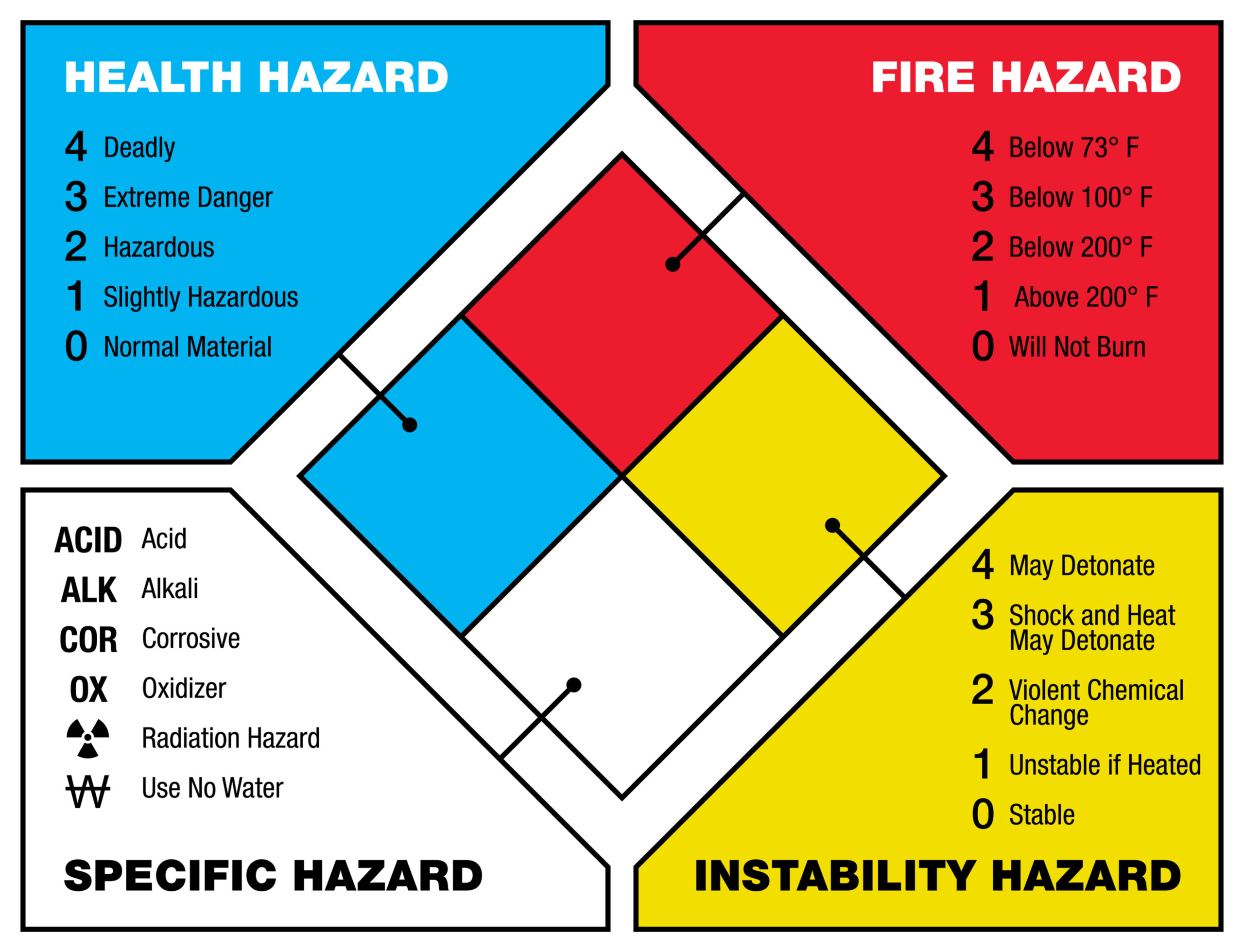
Dangers of CO2: Everything You Need to Know

Common Mistakes to Avoid with CO₂ Supplementation

While CO₂ supplementation can be beneficial, it can also be counterproductive if not managed correctly:

  • Starting Too Early: Avoid CO₂ supplementation during the seedling stage; it’s unnecessary and can even stunt growth.
  • Poor Ventilation Control: High ventilation can lead to CO₂ wastage. Use ventilation carefully to retain CO₂.
  • Over-Saturating CO₂: Excessive CO₂ can stress plants, leading to slower growth and lower yields. Aim for a sweet spot of around 1000-1500 ppm.

Additional Tips for CO₂ Supplementation

  • Calibrate CO₂ Sensors Regularly: CO₂ sensors can drift over time, so calibrate them periodically for accurate readings.
  • Maintain Stable Humidity Levels: High humidity can reduce CO₂ uptake by plants. Keep humidity levels within the ideal range (typically 50-70%) to support healthy growth.
  • Monitor Plant Health Closely: Watch for signs of stress, such as leaf curling or discoloration, which may indicate excessive CO₂ levels or environmental imbalances.

Best CO₂ System for Your Grow Room

The best CO₂ system depends on the size and setup of your grow room. For small to medium grows, CO₂ bags or tanks with a regulator may suffice. For larger or commercial grows, CO₂ generators offer a continuous supply of CO₂. Look for systems that provide precise control and are compatible with environmental controllers to ensure an optimal growth environment.

Best CO₂ Monitor for Your Grow Room

Investing in a quality CO₂ monitor can make a significant difference in managing CO₂ levels effectively. Look for monitors with:

  • Accurate Sensor: Ensure it can measure CO₂ within the 400-1,500 ppm range reliably.
  • Data Logging: Some monitors can track CO₂ over time, giving insight into fluctuations.
  • Connectivity: Advanced monitors offer Wi-Fi or Bluetooth for real-time monitoring via smartphone or computer.

Popular CO₂ monitors for grow rooms include brands like TrolMaster, Hydrofarm, and Titan Controls, which provide durable, precise, and user-friendly options.

Conclusion

Adding CO₂ to your grow setup can significantly enhance plant growth and yield, but it requires careful management. By understanding the stages of growth, using the appropriate CO₂ sources, and monitoring environmental factors, you can create an optimized grow environment that maximizes the potential of CO₂ enrichment. Remember to prioritize safety and monitor CO₂ levels closely to avoid health risks and protect both plants and growers.

With the right balance, CO₂ can transform your grow room into a highly productive environment, unlocking faster growth and greater yields.

[post-views]

Leave a Reply

Your email address will not be published. Required fields are marked *