Carbon dioxide (CO2) is a naturally occurring gas that plays a vital role in Earth’s atmosphere. However, in confined spaces such as homes, offices, and industrial settings, elevated levels of CO2 can have significant impacts on health and well-being. Understanding what constitutes safe levels of CO2, how to measure these levels, and the potential health risks associated with various concentrations is crucial for maintaining a safe environment. This article will explore the importance of monitoring CO2 levels, provide a detailed CO2 levels chart, and discuss the implications of different concentrations on human health.
What is Carbon Dioxide?
Carbon dioxide is a colorless, odorless gas that is a byproduct of respiration in animals and humans, as well as the combustion of organic matter and fossil fuels. It is essential for life on Earth, serving as a key component in the process of photosynthesis, which plants use to produce oxygen. However, while CO2 is vital in natural processes, its accumulation in enclosed spaces can lead to various health concerns.
Sources of Carbon Dioxide
CO2 can accumulate in indoor environments from several sources:
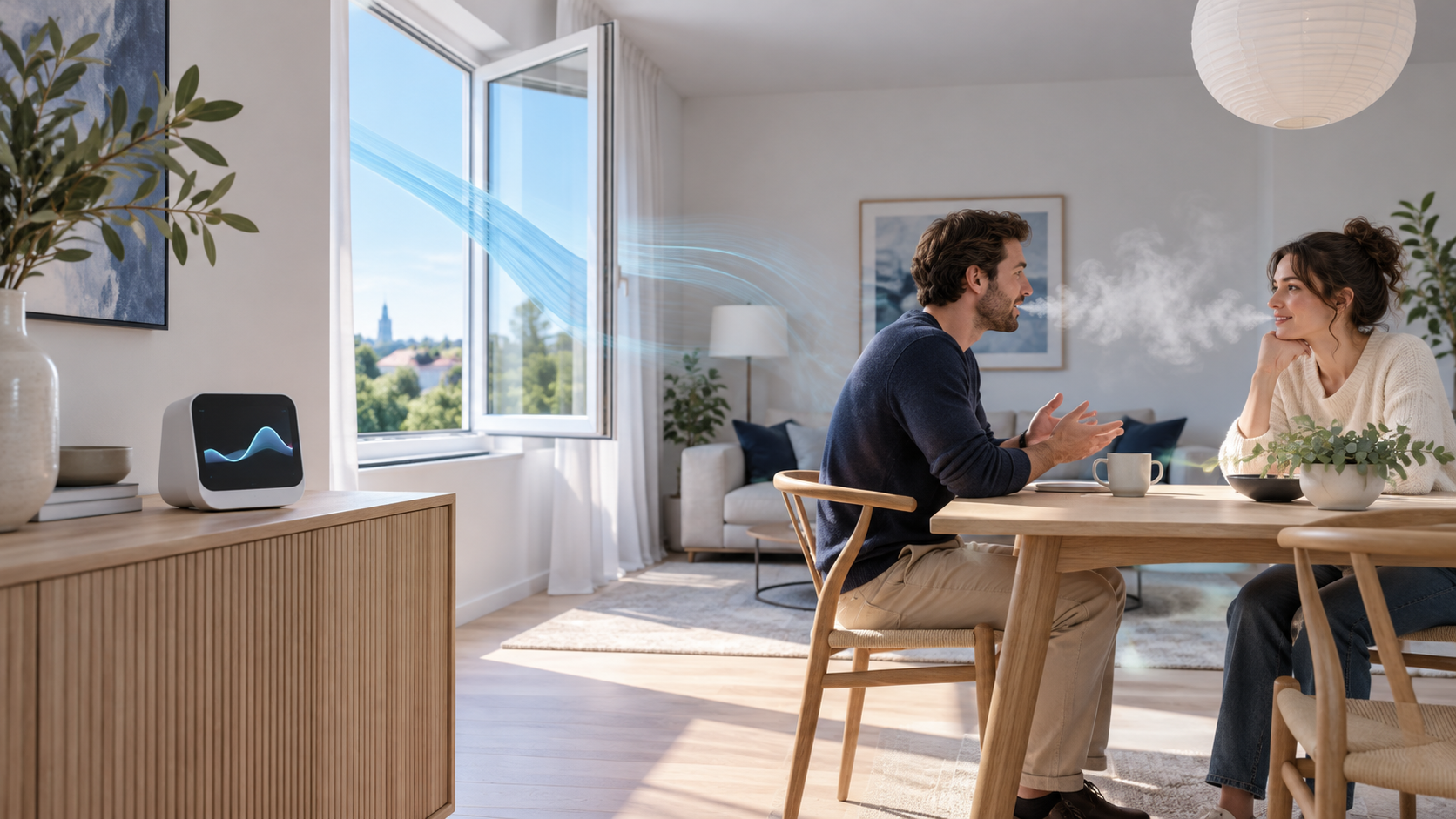
- Respiration: Every time we exhale, we release CO2. In poorly ventilated spaces, CO2 levels can rise quickly.
- Combustion: Burning fossil fuels, whether in vehicles, heaters, or stoves, generates CO2.
- Industrial Processes: Factories and manufacturing plants can release significant amounts of CO2, especially in confined areas.
- Building Materials: Some materials may slowly release CO2 over time, contributing to indoor levels.
Understanding these sources is the first step in managing CO2 levels in any environment.
More About CO2: Understanding Carbon Dioxide (CO2): A Comprehensive Guide
The Importance of Monitoring CO2 Levels
Monitoring CO2 levels is crucial for several reasons. Elevated CO2 levels can lead to health problems, decreased productivity, and in extreme cases, can be life-threatening. Moreover, CO2 levels are often used as an indicator of overall indoor air quality. High CO2 levels can suggest inadequate ventilation, which may also mean the presence of other indoor air pollutants.
Why Do We Measure CO2?
Measuring CO2 levels is critical for several reasons, particularly in maintaining indoor air quality and ensuring the safety and well-being of occupants:
- Health Monitoring: Elevated CO2 levels can lead to various health issues, including headaches, dizziness, and shortness of breath. Regular monitoring helps prevent these symptoms by ensuring that CO2 levels remain within a safe range.
- Ventilation Assessment: CO2 levels serve as an indicator of how well a space is ventilated. High CO2 levels suggest that fresh air is not being adequately circulated, which can also mean the presence of other harmful pollutants.
- Cognitive Performance: High CO2 levels have been shown to impair cognitive function, affecting concentration, decision-making, and overall productivity. This is particularly important in workspaces, schools, and other environments where mental performance is critical.
- Air Quality Indicator: CO2 levels can indicate the effectiveness of ventilation in a space. Poor ventilation not only leads to high CO2 levels but also allows other harmful pollutants to accumulate.
- Compliance with Standards: Various health and safety regulations set maximum allowable CO2 levels in different settings. Regular monitoring ensures compliance with these standards, helping avoid legal issues and ensuring a safe environment for occupants.
More Dangers of CO2: Dangers of CO2: Everything You Need to Know
Carbon Dioxide Levels Chart
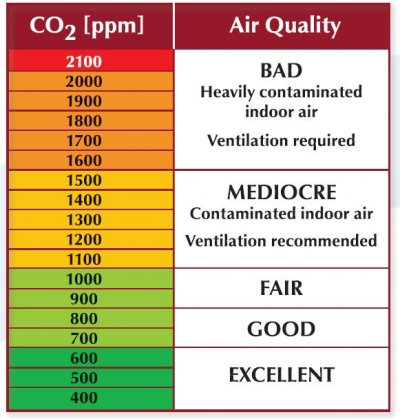
Understanding the effects of CO2 exposure requires knowledge of specific concentration levels and their associated health risks. The chart below outlines various CO2 concentrations, measured in parts per million (ppm), and their potential effects on health and well-being.
| CO2 Concentration (ppm) | Exposure Duration | Potential Health Effects |
|---|---|---|
| 350-450 ppm | Continuous | Typical outdoor levels; normal indoor background level. |
| 400-1,000 ppm | Continuous | Acceptable indoor air quality; no adverse effects. |
| 1,000-2,000 ppm | Continuous | Noticeable effects such as drowsiness, discomfort, and poor air quality perception. |
| 2,000-5,000 ppm | Continuous | Headaches, sleepiness, increased heart rate, mild nausea, and reduced cognitive performance. |
| 5,000 ppm | 8-hour exposure | Maximum occupational exposure limit as per OSHA; prolonged exposure may lead to health concerns such as dizziness, shortness of breath, and increased blood pressure. |
| 10,000 ppm | Short-term exposure | Shortness of breath, confusion, and potential loss of consciousness. |
| 40,000 ppm | Immediate exposure | Extremely dangerous; exposure can lead to loss of consciousness, convulsions, and death. |
Key Takeaways from the CO2 Levels Chart
- 350-450 ppm: This range represents normal outdoor levels and is the baseline for good indoor air quality.
- 400-1,000 ppm: Considered safe for indoor environments, this range is typical in well-ventilated spaces. There are usually no noticeable effects at these levels.
- 1,000-2,000 ppm: At this concentration, occupants may begin to feel discomfort and drowsiness. These levels often indicate that ventilation is inadequate.
- 2,000-5,000 ppm: Prolonged exposure to CO2 levels within this range can lead to headaches, sleepiness, and impaired cognitive function. Action should be taken to improve ventilation immediately.
- 5,000 ppm: This is the maximum permissible level for workplace exposure over an 8-hour period, according to OSHA. Extended exposure at this concentration may pose health risks.
- 10,000 ppm and above: These levels are dangerous and can lead to severe health consequences, including loss of consciousness and death.
What is an Acceptable CO2 Level in a Room?
The acceptable CO2 level in a room varies depending on the environment and its intended use. However, there are general guidelines that help determine whether indoor air quality is safe:
- 350-450 ppm: This range reflects typical outdoor CO2 levels and is considered the baseline for good indoor air quality.
- 400-1,000 ppm: CO2 levels within this range are typical for indoor environments with adequate ventilation. Air quality is generally considered good, with no adverse health effects expected.
- 1,000-2,000 ppm: CO2 levels in this range may indicate poor ventilation. Occupants might experience discomfort such as drowsiness and a stuffy atmosphere. This level is often seen in crowded spaces or rooms with inadequate airflow.
- Above 2,000 ppm: At this level, CO2 concentrations are considered unhealthy. Prolonged exposure can lead to headaches, sleepiness, and impaired cognitive function. Immediate action should be taken to improve ventilation.
What is an Unhealthy Level of CO2?
Unhealthy CO2 levels are generally considered to be above 2,000 ppm, though the severity of health effects increases with higher concentrations:
- 2,000-5,000 ppm: Prolonged exposure at these levels can cause significant discomfort, including headaches, dizziness, and a feeling of stuffiness. Cognitive functions, such as focus and decision-making, can be impaired, and individuals may experience shortness of breath.
- Above 5,000 ppm: Levels above 5,000 ppm are dangerous and should be avoided. This concentration is the maximum occupational exposure limit over an 8-hour workday as per OSHA guidelines. Exposure at this level can lead to more severe symptoms such as nausea, confusion, and an increased heart rate.
- Above 40,000 ppm: Extremely high CO2 levels can lead to life-threatening conditions. Exposure at this level can cause loss of consciousness and, if not corrected immediately, can be fatal.
What Does High CO2 Level Exposure Feel Like?
Exposure to high levels of CO2 can produce a range of symptoms, depending on the concentration and duration of exposure. Here’s what you might feel as CO2 levels increase:
- Mild Exposure (1,000-2,000 ppm): At this level, you might start to feel drowsy or have a slight headache. The air may feel stale or stuffy, leading to a general sense of discomfort.
- Moderate Exposure (2,000-5,000 ppm): Symptoms become more pronounced, including more severe headaches, dizziness, and a noticeable decrease in concentration and cognitive abilities. You may also feel an increased heart rate and shortness of breath.
- Severe Exposure (Above 5,000 ppm): High CO2 exposure can cause confusion, disorientation, and significant breathing difficulties. Nausea, vomiting, and a sense of panic may also occur. Immediate action is necessary to reduce CO2 levels and ensure safety.
CO2 Exposure Limits from Leading Organizations
Various health and safety organizations have established guidelines and exposure limits for CO2 to protect public health and ensure safe working conditions.
OSHA Carbon Dioxide Exposure Limits
The Occupational Safety and Health Administration (OSHA) is responsible for regulating workplace safety in the United States. OSHA has set specific limits for CO2 exposure:
- Permissible Exposure Limit (PEL): OSHA’s PEL for CO2 is 5,000 ppm over an 8-hour workday. This limit is designed to protect workers from the chronic effects of CO2 exposure.
- Short-Term Exposure Limit (STEL): While OSHA does not have a specific STEL for CO2, the concentration should not exceed 30,000 ppm over a 15-minute period.
These limits are crucial for maintaining safe working environments, particularly in industries where CO2 emissions are common.
ASHRAE Carbon Dioxide Exposure Limits
The American Society of Heating, Refrigerating, and Air-Conditioning Engineers (ASHRAE) focuses on indoor air quality and comfort. ASHRAE recommends:
- Indoor Air Quality Standard: Maintaining CO2 levels below 1,000 ppm is ideal for good indoor air quality. Levels above 1,000 ppm may indicate that ventilation needs improvement.
ASHRAE’s guidelines are widely used in designing HVAC systems and ensuring that buildings maintain healthy indoor air quality.
NIOSH Carbon Dioxide Levels Exposure Limits
The National Institute for Occupational Safety and Health (NIOSH) provides recommendations to prevent work-related illnesses. NIOSH suggests:
- Recommended Exposure Limit (REL): NIOSH recommends a REL of 5,000 ppm for CO2 over a 10-hour workday.
- Immediate Danger to Life and Health (IDLH): NIOSH identifies 40,000 ppm as the IDLH concentration for CO2, meaning that exposure at this level poses an immediate threat to life or health.
NIOSH’s guidelines are critical for industries where workers may be exposed to elevated CO2 levels.
ACGIH Carbon Dioxide Levels Exposure Limits
The American Conference of Governmental Industrial Hygienists (ACGIH) is a professional organization that provides guidelines for workplace exposure to various substances, including CO2:
- Threshold Limit Value (TLV): ACGIH sets a TLV for CO2 at 5,000 ppm for an 8-hour workday.
- Short-Term Exposure Limit (STEL): ACGIH recommends a STEL of 30,000 ppm for 15 minutes.
ACGIH’s guidelines are often used in industrial hygiene practices to protect worker health.
EPA Carbon Dioxide Levels Exposure Limits
The Environmental Protection Agency (EPA) provides guidance on CO2 levels in indoor environments, primarily focusing on residential settings:
- Indoor Air Quality: The EPA suggests that CO2 levels should generally remain below 1,000 ppm in residential indoor air to ensure adequate ventilation and prevent health issues.
The EPA’s recommendations are crucial for maintaining healthy indoor environments in homes, schools, and public buildings.
WHO Carbon Dioxide Levels Exposure Limits
The World Health Organization (WHO) provides global guidelines on safe CO2 exposure levels:
- Indoor Air Quality Guidelines: WHO recommends that indoor CO2 levels should not exceed 1,000 ppm to minimize the risk of adverse health effects and ensure good air quality.
WHO’s guidelines are especially important for settings like schools, hospitals, and offices where indoor air quality can significantly impact public health.
UL, CSA, ANSI CO2 Levels Exposure Limits
Various standards organizations, including Underwriters Laboratories (UL), the Canadian Standards Association (CSA), and the American National Standards Institute (ANSI), set standards for CO2 monitoring and safety equipment:
- UL 2034: This standard covers CO and CO2 detectors, ensuring they meet safety and performance requirements. It emphasizes that CO2 levels above 5,000 ppm require immediate corrective action.
- CSA and ANSI: Similar to UL, these organizations provide standards that ensure CO2 monitoring devices are accurate and reliable, with a focus on safety in both residential and commercial environments.
These standards ensure that CO2 detectors are effective in alerting occupants to dangerous levels of CO2.
Key Factors Influencing Carbon Dioxide Levels Indoors
Several factors can contribute to elevated CO2 levels in indoor environments. Understanding these factors can help in managing and reducing CO2 concentrations:
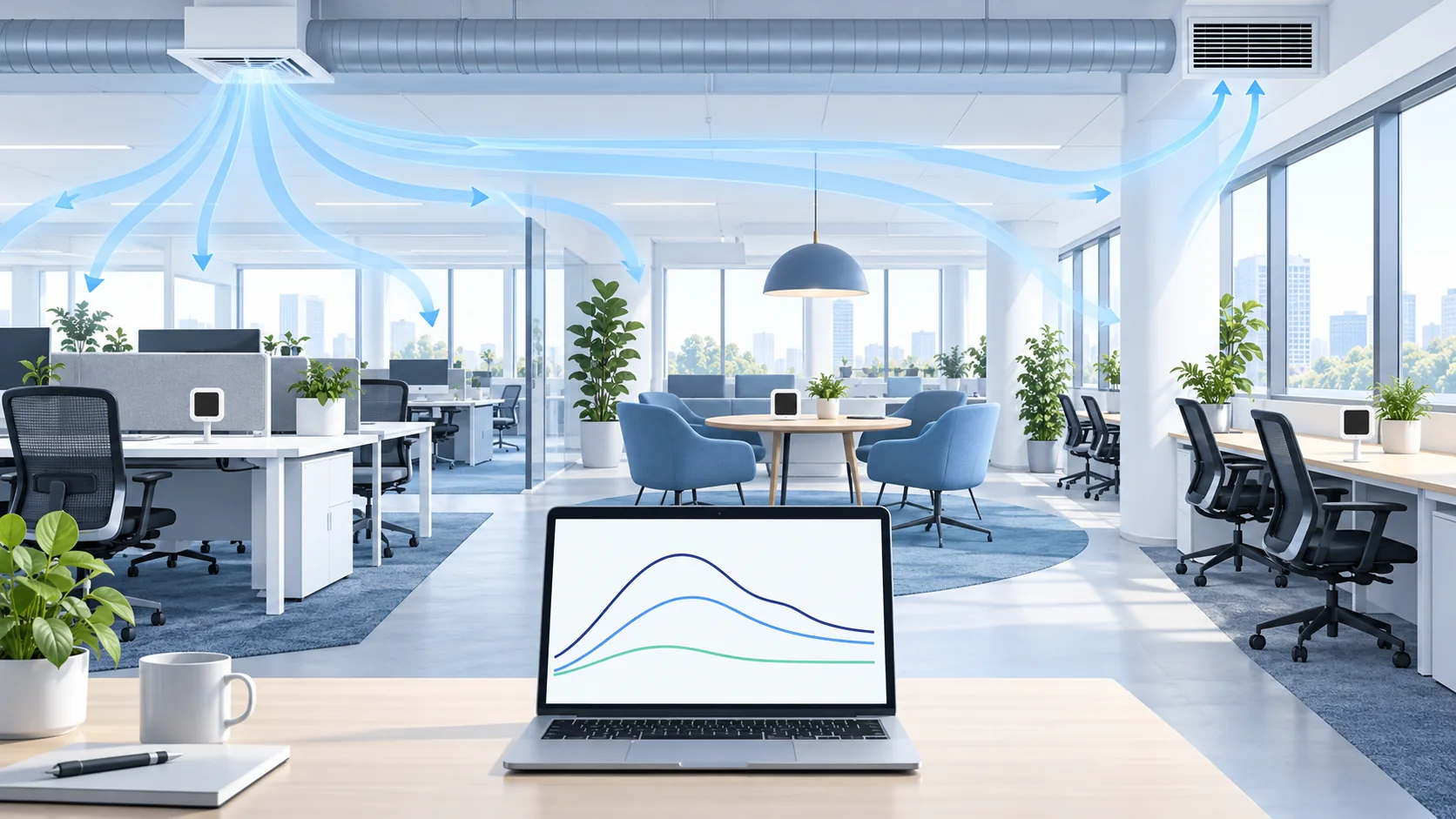
- Ventilation: The primary factor influencing indoor CO2 levels is ventilation. Poor ventilation can lead to a buildup of CO2, particularly in spaces with high occupancy. Ensuring adequate airflow and regular exchange of indoor and outdoor air is crucial.
- Occupancy: The number of people in a room directly affects CO2 levels, as human respiration is a significant source of CO2. Higher occupancy rates can quickly lead to increased CO2 concentrations, especially in confined spaces.
- Building Design: The design of a building, including the placement of windows, doors, and ventilation systems, plays a significant role in how air circulates. Poorly designed spaces can trap CO2, leading to higher indoor levels.
- Use of Appliances: Appliances such as stoves, heaters, and certain industrial equipment can produce CO2, contributing to elevated levels indoors. Regular maintenance and proper ventilation can mitigate these effects.
- Seasonal Variations: Seasonal changes can influence how often windows and doors are opened, affecting natural ventilation. During colder months, when windows are kept closed, CO2 levels can rise more quickly.
Related Reading: Understanding and Managing Typical CO2 Levels at Home: A Comprehensive Guide
Example of a High CO2 Level Incident
To understand the real-world implications of elevated CO2 levels, consider the following example:
In a high school classroom in a large city, students and teachers began to experience headaches, fatigue, and difficulty concentrating during the day. The room felt particularly stuffy, even though the HVAC system was functioning. Upon investigation, it was discovered that the CO2 levels in the classroom had risen to 2,500 ppm due to inadequate ventilation and a high occupancy rate. The school promptly addressed the issue by improving the ventilation system and reducing the number of students per classroom. Once CO2 levels were brought down to below 1,000 ppm, the symptoms experienced by students and staff were significantly reduced, and overall air quality improved.
This example highlights the importance of monitoring CO2 levels in crowded or poorly ventilated spaces to prevent adverse health effects and ensure a comfortable learning environment.
Carbon Dioxide Meters and Detectors
To effectively monitor CO2 levels, using reliable CO2 meters and detectors is essential. These devices can help identify when CO2 levels are rising to unsafe levels, allowing for timely intervention.
Types of Carbon Dioxide Meters
- Portable CO2 Meters: These are handheld devices ideal for spot-checking CO2 levels in various locations, making them useful for safety inspections and fieldwork.
- Fixed CO2 Detectors: Installed in homes, offices, and industrial settings, these detectors continuously monitor CO2 levels and trigger an alarm when levels exceed safe thresholds.
- Smart CO2 Monitors: These devices are connected to smart home systems and can provide real-time CO2 readings, alerts, and ventilation control recommendations.
Features to Look for in a CO2 Meter
- Accuracy: High accuracy is crucial for detecting even small increases in CO2 levels.
- Range: Ensure the meter can measure the full range of CO2 levels you may encounter, from background levels up to hazardous concentrations.
- Alarm System: A good CO2 meter should have a reliable alarm that sounds when levels exceed safe limits.
- Data Logging: Advanced CO2 meters may include data logging features to track CO2 levels over time, useful for identifying trends and potential issues.
Popular CO2 Meter/Sensor Brands
Co2 Meter
- Extech: Known for producing durable and accurate CO2 meters for both industrial and residential use.
- Amprobe: Offers a range of portable and fixed CO2 detectors with user-friendly interfaces.
- Kidde: Specializes in residential CO2 and CO detectors that are easy to install and maintain.
Co2 Sensor
- Winsen: With seven types and over 200 series of CO2 gas sensors, pressure sensors, flow sensors, humidity sensors, as well as sensing related instruments and equipments
- Cubic: Specializing in smart gas sensors and superior gas analyzers
- Senseair: Senseair is a global provider of air and gas sensing technology. His purpose is to make sense of air by providing the best possible measurement solutions, service and intelligence.
- Sensirion: His mission is to be your no. 1 go-to partner for sensors and sensor solutions with outstanding design and reliability.
The Best CO2 Level Indoor Air Quality Monitors
Monitoring CO2 levels effectively requires the use of reliable CO2 detectors and air quality monitors. Here are some of the best options available on the market:
1. Aranet4 Home Indoor Air Quality Monitor
- Features: The Aranet4 is a portable, battery-powered device that provides real-time CO2 readings along with temperature, humidity, and atmospheric pressure. It has a clear display and is easy to use, making it ideal for home and office environments.
- Pros: Portable, long battery life, and provides accurate readings.
- Cons: Higher price point compared to some other monitors.
2. Awair Element Indoor Air Quality Monitor
- Features: Awair Element monitors CO2 levels along with other key air quality metrics such as VOCs (volatile organic compounds), temperature, and humidity. It connects to your smartphone, providing real-time updates and air quality recommendations.
- Pros: Comprehensive monitoring with a user-friendly app, stylish design.
- Cons: Requires Wi-Fi for full functionality, which may limit use in some areas.
3. Temtop M2000C Air Quality Monitor
- Features: The Temtop M2000C is a professional-grade monitor that measures CO2, particulate matter (PM2.5 and PM10), and formaldehyde levels. It has a large, easy-to-read screen and provides detailed data for those needing in-depth air quality analysis.
- Pros: Professional accuracy, multi-parameter monitoring.
- Cons: Bulkier than other options, not as portable.
4. Kaiterra Laser Egg+ CO2
- Features: The Laser Egg+ CO2 offers real-time monitoring of CO2 levels, temperature, humidity, and particulate matter. It connects to your smartphone and provides insights into indoor air quality trends, helping you make informed decisions about your environment.
- Pros: High accuracy, smart home integration.
- Cons: Requires frequent calibration for best accuracy.
5. uHoo Indoor Air Quality Sensor
- Features: uHoo is a comprehensive air quality monitor that tracks nine different indoor air quality factors, including CO2. It provides real-time alerts and insights through a companion app, making it one of the most advanced air quality monitors available.
- Pros: Extensive monitoring capabilities, detailed analytics.
- Cons: Expensive, requires Wi-Fi and app for full functionality.
Conclusion
Understanding and monitoring carbon dioxide levels is essential for maintaining a safe and healthy environment, whether at home, in the workplace, or in public spaces. By adhering to the guidelines and exposure limits set by leading health and safety organizations, you can mitigate the risks associated with elevated CO2 levels. Regular monitoring using reliable CO2 meters and detectors is crucial for early detection and prevention of potential health hazards. Stay informed, be proactive, and ensure that your indoor spaces are well-ventilated to keep CO2 levels within safe limits.
Related Read: