

Electrochemical HCHO Sensors

Principle of Operation
Electrochemical sensors detect formaldehyde through a chemical reaction that generates an electrical signal proportional to the concentration of HCHO in the air. The key components include a sensing electrode, a counter electrode, and an electrolyte.
- Chemical Reaction: Formaldehyde reacts with a specific reagent in the sensor.
- Signal Generation: The reaction produces an electrical current.
- Measurement: The current is measured and converted into a concentration value.
Advantages
- High Sensitivity: Capable of detecting low levels of formaldehyde.
- Specificity: Generally good specificity to formaldehyde.
- Accuracy: Provides accurate and reliable measurements.
Limitations
- Maintenance: Requires periodic calibration and maintenance.
- Lifespan: Limited lifespan due to the consumption of reagents.
Metal-Oxide-Semiconductor (MOS) CH2O Sensors
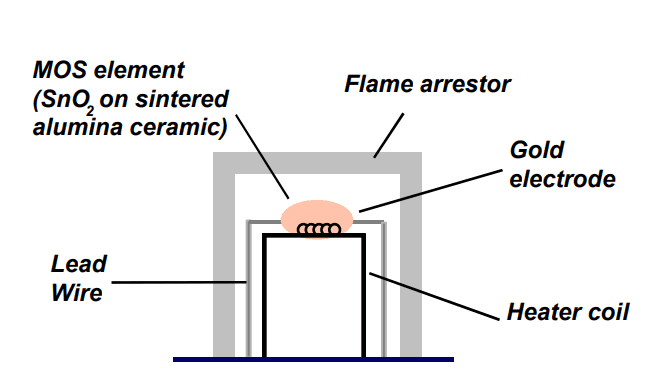
Principle of Operation
MOS sensors detect formaldehyde by measuring changes in the electrical conductivity of a semiconductor material, typically tin dioxide (SnO2), when exposed to HCHO.
- Adsorption: Formaldehyde molecules adsorb onto the semiconductor surface.
- Conductivity Change: The adsorption alters the electrical conductivity of the material.
- Measurement: The change in conductivity is measured and correlated to the formaldehyde concentration.
Advantages
- Durability: Robust and can withstand harsh environments.
- Low Cost: Generally less expensive compared to other sensor types.
- Low Power Consumption: Suitable for portable applications.
Limitations
- Selectivity: Can be affected by other gases and environmental conditions.
- Sensitivity: Less sensitive compared to electrochemical and PID sensors.
Photoionization Detectors (PID) Formaldehyde Sensor
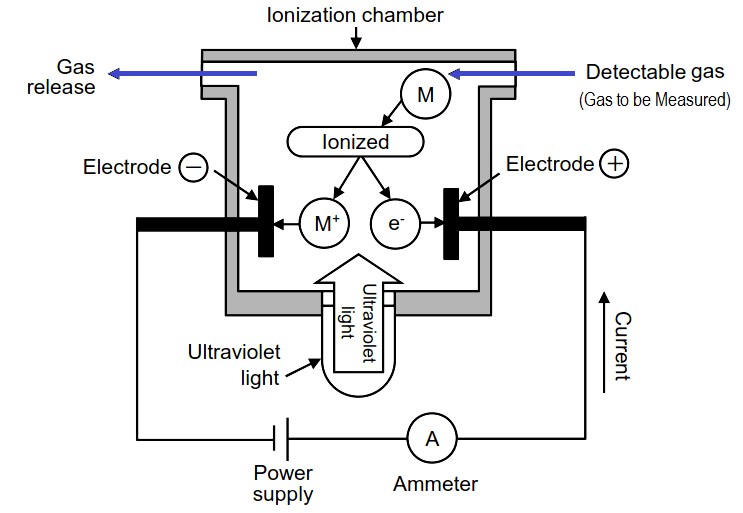
Principle of Operation
PIDs use ultraviolet (UV) light to ionize formaldehyde molecules. The resulting ions generate an electrical current proportional to the concentration of HCHO.
- Ionization: UV light ionizes formaldehyde molecules.
- Current Generation: The ions produce an electrical current.
- Measurement: The current is measured to determine the formaldehyde concentration.
Advantages
- High Sensitivity: Can detect very low concentrations of formaldehyde.
- Fast Response: Provides real-time monitoring.
- Broad Detection Range: Capable of detecting a wide range of VOCs.
Limitations
- Cost: Generally more expensive.
- Complexity: Requires more complex calibration and maintenance.
Colorimetric Sensors
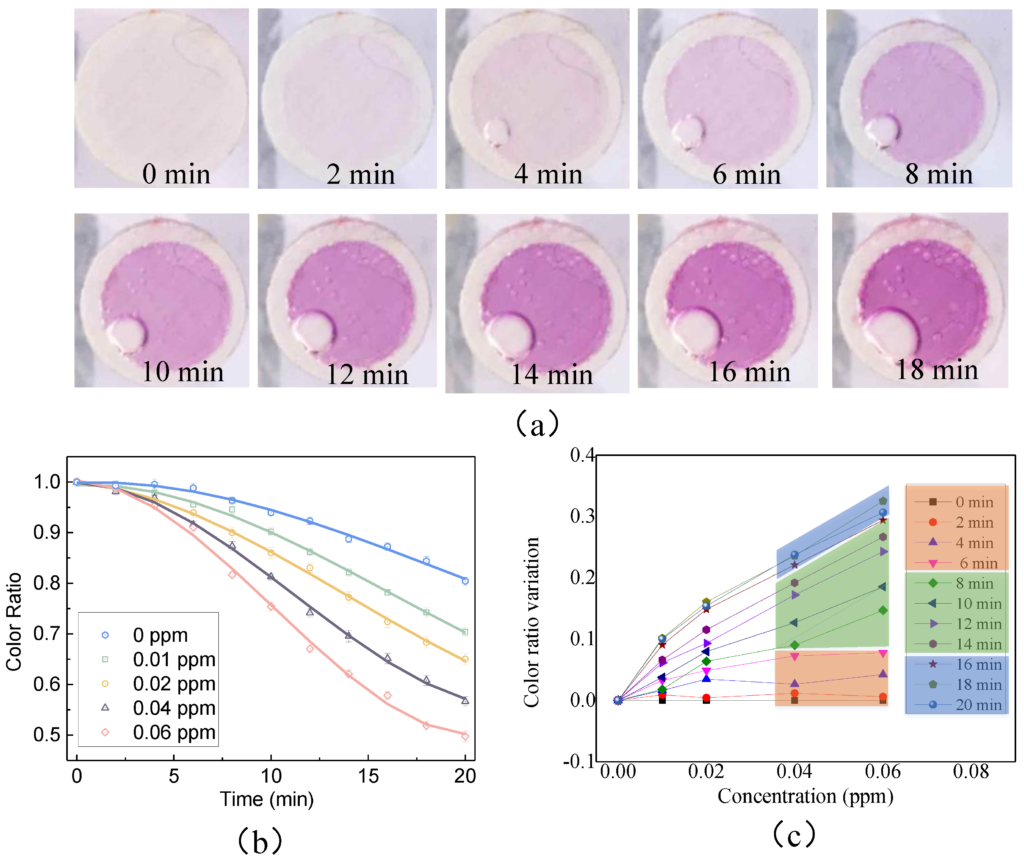
Principle of Operation
Colorimetric sensors detect formaldehyde through a chemical reaction that causes a color change in a reagent. The intensity of the color change correlates with the HCHO concentration.
- Chemical Reaction: Formaldehyde reacts with a colorimetric reagent.
- Color Change: The reaction induces a color change in the reagent.
- Measurement: The intensity of the color change is measured photometrically and converted to a formaldehyde concentration.
Advantages
- Visual Indication: Easy to use and provides a direct visual indication of formaldehyde presence.
- Cost-Effective: Generally less expensive and does not require complex electronics.
- Simple Operation: Easy to use without extensive training.
Limitations
- Sensitivity: Lower sensitivity compared to other sensor types.
- Quantification: Less precise in quantifying exact concentrations.
- Reagent Replacement: Requires periodic replacement of reagents.
Portable vs Fixed Refrigerant Detection: How Their Jobs Differ
Compare handheld leak locators, fixed-point monitors and aspirating systems by sample location, response chain and commissioning needs.
Read More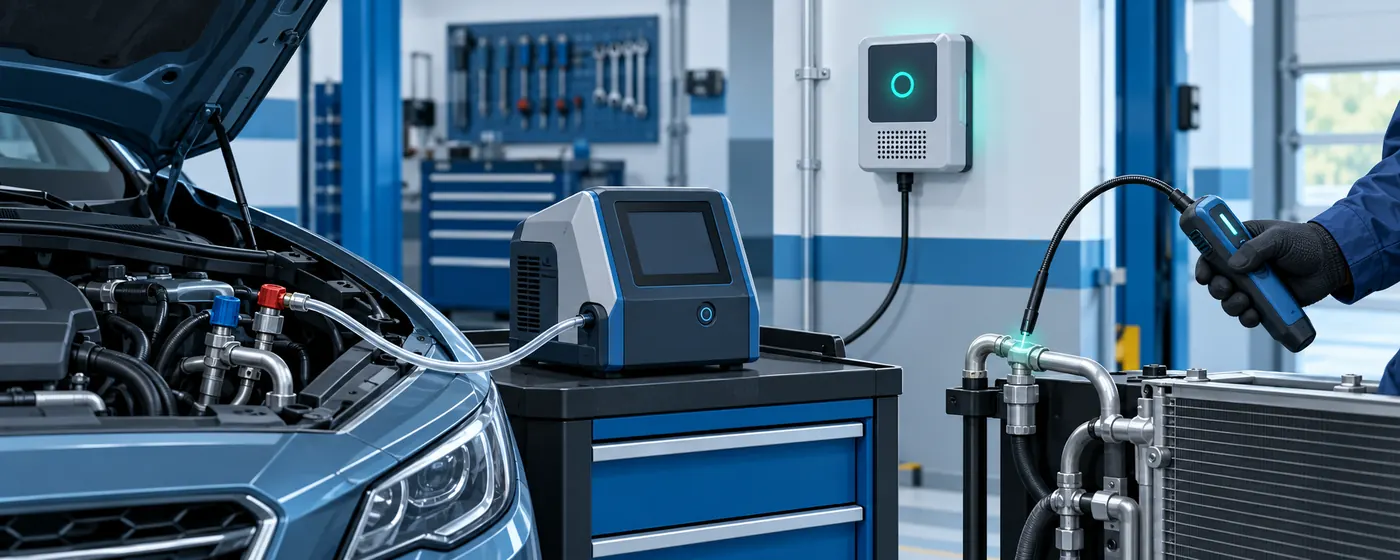
Refrigerant Identification vs Concentration Measurement: Which Test Do You Need?
Distinguish a sealed-charge identifier from ambient concentration monitoring, handheld leak location and formal refrigerant purity testing.
Read More
How Humidity Affects Optical PM2.5 Sensor Readings
Learn why humidity, water uptake, fog and condensation can affect optical PM2.5 estimates and how to investigate and validate a humid-air spike.
Read More
How to Interpret CO2 Readings in a Vehicle Cabin
Read vehicle-cabin CO2 trends alongside passengers, HVAC mode and route conditions while separating ventilation clues from particle and exhaust safety questions.
Read More
Gas Heater Monitoring at Home: Which Alarm and Sensor Does What?
Understand the separate roles of a household CO alarm, fuel-gas detector, CO2 monitor and qualified heater service, including what to do after a warning.
Read More
How to Plan IAQ Monitoring in Shared Indoor Spaces
Plan indoor-air-quality monitoring for libraries, waiting areas and shared rooms by matching CO2, particles and other channels to a defined decision.
Read More