Introduction
Formaldehyde(CH2O) is a volatile organic compound (VOC) that is widely used in the production of resins, building materials, and household products. It is also a byproduct of combustion and other industrial processes. Exposure to formaldehyde can cause a range of health effects, from mild irritation to serious respiratory issues and cancer. As a result, formaldehyde sensors play a crucial role in ensuring air quality and safety in various environments.
What is a Formaldehyde Sensor?
A formaldehyde sensor is a device designed to detect and measure the concentration of formaldehyde (CH2O or HCHO) in the air. Formaldehyde is a colorless, pungent-smelling gas commonly found in various industrial processes and household products. Due to its potential health hazards, monitoring formaldehyde levels is essential in both residential and industrial environments.
How Formaldehyde Sensors Work
Formaldehyde sensors operate using different principles to detect and quantify the presence of formaldehyde gas. The most common types of formaldehyde sensors include electrochemical sensors, metal-oxide-semiconductor (MOS) sensors, photoionization detectors (PID), and colorimetric sensors.
Electrochemical CH2O Sensors

(Source: researchgate.net)
Electrochemical sensors detect formaldehyde by generating an electrical signal in response to a chemical reaction. These sensors consist of a sensing electrode, a counter electrode, and an electrolyte.
- Chemical Reaction: Formaldehyde reacts with a chemical reagent in the sensor.
- Electrical Signal Generation: The reaction produces an electrical current proportional to the concentration of formaldehyde.
- Measurement: The electrical signal is measured and converted into a concentration value.
Metal-Oxide-Semiconductor (MOS) HCHO Sensors
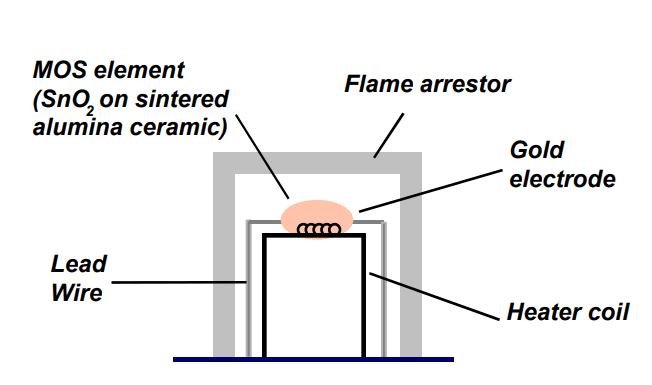
MOS sensors use a semiconductor material, typically tin dioxide (SnO2), to detect formaldehyde.
- Adsorption: Formaldehyde molecules adsorb onto the surface of the semiconductor.
- Change in Conductivity: The adsorption causes a change in the electrical conductivity of the semiconductor.
- Measurement: The change in conductivity is measured and correlated to the formaldehyde concentration.
Photoionization Detectors (PID) Formaldehyde Sensors
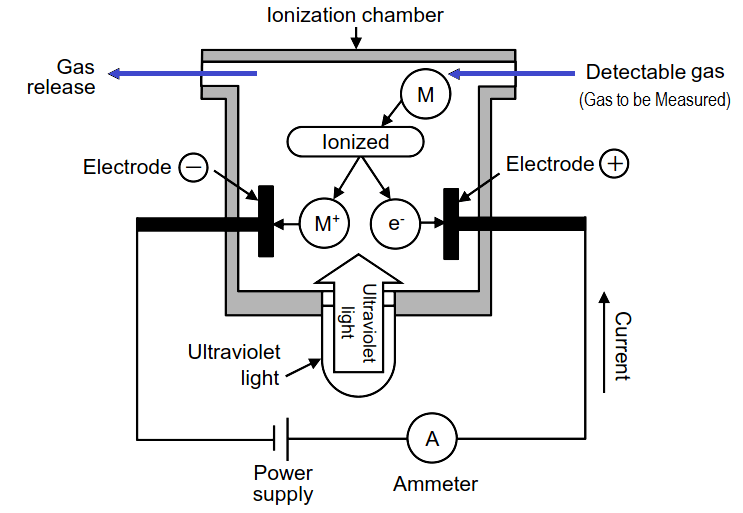
PIDs use ultraviolet (UV) light to ionize formaldehyde molecules.
- Ionization: UV light ionizes the formaldehyde molecules.
- Electrical Signal: The ions produce an electrical current.
- Measurement: The current is measured and related to the concentration of formaldehyde.
Colorimetric Sensors
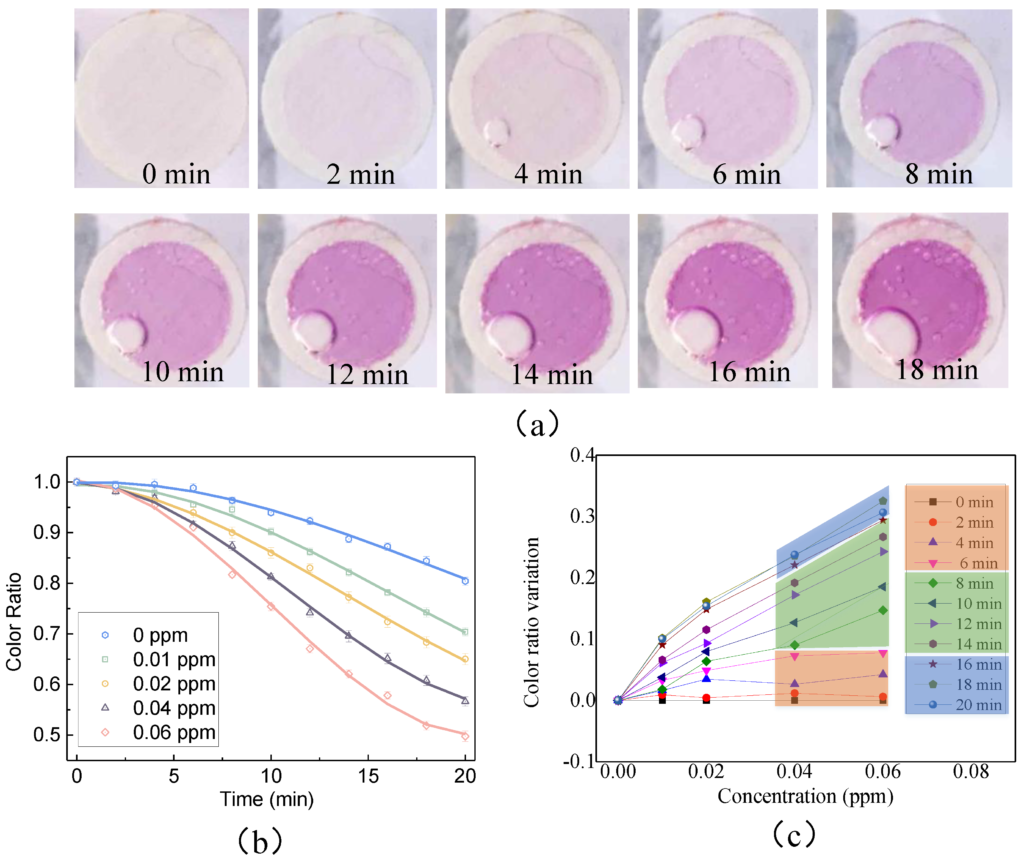
Colorimetric sensors use a chemical reagent that changes color when it reacts with formaldehyde.
- Chemical Reaction: Formaldehyde reacts with the reagent.
- Color Change: The reaction causes a color change in the reagent.
- Measurement: The intensity of the color change is measured, usually by a photometric device, and converted to a formaldehyde concentration.
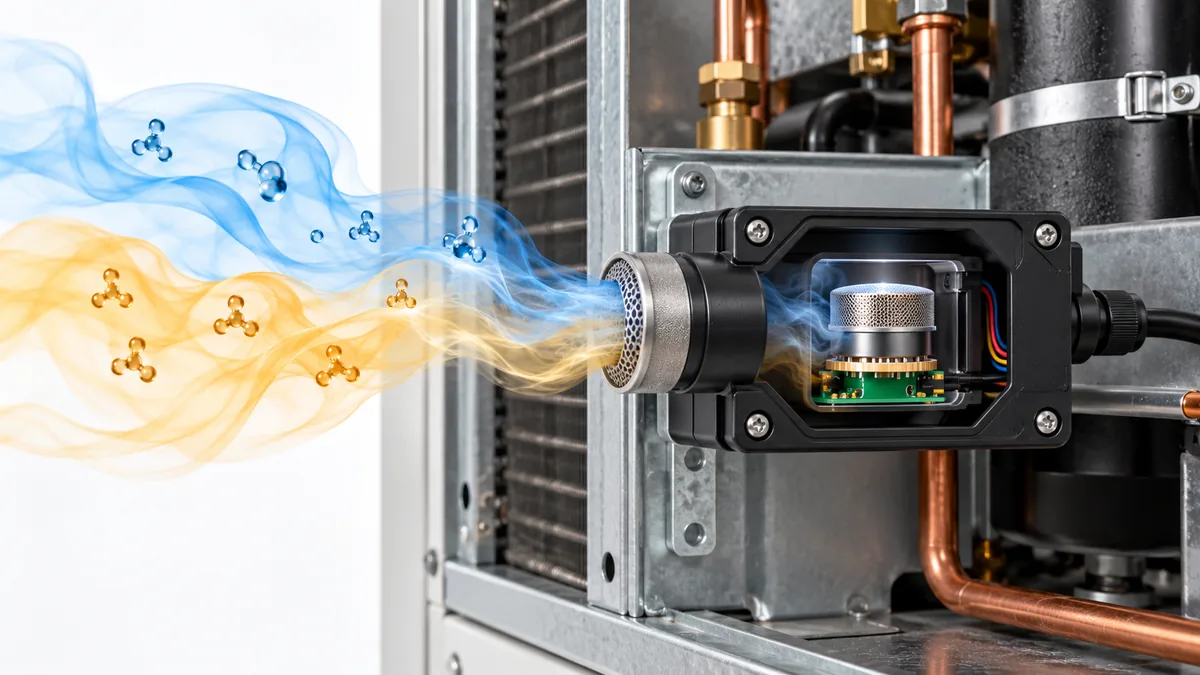
How to choose their Sensor: Comparing HCHO Sensors, Electrochemical, MOS, PID, and Colorimetric Sensors
Formaldehyde Sensor Applications
Formaldehyde sensors are used in a wide range of applications to ensure safe and healthy environments.
Residential Settings
- Indoor Air Quality: Monitoring formaldehyde levels in homes to prevent health issues caused by off-gassing from furniture, building materials, and household products.
- Health Protection: Ensuring that formaldehyde concentrations remain below safe levels to protect residents from respiratory problems and other health risks.
Industrial and Commercial Environments
- Manufacturing Facilities: Monitoring formaldehyde levels in factories where resins, plastics, textiles, and other materials are produced to ensure worker safety.
- Laboratories: Ensuring safe working conditions in laboratories that use formaldehyde as a reagent or preservative.
- Office Buildings: Monitoring air quality in commercial buildings to maintain a healthy work environment.
Healthcare and Medical Settings
- Hospitals: Monitoring formaldehyde levels in areas where it is used for sterilization or as a disinfectant.
- Medical Laboratories: Ensuring safe air quality in labs where formaldehyde is used in specimen preservation.
Environmental Monitoring
- Outdoor Air Quality: Monitoring ambient air quality in urban and industrial areas to assess pollution levels and regulatory compliance.
- Environmental Research: Studying the impact of formaldehyde on ecosystems and human health.
Importance of Formaldehyde Sensors
Formaldehyde sensors are vital for maintaining air quality and protecting health for several reasons.
Health Protection
- Respiratory Health: Chronic exposure to formaldehyde can cause respiratory issues, including asthma and bronchitis.
- Carcinogenic Risk: Formaldehyde is classified as a human carcinogen. Long-term exposure can increase the risk of developing cancer.
- Acute Symptoms: Short-term exposure can cause eye, nose, and throat irritation, headaches, and skin rashes.
Regulatory Compliance
- Occupational Safety: Ensuring that formaldehyde levels in workplaces comply with Occupational Safety and Health Administration (OSHA) regulations.
- Environmental Standards: Meeting air quality standards set by environmental agencies such as the Environmental Protection Agency (EPA).
Environmental Impact
- Air Pollution: Monitoring formaldehyde as a component of air pollution, particularly in urban and industrial areas.
- Climate Change: Understanding formaldehyde’s role in atmospheric chemistry and its contribution to climate change.
Frequently Asked Questions (FAQ)
What is formaldehyde, and where is it commonly found?
Formaldehyde is a colorless, pungent-smelling gas used in various industrial processes and found in many household products. It is used in the production of resins, building materials, and textiles and is also a byproduct of combustion.
How does exposure to formaldehyde affect health?
Exposure to formaldehyde can cause acute symptoms like eye, nose, and throat irritation, as well as chronic respiratory issues and increased cancer risk. Long-term exposure is particularly hazardous and can lead to serious health conditions.
Why is it important to monitor formaldehyde levels?
Monitoring formaldehyde levels is essential to protect human health, ensure regulatory compliance, and understand its environmental impact. Formaldehyde sensors help detect and mitigate exposure to this harmful chemical.
What types of formaldehyde sensors are available?
The most common types of formaldehyde sensors are electrochemical sensors, metal-oxide-semiconductor (MOS) sensors, photoionization detectors (PID), and colorimetric sensors. Each type has its unique principles and applications.
How do electrochemical formaldehyde sensors work?
Electrochemical sensors detect formaldehyde by generating an electrical signal in response to a chemical reaction with formaldehyde. This signal is proportional to the concentration of formaldehyde in the air.
Conclusion
Formaldehyde sensors are indispensable tools for monitoring air quality and ensuring safe environments. By detecting and quantifying formaldehyde concentrations, these sensors help protect human health, comply with regulatory standards, and mitigate environmental impacts. Understanding the different types of formaldehyde sensors and their applications allows for more informed decisions in maintaining air quality across various settings. As technology advances, the effectiveness and accessibility of formaldehyde sensors will continue to improve, further enhancing our ability to manage air quality and protect public health.