Sensor One Stop2026-10-19T15:11:56+08:00Use linked room, occupied-event and issue logs to turn school CO2 observations into reliable ventilation follow-up.
Sensor One Stop2026-10-19T15:08:57+08:00Choose representative school classroom CO2 monitor positions by occupancy and air paths, then verify, document and maintain the installation.
Sensor One Stop2026-10-19T15:04:40+08:00Interpret classroom CO2 readings as occupied ventilation clues with context, local guidance, monitor checks and repeatable follow-up.
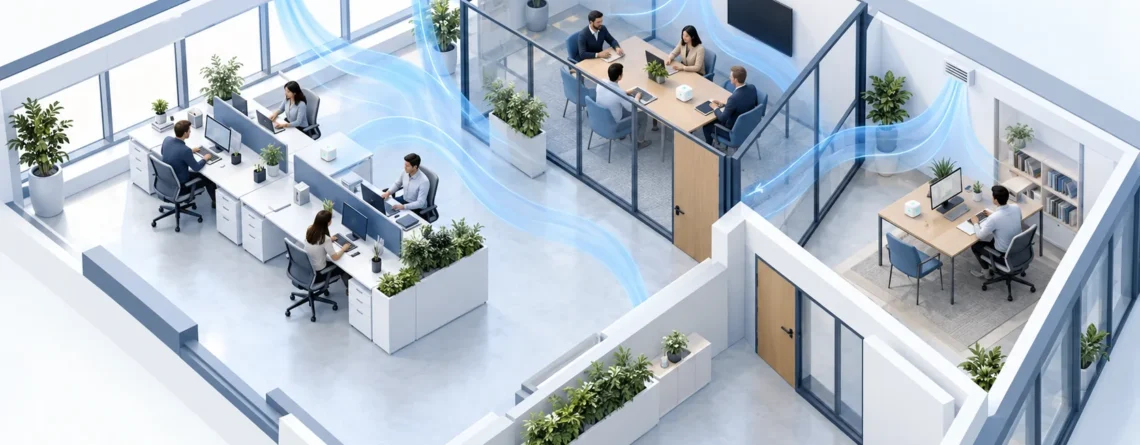
Sensor One Stop2026-10-16T10:46:27+08:00Compare synchronized office-zone CO2 logs after checking monitor agreement, location, occupancy and air-system events; learn when a zone difference warrants investigation.
Sensor One Stop2026-10-16T10:43:53+08:00Read meeting-room CO2 trends with occupancy and ventilation events, distinguishing starting level, occupied rise, intervention and post-meeting decline.
Sensor One Stop2026-10-16T10:38:11+08:00Plan representative office CO2 monitor locations by measurement purpose, occupancy and air paths, then verify positions and log context before using the data.
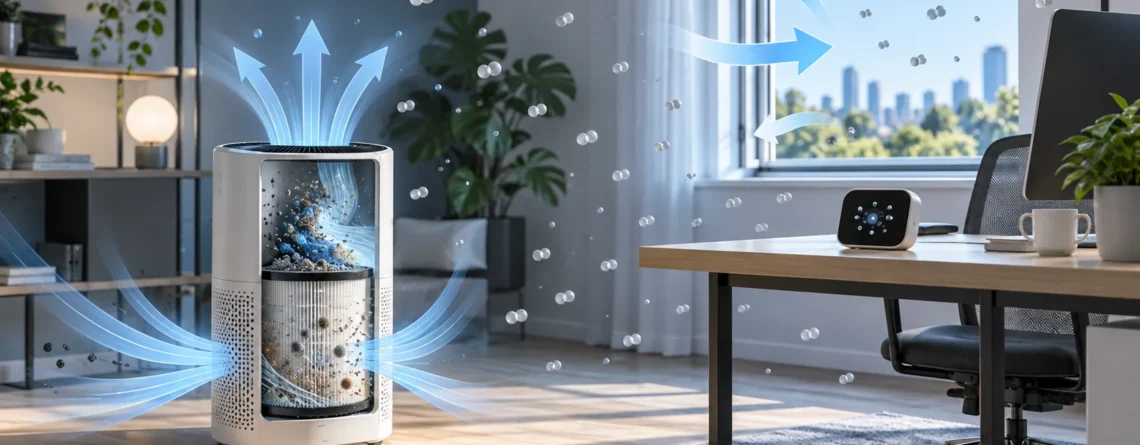
Sensor One Stop2026-10-15T09:34:05+08:00Ordinary HEPA purifiers capture particles but do not meaningfully remove occupant-generated CO2. Learn to separate recirculation, outdoor-air ventilation and monitor mixing effects.
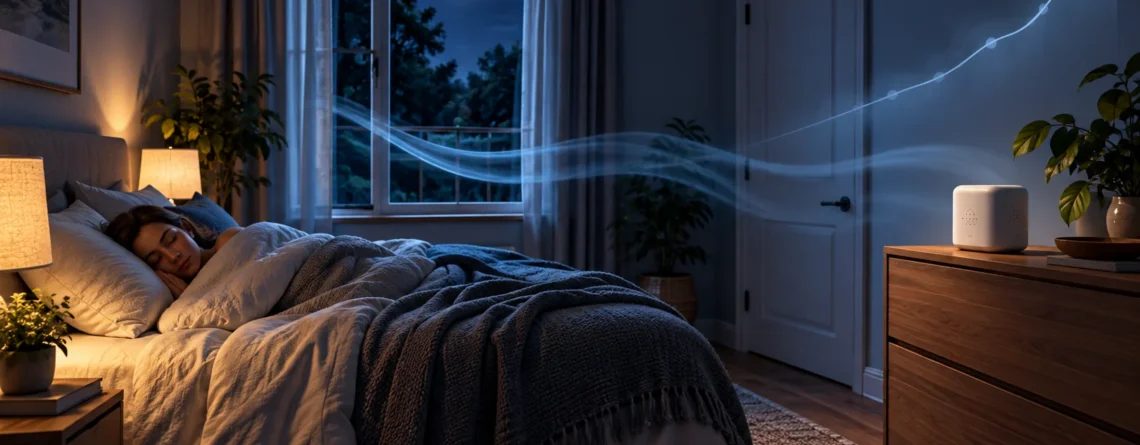
Sensor One Stop2026-10-15T09:28:32+08:00Interpret an overnight bedroom CO2 trace using its starting level, rise, plateau and morning response while checking logger quality, air paths and comparable nights.
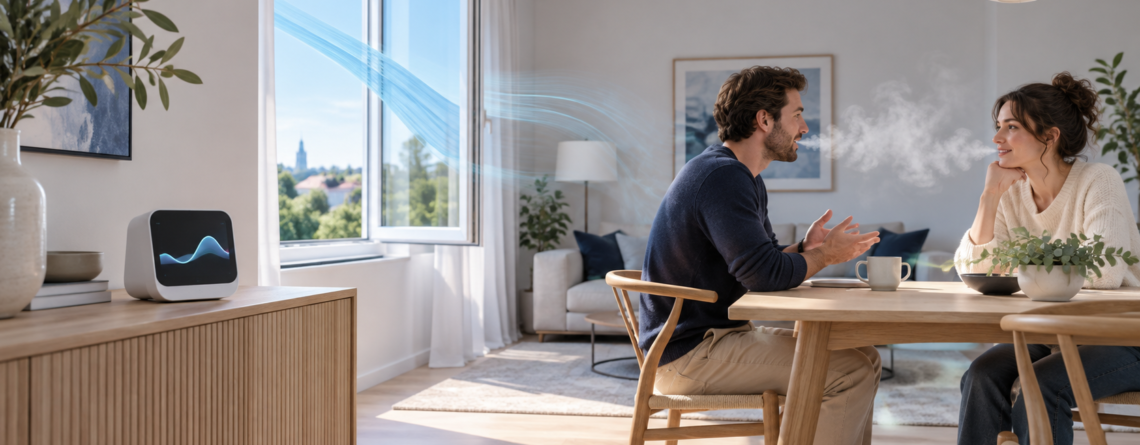
Sensor One Stop2026-10-15T09:20:20+08:00Learn how occupancy, outdoor air, room mixing and monitor placement shape a home CO2 trace, and use a repeatable log to test ventilation changes.
Sensor One Stop2026-10-14T10:35:15+08:00Choose a CO2 logger, live display or both by comparing sensor response, update and record intervals, timestamps, data gaps, retention and use.