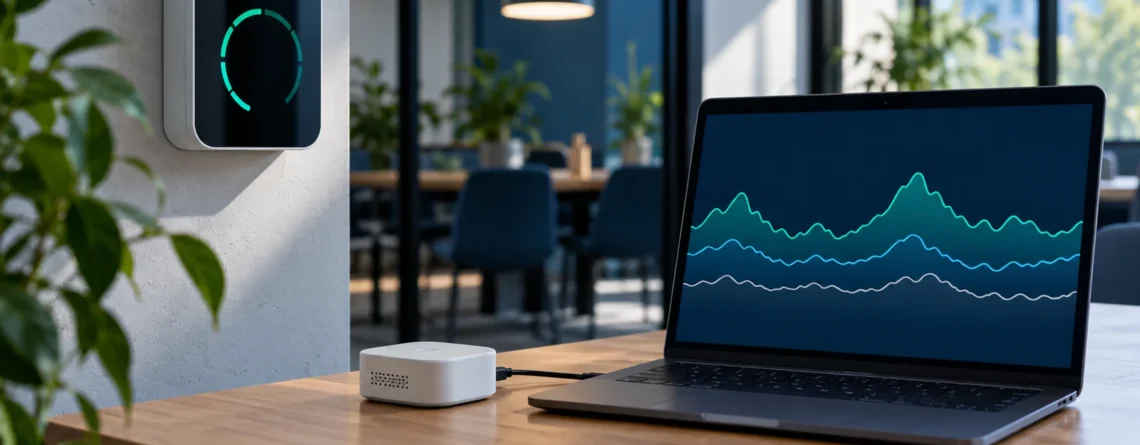
Sensor One Stop2026-10-14T10:35:15+08:00Choose a CO2 logger, live display or both by comparing sensor response, update and record intervals, timestamps, data gaps, retention and use.
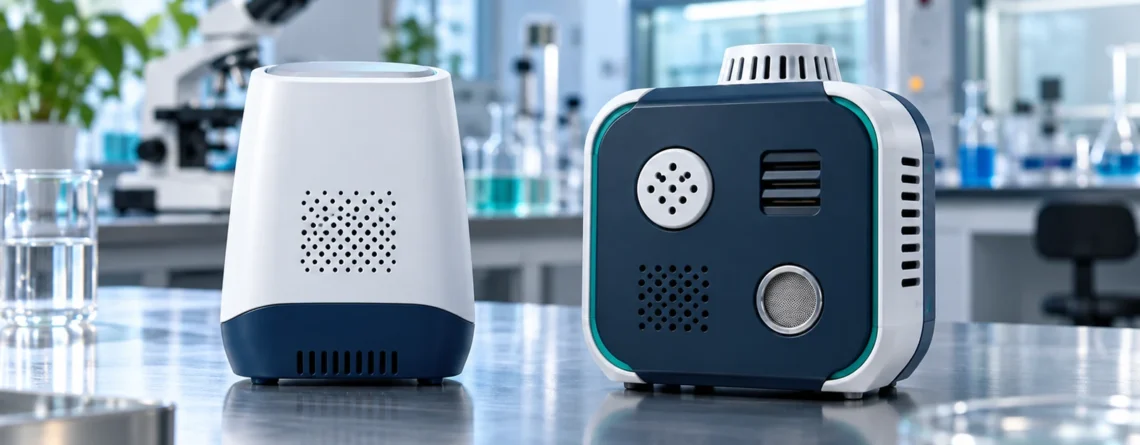
Sensor One Stop2026-10-14T10:32:36+08:00Compare single-gas and multiparameter monitors by the evidence for each channel, sample location, data quality, maintenance and intended use.
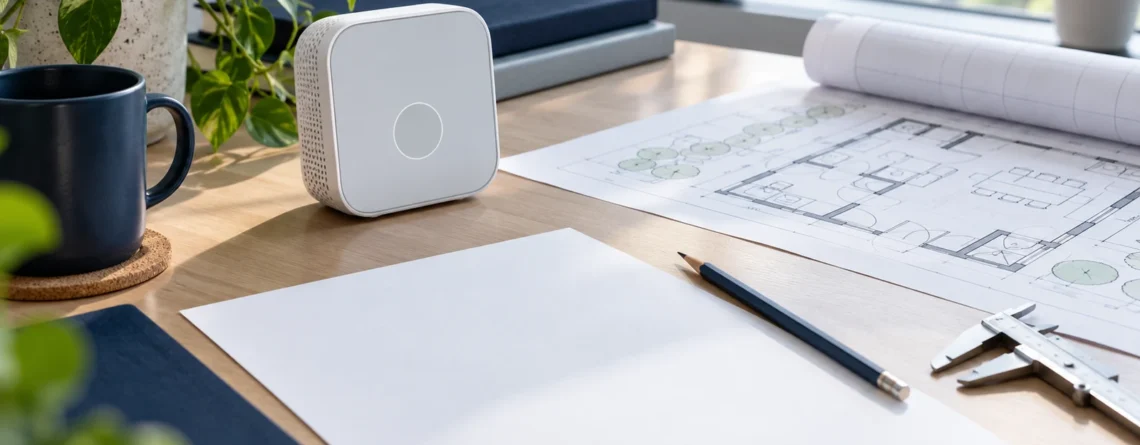
Sensor One Stop2026-10-14T10:30:33+08:00Build a practical CO2 measurement brief covering purpose, sample, range, timing, data, faults, maintenance and acceptance evidence before selecting an instrument.
Sensor One Stop2026-10-13T16:02:06+08:00CO2 supply purity and ambient CO2 ppm describe different samples and analytes. Learn why room monitors cannot certify gas lots and purity certificates cannot describe room air.
Sensor One Stop2026-10-13T16:01:11+08:00A pollutant concentration is a named measurement; an air-quality score is a mapping. Compare indoor scores with the official US outdoor AQI and inspect a monitor's raw channels.
Sensor One Stop2026-10-13T15:59:30+08:00CO and CO2 sensors measure different gases. Learn how to verify each channel, its sensing principle, range, calibration, sampling path and finished-device purpose.
Sensor One Stop2026-10-13T09:39:22+08:00Wet-air and dry-air CO2 ppm can differ because water vapor changes the fraction denominator. Learn the conditional conversion and what to record in a sampled-gas system.
Sensor One Stop2026-10-13T09:41:37+08:00Choose a CO2 measurement range around the concentrations and decisions that matter. Compare ppm and percent units, accuracy intervals, overrange behavior and sampling conditions.
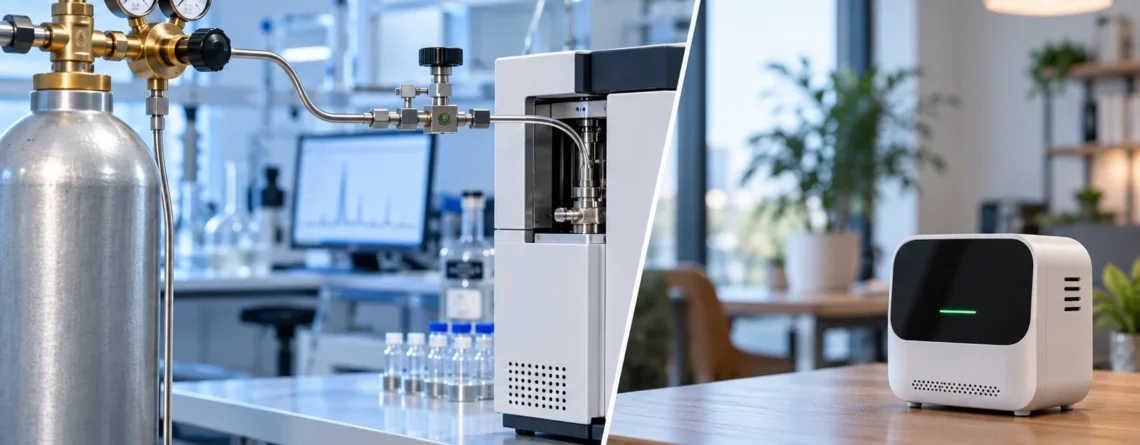
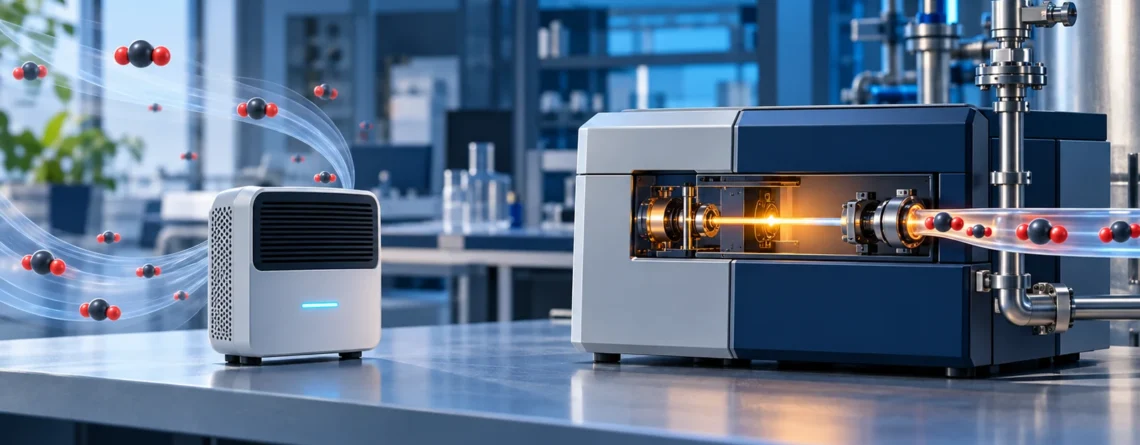
Sensor One Stop2026-10-13T09:42:01+08:00Compare CO2 monitors and gas analyzers by sample point, gas path, measurement range, time resolution, calibration evidence and the decision the data supports.
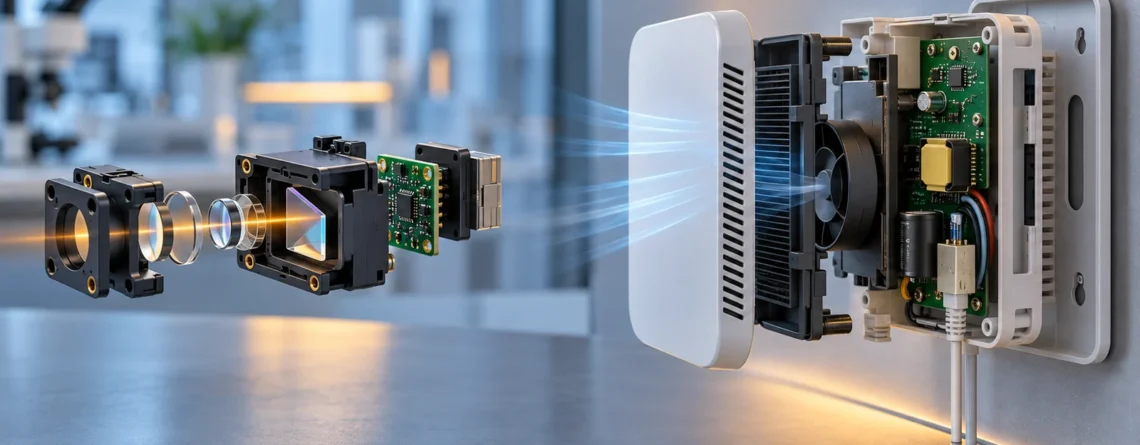
Sensor One Stop2026-10-13T09:29:02+08:00A CO2 sensor module and a complete monitor solve different engineering tasks. Compare enclosure, sampling, power, data, calibration, alarms and finished-device evidence.