Introduction

Alcohol, a term often associated with beverages like beer, wine, and spirits, is a chemical compound with diverse applications and significant social, economic, and health implications. This comprehensive article delves into the various facets of alcohol, including its chemical structure, production methods, uses, effects on the human body, health impacts, and societal roles. By understanding these aspects, we can appreciate the complexity of alcohol and its influence on our lives.

Chemical Structure and Types of Alcohol

Chemical Structure
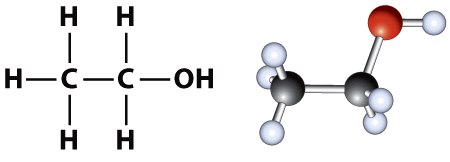
alcohols chemical structure

Alcohols are organic compounds characterized by one or more hydroxyl (OH) groups attached to a carbon atom. The general formula for alcohols is R-OH, where R represents an alkyl group. The presence of the hydroxyl group is what gives alcohol its unique properties.

Common Types of Alcohol

  1. Ethanol (C2H5OH): The type of alcohol found in alcoholic beverages, ethanol is also used in various industrial and medical applications.
  2. Methanol (CH3OH): Also known as wood alcohol, methanol is highly toxic and used primarily as an industrial solvent and antifreeze.
  3. Isopropanol (C3H8O): Commonly known as rubbing alcohol, isopropanol is used for disinfecting and cleaning purposes.
  4. Butanol (C4H9OH): Used as an industrial solvent and in the production of plastics and other chemicals.

Production of Alcohol

Fermentation
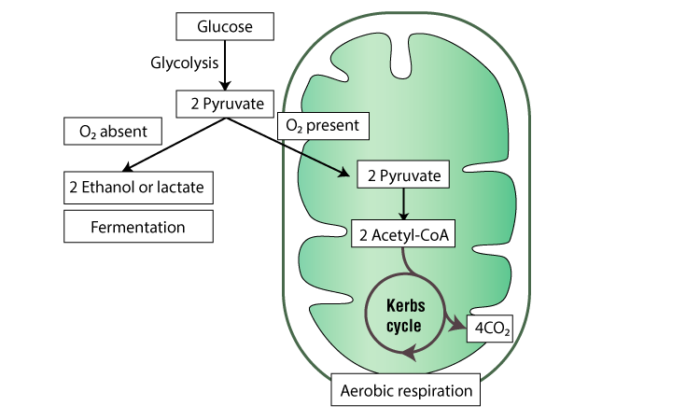
Fermentation alcohol

Fermentation is the most common method of producing ethanol. It involves the conversion of sugars into alcohol and carbon dioxide by yeast or bacteria. This process is the basis for brewing beer, fermenting wine, and distilling spirits.

  1. Raw Materials: Common raw materials for fermentation include grains (barley, corn, wheat), fruits (grapes, apples), and sugarcane.
  2. Process: Yeast is added to the raw materials, and under anaerobic conditions, it converts the sugars into ethanol and carbon dioxide.

Distillation
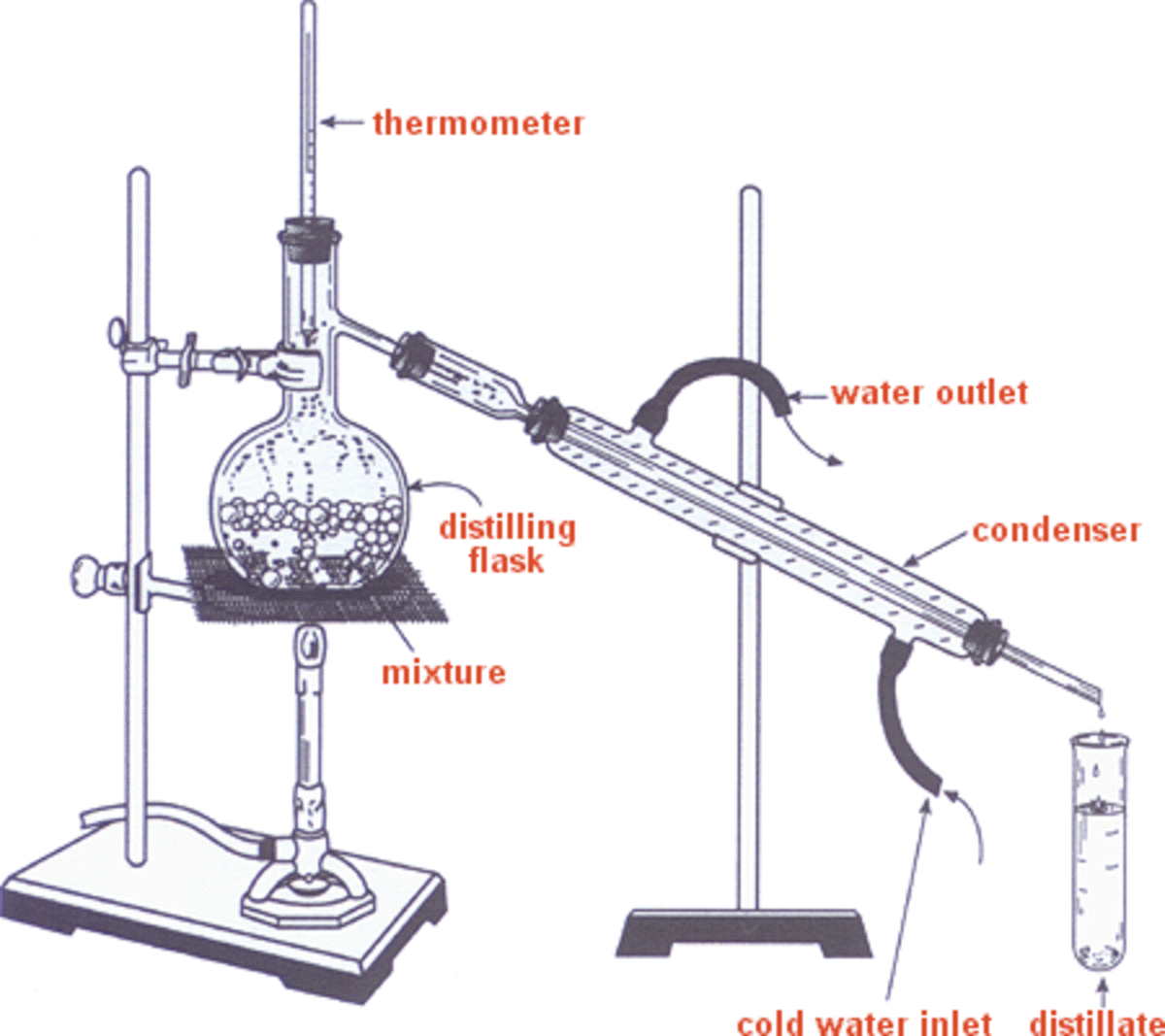
Distillation

Distillation is a process used to concentrate alcohol by heating a fermented liquid to vaporize the alcohol, then condensing it back into liquid form.

  1. Pot Distillation: Used primarily for producing spirits like whiskey and rum, pot distillation involves heating the fermented liquid in a pot still and collecting the alcohol vapor.
  2. Column Distillation: Used for producing high-proof spirits like vodka and gin, column distillation involves multiple stages of vaporization and condensation, allowing for greater purity and concentration of alcohol.

Synthetic Production
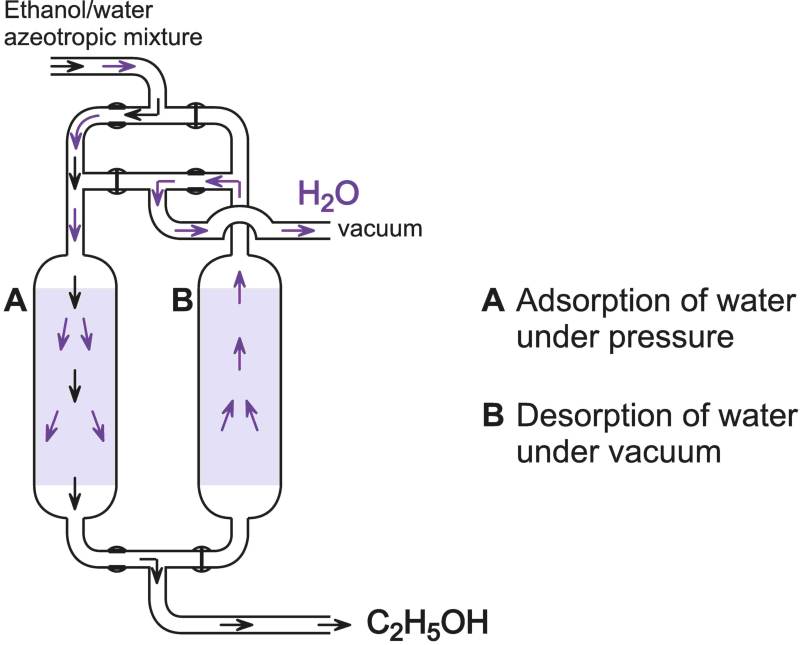
Synthetic Production alcohol

Alcohol can also be produced synthetically through chemical reactions, such as the hydration of ethylene to produce ethanol. This method is commonly used for industrial applications.

Uses of Alcohol

Beverage Industry

Alcoholic beverages, including beer, wine, and spirits, are widely consumed for their psychoactive effects, flavor, and cultural significance. The beverage industry is a major economic sector, with a vast array of products catering to different tastes and occasions.

Industrial Applications

  1. Solvents: Alcohols like ethanol and isopropanol are used as solvents in the production of paints, varnishes, and cleaning agents.
  2. Fuel: Ethanol is used as a biofuel, either pure or blended with gasoline, to reduce carbon emissions and dependence on fossil fuels.
  3. Chemical Synthesis: Alcohols serve as intermediates in the production of various chemicals, including plastics, pharmaceuticals, and cosmetics.

Medical and Healthcare

  1. Antiseptics: Isopropanol and ethanol are used as antiseptics for disinfecting skin and surfaces.
  2. Pharmaceuticals: Alcohols are used as solvents and preservatives in pharmaceutical formulations.
  3. Sanitizers: Alcohol-based hand sanitizers are widely used for personal hygiene and infection control.

Domestic Uses

  1. Cleaning: Isopropanol is commonly used for cleaning electronics, glass, and other surfaces.
  2. Cooking: Alcohols like ethanol are used in cooking and baking for flavor extraction and preservation.

More About Uses of Alcohol: Uses of Alcohol: A Comprehensive Overview

Effects of Alcohol on the Human Body

Absorption and Metabolism

Alcohol is rapidly absorbed into the bloodstream through the stomach and small intestine. The liver metabolizes alcohol, breaking it down into acetaldehyde, then acetic acid, and finally carbon dioxide and water.

Short-Term Effects

  1. Central Nervous System: Alcohol acts as a depressant, slowing down brain function and affecting coordination, judgment, and reaction time.
  2. Euphoria: Low to moderate doses of alcohol can produce feelings of euphoria and relaxation.
  3. Impairment: High doses of alcohol can lead to impaired motor skills, slurred speech, and decreased cognitive function.

Long-Term Effects

  1. Liver Damage: Chronic alcohol consumption can lead to liver diseases such as fatty liver, hepatitis, and cirrhosis.
  2. Cardiovascular Health: Moderate alcohol consumption may have protective effects on the heart, but excessive drinking increases the risk of hypertension, cardiomyopathy, and stroke.
  3. Addiction: Long-term alcohol use can lead to dependence and alcoholism, characterized by a compulsion to drink and difficulty controlling intake.

More about Alcohol Effects on the Body: Alcohol’s Effects on the Body: A Comprehensive Guide

Health Impacts of Alcohol

Positive Health Impacts

  1. Cardiovascular Benefits: Moderate alcohol consumption has been associated with a lower risk of heart disease and improved lipid profiles.
  2. Social Benefits: Alcohol can facilitate social interactions and reduce stress in social settings.

Negative Health Impacts

  1. Mental Health: Alcohol abuse can lead to mental health issues such as depression, anxiety, and cognitive decline.
  2. Cancer Risk: Alcohol consumption increases the risk of cancers of the mouth, throat, esophagus, liver, and breast.
  3. Accidents and Injuries: Alcohol impairs judgment and coordination, increasing the risk of accidents, falls, and injuries.

More About Health Impacts of Alcohol: Health Impacts of Alcohol: A Comprehensive Analysis

Societal Roles of Alcohol

Cultural Significance

Alcohol has played a significant role in various cultures throughout history. It is often associated with rituals, celebrations, and social gatherings.

Economic Impact

The alcohol industry contributes significantly to the global economy through production, distribution, and sales. It generates employment and tax revenue but also incurs costs related to healthcare and social issues.

Legal and Regulatory Aspects

Governments regulate the production, distribution, and consumption of alcohol to minimize its negative impacts. Regulations include age restrictions, taxation, advertising controls, and drunk driving laws.

Responsible Consumption of Alcohol

Guidelines

  1. Moderation: The key to responsible alcohol consumption is moderation. Guidelines vary by country, but generally, moderate drinking is defined as up to one drink per day for women and up to two drinks per day for men.
  2. Avoiding Binge Drinking: Binge drinking, defined as consuming large amounts of alcohol in a short period, should be avoided due to its severe health risks.

Strategies for Responsible Drinking

  1. Pacing: Drinking slowly and alternating alcoholic beverages with non-alcoholic ones can help maintain a moderate pace.
  2. Eating: Consuming food while drinking alcohol can slow the absorption of alcohol and reduce its effects.
  3. Hydration: Drinking water alongside alcohol can help prevent dehydration and reduce hangover symptoms.

Alcohol Abuse and Treatment

Signs of Alcohol Abuse

  1. Craving: A strong urge or compulsion to drink.
  2. Loss of Control: Inability to limit drinking on any given occasion.
  3. Dependence: Needing to drink to feel normal and experiencing withdrawal symptoms without alcohol.
  4. Tolerance: Needing increasing amounts of alcohol to achieve the same effects.

Treatment Options

  1. Counseling and Therapy: Behavioral therapies, including cognitive-behavioral therapy (CBT) and motivational interviewing, help individuals address the psychological aspects of alcohol dependence.
  2. Support Groups: Organizations like Alcoholics Anonymous (AA) provide peer support and a structured program for recovery.
  3. Medications: Several medications can help reduce cravings and withdrawal symptoms, such as naltrexone, acamprosate, and disulfiram.
  4. Detoxification: Medical detoxification is often necessary for individuals with severe alcohol dependence to safely manage withdrawal symptoms.

How to Detecting Alcohol

Detecting alcohol is a crucial process in various settings, including law enforcement, medical diagnostics, workplace safety, and industrial applications. Accurate and reliable alcohol detection methods help ensure safety, compliance with regulations, and health monitoring.

Moer About Alcohol Detecting: How to Detecting Alcohol: Methods, Technologies, and Applications

Conclusion

Alcohol, a versatile chemical compound, plays a significant role in various aspects of human life, from social and cultural traditions to industrial and medical applications. Understanding its chemical properties, production methods, and uses provides insight into its widespread impact. While moderate alcohol consumption can offer certain health and social benefits, excessive and irresponsible drinking poses serious health risks and societal challenges. By promoting responsible consumption and addressing alcohol abuse through education, regulation, and treatment, we can mitigate the negative effects of alcohol and enhance its positive contributions to society.

[post-views]

Leave a Reply

Your email address will not be published. Required fields are marked *