
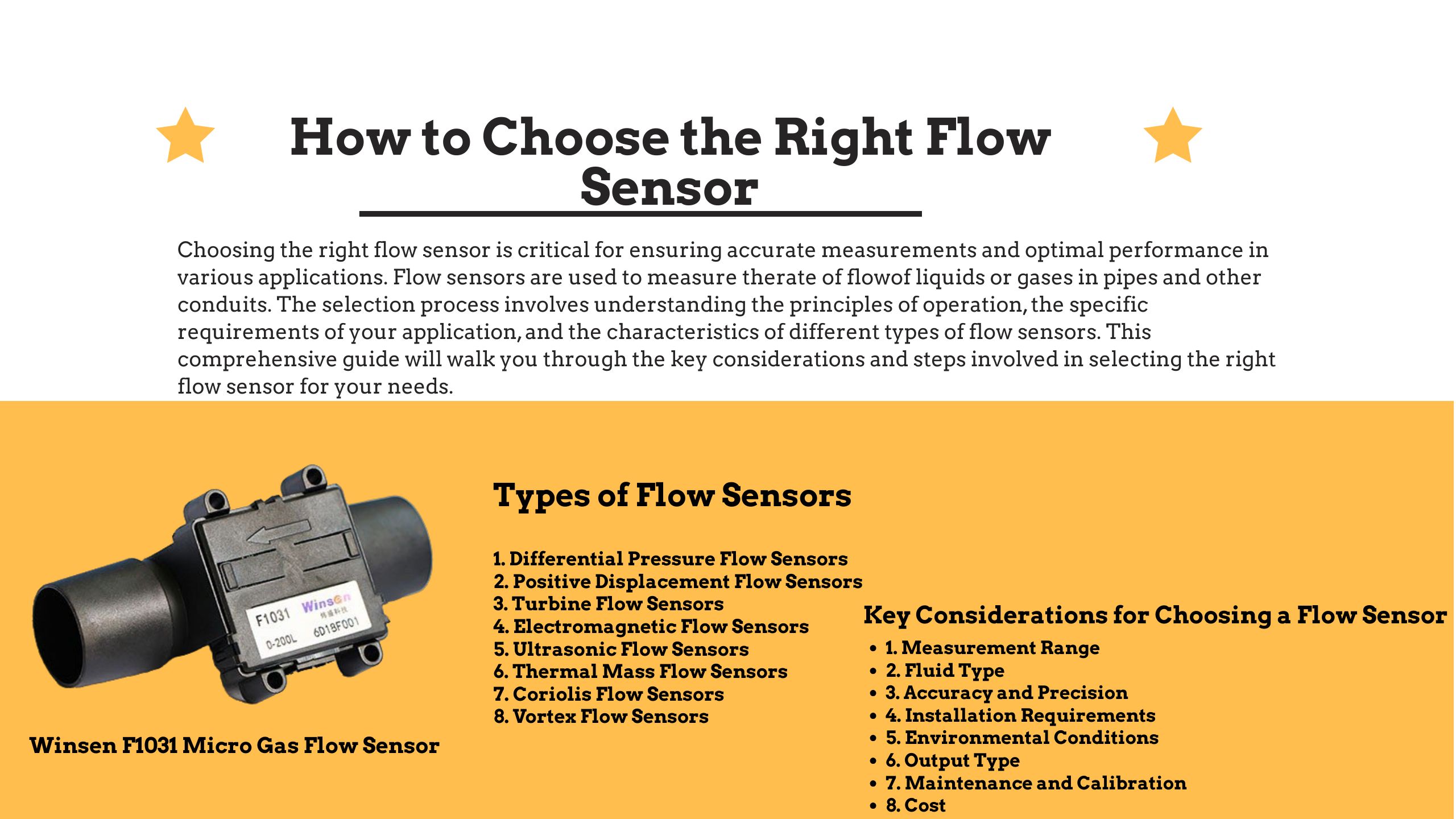
Comparison of Different Types of Flow Sensors
To help you choose the right flow sensor, here is a comparison of the most common types of flow sensors, their principles of operation, advantages, disadvantages, and typical applications.
| Type of Flow Sensor | Principle of Operation | Advantages | Disadvantages | Typical Applications |
|---|---|---|---|---|
| Differential Pressure | Measures pressure drop across an obstruction | Widely used, accurate for certain conditions | Pressure loss, requires calibration | Industrial processes, HVAC systems |
| Positive Displacement | Captures and measures discrete volumes of fluid | High accuracy for viscous fluids | Can be bulky, mechanical parts wear out | Chemical processing, oil, and fuel measurement |
| Turbine | Rotational speed of a turbine is proportional to flow rate | High accuracy, suitable for clean fluids | Can be affected by fluid properties | Water distribution, fuel measurement |
| Electromagnetic | Voltage induced by fluid in a magnetic field | No pressure loss, suitable for conductive fluids | Only works with conductive fluids | Water and wastewater management |
| Ultrasonic | Sound waves measure flow rate | Non-invasive, works with dirty fluids | Can be expensive, requires clean conditions | Water and wastewater, medical devices |
| Thermal Mass | Heat loss from a heated element is proportional to flow rate | Accurate for gas flow, wide range | Affected by temperature changes | HVAC systems, process gas monitoring |
| Coriolis | Coriolis force on a vibrating tube is proportional to mass flow | High precision, measures mass flow directly | Expensive, complex design | Oil and gas, pharmaceuticals, chemical processing |
| Vortex | Frequency of vortices shed by a bluff body is proportional to flow | No moving parts, durable | Affected by fluid properties and conditions | Steam, air, and water systems |
Differential Pressure Flow Sensors
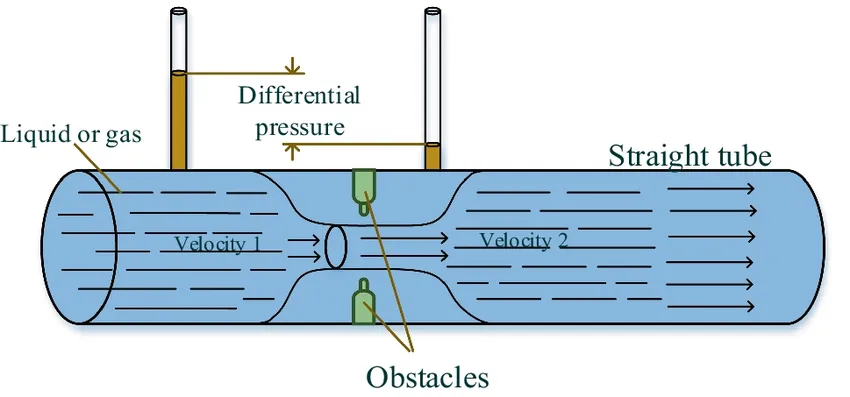
Principle of Operation
Differential pressure flow sensors measure the pressure drop across an obstruction in the flow path, such as an orifice plate, Venturi tube, or flow nozzle. The pressure difference is proportional to the flow rate, which can be calculated using Bernoulli’s equation.
Advantages
- Widely used and well understood
- Suitable for a variety of fluids
- Relatively simple and cost-effective
Disadvantages
- Pressure loss due to the obstruction
- Requires regular calibration
- Can be affected by changes in fluid density and viscosity
Applications
- Industrial processes
- HVAC systems
- Water and wastewater management
Positive Displacement Flow Sensors
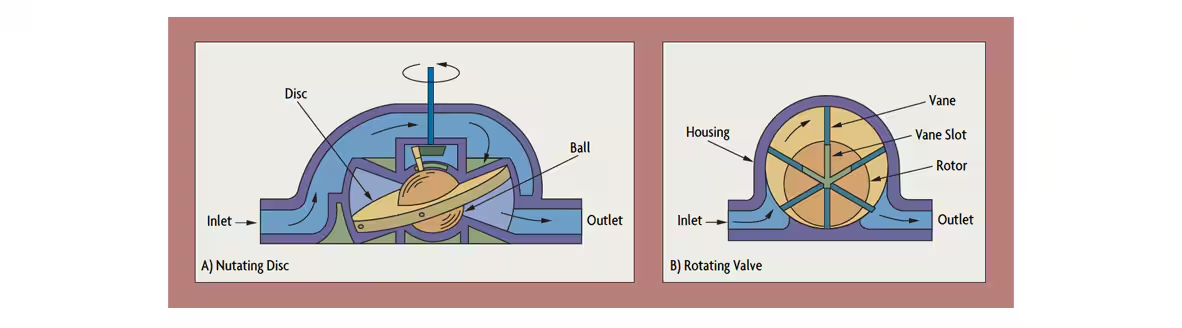
Principle of Operation
Positive displacement flow sensors capture and measure discrete volumes of fluid, using mechanisms such as pistons, gears, or diaphragms. The number of volumes counted over time is proportional to the flow rate.
Advantages
- High accuracy for viscous fluids
- Suitable for measuring small flow rates
- Independent of fluid density and viscosity
Disadvantages
- Can be bulky and heavy
- Mechanical parts can wear out over time
- Limited to clean fluids without particulates
Applications
- Chemical processing
- Oil and fuel measurement
- Hydraulic systems
Turbine Flow Sensors
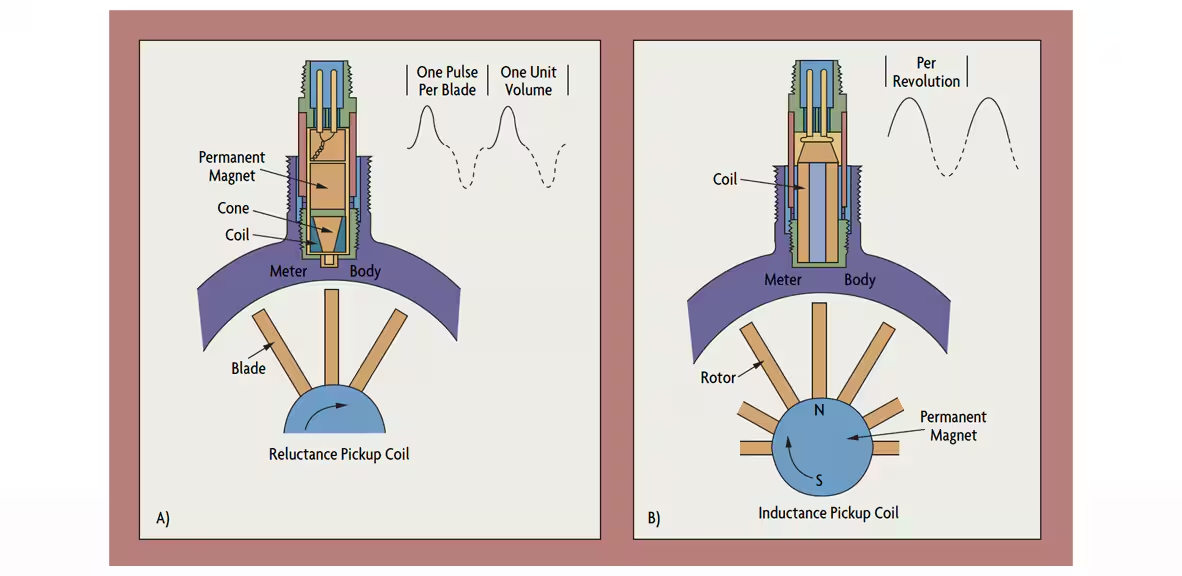
Principle of Operation
Turbine flow sensors use a turbine wheel that rotates in response to fluid flow. The rotational speed of the turbine is proportional to the flow rate, and this speed is measured using magnetic or optical sensors.
Advantages
- High accuracy and repeatability
- Suitable for clean fluids
- Wide flow range
Disadvantages
- Can be affected by changes in fluid properties
- Requires clean fluids to avoid turbine damage
- Calibration may be needed for different fluids
Applications
- Water distribution
- Fuel measurement
- HVAC applications
Electromagnetic Flow Sensors
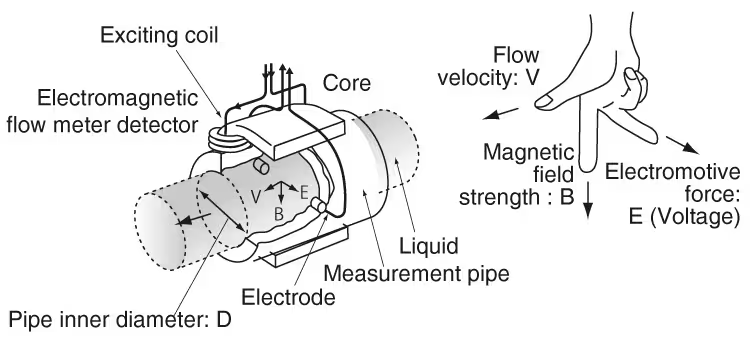
Principle of Operation
Electromagnetic flow sensors measure the flow of conductive fluids by detecting the voltage generated when the fluid flows through a magnetic field. According to Faraday’s law of electromagnetic induction, the voltage is proportional to the flow rate.
Advantages
- No pressure loss
- Suitable for dirty and corrosive fluids
- High accuracy for conductive fluids
Disadvantages
- Only works with conductive fluids
- Can be expensive
- Requires calibration for different fluid conductivities
Applications
- Water and wastewater management
- Chemical processing
- Food and beverage industries
Ultrasonic Flow Sensors
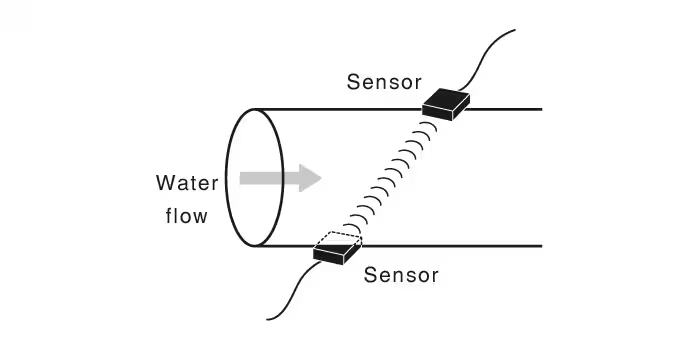
Principle of Operation
Ultrasonic flow sensors use sound waves to measure the flow rate. There are two main types: transit-time sensors measure the time difference between upstream and downstream sound waves, while Doppler sensors measure the frequency shift of sound waves reflected by particles in the fluid.
Advantages
- Non-invasive measurement
- Suitable for dirty and corrosive fluids
- High accuracy for clean fluids
Disadvantages
- Can be expensive
- Requires clean conditions for transit-time sensors
- Doppler sensors need particulates in the fluid
Applications
- Water and wastewater management
- Medical devices
- Non-invasive flow measurement
Thermal Mass Flow Sensors

Principle of Operation
Thermal mass flow sensors measure the mass flow rate of gases by detecting the temperature change of a heated element as the gas flows over it. The heat loss is proportional to the mass flow rate.
Advantages
- Accurate for gas flow measurement
- Wide flow range
- Independent of pressure and temperature changes
Disadvantages
- Can be affected by changes in gas composition
- Requires clean gases to avoid sensor contamination
- Calibration may be needed for different gases
Applications
- HVAC systems
- Process gas monitoring
- Semiconductor manufacturing
Coriolis Flow Sensors
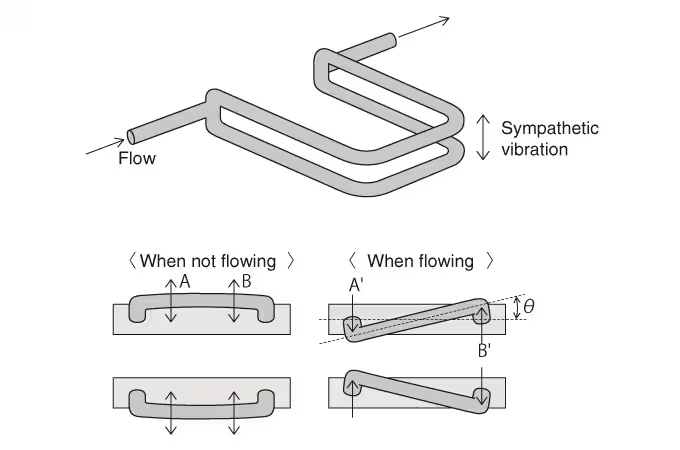
Principle of Operation
Coriolis flow sensors measure the mass flow rate by detecting the Coriolis force exerted on a vibrating tube through which the fluid flows. The force causes a phase shift in the vibration, which is proportional to the mass flow rate.
Advantages
- High precision and accuracy
- Measures mass flow directly
- Independent of fluid properties
Disadvantages
- Expensive and complex design
- Can be bulky and heavy
- Requires careful installation to avoid vibration interference
Applications
- Oil and gas industry
- Pharmaceutical manufacturing
- Chemical processing
Vortex Flow Sensors
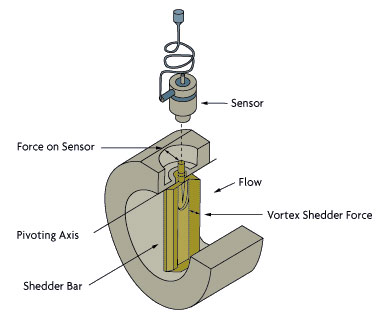
Principle of Operation
Vortex flow sensors measure the flow rate by detecting the frequency of vortices shed by a bluff body placed in the flow path. The vortex frequency is proportional to the flow rate.
Advantages
- No moving parts, durable
- Suitable for a variety of fluids
- Wide flow range
Disadvantages
- Can be affected by changes in fluid properties
- Requires a minimum flow rate to generate vortices
- Can be sensitive to installation conditions
Applications
- Steam systems
- Air and gas measurement
- Water systems

How to Interpret CO2 Readings in a Vehicle Cabin
Read vehicle-cabin CO2 trends alongside passengers, HVAC mode and route conditions while separating ventilation clues from particle and exhaust safety questions.
Read More
Gas Heater Monitoring at Home: Which Alarm and Sensor Does What?
Understand the separate roles of a household CO alarm, fuel-gas detector, CO2 monitor and qualified heater service, including what to do after a warning.
Read More
How to Plan IAQ Monitoring in Shared Indoor Spaces
Plan indoor-air-quality monitoring for libraries, waiting areas and shared rooms by matching CO2, particles and other channels to a defined decision.
Read More
How to Build a School IAQ Monitoring Record That Leads to Action
Use linked room, occupied-event and issue logs to turn school CO2 observations into reliable ventilation follow-up.
Read More
Where to Place CO2 Monitors in School Classrooms
Choose representative school classroom CO2 monitor positions by occupancy and air paths, then verify, document and maintain the installation.
Read More
How to Interpret Classroom CO2 Readings for Ventilation
Interpret classroom CO2 readings as occupied ventilation clues with context, local guidance, monitor checks and repeatable follow-up.
Read More