

Carbon Dioxide (CO2) is widely used in a variety of industries, from food and beverage production to scientific research, healthcare, and even agriculture. However, not all CO2 is created equal. The purity of CO2 varies depending on the application, and different industries require different purity grades. This article will explore the various CO2 purity grades, their importance, and the implications of using the correct grade for specific applications.

What is CO2 Purity?

CO2 purity refers to the concentration of carbon dioxide in a given gas mixture. The purity grade indicates the percentage of CO2 present, with higher grades containing fewer impurities. Impurities in CO2 can include water vapor, hydrocarbons, oxygen, nitrogen, and other trace gases. The higher the purity grade, the fewer impurities the gas contains, making it more suitable for precision applications that demand uncontaminated gas.

Why CO2 Purity Matters

The purity of CO2 is crucial because impurities can affect performance in various applications. In some industries, such as food and beverage production, the use of impure CO2 can alter the taste, smell, and overall quality of products. In medical applications, contaminants in CO2 can pose health risks. In scientific research, even the slightest impurity can compromise results.

For example, CO2 is used in the carbonation of beverages like soda and beer. If the CO2 contains impurities, it could affect the flavor, causing unwanted odors or tastes. Similarly, in medical applications, pure CO2 is required for procedures like minimally invasive surgeries, where contamination can lead to complications.

Furthermore, regulations by agencies like the Food and Drug Administration (FDA) and the European Food Safety Authority (EFSA) enforce strict standards for CO2 used in consumable products. Beverage producers must adhere to these guidelines to avoid contamination and ensure consistent product quality.

CO2 Purity Grades Overview

CO2 is classified into different purity grades, typically ranging from industrial to ultra-high purity. The specific classification can vary slightly depending on the supplier or certifying organization, but the general categories include:

1. Industrial Grade CO2 (90-99%)

  • Common Uses: Welding, fire extinguishers, and agricultural applications.
  • Description: Industrial-grade CO2 is the least pure and contains more impurities than other grades. This type of CO2 is suitable for applications where precision and contamination control are not critical.
  • Impurities: May contain moisture, hydrocarbons, nitrogen, and trace gases.

2. Food and Beverage Grade CO2 (99.8%)

  • Common Uses: Carbonation of soft drinks, beer production, food preservation.
  • Description: Food and beverage grade CO2 is of higher purity and is specifically regulated for use in consumable products. Impurities are limited to prevent altering the taste and safety of food and beverages.
  • Regulations: Adheres to strict standards set by food safety organizations such as the FDA (Food and Drug Administration) in the U.S. and EFSA (European Food Safety Authority) in Europe.

3. Medical Grade CO2 (99.9%)

  • Common Uses: Medical procedures such as endoscopy, cryotherapy, and as a respiratory stimulant in healthcare settings.
  • Description: Medical-grade CO2 is highly purified to ensure safety for patients. Contaminants are kept to a minimum to prevent adverse reactions during medical use.
  • Regulations: Must comply with pharmacopeial standards, such as the United States Pharmacopeia (USP) or European Pharmacopoeia (EP), ensuring minimal risk of impurities.

4. Research Grade CO2 (99.999%)

  • Common Uses: Scientific experiments, laboratory calibration, and environmental testing.
  • Description: Research-grade CO2 is among the purest forms available, typically used in labs and scientific research where the slightest contamination could alter results. This grade is often referred to as “five nines” CO2 because of its 99.999% purity.
  • Impurities: Almost no detectable impurities, ensuring the highest level of precision in sensitive applications.

5. Supercritical CO2 (99.9%)

  • Common Uses: Extraction processes, such as decaffeination of coffee, essential oil extraction, and pharmaceutical manufacturing.
  • Description: Supercritical CO2 refers to CO2 that is pressurized and heated to a point where it behaves as both a gas and a liquid. This grade is used in supercritical fluid extraction, where it serves as a solvent to remove compounds from materials.
  • Impurities: Requires high purity to avoid contaminating the substances being extracted.

Table: CO2 Purity Grades

Below is a simplified chart showing the various CO2 purity grades, their applications, and typical impurity levels:

Purity GradeCO2 PurityCommon ApplicationsImpurities Present
Industrial Grade CO290-99%Welding, fire suppression, greenhousesWater vapor, hydrocarbons, nitrogen, trace gases
Food and Beverage Grade99.8%Soft drinks, beer carbonation, food packagingMinimal water vapor, nitrogen, oxygen
Medical Grade CO299.9%Endoscopy, laparoscopy, respiratory therapyExtremely low water vapor, hydrocarbons
Research Grade CO299.999%Calibration of instruments, scientific research, environmental testsNegligible impurities, almost 100% pure CO2
Supercritical CO299.9%Coffee decaffeination, essential oil extraction, pharmaceuticalsMinimal water vapor, non-reactive gases

Food Grade vs. Beverage Grade CO2

While food-grade CO2 and beverage-grade CO2 are often used interchangeably, they serve slightly different purposes. Food-grade CO2 is primarily used for packaging and preserving food products, while beverage-grade CO2 is used explicitly for carbonating drinks. Both grades must meet stringent safety requirements to prevent contamination, but their specific applications set them apart.

Food-Grade CO2

  • Applications: Food preservation, modified atmosphere packaging, freezing.
  • Risks of Impurities: Impurities can lead to spoilage, reduced shelf life, or altered taste.

Beverage-Grade CO2

  • Applications: Carbonation of soft drinks, beer, and other beverages.
  • Risks of Impurities: Even minor impurities can impact taste, smell, and visual appeal of carbonated drinks.

Ensuring that the correct grade of CO2 is used for the right purpose is essential for businesses in the food and beverage industry. Failing to meet purity standards can result in customer dissatisfaction and potential safety hazards.

CO2 Purity Grade Tips

When using CO2 in your business or application, it’s important to keep a few key tips in mind to ensure safety, quality, and efficiency:

  1. Know Your Application: Always match the CO2 purity grade to the intended use. For example, industrial-grade CO2 is suitable for welding but not for carbonating beverages or medical use.

  2. Source CO2 from Reputable Suppliers: Ensure that your CO2 supplier adheres to regulatory standards and offers certified purity grades to meet your needs.

  3. Test for Contamination: Especially in the food, beverage, and medical industries, consider testing CO2 supplies regularly for potential impurities that could impact product quality or safety.

  4. Follow Storage Guidelines: Store CO2 tanks in a cool, well-ventilated area to prevent contamination or degradation of purity over time. Improper storage can lead to the introduction of moisture or other contaminants.

  5. Regular Maintenance of Equipment: Whether you’re using CO2 for carbonation, scientific research, or medical applications, maintaining equipment like regulators and tanks is critical for ensuring consistent purity and performance.

Applications and Implications of CO2 Purity

1. Industrial Applications

  • Industrial-grade CO2 is used in processes like welding, where high-purity CO2 isn’t necessary. In fire extinguishers, CO2 displaces oxygen to put out fires, and the presence of trace gases doesn’t compromise performance.

2. Food and Beverage

  • In food preservation and beverage carbonation, even minor impurities can affect taste and shelf life. For this reason, food and beverage-grade CO2 must adhere to stringent safety and quality guidelines to ensure it is free of contaminants that could harm consumers.

3. Healthcare

  • Medical-grade CO2 plays a vital role in various medical procedures, including as an insufflation gas for minimally invasive surgeries. Even trace amounts of impurities in CO2 used for medical purposes can lead to complications, which is why it must meet rigorous pharmacopeial standards.

4. Research and Laboratory

  • Research-grade CO2 is necessary for precise scientific experiments where even minuscule amounts of impurities can skew results. This grade is often used in gas chromatography and other high-precision laboratory techniques.

5. Supercritical CO2 Extraction

  • Supercritical CO2 is increasingly used in industries like food processing and pharmaceuticals. High-purity CO2 is necessary to avoid contamination during the extraction of sensitive compounds, such as caffeine in coffee or essential oils.

Protect Yourself and Your Establishment from CO2 Over Exposure

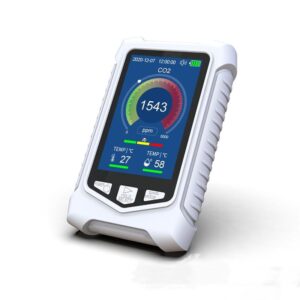
CO2 is an essential gas for many industries, but it can pose serious health risks if improperly managed. Elevated levels of CO2 can lead to overexposure, resulting in dizziness, headaches, and, in extreme cases, unconsciousness or death. It is crucial to monitor CO2 levels, especially in confined spaces like breweries, grow rooms, or laboratories, where CO2 concentrations can accumulate.

Tips for CO2 Safety

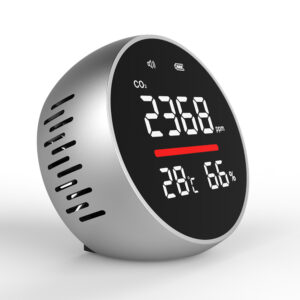
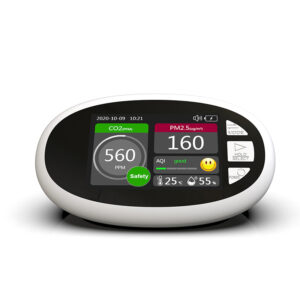
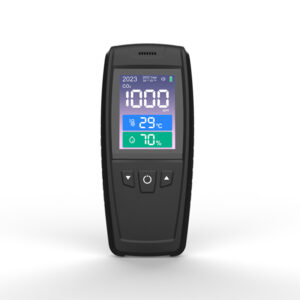
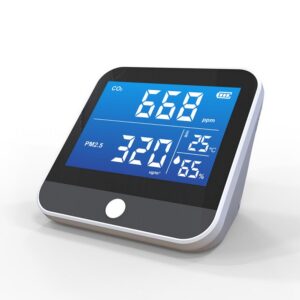
  • Install CO2 Monitors: Use CO2 monitoring systems in areas where gas concentrations could become dangerous. This is particularly important in closed environments such as breweries, greenhouses, or laboratories.

  • Ventilate Confined Spaces: Proper ventilation is essential to prevent CO2 buildup. Ensure that areas where CO2 is used or stored are well-ventilated, and consider using exhaust fans if necessary.

  • Follow Occupational Safety Guidelines: Always adhere to workplace safety standards, such as those set by OSHA, which dictate safe exposure limits and proper handling procedures for CO2.

  • Train Employees: Ensure that anyone handling CO2 is trained in its safe use, including proper storage, usage of protective equipment, and emergency procedures in case of CO2 leaks.

Conclusion

Understanding the various CO2 purity grades is essential when selecting the right CO2 for your specific needs. Whether you are carbonating beverages, conducting scientific research, or carrying out medical procedures, choosing the correct purity grade will ensure the best performance and safety. From industrial to ultra-high purity levels, CO2 is a versatile gas with applications that demand varying degrees of purity. Knowing the distinctions between these grades will help you make informed decisions and optimize your processes.

[post-views]

Leave a Reply

Your email address will not be published. Required fields are marked *