Introduction to DTF Printer Sensor Technology

The DTF (Direct-to-Film) printing process has revolutionized the digital textile industry, providing vivid, durable, and flexible printing solutions on a wide range of fabrics. While much attention goes to the printer heads, inks, and films, one of the most critical—but often overlooked—components is the DTF printer sensor.

A DTF printer sensor plays a vital role in ensuring accuracy, stability, and high-quality output throughout the printing process. It monitors parameters such as film position, temperature, ink levels, and motion control. These sensors help prevent misalignments, reduce waste, and guarantee consistent color reproduction across long printing runs.

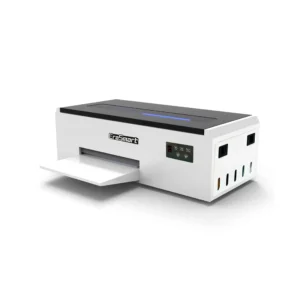
If you are exploring advanced DTF printing technology or considering upgrading your printing setup, you can learn more from trusted manufacturers such as Erasmart DTF Printer, a leading supplier of professional-grade DTF solutions.
a4 dtf printer 1

This article explores what DTF printer sensors are, their working principles, types, applications, and how they contribute to the overall efficiency and reliability of DTF printing systems.
What Is a DTF Printer Sensor?

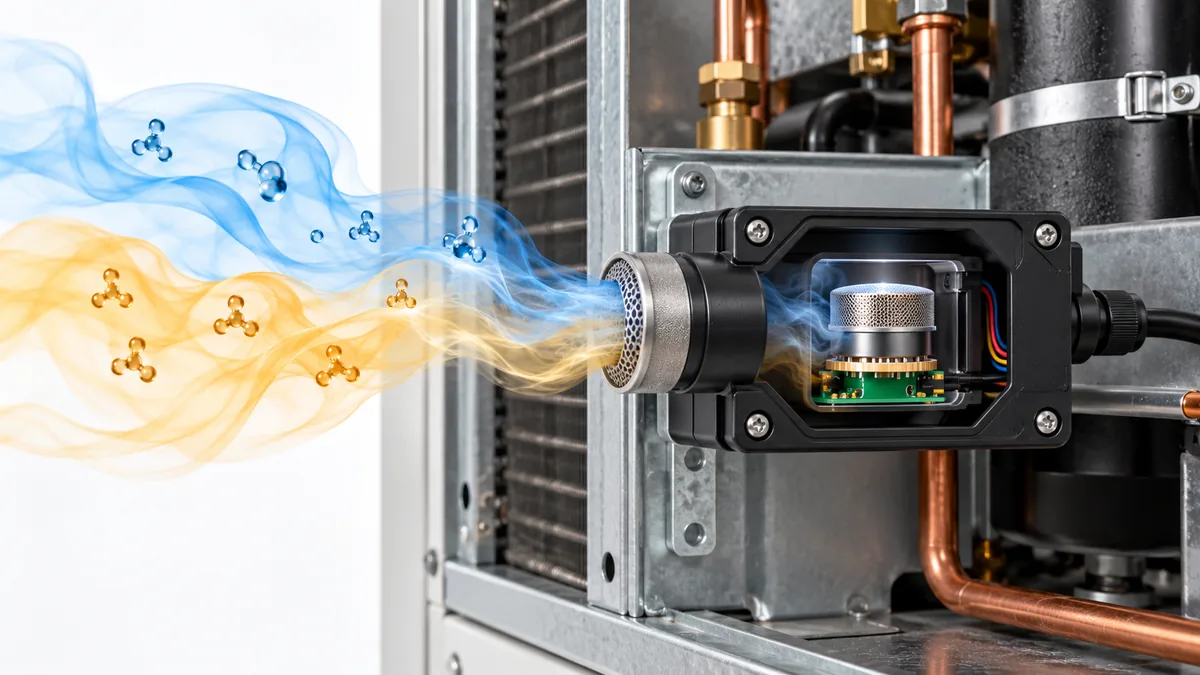
A DTF printer sensor is an electronic component that detects physical or chemical changes within the printing system and converts them into signals that control or monitor specific printer functions. In simple terms, sensors act as the eyes and ears of a DTF printer, providing real-time feedback to the control board.

Key Functions of DTF Printer Sensors

  1. Film Detection – Ensures accurate alignment of PET film during printing and curing.
  2. Ink Level Monitoring – Detects ink presence or absence to prevent head clogging or dry printing.
  3. Temperature Control – Measures and regulates heating platen or curing unit temperature for consistent transfer.
  4. Motion Sensing – Detects roller or printhead movement for precise image placement.
  5. Safety and Fault Detection – Alerts the system about abnormal conditions like overheating, paper jams, or film misfeeds.

The Role of Sensors in DTF Printing

In DTF printing, precision is everything. A tiny misalignment or improper heat setting can lead to defective transfers. Here’s how sensors keep the process running smoothly:

1. Film Feeding and Alignment

Optical or infrared sensors detect the position of the PET transfer film to ensure it is correctly aligned and fed into the printer. Misalignment can cause color ghosting or registration errors, which sensors prevent by providing exact feedback to motor controls.

2. Temperature Regulation

Thermal sensors continuously monitor the heating plate or curing oven temperature. Maintaining the right temperature ensures that the DTF powder adhesive melts uniformly and bonds properly to the fabric during the transfer process.

3. Ink Level and Flow

Pressure or ultrasonic sensors measure the ink level inside the cartridge or tank. When ink levels drop, the printer automatically pauses or sends a warning, preventing damage to the printhead.

4. Printhead and Carriage Control

Position sensors (like encoders) detect the real-time location of the printhead carriage, ensuring each pass is accurate. This prevents streaking or overlapping during printing.

5. Safety and Maintenance

Temperature and proximity sensors detect overheating, film jams, or open covers, triggering automatic shutoff mechanisms to protect the printer and operator.

Types of Sensors Used in DTF Printers

Sensor TypeDetection PrincipleTypical Function
Optical SensorsLight reflection or interruptionFilm detection, head position
Infrared SensorsHeat and light absorptionFilm tracking, curing temperature
Thermistors / Temperature SensorsResistance change with temperatureHeat platen and curing unit control
Ultrasonic SensorsSound wave reflectionInk level monitoring
Hall Effect SensorsMagnetic field detectionMotor and roller movement
Proximity SensorsDistance measurementPrinthead gap detection
Photoelectric SensorsLight beam detectionFilm end and feed control

Each type serves a unique role within the DTF printer ecosystem, ensuring every mechanical and thermal component operates under optimal conditions.

Working Principle of DTF Printer Sensors

The working principle depends on the type of sensor used. Let’s look at a few examples:

  • Optical Sensor: Emits a beam of light and detects reflection. When PET film passes, it changes the reflected light, signaling the system to adjust feed rollers.
  • Thermal Sensor: Measures the resistance change due to temperature variations in the heating plate, allowing the control board to maintain a constant heat profile.
  • Hall Effect Sensor: Uses magnetic field changes to track motor or roller positions, providing feedback for precise motion control.

These sensors convert physical changes (temperature, position, distance) into electrical signals, which are then processed by the printer’s control circuit.


Importance of Sensors in High-Performance DTF Printers

The difference between a low-cost and a professional-grade DTF printer often lies in its sensor quality and control accuracy. Advanced sensors enable:

  • Consistent color and print density
  • Reduced downtime
  • Automatic calibration
  • Higher throughput
  • Longer printer lifespan

Without sensors, DTF printing would rely solely on mechanical timing and manual monitoring—leading to frequent print errors and increased maintenance.

DTF Printer Sensor Integration and Calibration

Sensor Placement

Sensors are strategically located at critical points:

  • Film feed area
  • Heating bed
  • Ink cartridge
  • Printhead carriage
  • Curing unit

Calibration

During setup, the printer performs auto-calibration. The control system checks sensor feedback to adjust feeding speed, heat levels, and printhead alignment. This ensures repeatable results across various film types and thicknesses.


Common Sensor Issues in DTF Printers

Even high-quality sensors require regular maintenance. Common problems include:

  1. Dust or Ink Contamination: Optical sensors may fail if covered with ink mist or adhesive powder.
  2. Temperature Drift: Over time, thermal sensors can lose calibration accuracy.
  3. Loose Connections: Cable disconnections cause intermittent feedback errors.
  4. Software Misconfiguration: Incorrect settings may misinterpret sensor data.

Maintenance Tips:

  • Clean sensors weekly with lint-free cloths.
  • Keep the working environment dry and dust-free.
  • Perform regular firmware updates.
  • Replace defective sensors immediately.

Comparison: DTF vs. DTG Sensors

AspectDTF PrinterDTG Printer
Film HandlingRequires film feed sensorsDirect-to-fabric, fewer film sensors
Temperature MonitoringCuring and adhesive melting sensorsFabric platen temperature sensors
Ink MonitoringSolvent or pigment ink sensorsWater-based ink sensors
Motion ControlMultiple motor sensors for film pathFewer moving parts
Maintenance NeedsModerateHigh (due to fabric lint and pre-treatment)

DTF systems rely more heavily on optical and thermal sensors to ensure precise transfer conditions.

Advanced Innovations in DTF Printer Sensors

Modern DTF printers now include AI-enhanced sensor systems that automatically adjust operational parameters based on real-time feedback.

Key Innovations:

  • AI Thermal Compensation: Adjusts heater power dynamically.
  • Smart Film Feed Detection: Differentiates PET film types and adjusts tension automatically.
  • Predictive Maintenance Sensors: Analyze vibration and temperature data to predict failures.
  • Optical Registration Systems: Use camera-based sensors for precise color alignment.

These innovations enhance print consistency and reduce operational costs.

Applications of DTF Printer Sensors

  • Textile printing factories
  • Custom apparel workshops
  • Sportswear and promotional goods production
  • Print-on-demand businesses
  • Industrial printing automation

By maintaining stable operation, sensors ensure DTF printers can handle continuous production with minimal supervision.


Environmental and Safety Considerations

Sensors also contribute to energy efficiency and environmental safety. For instance:

  • Temperature sensors prevent overheating, reducing energy waste.
  • Film sensors reduce material wastage by detecting end-of-roll early.
  • Gas or VOC sensors (in high-end systems) monitor air quality during curing.

Future of DTF Printer Sensor Technology

As the DTF printing industry evolves, sensors will become smarter, smaller, and more integrated.

Emerging trends include:

  • MEMS-based miniaturized sensors
  • IoT-enabled remote monitoring
  • Self-diagnosing sensors
  • Integrated color and humidity sensors

These advancements will lead to fully automated DTF printers capable of maintaining perfect consistency across thousands of prints.

FAQs About DTF Printer Sensors

Q1: What is the most common sensor in DTF printers?
A: Optical sensors are the most common, used for film tracking and printhead positioning.

Q2: Can a DTF printer work without sensors?
A: Technically yes, but print quality and reliability would suffer drastically.

Q3: How often should sensors be cleaned?
A: Once a week under normal operation, more frequently in dusty environments.

Q4: Are sensors replaceable?
A: Yes. Most brands like Epson, Erasmart, or Audley provide replacement sensor kits.

Q5: Do sensors affect print speed?
A: Indirectly. Accurate sensors reduce errors, which increases overall throughput.

Conclusion

A DTF printer sensor is not just a supporting component—it is the heartbeat of modern digital printing. From temperature and film tracking to ink monitoring and safety detection, sensors ensure every print is precise, durable, and vibrant.

With the rise of intelligent and AI-integrated sensor systems, future DTF printers will deliver even higher levels of automation, efficiency, and reliability. For businesses seeking to achieve top-tier printing performance, understanding and maintaining these sensors is the key to long-term success.

Leave a Reply

Your email address will not be published. Required fields are marked *