Temperature sensors are crucial devices used to measure and monitor temperature in a variety of applications. These sensors are integral to numerous industries, including healthcare, manufacturing, HVAC (heating, ventilation, and air conditioning), automotive, and consumer electronics. They provide critical data for maintaining optimal operational conditions, ensuring safety, and enhancing efficiency. This comprehensive article explores the importance of temperature sensors, their types, applications, advantages, challenges, and future trends.

Understanding Temperature

What is Temperature?

Temperature is a measure of the thermal energy within a substance or system, indicating how hot or cold it is. It is a fundamental physical quantity that affects various physical, chemical, and biological processes. Temperature is typically measured in degrees Celsius (°C), Fahrenheit (°F), or Kelvin (K).

Why Measure Temperature?

Accurate temperature measurement is vital for several reasons:

  • Safety: Preventing overheating or freezing in industrial processes, electronics, and automotive systems.
  • Quality Control: Ensuring optimal conditions in manufacturing and processing to maintain product quality.
  • Energy Efficiency: Optimizing heating, cooling, and ventilation systems to reduce energy consumption.
  • Comfort: Maintaining comfortable indoor environments in residential and commercial buildings.
  • Scientific Research: Conducting experiments and studies that require precise temperature control and monitoring.

Realted Read: Understanding Humidity: A Comprehensive Guide

Types of Temperature Sensors

Temperature sensors come in various types, each with its unique operating principles, advantages, and applications.

Thermocouples

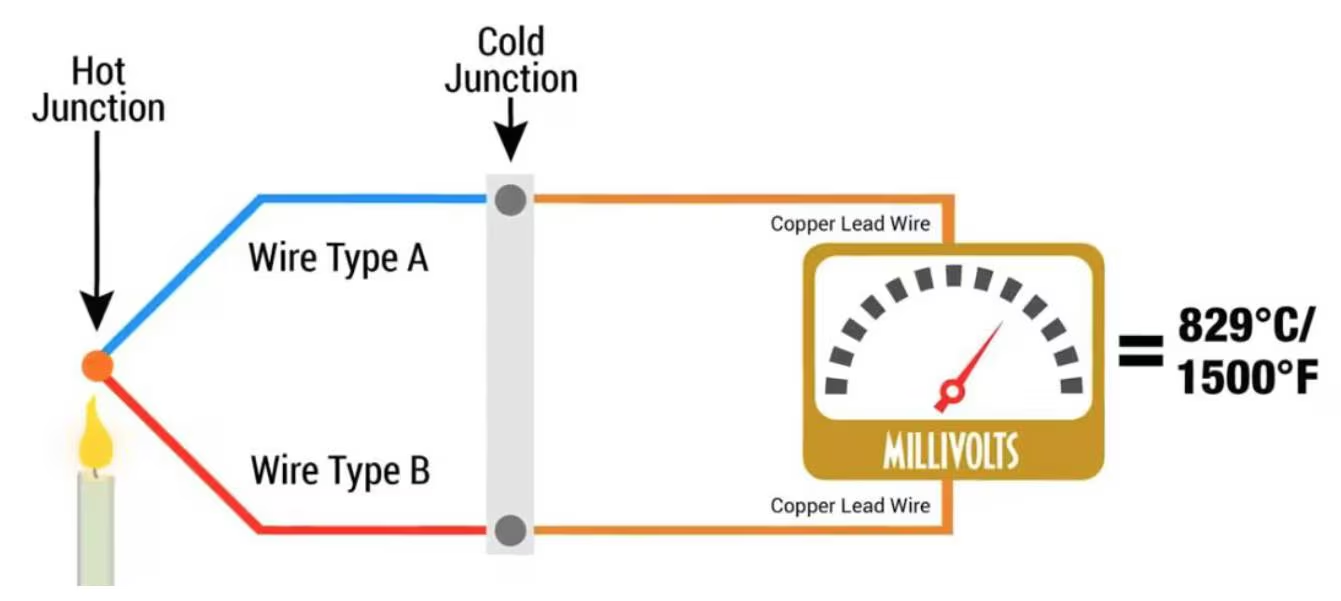
how thermocouples work

Thermocouples are widely used temperature sensors that consist of two different metal wires joined at one end. The junction generates a voltage proportional to the temperature difference between the junction and the other ends of the wires.

  • Advantages: Wide temperature range, fast response time, and durability.
  • Applications: Industrial processes, scientific research, HVAC systems.

Resistance Temperature Detectors (RTDs)
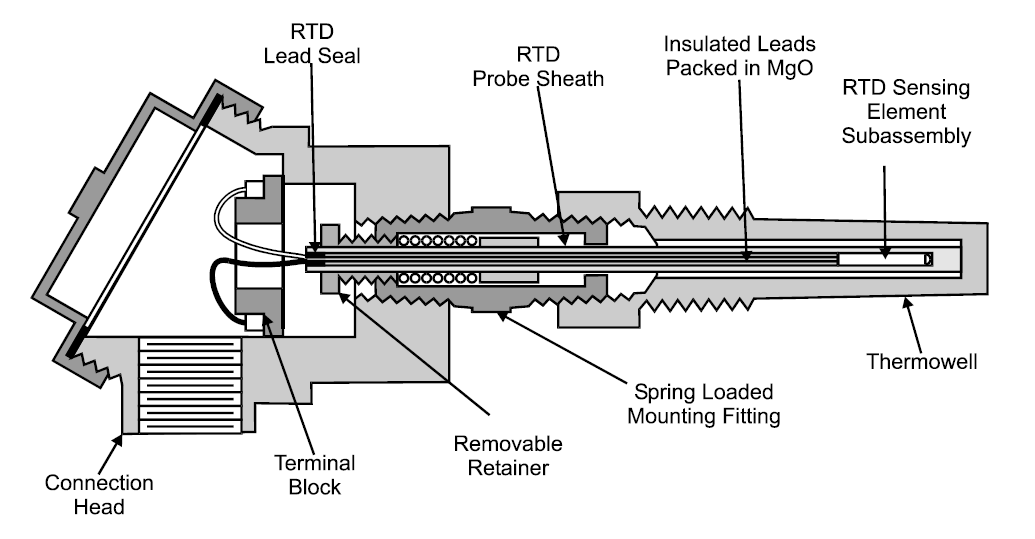
Resistance Temperature Detectors RTDs

RTDs measure temperature by detecting changes in electrical resistance of a metal, typically platinum, as temperature varies. They provide highly accurate and stable measurements.

  • Advantages: High accuracy, stability, and repeatability.
  • Applications: Industrial instrumentation, laboratory research, medical devices.

Thermistors

Thermistor Symbols

Thermistors are temperature-sensitive resistors that exhibit a significant change in resistance with temperature. They come in two types: Negative Temperature Coefficient (NTC) thermistors, which decrease in resistance with increasing temperature, and Positive Temperature Coefficient (PTC) thermistors, which increase in resistance with increasing temperature.

  • Advantages: High sensitivity, low cost, and compact size.
  • Applications: Consumer electronics, automotive sensors, HVAC systems.

Infrared (IR) Temperature Sensors
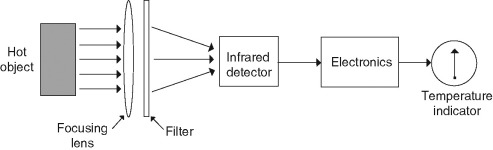
Infrared IR Temperature Sensors Principle

Infrared sensors measure temperature by detecting the infrared radiation emitted by an object. They are non-contact sensors, meaning they can measure temperature from a distance.

  • Advantages: Non-contact measurement, fast response time, and ability to measure moving or inaccessible objects.
  • Applications: Industrial processes, medical diagnostics, environmental monitoring.

Semiconductor Temperature Sensors
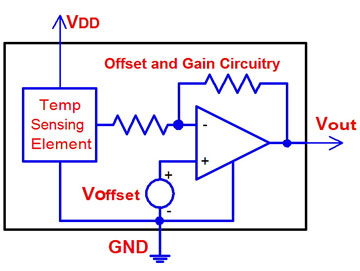
Semiconductor Temperature Sensors

Semiconductor sensors, also known as integrated circuit (IC) sensors, use semiconductor materials to produce a voltage or current proportional to temperature. They are typically used in digital applications.

  • Advantages: Small size, low cost, and ease of integration with digital systems.
  • Applications: Consumer electronics, microprocessor temperature monitoring, automotive systems.

Bimetallic Sensors
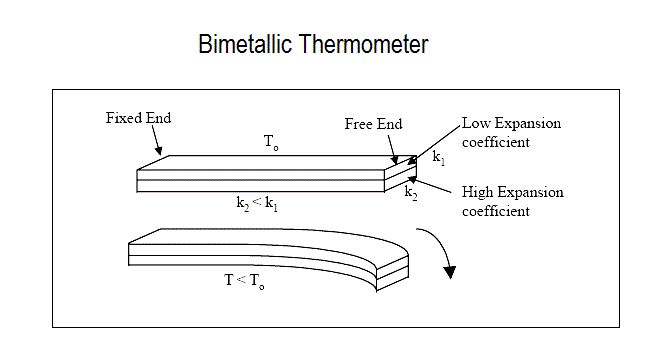
Bimetallic Sensors

Bimetallic sensors consist of two different metals bonded together that expand at different rates as temperature changes. This differential expansion causes the bimetal strip to bend, which can trigger a switch or provide a mechanical indication of temperature.

  • Advantages: Simple design, durability, and no external power required.
  • Applications: Thermostats, industrial temperature control, appliances.

Fiber Optic Temperature Sensors
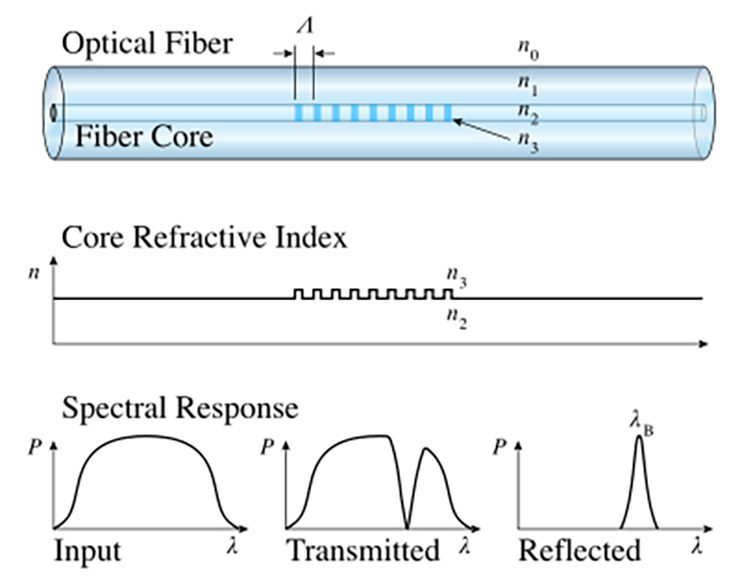
Fiber Optic Temperature Sensors

Fiber optic sensors use the properties of light traveling through optical fibers to measure temperature. Changes in temperature affect the light’s properties, such as intensity, phase, or wavelength, which can be detected and measured.

  • Advantages: Immunity to electromagnetic interference, ability to measure in harsh environments, and high sensitivity.
  • Applications: High-voltage environments, medical applications, industrial processes.
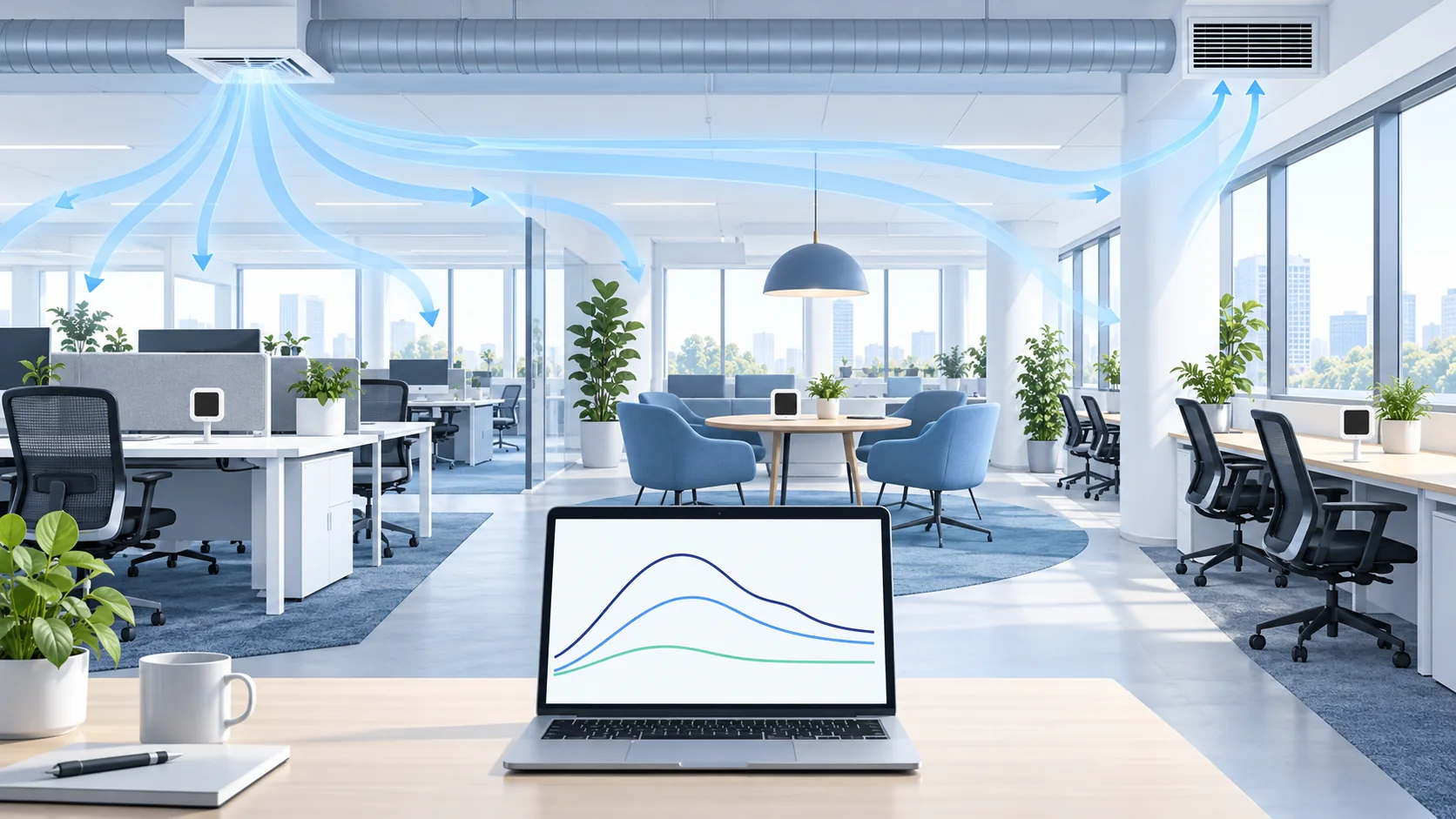
Applications of Temperature Sensors

Temperature sensors are utilized in a wide range of applications, each requiring precise and reliable temperature measurements to maintain optimal conditions.

Healthcare

In healthcare, accurate temperature monitoring is critical for patient safety and treatment efficacy. Temperature sensors are used in:

  • Medical Devices: Monitoring body temperature in thermometers, incubators, and dialysis machines.
  • Cold Chain Management: Ensuring proper storage and transportation conditions for pharmaceuticals, vaccines, and biological samples.
  • Hospital Environments: Controlling temperature in operating rooms, patient care areas, and laboratory facilities.

Industrial Processes

Maintaining precise temperature control is essential for product quality and operational efficiency in industrial processes. Temperature sensors are used in:

  • Manufacturing: Monitoring and controlling temperature in processes such as metalworking, chemical production, and food processing.
  • Energy Production: Ensuring safe and efficient operation of power plants, including nuclear, thermal, and renewable energy sources.
  • Automation and Control: Integrating with control systems to automate temperature regulation in various industrial applications.

HVAC Systems

Temperature sensors play a crucial role in HVAC systems, ensuring optimal indoor climate conditions for comfort and energy efficiency. Applications include:

  • Thermostats: Regulating heating and cooling systems based on ambient temperature.
  • Building Automation: Integrating with smart home systems to optimize energy use and maintain comfortable indoor environments.
  • Ventilation Control: Monitoring and controlling air temperature in ventilation systems to ensure proper air quality and comfort.

Automotive Industry

In the automotive industry, temperature sensors are essential for ensuring the safety, efficiency, and performance of vehicles. They are used in:

  • Engine Management: Monitoring engine temperature to prevent overheating and optimize performance.
  • Climate Control: Regulating cabin temperature for passenger comfort.
  • Battery Management: Ensuring safe and efficient operation of batteries in electric and hybrid vehicles.

Consumer Electronics

Temperature sensors are integral to the operation and safety of various consumer electronic devices. Applications include:

  • Smartphones and Tablets: Monitoring temperature to prevent overheating and ensure optimal performance.
  • Computers and Servers: Regulating temperature to protect sensitive components and maintain performance.
  • Home Appliances: Controlling temperature in devices such as ovens, refrigerators, and air conditioners.

Environmental Monitoring

Accurate temperature measurement is crucial for environmental monitoring and research. Temperature sensors are used in:

  • Weather Stations: Providing data for weather forecasting, climate studies, and environmental research.
  • Wildlife and Habitat Monitoring: Studying the impact of temperature changes on wildlife and ecosystems.
  • Air and Water Quality Monitoring: Assessing the impact of temperature on pollution levels and environmental health.

Benefits of Temperature Sensors

Temperature sensors offer numerous benefits across different applications, including:

Precision and Accuracy

Modern temperature sensors provide high precision and accuracy, ensuring reliable data for critical applications. Accurate temperature measurements are essential for maintaining optimal conditions in healthcare, manufacturing, automotive, and other fields.

Real-time Monitoring

Temperature sensors offer real-time monitoring capabilities, allowing for immediate detection of temperature changes. This enables timely interventions to prevent potential issues, such as equipment malfunctions, spoilage, or health hazards.

Automation and Control

Integration of temperature sensors with automated control systems enhances efficiency and effectiveness. Automated systems can adjust environmental conditions based on sensor data, optimizing processes, reducing energy consumption, and improving comfort and safety.

Data Logging and Analysis

Many temperature sensors come with data logging features, enabling the recording and analysis of historical data. This information is valuable for trend analysis, predictive maintenance, and research, providing insights into long-term temperature patterns and their impacts.

Cost Savings

By ensuring optimal temperature conditions, temperature sensors help reduce waste, improve product quality, and extend the lifespan of equipment and materials. This leads to significant cost savings in industries such as manufacturing, healthcare, and HVAC.

Enhanced Comfort and Safety

In home automation, automotive, and healthcare settings, temperature sensors contribute to enhanced comfort and safety. By maintaining ideal temperature conditions, these sensors help prevent health issues related to extreme temperatures and ensure safe operation of equipment.

Challenges and Considerations

While temperature sensors offer numerous benefits, there are also challenges and considerations to keep in mind:

Calibration and Maintenance

Regular calibration and maintenance are essential to ensure the accuracy and reliability of temperature sensors. Sensors can drift over time, leading to inaccurate readings if not properly maintained.

Environmental Factors

Environmental factors, such as dust, dirt, and chemical exposure, can affect sensor performance. It is important to choose sensors that are suitable for the specific application and environment to ensure accurate measurements.

Integration and Compatibility

Integrating temperature sensors with existing systems and infrastructure can be challenging. Compatibility with other devices, communication protocols, and data management systems must be considered to achieve seamless integration.

Cost

While the benefits of temperature sensors are significant, the initial cost of sensors and associated systems can be a consideration for some applications. However, the long-term cost savings and benefits often outweigh the initial investment.

Future Trends in Temperature Sensing

As technology continues to advance, the development of more sophisticated and reliable temperature sensors will further enhance their applications and benefits. Emerging trends include:

IoT Integration

The integration of temperature sensors with the Internet of Things (IoT) will enable more comprehensive and real-time monitoring and control. IoT-enabled sensors can communicate with other devices and systems, providing valuable data for optimizing processes, improving efficiency, and enhancing safety.

Miniaturization

Advancements in sensor technology are leading to the development of smaller and more compact temperature sensors. Miniaturized sensors can be integrated into a wider range of devices and applications, from wearable technology to implantable medical devices.

Wireless Connectivity

Wireless temperature sensors offer greater flexibility and ease of installation compared to wired sensors. They can be deployed in remote or hard-to

-reach locations, providing real-time data without the need for extensive wiring.

Advanced Materials

The use of advanced materials in temperature sensors can improve their performance and durability. For example, graphene-based sensors offer high sensitivity and fast response times, while ceramic materials can withstand high temperatures and harsh environments.

Enhanced Data Analytics

The combination of temperature sensors with advanced data analytics and machine learning techniques can provide deeper insights into temperature patterns and their impacts. Predictive analytics can help identify potential issues before they occur, enabling proactive maintenance and optimization.

Conclusion

Temperature sensors are indispensable tools in modern society, playing a crucial role in various fields, from healthcare and manufacturing to automotive and environmental monitoring. Their ability to provide accurate and real-time data enables effective monitoring, control, and optimization of temperature conditions, leading to improved processes, enhanced comfort, and significant cost savings.

As technology continues to evolve, the development of more sophisticated and reliable temperature sensors will further expand their applications and benefits. Whether ensuring patient safety in hospitals, optimizing manufacturing processes, maintaining comfort in smart homes, or conducting scientific research, temperature sensors are essential for achieving optimal temperature conditions and improving overall quality of life.

Realted Read: The Importance of Temperature and Humidity Sensors

Humidity Sensors: Essential Tools for Monitoring and Control

[post-views]

Leave a Reply

Your email address will not be published. Required fields are marked *