Humidity sensors are critical devices used to measure and monitor the moisture level in the air. These sensors are indispensable across various industries, from healthcare and agriculture to manufacturing and home automation. They provide essential data for maintaining optimal environmental conditions, ensuring comfort, safety, and efficiency. This comprehensive article delves into the significance of humidity sensors, their types, applications, advantages, and challenges.
Understanding Humidity
What is Humidity?
Humidity refers to the concentration of water vapor in the air. It is a crucial component of weather and climate, affecting human comfort, health, and numerous industrial processes. Humidity is measured in different ways:
- Absolute Humidity: The mass of water vapor per volume of air, usually expressed in grams per cubic meter (g/m³).
- Relative Humidity: The percentage of the maximum possible water vapor at a given temperature.
- Specific Humidity: The mass of water vapor per mass of air, typically expressed in grams per kilogram (g/kg).
More About Humidity: Understanding Humidity: A Comprehensive Guide
Why Measure Humidity?
Humidity levels influence various aspects of our environment and activities:
- Comfort: High humidity can make temperatures feel warmer, while low humidity can make air feel cooler.
- Health: Excessive humidity can promote mold growth and respiratory issues, while low humidity can cause dryness of skin and mucous membranes.
- Industrial Processes: Many manufacturing processes require specific humidity levels to ensure product quality and operational efficiency.
- Agriculture: Proper humidity control is essential for optimal plant growth and preventing diseases.
You Might Also Like: Understanding Temperature: A Comprehensive Guide
Types of Humidity Sensors
Humidity sensors come in various types, each with its unique operating principles and applications.
Capacitive Humidity Sensors
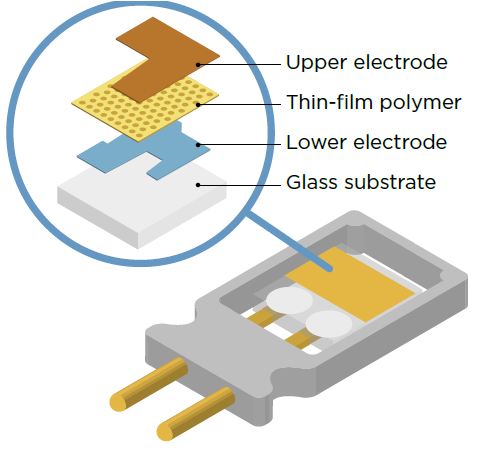
Capacitive sensors measure humidity by detecting changes in the capacitance of a sensor element as it absorbs water vapor. These sensors consist of a hygroscopic dielectric material placed between two conductive plates. As the humidity changes, the dielectric constant of the material changes, altering the capacitance.
- Advantages: High accuracy, long-term stability, and wide operating range.
- Applications: HVAC systems, weather stations, industrial processes.
Resistive Humidity Sensors
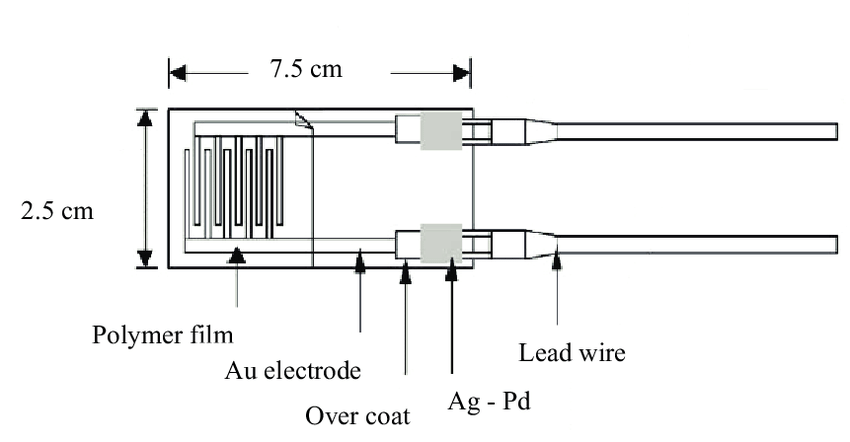
Resistive sensors measure humidity by detecting changes in the resistance of a sensor element as it absorbs water vapor. These sensors use materials whose electrical resistance varies with humidity, such as polymer or salt films.
- Advantages: Cost-effective, simple design.
- Applications: Consumer electronics, HVAC systems, environmental monitoring.
Thermal Conductivity Humidity Sensors
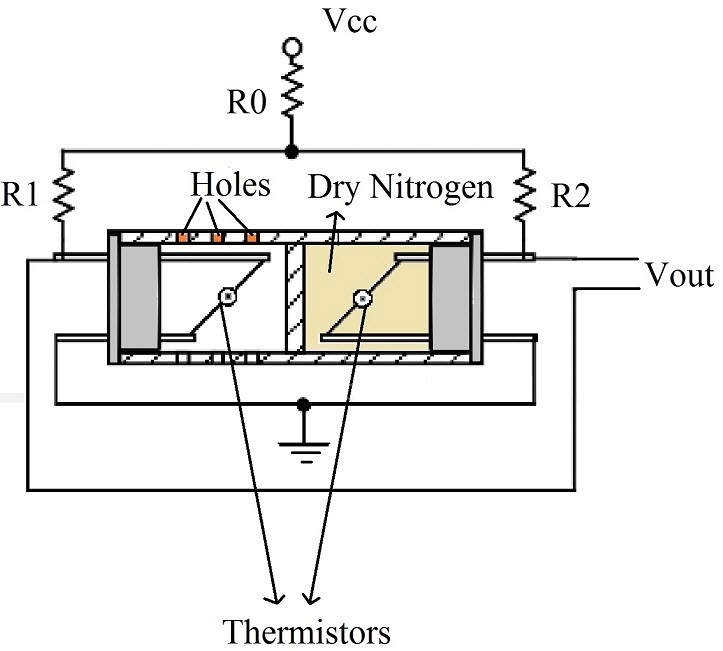
Thermal conductivity sensors measure humidity by detecting changes in the thermal conductivity of air as it varies with water vapor content. These sensors typically consist of two thermistors: one exposed to the air and the other in a dry reference chamber.
- Advantages: Fast response time, suitable for high humidity levels.
- Applications: Industrial processes, meteorological instruments.
Optical Humidity Sensors

Optical sensors use light to measure humidity by detecting changes in the refractive index or absorption of light in the presence of water vapor. These sensors often employ fiber optics or other light-sensitive materials.
- Advantages: High precision, non-contact measurement.
- Applications: Laboratory research, high-precision industrial applications.
Gravimetric Humidity Sensors
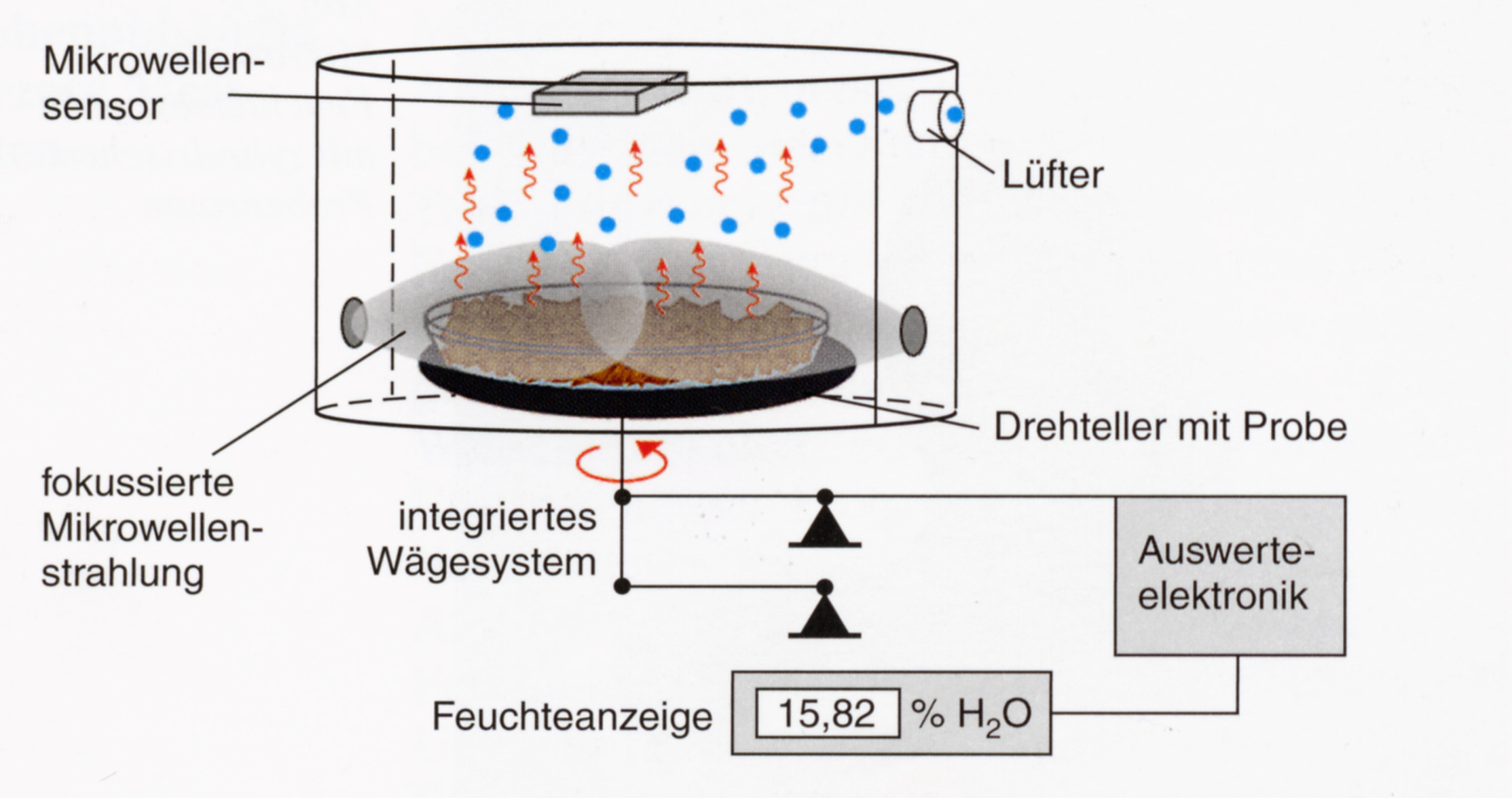
Gravimetric sensors measure humidity by weighing a known volume of air and determining the amount of water vapor it contains. This method is highly accurate but time-consuming and requires controlled conditions.
- Advantages: High accuracy, suitable for calibration standards.
- Applications: Laboratory settings, calibration of other humidity sensors
How to Choose Humidity Sensors: How to Choose Humidity Sensors: A Comprehensive Guide
Applications of Humidity Sensors
Humidity sensors are integral to a wide range of applications, each requiring precise and reliable humidity measurements to maintain optimal conditions.
Healthcare
In healthcare, maintaining appropriate humidity levels is critical for patient comfort and preventing infections. Humidity sensors are used in:
- Hospitals and Clinics: Ensuring optimal humidity in operating rooms, patient care areas, and storage facilities for pharmaceuticals.
- Medical Devices: Monitoring humidity in devices such as incubators, ventilators, and CPAP machines.
- Home Healthcare: Managing indoor humidity for patients with respiratory conditions, allergies, and other health issues.
Agriculture
Humidity control is vital for maximizing crop yield and quality. Humidity sensors are used in:
- Greenhouses: Controlling humidity to create optimal growing conditions for plants.
- Field Monitoring: Using wireless sensor networks to monitor microclimatic conditions and make informed decisions about irrigation and pest control.
- Storage Facilities: Ensuring stored agricultural products, such as grains and fruits, are kept under optimal conditions to prevent spoilage.
Manufacturing
Maintaining precise humidity levels is essential for product quality and operational efficiency in manufacturing. Humidity sensors are used in:
- Electronics Manufacturing: Controlling humidity in clean rooms to prevent static electricity and moisture-related defects.
- Pharmaceutical Manufacturing: Ensuring conditions meet regulatory standards for product efficacy and safety.
- Food and Beverage Industry: Monitoring and controlling humidity in processing and storage facilities to ensure product quality and compliance with health regulations.
Home Automation
Humidity sensors are key components of smart home systems, enhancing comfort, energy efficiency, and indoor air quality. Applications include:
- HVAC Systems: Monitoring and controlling humidity levels to optimize energy use and maintain comfortable indoor environments.
- Smart Thermostats: Automatically adjusting heating and cooling settings based on humidity data and user preferences.
- Indoor Air Quality: Preventing mold growth and maintaining healthy indoor air quality.
Environmental Monitoring
Accurate humidity measurement is crucial for environmental monitoring and research. Humidity sensors are used in:
- Weather Stations: Providing data for weather forecasting, climate studies, and environmental research.
- Wildlife and Habitat Monitoring: Studying the impact of environmental changes on wildlife and ecosystems.
- Air Quality Monitoring: Assessing pollution levels and their impact on human health and the environment.
Benefits of Humidity Sensors
Humidity sensors offer numerous benefits across different applications, including:
Precision and Accuracy
Modern humidity sensors provide high precision and accuracy, ensuring reliable data for critical applications. Accurate humidity measurements are essential for maintaining optimal conditions in healthcare, manufacturing, agriculture, and other fields.
Real-time Monitoring
Humidity sensors offer real-time monitoring capabilities, allowing for immediate detection of changes in environmental conditions. This enables timely interventions to prevent potential issues, such as equipment malfunctions, spoilage, or health hazards.
Automation and Control
Integration of humidity sensors with automated control systems enhances efficiency and effectiveness. Automated systems can adjust environmental conditions based on sensor data, optimizing processes, reducing energy consumption, and improving comfort and safety.
Data Logging and Analysis
Many humidity sensors come with data logging features, enabling the recording and analysis of historical data. This information is valuable for trend analysis, predictive maintenance, and research, providing insights into long-term environmental patterns and their impacts.
Cost Savings
By ensuring optimal environmental conditions, humidity sensors help reduce waste, improve product quality, and extend the lifespan of equipment and materials. This leads to significant cost savings in industries such as manufacturing, agriculture, and healthcare.
Enhanced Comfort and Health
In home automation and healthcare settings, humidity sensors contribute to enhanced comfort and health. By maintaining ideal indoor conditions, these sensors help prevent health issues related to poor air quality and extreme humidity levels.
Challenges and Considerations
While humidity sensors offer numerous benefits, there are also challenges and considerations to keep in mind:
Calibration and Maintenance
Regular calibration and maintenance are essential to ensure the accuracy and reliability of humidity sensors. Sensors can drift over time, leading to inaccurate readings if not properly maintained.
Environmental Factors
Environmental factors, such as dust, dirt, and chemical exposure, can affect sensor performance. It is important to choose sensors that are suitable for the specific application and environment to ensure accurate measurements.
Integration and Compatibility
Integrating humidity sensors with existing systems and infrastructure can be challenging. Compatibility with other devices, communication protocols, and data management systems must be considered to achieve seamless integration.
Cost
While the benefits of humidity sensors are significant, the initial cost of sensors and associated systems can be a consideration for some applications. However, the long-term cost savings and benefits often outweigh the initial investment.
Conclusion
Humidity sensors are indispensable tools in modern society, playing a crucial role in various fields, from healthcare and agriculture to manufacturing and home automation. Their ability to provide accurate and real-time data enables effective monitoring, control, and optimization of environmental conditions, leading to improved processes, enhanced comfort, and significant cost savings.
As technology continues to advance, the development of more sophisticated and reliable humidity sensors will further enhance their applications and benefits. Whether ensuring patient safety in hospitals, optimizing crop growth in agriculture, maintaining product quality in manufacturing, or enhancing comfort in smart homes, humidity sensors are essential for achieving optimal environmental conditions and improving overall quality of life.
Realted Read: The Importance of Temperature and Humidity Sensors
Temperature Sensors: Essential Tools for Precision and Control
Leave a Reply