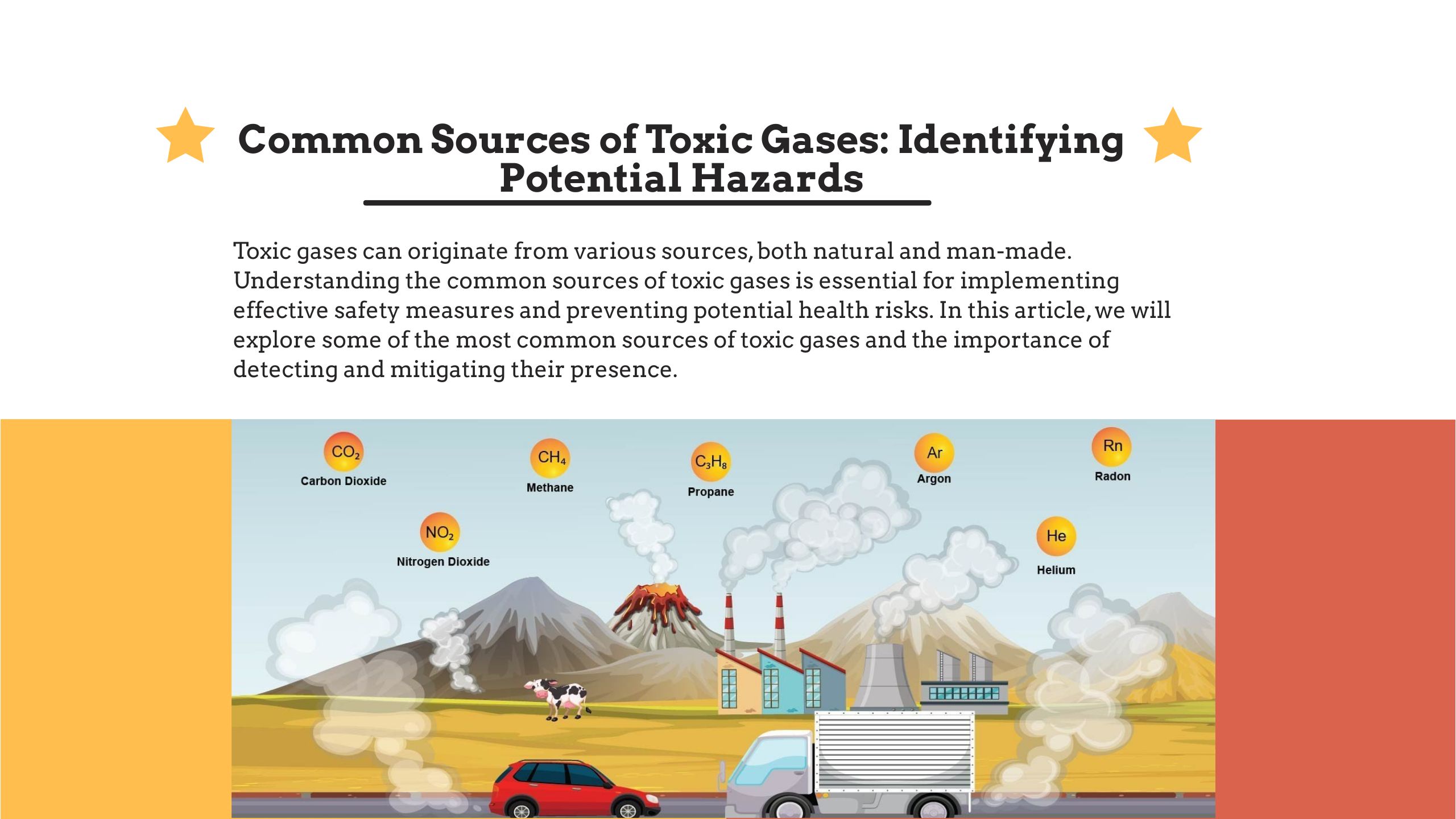
Toxic gases can originate from various sources, both natural and man-made. Understanding the common sources of toxic gases is essential for implementing effective safety measures and preventing potential health risks. In this article, we will explore some of the most common sources of toxic gases and the importance of detecting and mitigating their presence.
Industrial Processes and Emissions
- Chemical Manufacturing: Industries involved in chemical manufacturing often produce toxic gases as byproducts. These gases can include chlorine, ammonia, hydrogen sulfide, and many others. Proper ventilation systems and gas detection equipment are crucial in these environments to ensure worker safety.
- Power Plants: Power plants, particularly those that rely on fossil fuels, can emit toxic gases such as sulfur dioxide, nitrogen oxides, and carbon monoxide. These gases are byproducts of combustion processes and can have detrimental effects on both human health and the environment.
- Mining Operations: Mining activities, especially in underground mines, can release toxic gases such as methane, carbon monoxide, and hydrogen sulfide. These gases can accumulate in confined spaces and pose severe risks to miners. Continuous monitoring and gas detection systems are essential in mining operations to prevent accidents and protect workers.
- Waste Treatment Facilities: Waste treatment facilities, including landfills and wastewater treatment plants, can produce toxic gases like methane and hydrogen sulfide. These gases are generated by the decomposition of organic matter and can be hazardous if not properly managed and controlled.
Household and Residential Sources
- Combustion Appliances: Gas-powered appliances such as stoves, water heaters, and furnaces can emit carbon monoxide if not adequately maintained or if there is a malfunction. Carbon monoxide is a highly toxic gas that is odorless and colorless, making it particularly dangerous.
- Tobacco Smoke: Smoking tobacco releases a wide range of toxic gases and chemicals, including carbon monoxide, formaldehyde, and benzene. Secondhand smoke can also pose health risks to non-smokers, making it important to maintain smoke-free environments.
- Cleaning Products: Certain cleaning products, such as bleach and ammonia-based cleaners, can release toxic gases when mixed or used in poorly ventilated areas. It is crucial to follow proper usage instructions and ensure adequate ventilation when using these products.
- Radon: Radon is a naturally occurring radioactive gas that can seep into homes through cracks in the foundation or walls. Prolonged exposure to high levels of radon can increase the risk of lung cancer. Regular testing for radon levels and proper ventilation can help mitigate this risk.
Environmental and Natural Sources
- Volcanic Activity: Volcanic eruptions can release a variety of toxic gases, including sulfur dioxide, hydrogen sulfide, and carbon dioxide. These gases can have immediate health effects and can also contribute to long-term environmental impacts.
- Natural Gas Leaks: Natural gas, which is primarily composed of methane, can leak from pipelines or storage facilities. Methane is highly flammable and can displace oxygen, leading to asphyxiation in enclosed spaces. Prompt detection and repair of gas leaks are crucial to prevent accidents and ensure public safety.
- Biological Processes: Certain biological processes, such as the decomposition of organic matter in swamps or stagnant water, can produce toxic gases like hydrogen sulfide and methane. These gases can pose risks to nearby communities or workers in these environments.
Conclusion
Identifying the common sources of toxic gases is essential for implementing effective safety measures and protecting human health. Whether in industrial settings, residential environments, or natural occurrences, the presence of toxic gases can pose significant risks. Implementing proper ventilation systems, conducting regular gas monitoring, and utilizing gas detection equipment are crucial steps in mitigating these risks. By understanding the sources of toxic gases and taking appropriate preventive measures, we can create safer environments for everyone.