The Humanitarian Parole Program is a vital component of U.S. immigration policy, designed to address urgent humanitarian needs and provide temporary relief to individuals in distress. By allowing people to enter the United States temporarily for pressing reasons, the program serves as a lifeline for individuals fleeing crises, seeking medical treatment, or reuniting with family during emergencies.
This article explores the purpose, eligibility criteria, application process, benefits, challenges, and the broader impact of the Humanitarian Parole Program.
What Is Humanitarian Parole?
Humanitarian parole is a discretionary authority granted by the U.S. government to allow individuals to enter the country temporarily for compelling humanitarian reasons or for significant public benefit. Unlike traditional visa programs, humanitarian parole is not a pathway to permanent residency or citizenship. Instead, it provides short-term relief for individuals who may not qualify for other immigration options.
Key Features:
- Temporary Relief: Typically granted for one year but can be extended under exceptional circumstances.
- Broad Applicability: Used in cases ranging from medical emergencies to escaping conflict zones.
- Case-by-Case Basis: Decisions are highly individualized, based on the applicant’s circumstances.
Eligibility Criteria
Humanitarian parole is reserved for individuals with urgent needs that cannot be addressed through other immigration channels. Common situations include:
1. Medical Emergencies
- Individuals requiring life-saving treatment unavailable in their home country.
- Accompanying family members or guardians providing essential support during medical care.
2. Conflict or Disaster
- Refugees fleeing war, natural disasters, or persecution.
- Victims of human trafficking or other forms of exploitation.
3. Family Reunification
- Individuals seeking to temporarily join family members in the U.S. during crises, such as illness or death of a loved one.
4. Public Benefit
- Cases where the individual’s entry would significantly benefit the U.S., such as participating in important public projects or initiatives.
Application Process
The process for humanitarian parole involves several steps and requires thorough documentation to support the application:
1. Filing Form I-131
- Applicants or their representatives must complete Form I-131 (Application for Travel Document) and submit it to U.S. Citizenship and Immigration Services (USCIS).
2. Supporting Evidence
- Documentation proving the urgency of the situation, such as medical records, proof of persecution, or affidavits from credible sources.
3. Payment of Fees
- The application fee is $575, though fee waivers may be available for those who demonstrate financial hardship.
4. Background Checks
- USCIS conducts background checks to assess security risks or eligibility concerns.
5. Decision Notification
- Applicants receive a written decision. If approved, the individual is granted parole for a specified period and must adhere to the terms of their entry.
Benefits of the Humanitarian Parole Program
1. Immediate Relief
Humanitarian parole provides a rapid response mechanism for urgent situations, ensuring individuals can access safety, medical care, or other critical needs.
2. Flexibility
Unlike traditional immigration pathways, the program allows for exceptions in unique or unforeseen circumstances, making it a versatile tool for crisis management.
3. Humanitarian Impact
By addressing the needs of vulnerable populations, the program demonstrates the U.S.’s commitment to global humanitarian values.
4. Reunification of Families
The program facilitates temporary family reunification, offering solace and support during emergencies.
Challenges and Limitations
Despite its benefits, the Humanitarian Parole Program faces several challenges:
1. Temporary Nature
- Parole is not a long-term solution and does not provide a pathway to permanent residency. Individuals must leave the U.S. when their parole period expires unless granted an extension or a change of status.
2. High Discretionary Power
- Decisions are made on a case-by-case basis, often leading to inconsistencies and uncertainty for applicants.
3. Limited Awareness
- Many eligible individuals are unaware of the program or lack access to resources for applying.
4. Financial Barriers
- Application fees and the cost of supporting documentation can be prohibitive for vulnerable populations.
5. Overburdened System
- The surge in global crises has increased demand for humanitarian parole, straining USCIS resources and leading to delays in processing.
Notable Cases and Applications
1. Afghan Evacuees (2021)
Following the U.S. withdrawal from Afghanistan, thousands of Afghans applied for humanitarian parole to escape the Taliban’s resurgence. Many evacuees were individuals who had supported U.S. operations and faced significant threats in their home country.
2. Ukrainian Refugees (2022)
In response to the Russian invasion of Ukraine, the U.S. implemented special humanitarian parole programs to assist displaced Ukrainians, providing temporary refuge for those fleeing conflict.
3. Medical Parole Cases
Numerous individuals have used the program to access critical medical treatment in the U.S., particularly in cases where local healthcare systems lack the necessary resources or expertise.
The Future of the Humanitarian Parole Program
As global crises become more frequent and complex, the Humanitarian Parole Program will likely remain an essential tool for addressing urgent needs. However, there are areas for improvement:
1. Streamlining the Process
Simplifying application procedures and reducing processing times would make the program more accessible and effective.
2. Enhancing Public Awareness
Increasing outreach efforts to educate vulnerable populations about their options could expand the program’s reach.
3. Expanding Resources
Allocating additional resources to USCIS could alleviate backlogs and improve response times, ensuring timely assistance for those in need.
4. Balancing Security and Compassion
Policymakers must strike a balance between national security concerns and the program’s humanitarian goals, ensuring it remains a beacon of hope for those in distress.
Conclusion
The Humanitarian Parole Program embodies the United States’ commitment to providing refuge and support to individuals facing dire circumstances. While not without its challenges, the program serves as a vital mechanism for addressing urgent needs, offering safety, relief, and hope to thousands of individuals each year.
As global challenges evolve, the program must adapt to ensure it continues to uphold its humanitarian mission while addressing modern complexities. By improving accessibility, streamlining processes, and fostering public awareness, the Humanitarian Parole Program can remain a cornerstone of the U.S.’s commitment to global compassion and support.
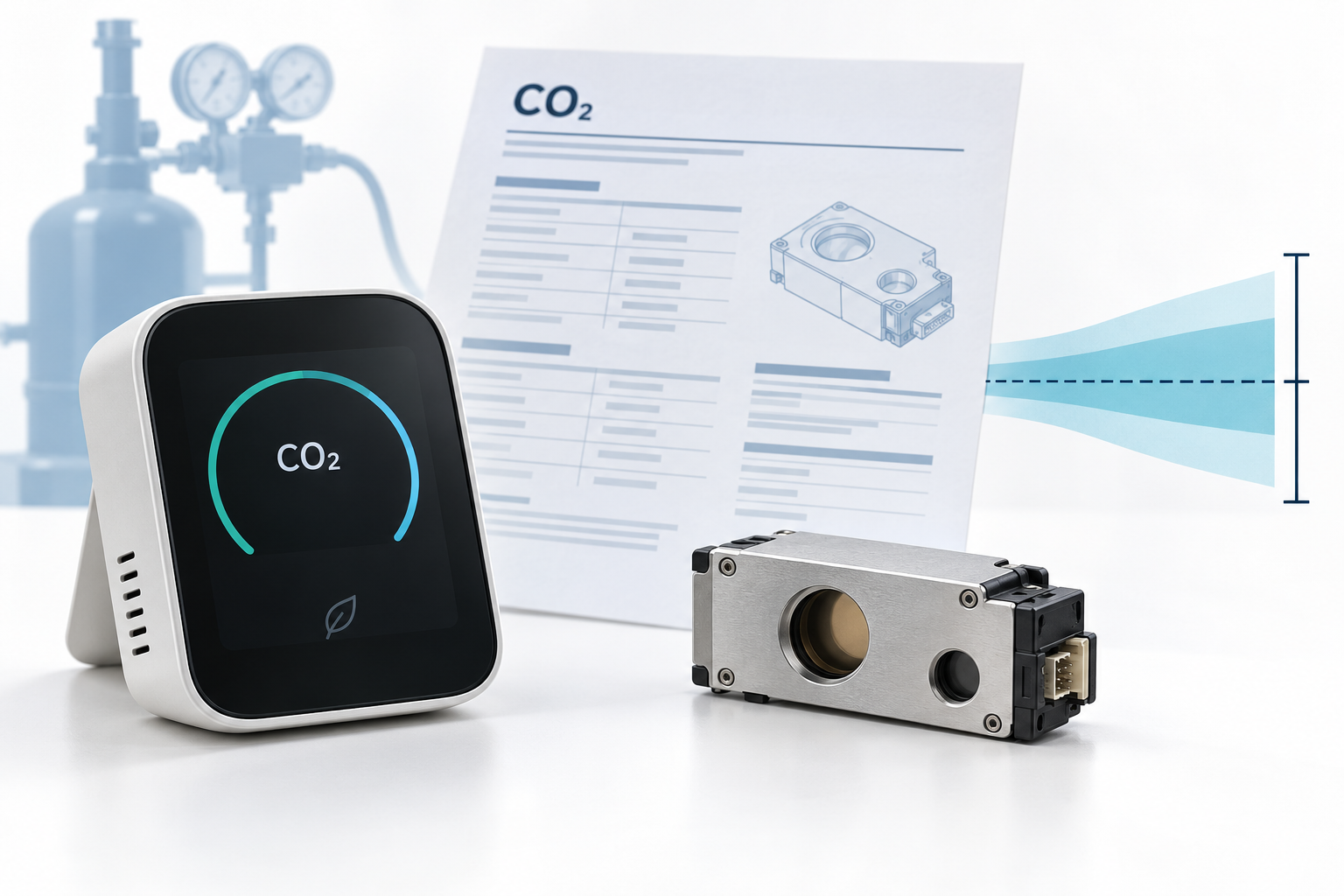
How to Read a CO2 Monitor Accuracy Specification
Read CO2 monitor accuracy specifications correctly: calculate ppm plus percent of reading, distinguish full-scale error and resolution, and compare operating conditions.
Read More
How Humidity Affects Gas Sensor Readings
Learn how humidity affects gas sensor response, wet-basis concentrations and condensation, and what to check when selecting or troubleshooting a gas detector.
Read More