
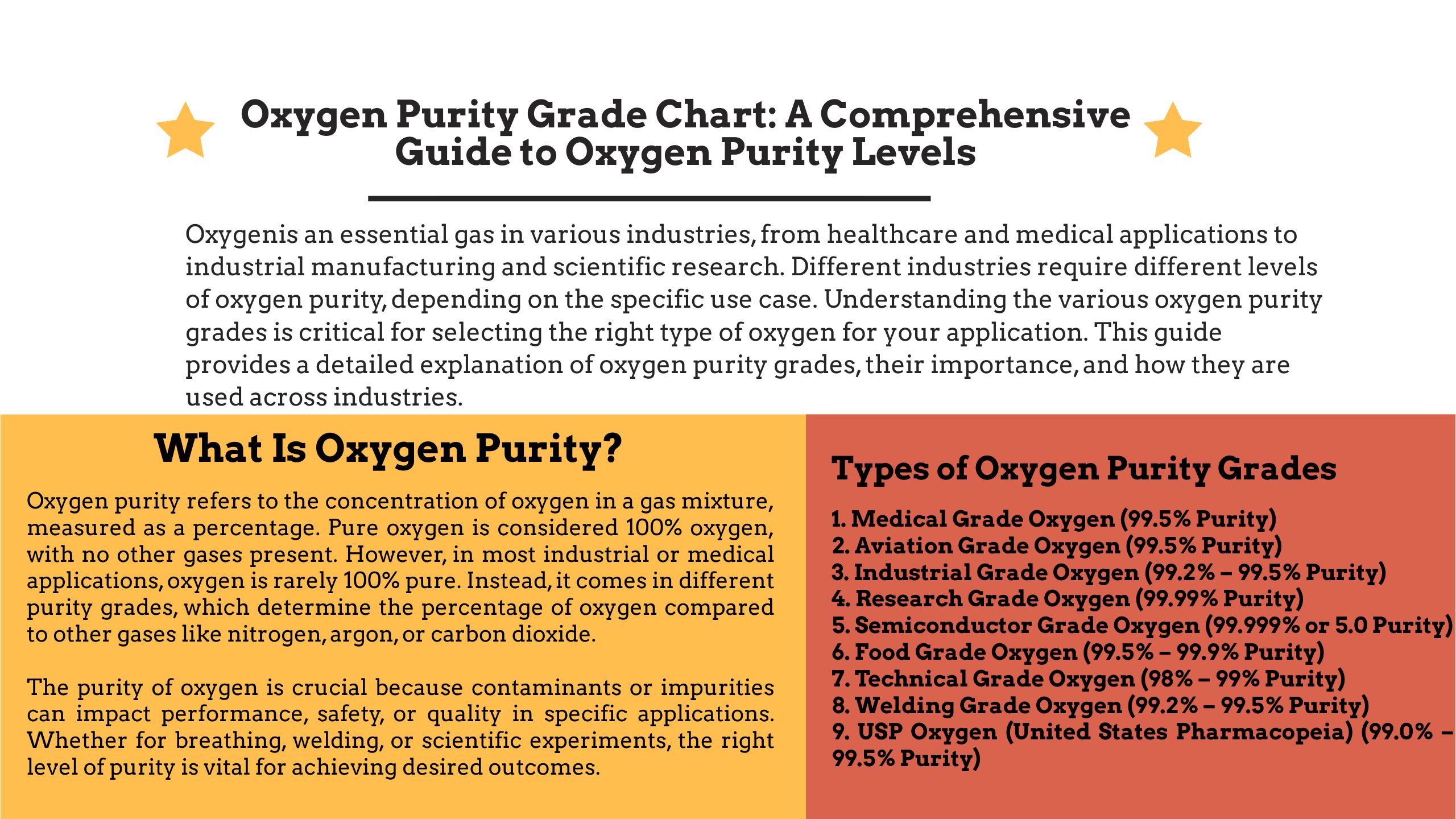
Oxygen is an essential gas in various industries, from healthcare and medical applications to industrial manufacturing and scientific research. Different industries require different levels of oxygen purity, depending on the specific use case. Understanding the various oxygen purity grades is critical for selecting the right type of oxygen for your application. This guide provides a detailed explanation of oxygen purity grades, their importance, and how they are used across industries.
What Is Oxygen Purity?
Oxygen purity refers to the concentration of oxygen in a gas mixture, measured as a percentage. Pure oxygen is considered 100% oxygen, with no other gases present. However, in most industrial or medical applications, oxygen is rarely 100% pure. Instead, it comes in different purity grades, which determine the percentage of oxygen compared to other gases like nitrogen, argon, or carbon dioxide.
The purity of oxygen is crucial because contaminants or impurities can impact performance, safety, or quality in specific applications. Whether for breathing, welding, or scientific experiments, the right level of purity is vital for achieving desired outcomes.
Oxygen Purity Grade Chart
Oxygen purity is typically categorized into different grades based on the percentage of oxygen present. Here is a basic oxygen purity grade chart, outlining common grades and their typical uses:| Grade | Oxygen Purity | Common Uses |
|---|---|---|
| Medical Grade Oxygen | 99.5% | Hospitals, healthcare, respiratory therapy |
| Aviation Grade Oxygen | 99.5% | Aviation, breathing systems for pilots |
| Industrial Grade Oxygen | 99.2% – 99.5% | Welding, metal cutting, industrial processes |
| Research Grade Oxygen | 99.99% | Laboratory, scientific research, high-purity applications |
| Semiconductor Grade Oxygen | 99.999% (5.0) | Semiconductor manufacturing, electronics production |
| Food Grade Oxygen | 99.5% – 99.9% | Modified atmosphere packaging (MAP), food processing |
| Technical Grade Oxygen | 98% – 99% | General industrial use, wastewater treatment |
| Welding Grade Oxygen | 99.2% – 99.5% | Welding, cutting metals, glass production |
| USP (United States Pharmacopeia) Oxygen | 99.0% – 99.5% | Medical applications, pharmaceuticals |
Types of Oxygen Purity Grades
Understanding the specific types of oxygen purity grades is important when selecting the right oxygen for any application. Each grade serves a particular function, and the purity requirements can vary dramatically between different industries. Below, we explore the most common oxygen purity grades in detail:
1. Medical Grade Oxygen (99.5% Purity)
Medical-grade oxygen is the highest quality oxygen used for therapeutic purposes, ensuring that it is free of contaminants and impurities. Medical oxygen is often administered to patients with respiratory conditions or during surgeries. It is delivered in controlled environments to provide patients with clean, high-purity oxygen for breathing assistance.
- Common Uses:
- Respiratory therapy for patients with conditions like COPD, asthma, or pneumonia.
- Anesthesia and life support systems during surgeries.
- Neonatal care and oxygenation of premature infants.
Medical oxygen must adhere to strict quality controls to meet healthcare safety standards. It is often delivered in portable tanks, concentrators, or piped through hospitals to supply oxygen on demand.
2. Aviation Grade Oxygen (99.5% Purity)
Aviation-grade oxygen is highly pure, intended for use in aviation environments where pilots and passengers are exposed to high altitudes. At high altitudes, the oxygen concentration in the air decreases, making it harder to breathe. Supplemental oxygen is necessary to prevent hypoxia (oxygen deprivation).
- Common Uses:
- Breathing systems for pilots and crew in aircraft.
- Emergency oxygen supplies on commercial flights.
- Military aviation and space missions.
Aviation oxygen must be free of moisture and contaminants to ensure safe breathing in high-altitude or low-pressure environments.
3. Industrial Grade Oxygen (99.2% – 99.5% Purity)
Industrial-grade oxygen is used for various manufacturing processes, particularly in metalworking. It is often delivered via large gas cylinders and used in processes like welding and cutting. This grade of oxygen is less pure than medical or aviation oxygen, but it is still essential for industrial purposes.
- Common Uses:
- Oxy-fuel welding and cutting.
- Combustion in steelmaking and glass production.
- Wastewater treatment and chemical production.
Industrial oxygen is cost-effective for large-scale industrial applications where absolute purity is less critical.
4. Research Grade Oxygen (99.99% Purity)
Research-grade oxygen is of extremely high purity and is used in scientific research where precision is critical. In experiments where even the slightest impurities can skew results, research-grade oxygen is used to ensure accuracy.
- Common Uses:
- Chemical and biological research.
- High-precision laboratory work.
- Gas chromatography and mass spectrometry.
Researchers rely on this high-purity oxygen for consistency in experimental results, particularly in sensitive applications.
5. Semiconductor Grade Oxygen (99.999% or 5.0 Purity)
Semiconductor-grade oxygen is the highest purity level available and is often referred to as “5.0 grade” or “ultra-high purity oxygen.” It is used in the production of semiconductors and electronics, where any impurities could cause defects in microchips or other electronic components.
- Common Uses:
- Semiconductor manufacturing.
- Thin-film deposition in electronics production.
- High-tech industrial processes requiring ultra-pure gases.
This oxygen grade is critical for producing microelectronics and other high-tech devices, as even the smallest impurity can affect product quality.
6. Food Grade Oxygen (99.5% – 99.9% Purity)
Food-grade oxygen is used in the food and beverage industry, particularly in modified atmosphere packaging (MAP), where oxygen is used to preserve the freshness of packaged food. The purity level is carefully controlled to ensure the food remains safe for consumption.
- Common Uses:
- Modified atmosphere packaging for meats, fruits, and vegetables.
- Beverage carbonation and fermentation processes.
This oxygen must meet food safety standards to prevent contamination and ensure consumer safety.
7. Technical Grade Oxygen (98% – 99% Purity)
Technical-grade oxygen is used in general industrial applications where moderate purity levels are sufficient. It is less expensive than higher grades and is often used in industries where ultra-high purity is not necessary.
- Common Uses:
- Combustion processes in manufacturing.
- Wastewater treatment.
- Construction and general industrial processes.
This grade is typically used for processes that do not require stringent oxygen purity controls.
8. Welding Grade Oxygen (99.2% – 99.5% Purity)
Welding-grade oxygen is similar to industrial-grade oxygen but is specifically used in welding and cutting applications. The purity of the oxygen ensures efficient combustion and clean cuts in metalworking.
- Common Uses:
- Oxy-acetylene welding and cutting.
- Metal fabrication and repair.
This oxygen is crucial for achieving high temperatures needed in welding and cutting processes.
9. USP Oxygen (United States Pharmacopeia) (99.0% – 99.5% Purity)
USP oxygen is pharmaceutical-grade oxygen used for both medical and pharmaceutical applications. It adheres to the strict quality standards set by the United States Pharmacopeia to ensure it is safe for use in medical treatments and the production of pharmaceutical products.
- Common Uses:
- Medical oxygen therapy.
- Pharmaceutical production and research.
USP oxygen ensures the highest safety and purity standards for patient care and pharmaceutical development.
How Oxygen Purity Affects Performance
The purity of oxygen directly affects its performance in different applications. Higher purity levels are critical when there is no margin for error, such as in semiconductor production or medical treatments. Contaminants or impurities can cause adverse reactions, faulty products, or dangerous conditions, depending on the application.
In industrial processes like welding, for example, impurities in oxygen can lead to inefficient combustion or poor-quality welds. In medical applications, low purity oxygen could put patients at risk by introducing contaminants into their respiratory systems.
How Oxygen Purity Is Measured
Oxygen purity is typically measured using gas analyzers or oxygen purity meters, which test the concentration of oxygen in a gas mixture. The most common method involves using a zirconia or electrochemical sensor to determine the percentage of oxygen in the air. These measurements ensure that oxygen meets the required specifications for its intended use.
Regular testing of oxygen purity is crucial in environments where purity levels must be maintained consistently, such as in medical or scientific applications.
Oxygen Safety Monitors: Ensuring Safe Oxygen Levels
Oxygen safety monitors are devices designed to detect and measure oxygen levels in the air, ensuring a safe environment for both workers and patients. These monitors are essential in various industries, particularly in confined spaces or areas where oxygen levels can fluctuate due to industrial processes.
1. Oxygen Depletion Monitors:
Oxygen depletion monitors are used in environments where the oxygen concentration might drop below safe levels, such as in laboratories, chemical plants, or confined industrial spaces. These devices sound alarms if oxygen levels fall below the critical threshold (usually 19.5%).
- Common uses:
- Confined spaces in construction or mining.
- Cryogenic storage areas where gas displacement can lower oxygen levels.
- Industrial applications with inert gases, such as welding or chemical production.
2. Medical Oxygen Monitors:
In healthcare settings, oxygen monitors are used to ensure that patients receive the correct oxygen concentration. These devices measure the percentage of oxygen in the gas mixture, ensuring it meets the required purity level for respiratory therapy.
- Common uses:
- Continuous monitoring of oxygen concentration in hospital rooms.
- Ensuring the safety of oxygen therapy in home care settings.
Maintaining safe oxygen levels is essential to avoid hypoxia or oxygen toxicity, depending on the environment. Oxygen safety monitors provide an additional layer of protection, ensuring that oxygen concentrations stay within safe ranges.
FAQ
Industrial Grade vs. Medical Grade Oxygen: Understanding the Differences
Oxygen is used across a range of industries, from healthcare to manufacturing, but not all oxygen is created equal. The two most common types are industrial-grade oxygen and medical-grade oxygen, and while both share similarities, the level of purity, safety standards, and applications vary significantly.
1. Industrial Grade Oxygen
Industrial-grade oxygen typically has a purity range of 99.2% to 99.5% and is commonly used for welding, metal cutting, and various industrial processes. It is stored in large cylinders and often used to boost combustion in manufacturing or enhance the efficiency of chemical reactions.
- Common uses:
- Oxy-fuel welding and cutting.
- Combustion in steelmaking and glass production.
- Wastewater treatment and chemical manufacturing.
While industrial oxygen has high purity, it is not subject to the same stringent testing and contamination controls as medical oxygen. Impurities such as moisture, dust, or even hydrocarbons may be present, which is acceptable for most industrial applications but dangerous for human inhalation.
2. Medical Grade Oxygen
Medical-grade oxygen, on the other hand, must meet purity standards of at least 99.5% and undergo rigorous testing to ensure it is free of contaminants. This oxygen is classified as a drug by the FDA and other regulatory bodies, meaning it must meet specific safety and quality guidelines.
- Common uses:
- Respiratory therapy for patients with conditions like COPD or pneumonia.
- Anesthesia and life support during surgeries.
- Neonatal care and oxygenation of premature infants.
The strict purity and cleanliness standards for medical oxygen ensure that patients receive uncontaminated and safe oxygen for breathing assistance. Even trace levels of contaminants can pose severe health risks when inhaled, making quality control essential.
What Is a Dangerously Low Oxygen Level?
Low oxygen levels, especially in medical or breathing environments, can pose serious health risks. Hypoxia, or oxygen deprivation, occurs when the body’s oxygen levels drop below normal, leading to symptoms such as shortness of breath, confusion, and potentially life-threatening complications.
1. Blood Oxygen Levels:
A normal blood oxygen saturation level, measured by pulse oximetry, is typically between 95% and 100%. Levels below 90% are considered dangerously low and may require immediate medical intervention. This is commonly seen in patients with respiratory conditions like COPD, asthma, or pneumonia, and in cases of severe hypoxia, organ failure or death may occur.
2. Oxygen Levels in Industrial Settings:
In industrial environments, oxygen levels can be critical for safety. The standard atmospheric oxygen concentration is around 21%. Levels below 19.5% are considered oxygen-deficient, posing significant risks to workers, such as unconsciousness or asphyxiation. In confined spaces, monitoring oxygen levels is crucial to prevent accidents.
Dangerously low oxygen levels can occur due to leaks, faulty equipment, or improper ventilation, making the use of oxygen safety monitors a critical part of workplace safety protocols.
Oxygen Gas Supply and Recommendations
The supply and storage of oxygen gas vary depending on the application. Whether for medical use, industrial processes, or research, there are specific recommendations for ensuring the safe and reliable delivery of oxygen.
1. Medical Oxygen Supply:
Medical oxygen is typically supplied in compressed gas cylinders, liquid oxygen systems, or through concentrators. Hospitals and clinics use a centralized system where oxygen is piped directly to patient rooms. Portable oxygen tanks and concentrators are used for home care or ambulatory oxygen therapy.
- Storage: Medical oxygen cylinders must be stored in a clean, dry area away from flammable materials. Cylinders should be secured and checked regularly for leaks.
- Regulation: Oxygen tanks and systems must comply with safety standards set by health regulatory bodies like the FDA to ensure patient safety.
2. Industrial Oxygen Supply:
Industrial oxygen is delivered in large cylinders, tanks, or pipelines for processes like welding, combustion, or wastewater treatment. Bulk storage tanks may be used for facilities with high oxygen demand.
- Storage: Industrial oxygen should be stored in well-ventilated areas, away from potential ignition sources. Proper labeling and handling are essential to prevent accidents.
- Supply Recommendations: For high-volume users, bulk liquid oxygen is often the most economical option, as it can be stored at cryogenic temperatures and converted to gas as needed.
Conclusion
Oxygen is vital across a wide range of industries, from healthcare to manufacturing, and understanding the differences between industrial-grade and medical-grade oxygen is crucial for selecting the appropriate type. The oxygen purity grade chart provides an overview of the various levels of oxygen used in different applications, each with its own safety and purity standards.
Whether you’re dealing with medical oxygen therapy, industrial welding, or research-grade oxygen for laboratory use, ensuring the proper supply, storage, and monitoring of oxygen is key to both safety and performance. Using oxygen safety monitors to detect and manage oxygen levels is essential in environments where fluctuating oxygen concentrations can pose a risk.
By understanding oxygen purity levels, the differences between oxygen grades, and how to safely handle and monitor oxygen in various settings, you can optimize its use across medical, industrial, and research applications.
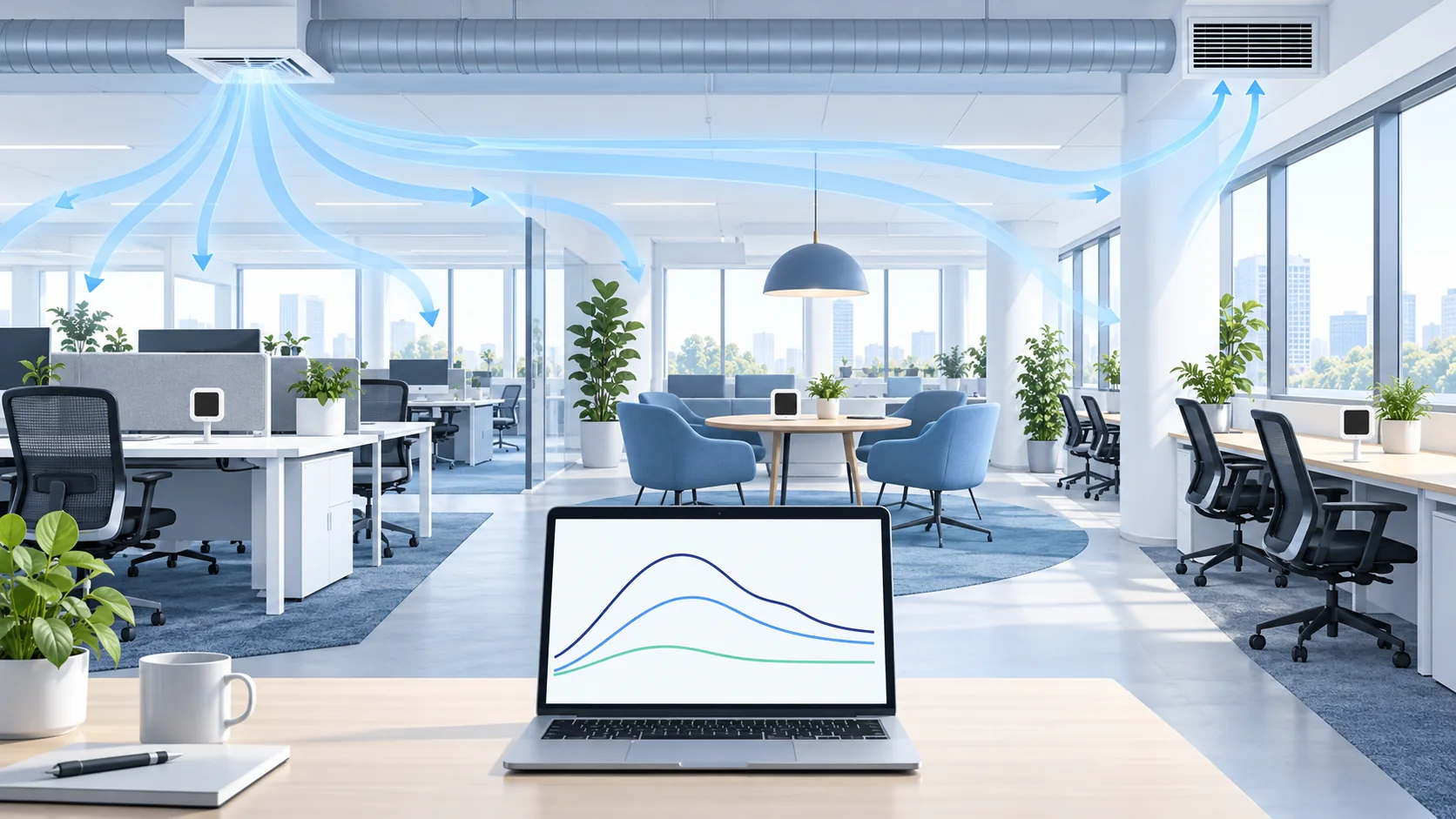
How to Compare CO2 Readings Across Open-Plan Office Zones
Compare synchronized office-zone CO2 logs after checking monitor agreement, location, occupancy and air-system events; learn when a zone difference warrants investigation.
Read More
How to Read a Meeting Room CO2 Trend Against Occupancy
Read meeting-room CO2 trends with occupancy and ventilation events, distinguishing starting level, occupied rise, intervention and post-meeting decline.
Read More
How to Plan CO2 Monitor Placement in an Office
Plan representative office CO2 monitor locations by measurement purpose, occupancy and air paths, then verify positions and log context before using the data.
Read More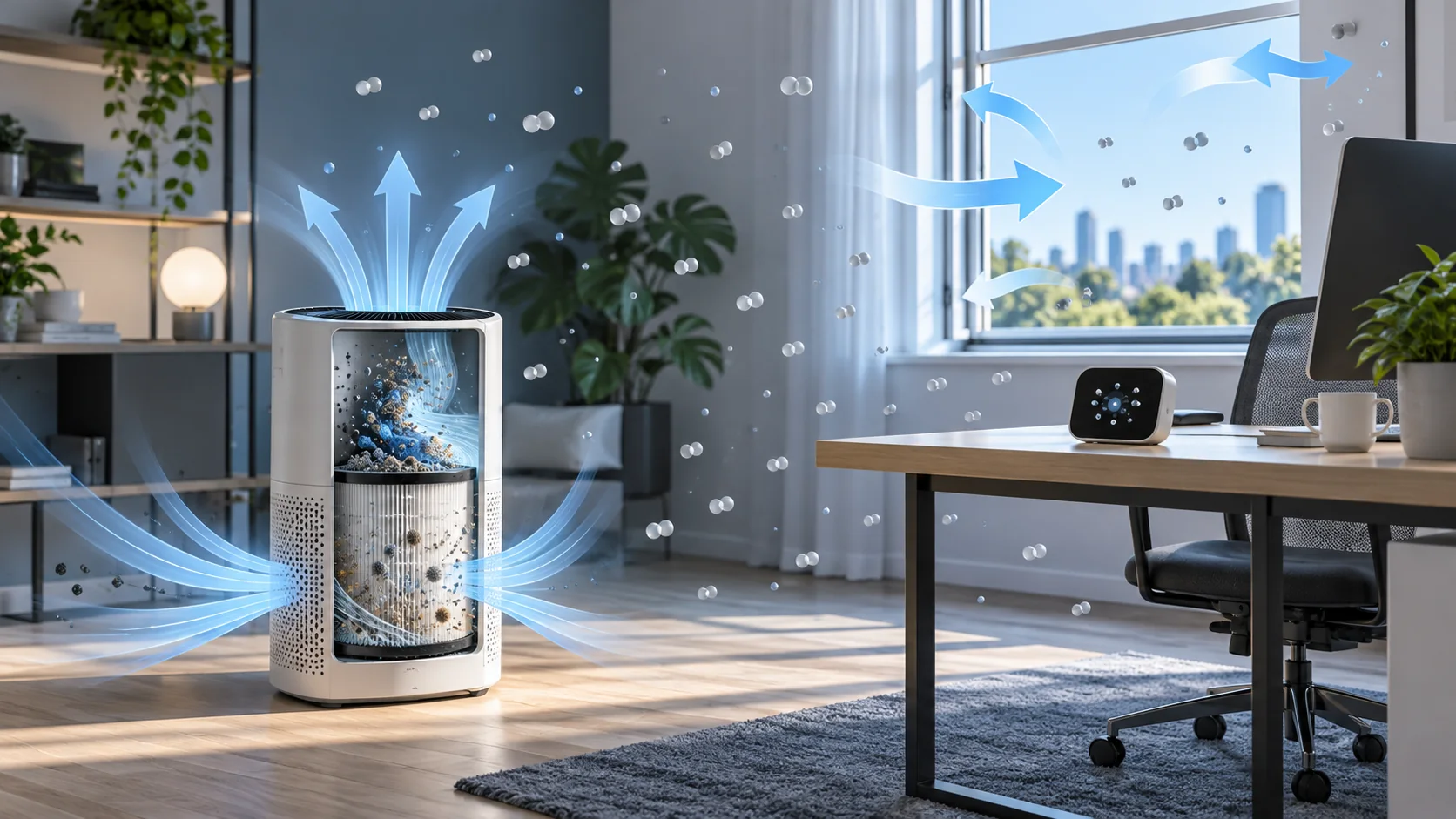
Do Air Purifiers Lower CO2? Separate Filtration from Outdoor-Air Exchange
Ordinary HEPA purifiers capture particles but do not meaningfully remove occupant-generated CO2. Learn to separate recirculation, outdoor-air ventilation and monitor mixing effects.
Read More
How to Read an Overnight Bedroom CO2 Log
Interpret an overnight bedroom CO2 trace using its starting level, rise, plateau and morning response while checking logger quality, air paths and comparable nights.
Read More
How to Interpret CO2 Trends at Home: Read the Pattern, Not One Number
Learn how occupancy, outdoor air, room mixing and monitor placement shape a home CO2 trace, and use a repeatable log to test ventilation changes.
Read More