
In an ever-evolving industrial and environmental landscape, the detection of gases has become a critical component in maintaining safety, health, and environmental standards. Gas detectors are instrumental in identifying hazardous gases in various settings, from industrial plants and laboratories to public spaces. These devices are designed to detect and monitor gases that pose risks such as toxicity, flammability, or asphyxiation.
But how many types of gas detectors exist, and how do they differ in terms of functionality, application, and technology? In this article, we explore the various types of gas detectors, their working principles, features, and specific use cases, aiming to offer a comprehensive guide on the subject.
What Are Gas Detectors?
Gas detectors are safety devices designed to monitor and measure the concentration of gases in an area. They alert individuals or automatically activate safety protocols when gas levels exceed a safe threshold. These detectors are essential in industries like oil and gas, manufacturing, chemical plants, and even households, where gas leaks can lead to explosions, poisoning, or health hazards.
The Types of Gas Detectors
Gas detectors are broadly classified based on the gas detection method, the type of gas being detected, and the environment where they are used. Below are the key types of gas detectors:
1. Fixed Gas Detectors
Fixed gas detectors are permanently installed in specific locations within industrial, commercial, or residential settings. These detectors are crucial for continuous monitoring of the air in potentially hazardous environments.
- Operation: Fixed detectors are connected to a central control panel or monitoring system, allowing for real-time data collection and alerting.
- Use Cases: They are typically used in environments such as oil refineries, chemical plants, mines, power stations, and enclosed spaces like tunnels and sewers.
Advantages:
- Continuous, 24/7 monitoring.
- Can detect multiple gases simultaneously.
- Provide early warning in case of gas leaks or hazardous conditions.
2. Portable Gas Detectors
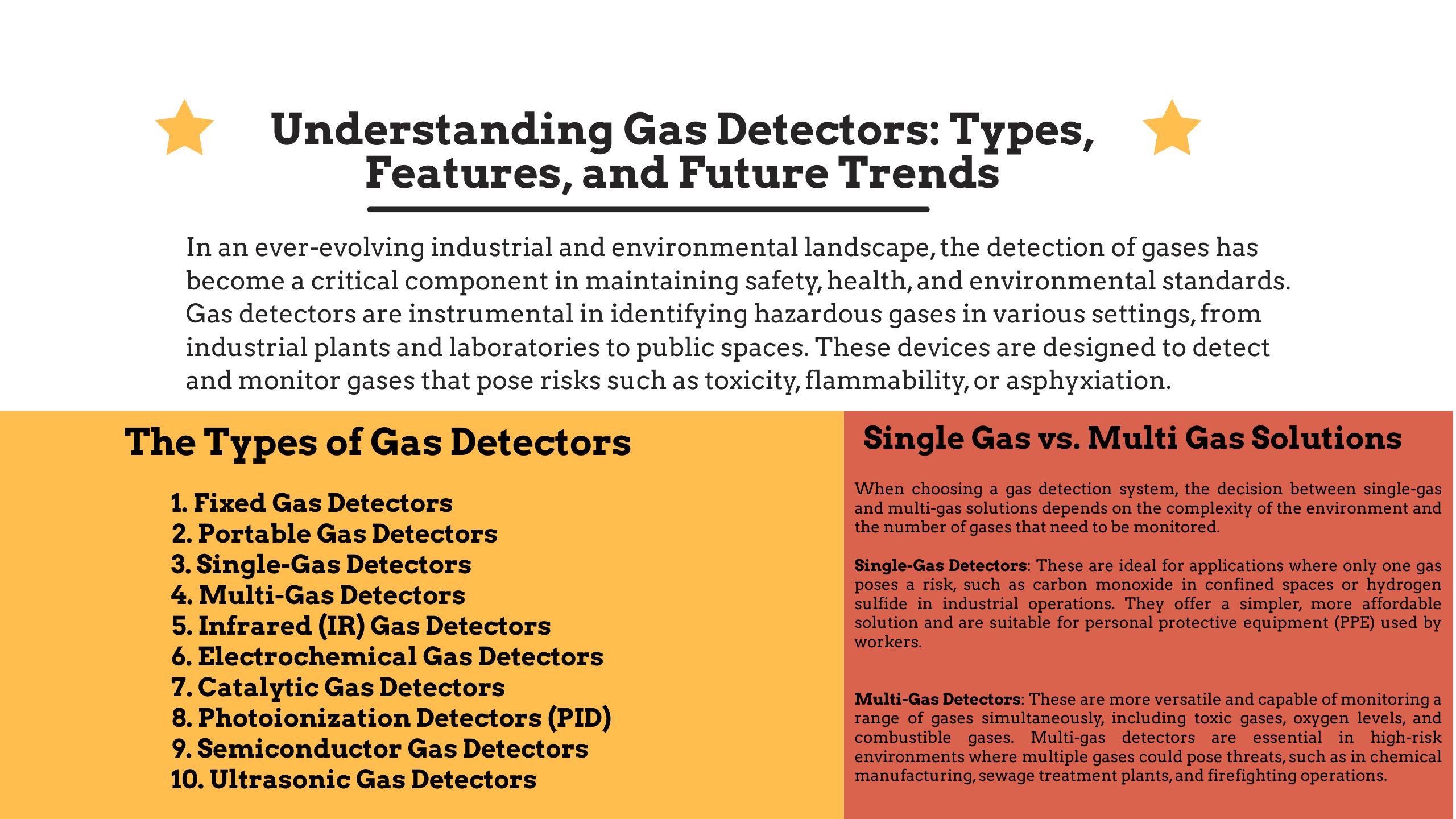
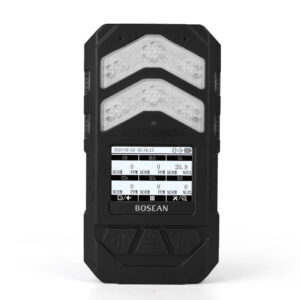
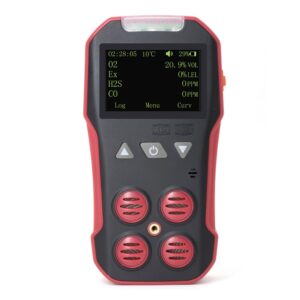
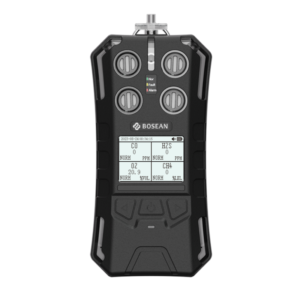
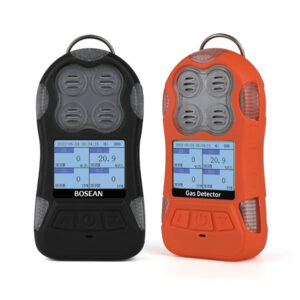
Portable gas detectors, as the name suggests, are handheld devices designed for individual workers or emergency responders who need to monitor gas levels in dynamic, mobile environments.
- Operation: These devices are powered by rechargeable or replaceable batteries and typically feature a display screen, audible alarms, and vibration alerts.
- Use Cases: They are ideal for confined spaces, construction sites, and emergency response teams working in hazardous areas such as chemical spills, industrial accidents, or rescue missions.
Advantages:
- Lightweight and easy to carry.
- Provide flexibility and mobility for workers in various environments.
- Can be used for spot checks or personal monitoring.
3. Single-Gas Detectors
Single-gas detectors are specialized instruments that monitor only one specific gas at a time. They are commonly used for high-precision measurements of a specific hazardous gas.
- Operation: These detectors are often compact and focus on a particular type of gas, offering quick and accurate results.
- Use Cases: These detectors are used in confined space entry, personal protection, and applications where only one specific gas poses a risk (such as carbon monoxide or oxygen levels).
Advantages:
- Simple to operate and cost-effective.
- Compact and lightweight.
- Designed for specific industrial or emergency applications.
4. Multi-Gas Detectors
Multi-gas detectors are versatile instruments capable of detecting two or more gases simultaneously. They are used in environments where multiple hazardous gases might be present, offering comprehensive protection.
- Operation: These detectors are equipped with sensors for different gases, and they can measure a range of substances, including combustible gases, oxygen, and toxic gases.
- Use Cases: Common in hazardous industries like mining, chemical manufacturing, wastewater treatment, and confined space entry.
Advantages:
- Cost-effective for industries dealing with multiple gases.
- Allows workers to monitor a wider range of gases.
- Suitable for environments with changing conditions.
5. Infrared (IR) Gas Detectors
Infrared (IR) gas detectors use infrared light to detect gases. This technology involves passing infrared light through a sample of air and measuring how much light is absorbed by the gas molecules.
- Operation: IR detectors can detect gases such as carbon dioxide, methane, and other hydrocarbons. The absorption pattern of gases varies, which allows the detector to identify specific gases.
- Use Cases: IR detectors are typically used for detecting combustible gases and hydrocarbons in industrial environments, such as oil and gas facilities or refineries.
Advantages:
- Very accurate and reliable for detecting hydrocarbons.
- Long life span and minimal maintenance.
- Resistant to environmental factors such as temperature and humidity.
6. Electrochemical Gas Detectors
Electrochemical sensors detect gases by using an electrochemical reaction to measure the presence of specific gases. This reaction generates a current proportional to the concentration of the target gas.
- Operation: Electrochemical sensors typically consist of three electrodes – a working electrode, a reference electrode, and a counter electrode – that interact with the gas in question.
- Use Cases: These detectors are often used for detecting toxic gases such as carbon monoxide (CO), hydrogen sulfide (H2S), and nitrogen dioxide (NO2).
Advantages:
- High sensitivity and selectivity for toxic gases.
- Relatively low cost.
- Good for environments where gas concentrations are low but potentially hazardous.
7. Catalytic Gas Detectors
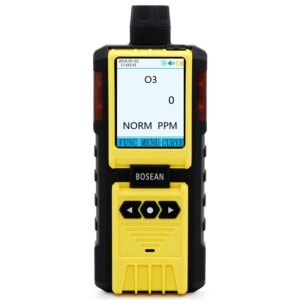
Catalytic gas detectors use a catalytic combustion sensor to detect the presence of combustible gases in the air. These sensors work by using a heated platinum filament to oxidize the gas, generating heat and a change in resistance that the detector can measure.
- Operation: Catalytic detectors are especially effective in detecting combustible gases like methane, propane, and hydrogen.
- Use Cases: They are widely used in gas and oil industries, waste treatment facilities, and HVAC systems.
Advantages:
- Reliable and cost-effective.
- High sensitivity to combustible gases.
- Used in both industrial and residential applications.
8. Photoionization Detectors (PID)
Photoionization detectors (PIDs) utilize ultraviolet (UV) light to ionize gases in the air, creating charged particles that the detector measures. These devices are particularly useful for detecting volatile organic compounds (VOCs) and other toxic gases.
- Operation: A UV lamp is used to ionize the molecules of the target gas, and the resulting ions are detected by an electrode, producing an electrical signal.
- Use Cases: PIDs are commonly used in chemical spill detection, environmental monitoring, and industrial hygiene.
Advantages:
- Effective for detecting a wide range of toxic gases and VOCs.
- Highly sensitive and fast response time.
- Can detect gases in low concentrations.
9. Semiconductor Gas Detectors
Semiconductor gas detectors operate by using a semiconductor material, such as tin dioxide (SnO2), which changes its electrical resistance in the presence of gases.
- Operation: These detectors are often used for detecting gases like methane, carbon monoxide, and ammonia. When the gas interacts with the semiconductor, it alters its conductivity, triggering an alarm.
- Use Cases: Typically used in domestic gas leak detection, environmental monitoring, and air quality control.
Advantages:
- Simple to use and inexpensive.
- Sensitive to a wide range of gases.
- Low maintenance and long service life.
10. Ultrasonic Gas Detectors
Ultrasonic gas detectors are based on the principle of sound waves. These detectors listen for the ultrasonic sound created by a gas leak, typically from a pressurized gas container.
- Operation: They use high-frequency sound waves to detect leaks from gases such as helium, methane, and hydrogen. The sound produced by a gas leak is analyzed and converted into a signal.
- Use Cases: Ideal for detecting leaks in large industrial systems or pipelines where traditional sensors may not be suitable.
Advantages:
- Effective in detecting gas leaks even in noisy environments.
- Non-invasive detection method.
- Suitable for use in hazardous environments with high-pressure systems.
What Are Gas Sensors Used in Gas Detectors?
Gas detectors rely on specialized sensors to detect the presence of harmful gases. These sensors convert the presence or concentration of a specific gas into an electrical signal that can be read and analyzed by the device. The type of sensor used largely depends on the nature of the gas being detected and the desired level of accuracy.
Common gas sensors used in gas detectors include:
1. Electrochemical Sensors
Electrochemical sensors are commonly used to detect toxic gases like carbon monoxide and hydrogen sulfide. They generate a current when the target gas interacts with the sensor’s electrode, making them highly accurate for low-concentration gases.
2. Infrared (IR) Sensors
IR sensors detect gases by measuring the absorption of infrared light. They are ideal for monitoring gases that absorb infrared energy, such as methane or carbon dioxide (CO₂). These sensors are stable and require minimal maintenance.
3. Catalytic Bead Sensors
Catalytic sensors measure combustible gases by producing heat when the gas is oxidized. They are widely used in flammable gas detectors but may require frequent calibration.
4. Photoionization Detectors (PID)
PID sensors detect volatile organic compounds (VOCs) and other hazardous gases by ionizing gas molecules with ultraviolet light. These sensors are effective for low-level detection of gases in industrial environments.
5. Semiconductor Sensors
Semiconductor sensors detect gases through changes in electrical resistance when the gas interacts with the sensor material. These sensors are commonly used in household detectors for carbon monoxide and other gases.
Advantages and Disadvantages of Various Gas Detector Types
Gas detectors come in a wide range of types, each with its own strengths and weaknesses. Understanding these pros and cons can help determine the right device for specific applications.
Fixed Gas Detectors
Advantages
- Continuous, 24/7 monitoring.
- Ideal for high-risk environments like chemical plants or refineries.
- Can monitor multiple gases simultaneously.
Disadvantages
- High initial installation cost.
- Fixed location makes them less flexible for moving to different areas.
Portable Gas Detectors
Advantages
- Flexibility to be used in various locations.
- Lightweight and easy to carry, making them ideal for fieldwork.
- Often used for personal safety in hazardous environments.
Disadvantages
- Limited battery life compared to fixed detectors.
- May not offer the same level of continuous monitoring as fixed detectors.
Single-Gas Detectors
Advantages
- Simple and cost-effective for monitoring a single hazardous gas.
- Compact and easy to carry or install.
Disadvantages
- Limited functionality – only monitors one type of gas.
- Not suitable for environments with multiple gas hazards.
Multi-Gas Detectors
Advantages
- Can monitor a wide range of gases simultaneously.
- Versatile and useful in various industries like mining, construction, and manufacturing.
Disadvantages
- More expensive than single-gas detectors.
- Bulkier than single-gas models and may require more maintenance.
Single Gas vs. Multi Gas Solutions
When choosing a gas detection system, the decision between single-gas and multi-gas solutions depends on the complexity of the environment and the number of gases that need to be monitored.
Single-Gas Detectors: These are ideal for applications where only one gas poses a risk, such as carbon monoxide in confined spaces or hydrogen sulfide in industrial operations. They offer a simpler, more affordable solution and are suitable for personal protective equipment (PPE) used by workers.
Multi-Gas Detectors: These are more versatile and capable of monitoring a range of gases simultaneously, including toxic gases, oxygen levels, and combustible gases. Multi-gas detectors are essential in high-risk environments where multiple gases could pose threats, such as in chemical manufacturing, sewage treatment plants, and firefighting operations.
What Can a Typical Multi-Gas Detector Monitor?
A typical multi-gas detector is designed to monitor a combination of gases, including:
- Oxygen (O2): To ensure there is enough breathable air and avoid asphyxiation in confined spaces.
- Combustible Gases (e.g., Methane, Propane): To detect flammable gases and prevent explosions or fires.
- Toxic Gases (e.g., Carbon Monoxide, Hydrogen Sulfide): To detect hazardous gases that can pose serious health risks.
- Volatile Organic Compounds (VOCs): These gases can be detected by photoionization detectors (PIDs) and are commonly found in industrial environments or chemical processing.
Multi-gas detectors provide comprehensive monitoring, making them ideal for environments with complex hazards where multiple gases need to be detected simultaneously.
Key Features of the Main Types of Gas Detectors
Different gas detectors come with unique features to enhance their effectiveness in specific environments. Here are some key features of the main types:
- Display Screens: Most modern gas detectors come equipped with digital or analog display screens that show real-time gas concentrations and sensor status.
- Alarms: Gas detectors are often equipped with visual and audible alarms to alert users when gas concentrations exceed safe limits.
- Portability: Portable gas detectors are lightweight and easy to carry, making them ideal for use in various mobile applications.
- Sensor Calibration: Many gas detectors feature automatic calibration or easy manual calibration, ensuring accurate measurements and reliable performance over time.
- Battery Life: A longer battery life is an important feature for portable devices, particularly for workers in remote or dangerous environments.
- Data Logging: Some advanced detectors can store data for future analysis, enabling users to monitor gas levels over time.
Recognizing and Preventing Gas Hazards
The presence of dangerous gases can pose significant risks to workers and the general public. Recognizing the types of gas hazards in your environment and using appropriate detection equipment can help prevent accidents and fatalities.
- Asphyxiation Hazards: Gases like oxygen, nitrogen, and carbon dioxide can displace oxygen in the air, leading to suffocation. Proper oxygen level monitoring is crucial in confined spaces.
- Toxic Gas Hazards: Gases such as carbon monoxide, hydrogen sulfide, and ammonia can be fatal even in small concentrations. Electrochemical detectors are used to monitor these gases.
- Flammable Gas Hazards: Gases like methane and propane can cause explosions or fires when mixed with air in the right proportions. Catalytic and infrared sensors are typically used for detecting these gases.
To prevent gas hazards, ensure that your workplace is equipped with the right gas detection systems, provide training for workers on how to use these devices, and implement safety protocols for responding to gas leaks or exposure.
Choosing the Right Gas Detector for Your Needs
Selecting the right gas detector depends on your environment and the gases you need to monitor. Consider the following factors:
- Gas type: Identify whether you need to detect flammable, toxic, or multiple gases.
- Location: Confined spaces or industrial sites may require portable multi-gas detectors.
- Technology: Choose between electrochemical, infrared, catalytic, or other sensors based on the gases present.
- Maintenance: Some sensors require frequent calibration and replacement; consider the long-term maintenance costs.
Future Trends in Gas Detection Technology
As industries become more technologically advanced, gas detection technology continues to evolve. Here are some key trends shaping the future of gas detection:
Wireless Gas Detection: The integration of wireless technologies enables real-time monitoring of gas concentrations and alerts without the need for a physical connection. This can be particularly useful in remote or hazardous environments.
Miniaturization: Advances in sensor technology are making gas detectors smaller and more portable, without compromising accuracy or functionality. This is driving the adoption of personal gas detectors for individual workers.
AI and Data Analytics: Artificial intelligence (AI) and machine learning are being integrated into gas detection systems to enhance predictive maintenance, identify gas trends, and improve the overall safety monitoring process.
Integration with IoT: Gas detectors are increasingly being connected to the Internet of Things (IoT), enabling remote monitoring and data analysis from anywhere, anytime.
Advanced Sensor Technologies: New sensor materials and technologies, such as graphene-based sensors, are being explored for their potential to offer higher sensitivity, lower power consumption, and greater durability.
Conclusion
Gas detectors are essential tools for safeguarding health, safety, and environmental standards in industries worldwide. Whether using single-gas or multi-gas detectors, it is important to choose the right technology for your specific needs. By understanding the various types of gas detectors, their features, and the latest