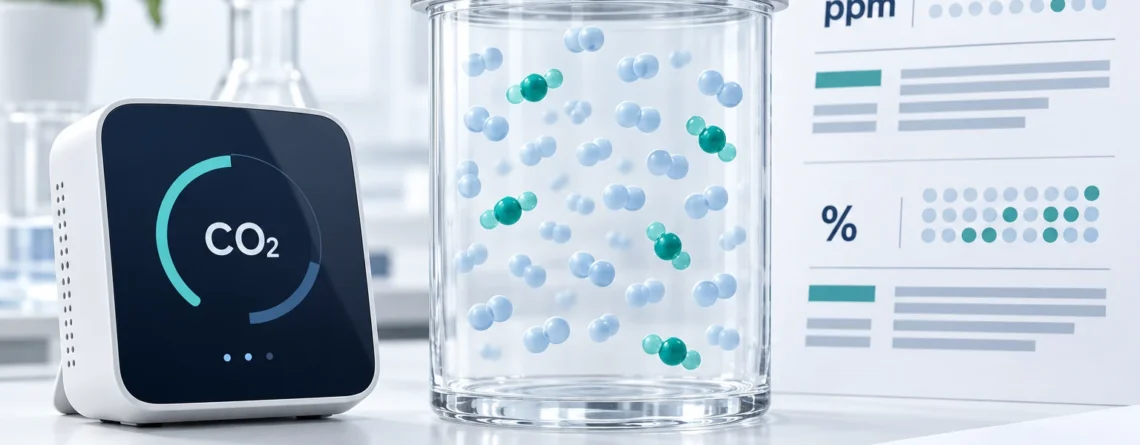
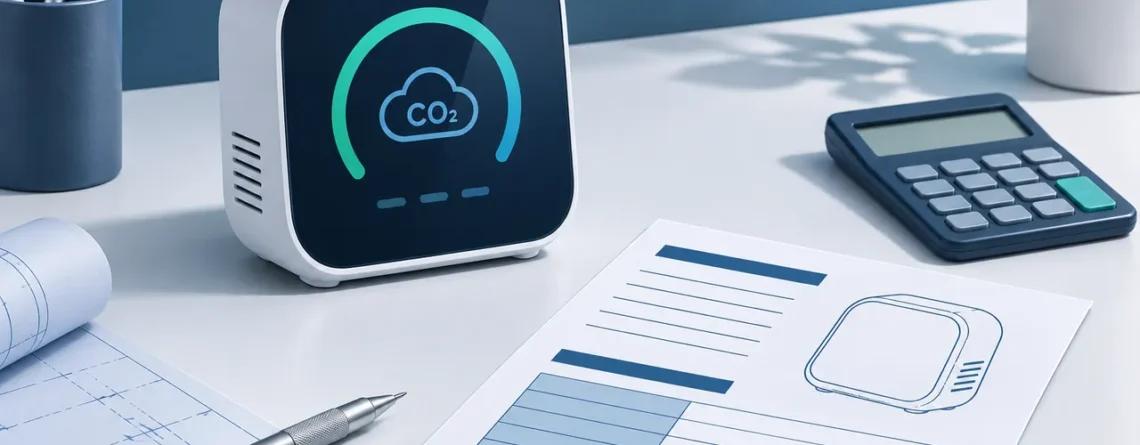
Sensor One Stop2026-10-13T09:41:37+08:00Choose a CO2 measurement range around the concentrations and decisions that matter. Compare ppm and percent units, accuracy intervals, overrange behavior and sampling conditions.
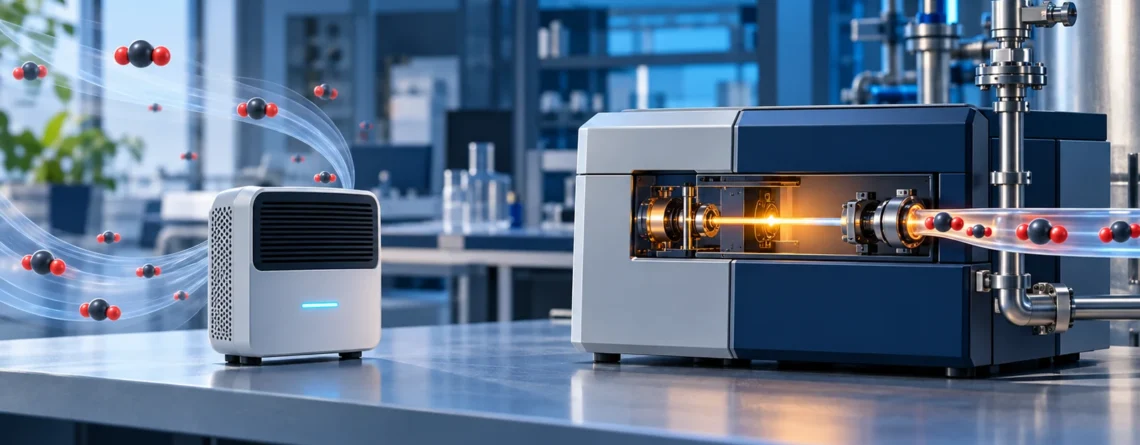
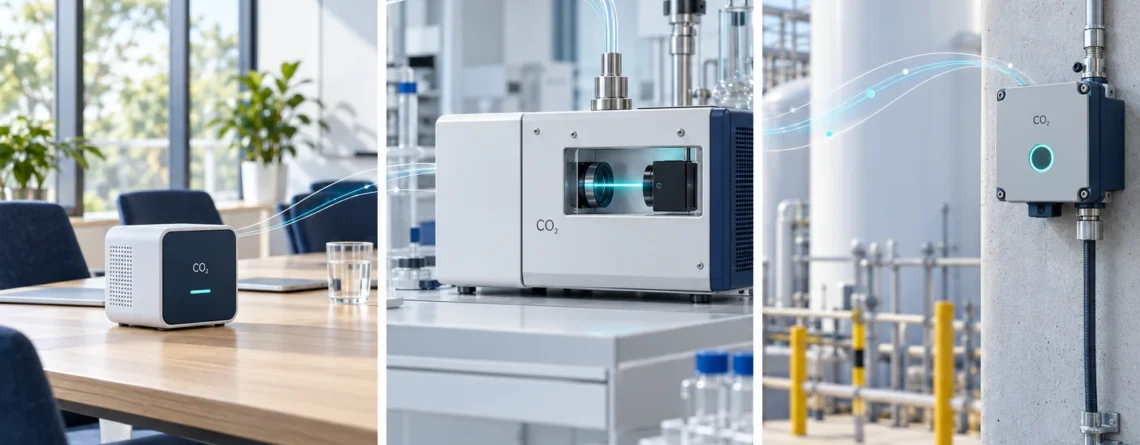
Sensor One Stop2026-10-13T09:42:01+08:00Compare CO2 monitors and gas analyzers by sample point, gas path, measurement range, time resolution, calibration evidence and the decision the data supports.
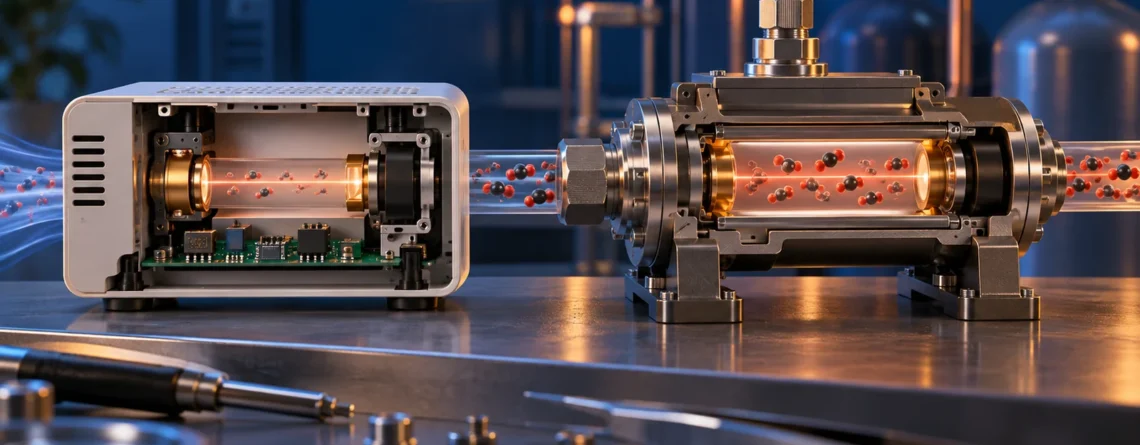
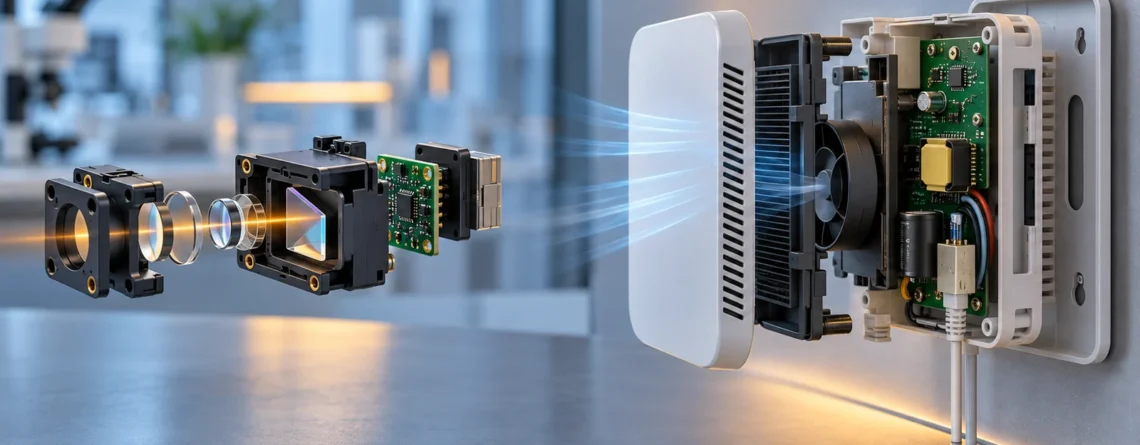
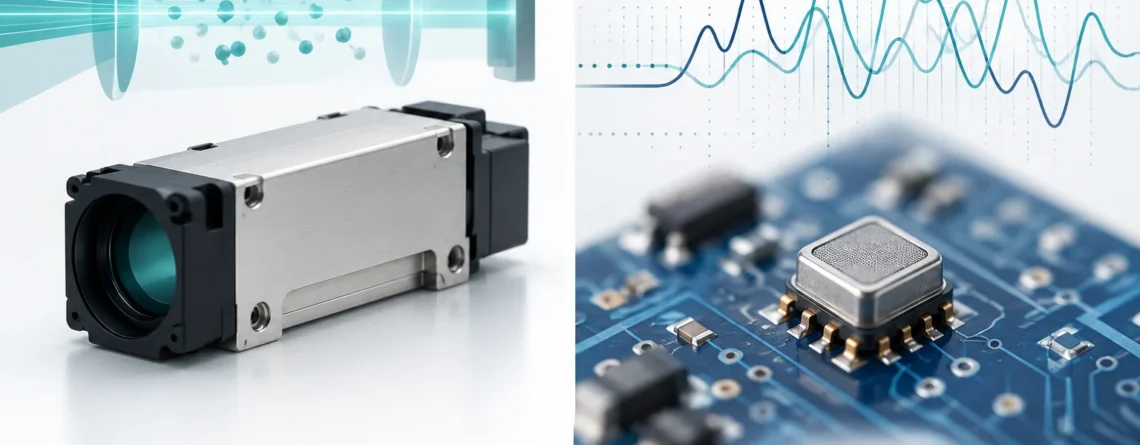
Sensor One Stop2026-10-13T09:29:02+08:00A CO2 sensor module and a complete monitor solve different engineering tasks. Compare enclosure, sampling, power, data, calibration, alarms and finished-device evidence.
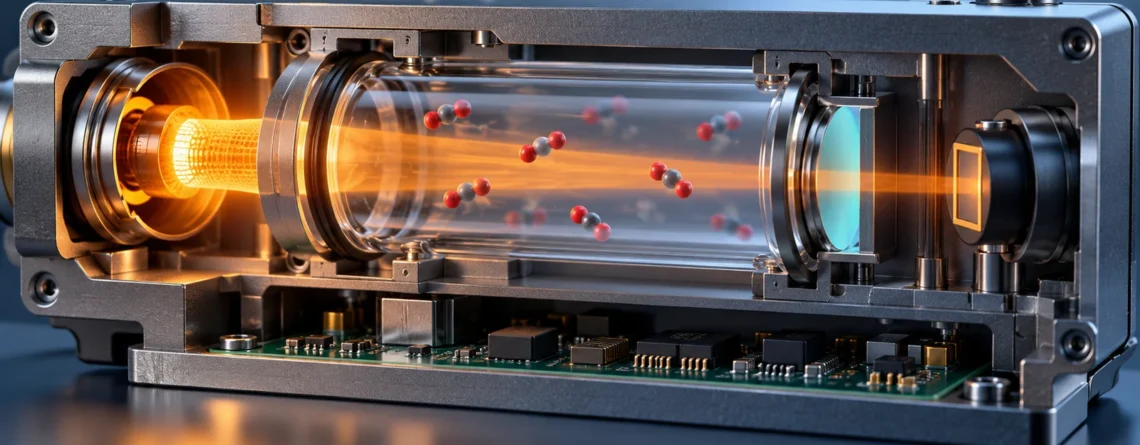
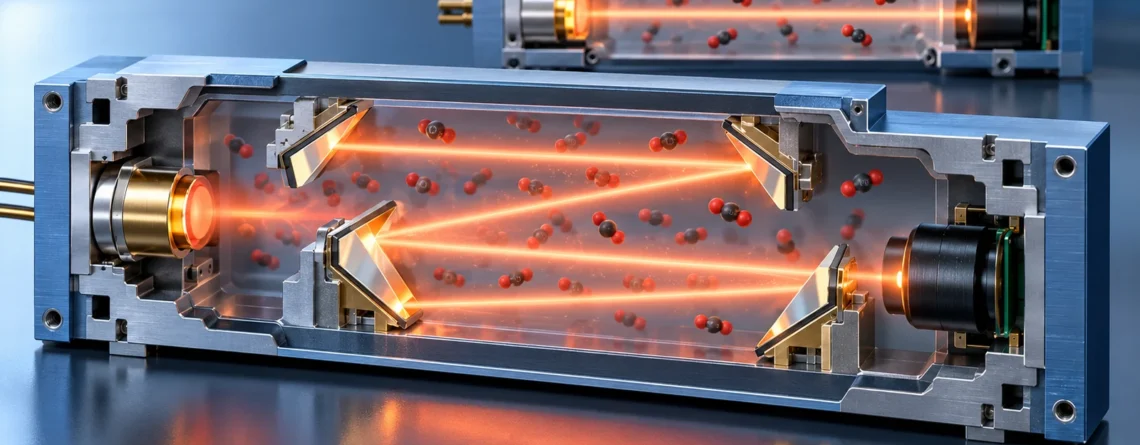
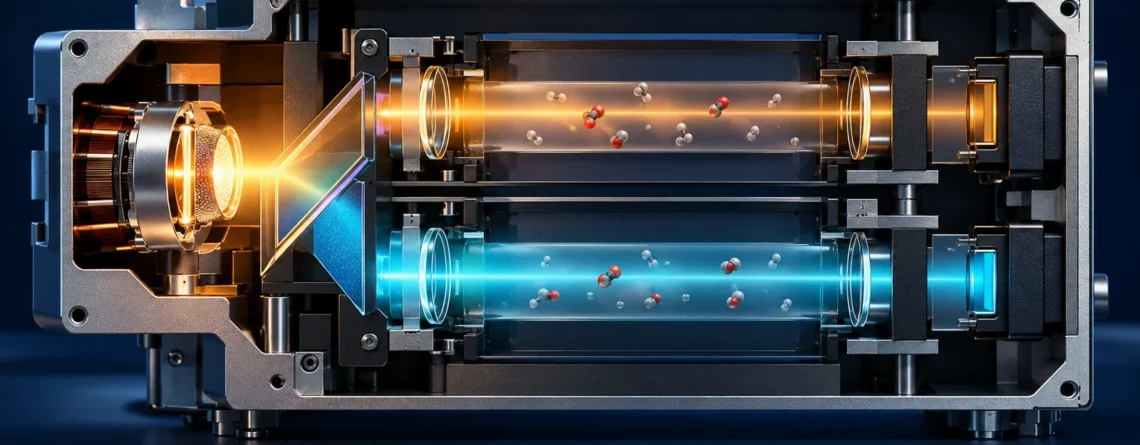
Sensor One Stop2026-10-13T08:51:57+08:00Follow the NDIR CO2 measurement chain from infrared source and gas cell to filter, detector, reference signal, compensation and calibrated output.
Sensor One Stop2026-10-13T08:50:50+08:00Learn how NDIR optical path length affects low-CO2 signal, high-concentration range, cell geometry and module size, and which specifications to compare.
Sensor One Stop2026-10-13T08:49:59+08:00Understand the optical reference in NDIR CO2 sensors: common-mode drift, shared-path contamination, temperature and pressure limits, and calibration implications.
Sensor One Stop2026-10-12T18:03:38+08:00Compare direct CO2 measurement with VOC signals, eCO2 estimates and TVOC outputs. Learn what each channel measures and how to verify an air quality monitor.
Sensor One Stop2026-10-12T18:03:14+08:00Understand CO2 ppm, mole and volume fractions, ppm-to-percent conversion, wet and dry reporting bases, and what a sensor's range does and does not establish.
Sensor One Stop2026-10-12T17:57:57+08:00Choose CO2 measurement methods and instruments for room air, process samples or gas detection. Compare ranges, sampling, calibration and useful data records.
Sensor One Stop2026-11-06T09:15:55+08:00Calculate fixed ppm plus percentage accuracy, compare reading and full-scale terms, and apply the right conditions to a CO2 monitor reference check.