News

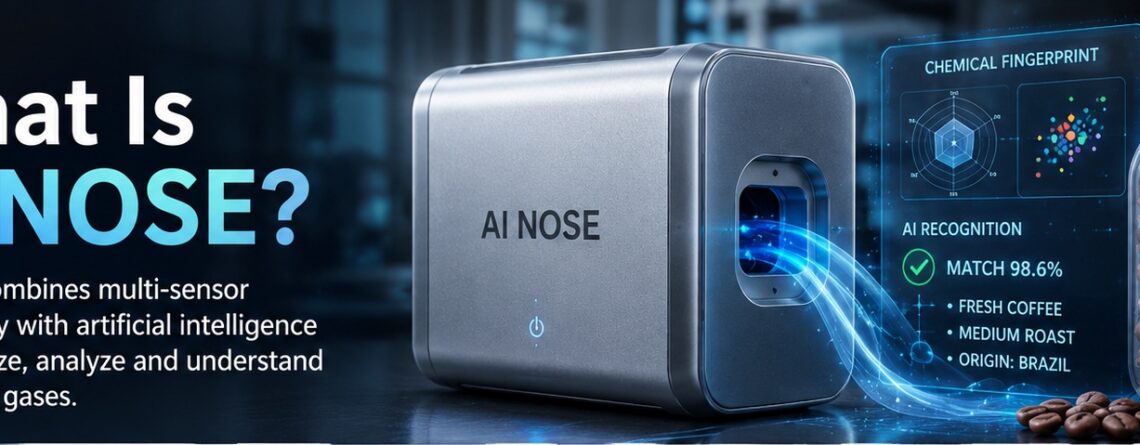
What Is an AI Nose: How AI-Powered Electronic Noses Work

Artificial intelligence can recognize images, understand speech and analyze enormous amounts of data. Increasingly, machines are also learning to interpret another type of information that humans experience every day: smell. An AI Nose, also called an AI-powered electronic nose or intelligent electronic nose, combines multiple chemical...

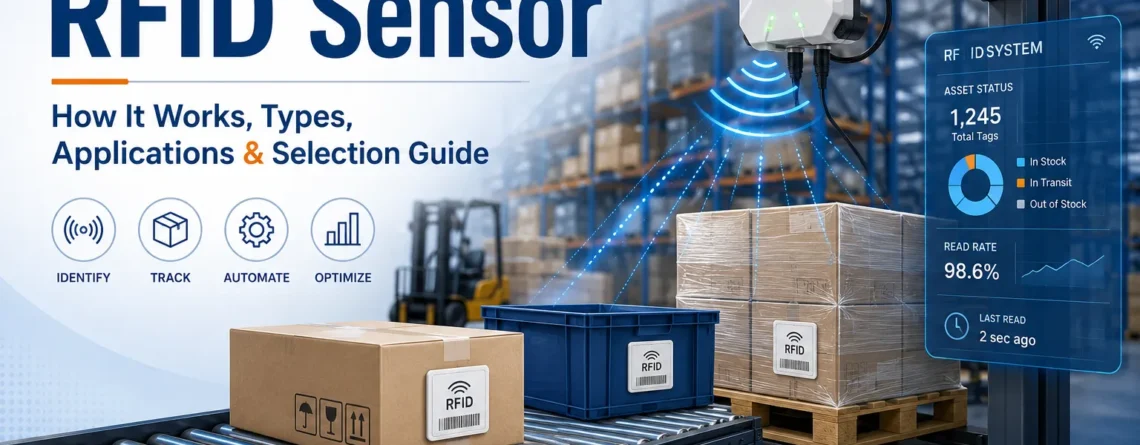
RFID Sensor: How It Works, Types, Applications and Selection Guide

RFID sensors combine wireless identification with automated data collection, allowing businesses to identify, track and manage objects without manually scanning every item.They are widely used in warehouses, manufacturing facilities, hospitals, retail stores, libraries, transportation systems and industrial asset-management projects. Compared with conventional barcodes, an RFID...

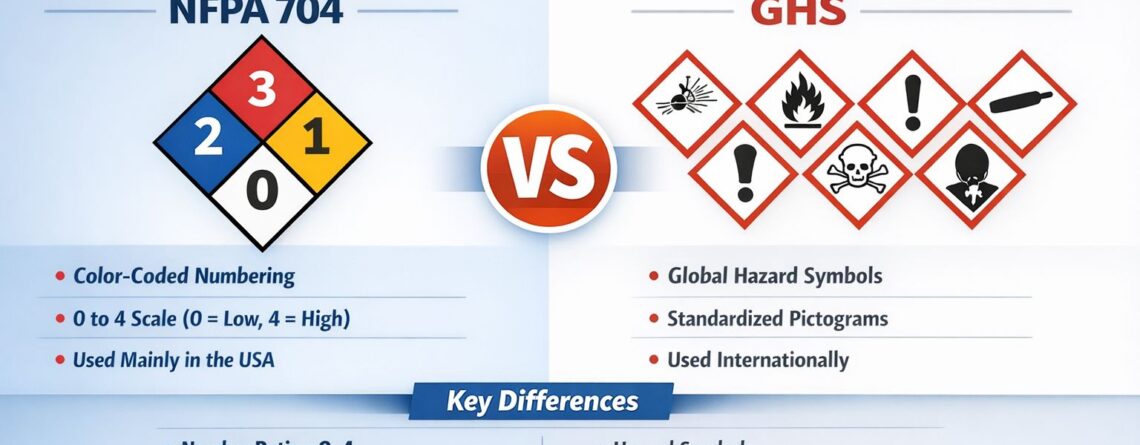
NFPA 704 vs GHS: What’s the Difference?

NFPA 704 and GHS are both used to communicate chemical hazards, but they are not the same system and they were not designed for the same purpose. OSHA’s official comparison says NFPA 704 is intended to provide basic information for emergency personnel responding to a...

Vibration Sensors, Principles, Types, Applications, and Emerging Trends

1. Introduction to Vibration SensorsVibration sensors are essential devices used to detect, measure, and analyze oscillatory motions in objects, systems, or structures. These sensors convert mechanical motion into electrical signals, enabling monitoring, diagnostics, and preventive maintenance across industries such as manufacturing, aerospace, automotive, construction, and...

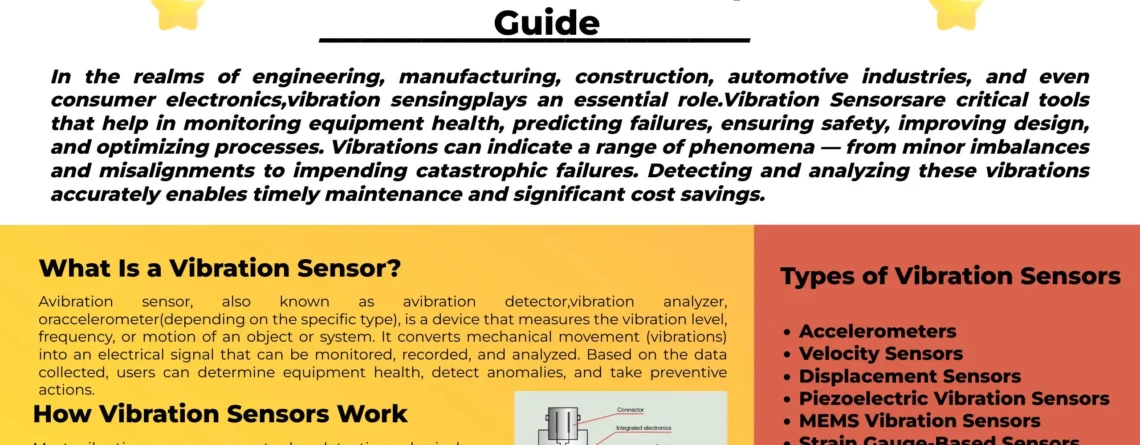
Vibration Sensors: A Complete Guide

In the realms of engineering, manufacturing, construction, automotive industries, and even consumer electronics, vibration sensing plays an essential role. Vibration Sensors are critical tools that help in monitoring equipment health, predicting failures, ensuring safety, improving design, and optimizing processes.Vibrations can indicate a range of phenomena...