29Apr
28Apr
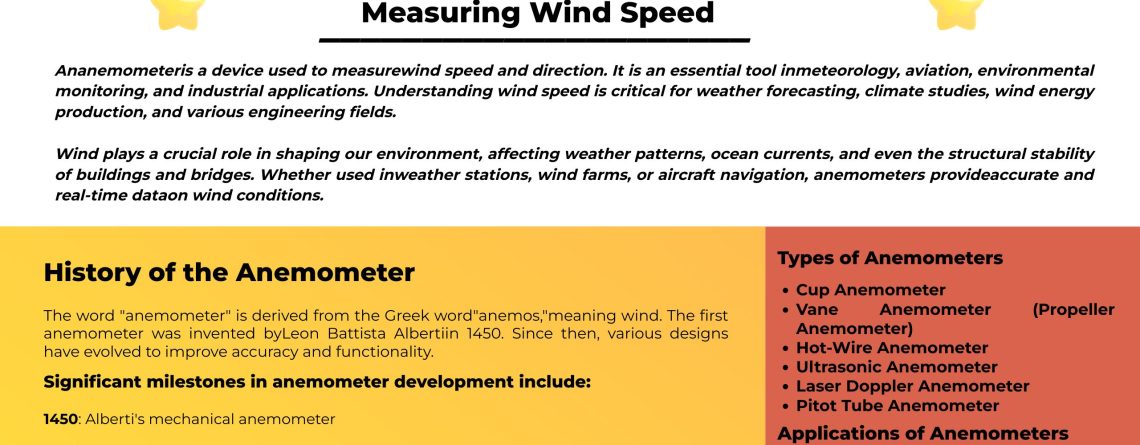
Anemometer: The Essential Instrument for Measuring Wind Speed
An anemometer is a device used to measure wind speed and direction. It is an essential tool in meteorology, aviation, environmental monitoring, and industrial applications. Understanding wind speed is critical for weather forecasting, climate studies, wind energy production, and various engineering fields.Wind plays a crucial...
27Apr
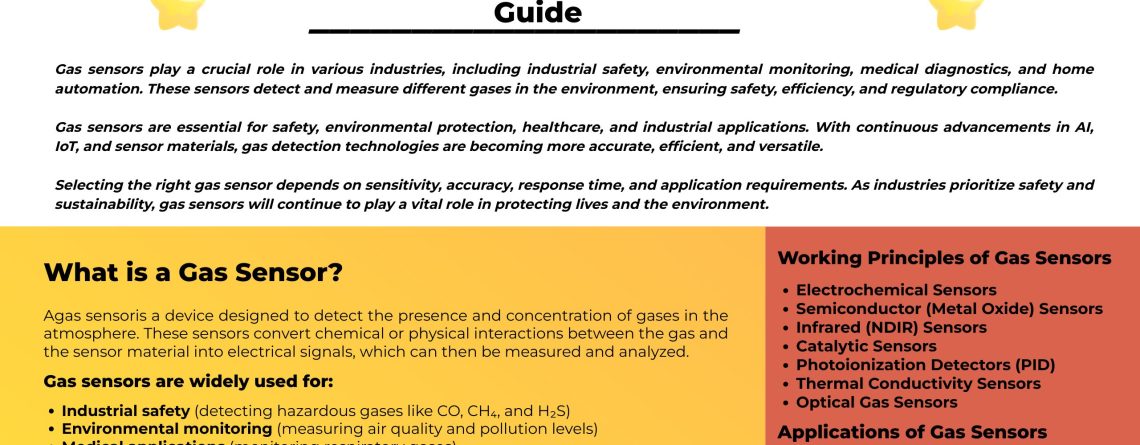
Gas Sensors Types: A Comprehensive Guide
Gas sensors play a crucial role in various industries, including industrial safety, environmental monitoring, medical diagnostics, and home automation. These sensors detect and measure different gases in the environment, ensuring safety, efficiency, and regulatory compliance. What is a Gas Sensor? A gas sensor is a device designed...
23Apr
Zero Ozone Depletion Potential (ODP): A Sustainable Path to Environmental Protection
The ozone layer, a fragile shield of gas in the Earth's stratosphere, plays a critical role in protecting life on Earth from the harmful ultraviolet (UV) radiation emitted by the sun. Over the past several decades, scientists have observed significant depletion of this vital layer,...
21Apr
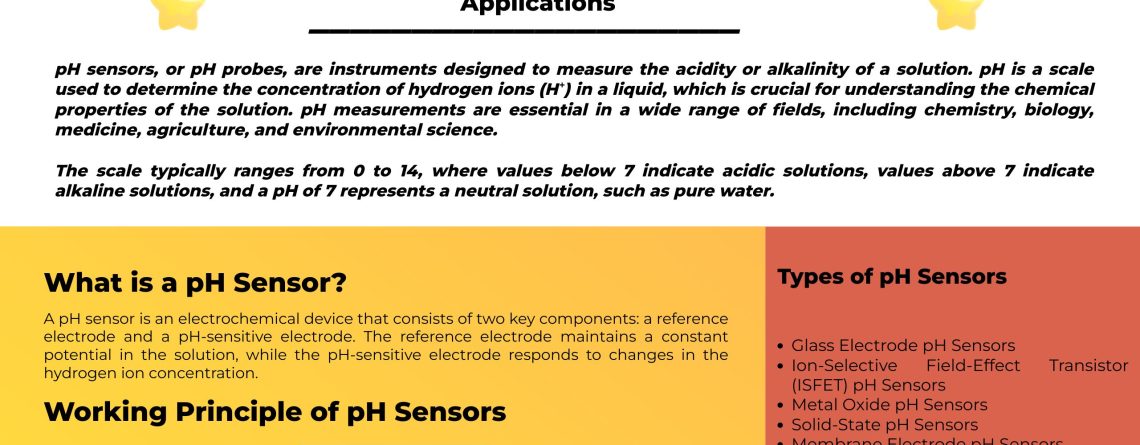
Understanding pH Sensors: Principles, Types, and Applications
pH sensors, or pH probes, are instruments designed to measure the acidity or alkalinity of a solution. pH is a scale used to determine the concentration of hydrogen ions (H⁺) in a liquid, which is crucial for understanding the chemical properties of the solution. pH...
18Apr
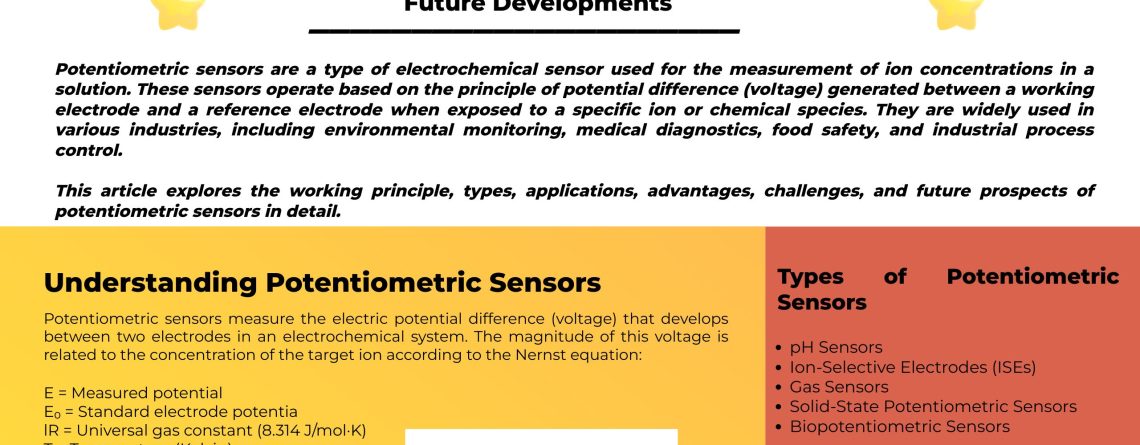
Potentiometric Sensors: Principles, Applications, and Future Developments
Potentiometric sensors are a type of electrochemical sensor used for the measurement of ion concentrations in a solution. These sensors operate based on the principle of potential difference (voltage) generated between a working electrode and a reference electrode when exposed to a specific ion or...
17Apr
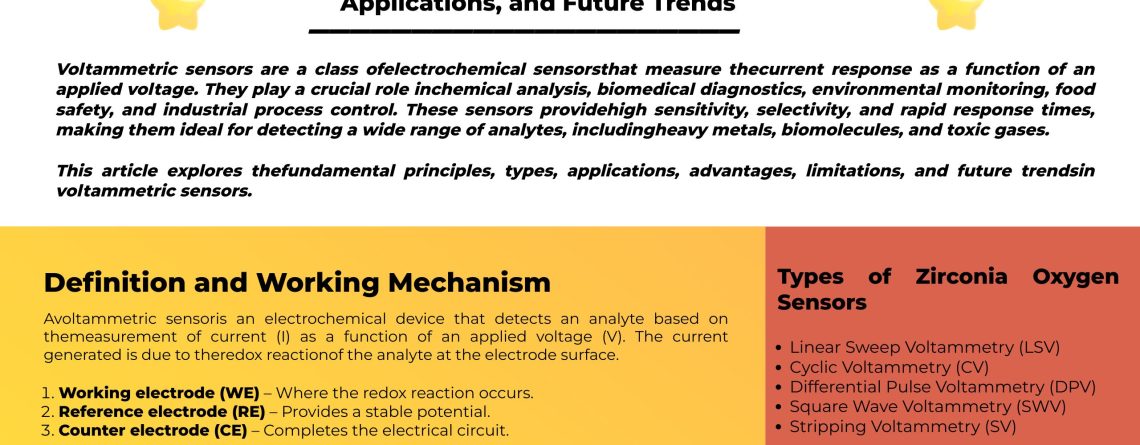
Voltammetric Sensors: Principles, Types, Applications, and Future Trends
Voltammetric sensors are a class of electrochemical sensors that measure the current response as a function of an applied voltage. They play a crucial role in chemical analysis, biomedical diagnostics, environmental monitoring, food safety, and industrial process control. These sensors provide high sensitivity, selectivity, and...
15Apr
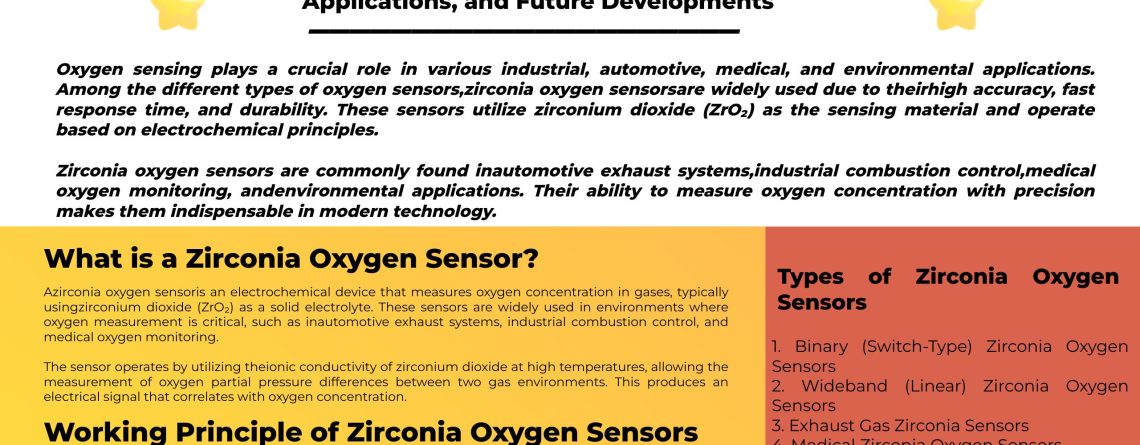
Zirconia Oxygen Sensor: Working Principle, Applications, and Future Developments
Oxygen sensing plays a crucial role in various industrial, automotive, medical, and environmental applications. Among the different types of oxygen sensors, zirconia oxygen sensors are widely used due to their high accuracy, fast response time, and durability. These sensors utilize zirconium dioxide (ZrO₂) as the...
08Apr
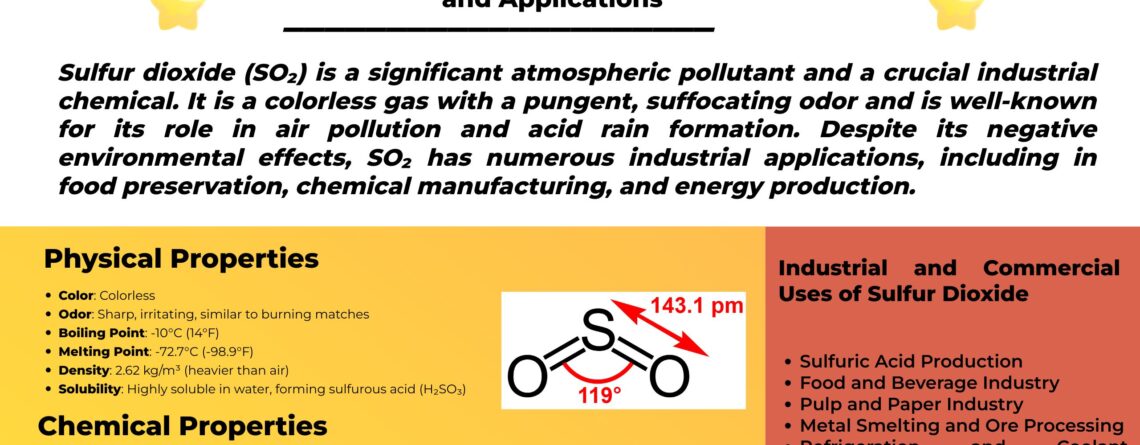
Sulfur Dioxide (SO₂): Properties, Sources, Effects, and Applications
Sulfur dioxide (SO₂) is a significant atmospheric pollutant and a crucial industrial chemical. It is a colorless gas with a pungent, suffocating odor and is well-known for its role in air pollution and acid rain formation. Despite its negative environmental effects, SO₂ has numerous industrial...
03Apr