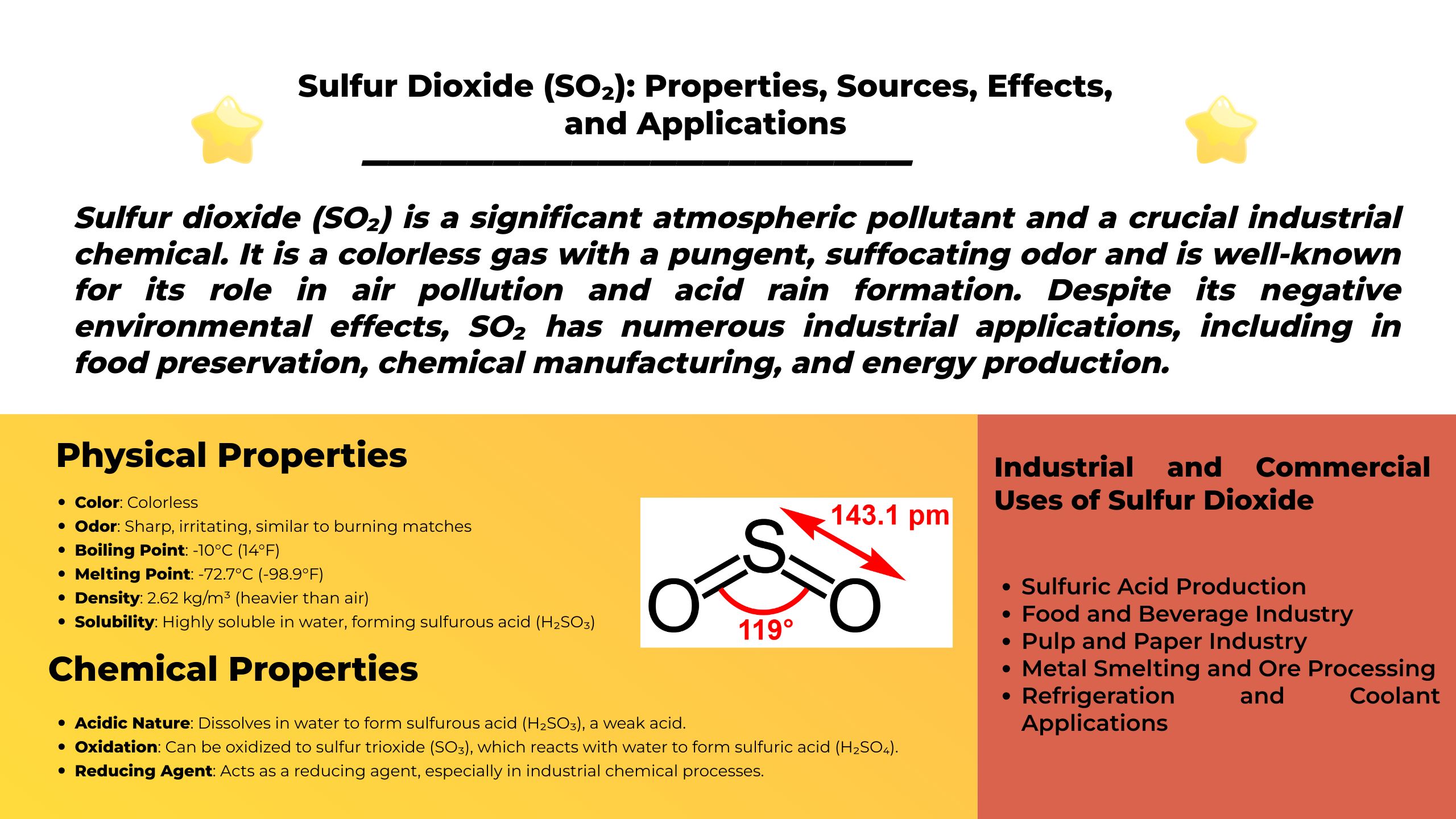
Sulfur dioxide (SO₂) is a significant atmospheric pollutant and a crucial industrial chemical. It is a colorless gas with a pungent, suffocating odor and is well-known for its role in air pollution and acid rain formation. Despite its negative environmental effects, SO₂ has numerous industrial applications, including in food preservation, chemical manufacturing, and energy production.
What is Sulfur Dioxide?
Chemical Structure and Formula
Sulfur dioxide is a chemical compound with the formula SO₂, consisting of:

- One sulfur (S) atom
- Two oxygen (O) atoms
It has a bent molecular structure due to the presence of lone pairs on the sulfur atom, giving it a bond angle of about 119°.
Physical Properties
- Color: Colorless
- Odor: Sharp, irritating, similar to burning matches
- Boiling Point: -10°C (14°F)
- Melting Point: -72.7°C (-98.9°F)
- Density: 2.62 kg/m³ (heavier than air)
- Solubility: Highly soluble in water, forming sulfurous acid (H₂SO₃)
Chemical Properties
- Acidic Nature: Dissolves in water to form sulfurous acid (H₂SO₃), a weak acid.
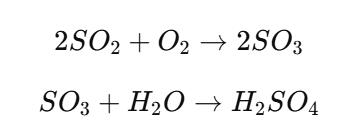
- Oxidation: Can be oxidized to sulfur trioxide (SO₃), which reacts with water to form sulfuric acid (H₂SO₄).
- Reducing Agent: Acts as a reducing agent, especially in industrial chemical processes.
Sources of Sulfur Dioxide
Natural Sources
SO₂ is released into the atmosphere from several natural processes, including:
- Volcanic eruptions: A major natural source, as magma contains sulfur compounds that release SO₂ upon eruption.
- Biological decay: The decomposition of organic matter releases small amounts of sulfur compounds, including SO₂.
- Forest fires: Combustion of vegetation containing sulfur compounds produces SO₂.
Anthropogenic (Human-Made) Sources
Human activities contribute significantly to SO₂ emissions, mainly through:
- Fossil Fuel Combustion
- Coal-fired power plants
- Oil refineries
- Industrial furnaces
- Metal Smelting
- Extraction of metals (e.g., copper, lead, zinc) from sulfide ores releases SO₂.
- Petroleum Refining
- Crude oil processing generates sulfur compounds, leading to SO₂ emissions.
- Chemical Manufacturing
- Used in sulfuric acid production via the Contact Process.
Environmental and Health Effects of Sulfur Dioxide
Environmental Effects
Acid Rain Formation
SO₂ reacts with oxygen and water in the atmosphere to form sulfuric acid (H₂SO₄), a major component of acid rain:
Acid rain negatively impacts:
- Soil health – Alters soil pH and leaches essential nutrients.
- Aquatic ecosystems – Acidifies lakes and rivers, harming aquatic life.
- Buildings and monuments – Corrodes limestone, marble, and concrete structures.
Air Pollution and Haze Formation
SO₂ contributes to particulate matter (PM2.5) formation, reducing air quality and visibility.
Climate Effects
While SO₂ itself does not cause global warming, sulfate aerosols formed from SO₂ reflect sunlight, leading to short-term cooling effects. However, this is not a sustainable method of climate control due to its harmful environmental impact.
Health Effects
Exposure to sulfur dioxide can have severe health effects, especially for vulnerable populations.
Short-Term Exposure
- Respiratory irritation – Causes coughing, wheezing, and throat irritation.
- Eye irritation – Causes burning and redness.
- Asthma aggravation – Triggers asthma attacks in sensitive individuals.
Long-Term Exposure
- Lung disease – Prolonged exposure is linked to chronic bronchitis and reduced lung function.
- Cardiovascular diseases – Increases the risk of heart attacks and strokes.
Industrial and Commercial Uses of Sulfur Dioxide
Sulfuric Acid Production
SO₂ is a key intermediate in the Contact Process used to manufacture sulfuric acid (H₂SO₄), which is essential in:
- Fertilizer production
- Chemical manufacturing
- Petroleum refining
Food and Beverage Industry
- Used as a preservative (E220) to prevent bacterial growth in dried fruits, wine, and soft drinks.
- Acts as a bleaching agent in sugar refining.
Pulp and Paper Industry
- Used in the sulfite process to break down lignin in wood, producing pulp for paper manufacturing.
Metal Smelting and Ore Processing
- Converts metal sulfides into oxides, facilitating metal extraction.
Refrigeration and Coolant Applications
- Historically used in refrigeration systems before safer alternatives (e.g., R-134a) were developed.
Sulfur Dioxide Detection and Control Methods
Detection Methods
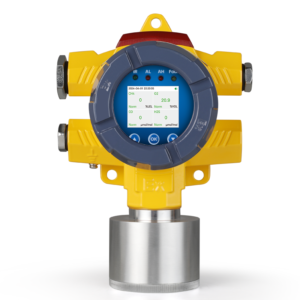
To monitor SO₂ emissions, various sensors and analytical techniques are used:
- Electrochemical Sensors
- Detect SO₂ by measuring current changes during an oxidation reaction.
- Infrared Spectroscopy (NDIR Sensors)
- Measures SO₂ absorption of infrared light.
- Fluorescence Spectroscopy
- Utilizes SO₂ fluorescence under UV light to determine concentration.
- Gas Chromatography
- Separates and quantifies SO₂ in complex gas mixtures.
Control Technologies
Flue Gas Desulfurization (FGD)
- Wet Scrubbers: React SO₂ with a limestone slurry to form gypsum.
- Dry Scrubbers: Use sorbents (e.g., sodium bicarbonate) to neutralize SO₂.
Alternative Energy Sources
- Transitioning to renewable energy (wind, solar) reduces reliance on coal and oil.
Emission Regulations and Policies
- Clean Air Act (U.S.) – Imposes limits on SO₂ emissions.
- EU Industrial Emissions Directive – Sets strict controls for industrial SO₂ output.
Future Outlook and Research on Sulfur Dioxide
Climate Engineering and Geoengineering
- Research explores injecting SO₂ into the stratosphere to cool the Earth. However, risks include ozone depletion and acid rain intensification.
Development of Advanced SO₂ Removal Technologies
- New catalysts and materials for more efficient scrubbing systems.
Alternative Preservatives in Food
- Research focuses on natural antioxidants to replace SO₂ in food preservation.
Conclusion
Sulfur dioxide is a critical chemical with both negative environmental impacts and valuable industrial applications. While it contributes to air pollution and acid rain, SO₂ is essential in chemical manufacturing, food preservation, and industrial processes.
Stricter emission regulations, renewable energy adoption, and advanced pollution control technologies are necessary to balance its benefits and mitigate its harmful effects.