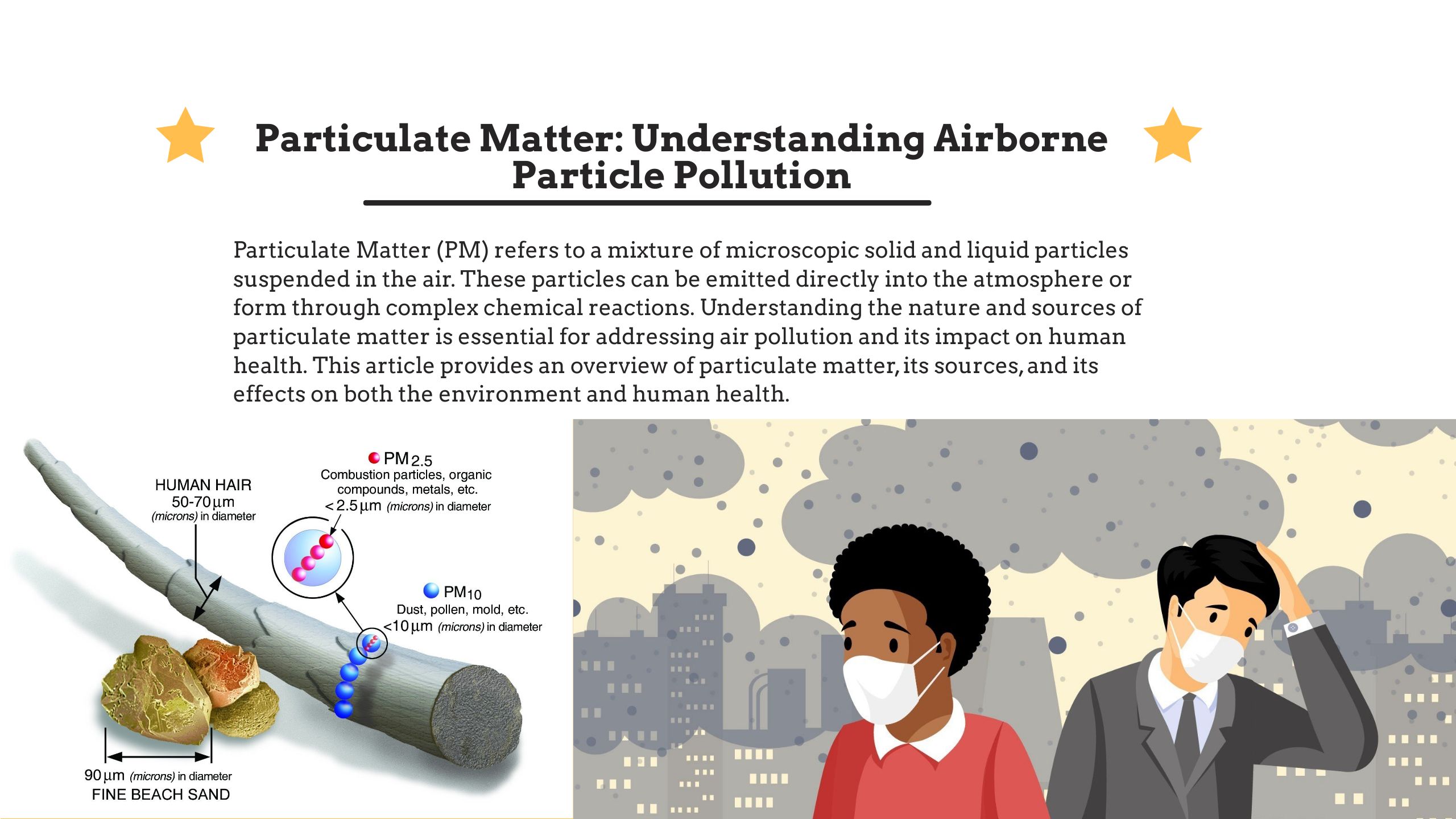
Particulate Matter (PM) refers to a mixture of microscopic solid and liquid particles suspended in the air. These particles can be emitted directly into the atmosphere or form through complex chemical reactions. Understanding the nature and sources of particulate matter is essential for addressing air pollution and its impact on human health. This article provides an overview of particulate matter, its sources, and its effects on both the environment and human health.
What is Particulate Matter?
Particulate Matter (PM) consists of a wide range of particles with varying sizes, shapes, and compositions. These particles can be classified based on their diameter, with PM10 referring to particles with a diameter of 10 micrometers or smaller, and PM2.5 representing particles with a diameter of 2.5 micrometers or smaller. Fine particles, such as PM2.5, are of particular concern due to their ability to penetrate deep into the respiratory system.
Types of Particulate Matter
Particulate Matter (PM) is categorized based on the size of the particles
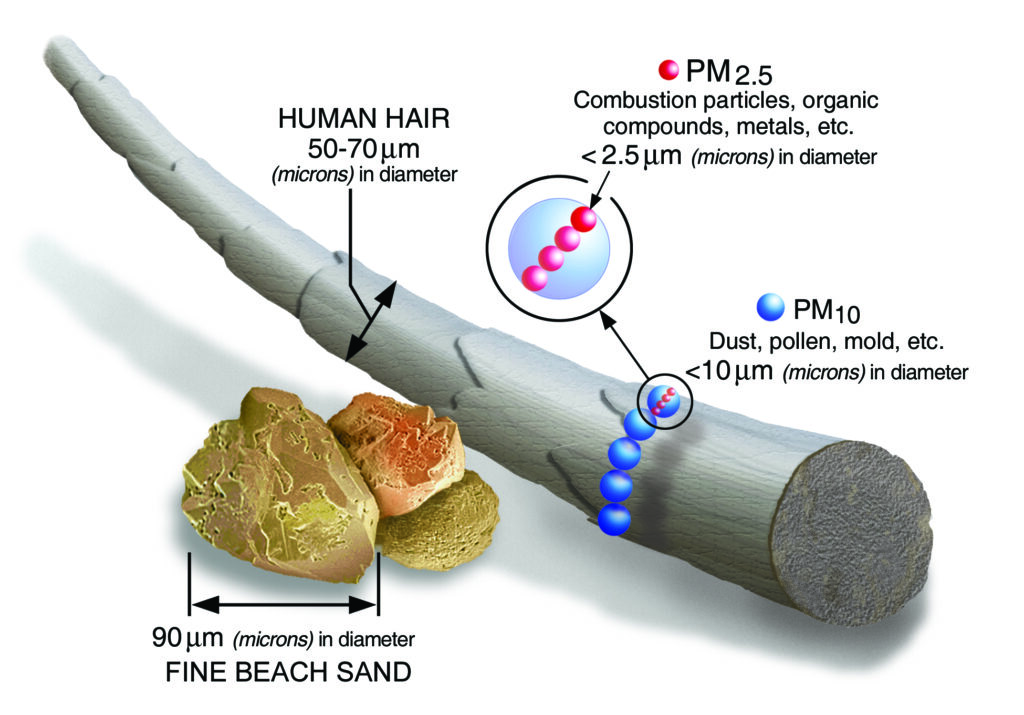
(Source: www.epa.gov)
PM10 (Coarse Particles)
- Size: Particles with a diameter of 10 micrometers or smaller.
- Health Impact: These particles are larger and are primarily deposited in the upper respiratory tract, causing irritation and discomfort. While they may not penetrate deeply into the lungs, they can still contribute to respiratory symptoms, particularly in individuals with pre-existing conditions such as asthma or allergies.
PM2.5 (Fine Particles)
- Size: Particles with a diameter of 2.5 micrometers or smaller.
- Health Impact: Fine particles are of particular concern due to their smaller size, which allows them to bypass the body’s natural defenses and penetrate deep into the lungs. PM2.5 can irritate the respiratory system, trigger inflammation, and worsen respiratory conditions such as asthma, bronchitis, and chronic obstructive pulmonary disease (COPD). Prolonged exposure to PM2.5 has also been associated with an increased risk of cardiovascular diseases, including heart attacks and strokes, as these particles can enter the bloodstream.
Realted Read: What is the Difference Between PM10 and PM2.5
Sources of Particulate Matter
Particulate matter (PM) is a complex mixture of tiny particles and liquid droplets suspended in the air. These particles can originate from both natural and anthropogenic (human-made) sources, contributing to air pollution and affecting human health, visibility, and the environment.
Natural Sources
- Wildfires: Produce large amounts of smoke and ash.
- Volcanic Eruptions: Emit ash and gases that condense into particulate matter.
- Dust Storms: Carry large amounts of soil and sand particles.
- Biological Sources: Pollen, mold spores, and other organic materials.
Anthropogenic Sources
- Combustion Processes:
- Vehicle Emissions: Exhaust from cars, trucks, and buses.
- Industrial Processes: Factories and power plants burning fossil fuels.
- Residential Heating: Wood stoves and fireplaces.
- Construction and Demolition: Dust from building sites.
- Agricultural Activities: Plowing, harvesting, and livestock activities release dust and ammonia that can form particulate matter.
- Secondary Formation: Chemical reactions in the atmosphere that convert gases like sulfur dioxide (SO2) and nitrogen oxides (NOx) into particulate matter.
Environmental Impacts of Particulate Matter (PM)
Particulate matter (PM) affects the environment in various ways, influencing air quality, ecosystems, and climate. The impacts can be both direct and indirect, contributing to a range of environmental issues.
1. Air Quality and Visibility
a. Reduced Visibility (Haze)
Fine particulate matter (PM2.5) can scatter and absorb light, reducing visibility and creating haze.
Impact: Haze impairs scenic views in natural landscapes, national parks, and urban areas, affecting tourism and quality of life.
b. Smog Formation
PM can interact with other pollutants like nitrogen oxides (NOx) and volatile organic compounds (VOCs) to form smog.
Impact: Smog, a type of air pollution, reduces air quality and poses health risks to humans and animals.
2. Climate Effects
a. Radiative Forcing
PM affects the Earth’s radiation balance by directly scattering and absorbing sunlight.
Impact: Black carbon, a type of PM, absorbs sunlight and warms the atmosphere, while sulfate particles reflect sunlight and cool the atmosphere.
b. Cloud Formation and Properties
PM can act as cloud condensation nuclei (CCN), influencing cloud formation and properties. Impact: Changes in cloud reflectivity and lifetime can affect regional and global climate patterns, potentially altering precipitation and temperature.
3. Soil and Water Pollution
a. Deposition of Contaminants
PM can settle on soil and water surfaces, depositing harmful contaminants like heavy metals and persistent organic pollutants.
Impact: This can degrade soil quality, harm aquatic ecosystems, and enter the food chain, posing risks to wildlife and humans.
b. Acid Rain Formation
PM containing sulfur dioxide (SO₂) and nitrogen oxides (NOx) can form acidic compounds when combined with water vapor.
Impact: Acid rain can acidify soils and water bodies, harming plants, aquatic life, and infrastructure.
4. Ecosystem Damage
a. Plant Health
PM can settle on plant leaves, blocking sunlight and inhibiting photosynthesis.
Impact: Reduced photosynthesis can stunt plant growth, lower crop yields, and damage forests.
b. Wildlife Health
Animals can inhale or ingest PM, leading to respiratory and other health problems.
Impact: Wildlife exposed to high levels of PM may suffer from decreased reproductive success and increased mortality rates.
5. Global and Regional Impacts
a. Arctic Warming
Black carbon from PM can settle on ice and snow, reducing their albedo (reflectivity).
Impact: This accelerates melting and contributes to Arctic warming, influencing global climate patterns.
b. Long-Range Transport
PM can be transported over long distances by atmospheric currents.
Impact: Pollutants from one region can affect air quality and ecosystems in distant areas, demonstrating the global nature of PM pollution.
More About Environmental Impacts of Particulate Matter (PM): The Environmental Impacts of Particulate Matter (PM)
Health Effects of Particulate Matter
Exposure to particulate matter, especially PM2.5, can lead to a variety of health problems:
Respiratory Issues:
- Aggravation of asthma and bronchitis.
- Decreased lung function and development of lung diseases.
Cardiovascular Effects:
- Increased risk of heart attacks and strokes.
- Elevated blood pressure and inflammation of the cardiovascular system.
Other Health Impacts:
- Premature death in people with heart or lung disease.
- Potential links to diabetes and adverse pregnancy outcomes.
How to Measuring and Monitoring Particulate Matter
1. Gravimetric Method
Air is drawn through a filter that collects particulate matter. The filter is weighed before and after sampling to determine the concentration.
2. Beta Attenuation Monitoring (BAM)
Uses the absorption of beta rays by particulate matter deposited on a filter tape to measure concentration.
3. PM Sensor
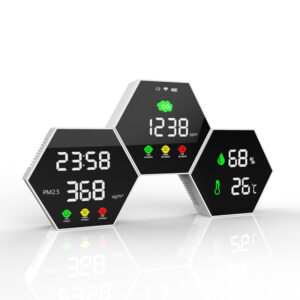
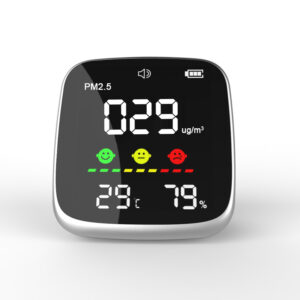
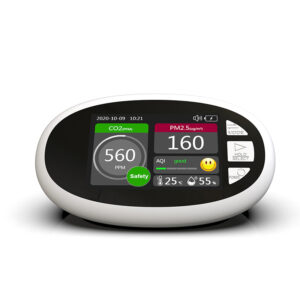
Particulate matter sensors are devices designed to measure the concentration of particles suspended in the air. These sensors are crucial for assessing air quality, as high levels of particulate matter can pose serious health risks and contribute to environmental issues. PM sensors utilize different principles, including infrared and laser technologies, to provide accurate and real-time data on particle concentration.
More About PM Sensor: What is a Particulate Matter Sensor
Strategies for Control and Reduction
Regulatory Measures
- Emission Standards: Setting limits on emissions from vehicles, industries, and other sources.
- Air Quality Standards: Establishing permissible levels of particulate matter in ambient air.
Technological Solutions
- Filtration Systems: Installing high-efficiency particulate air (HEPA) filters in HVAC systems to capture particles.
- Electrostatic Precipitators: Using electric charges to remove particles from industrial emissions.
- Scrubbers: Employing liquid spray systems to wash out particles from exhaust gases.
Behavioral Changes
- Reducing Vehicle Use: Encouraging public transportation, carpooling, and cycling.
- Improved Agricultural Practices: Using techniques that reduce dust and emissions from farming activities.
- Residential Practices: Using cleaner heating options and reducing the use of wood stoves.
Conclusion
Particulate matter is a complex mixture of particles that vary in size and composition, originating from both natural and human activities. Its presence in the air poses significant health risks, particularly to the respiratory and cardiovascular systems, and has broader environmental and climatic impacts. Understanding the sources, effects, and control strategies for particulate matter is crucial for improving air quality and protecting public health. By implementing effective regulatory measures, technological solutions, and behavioral changes, we can reduce the presence of particulate matter in the air and mitigate its harmful effects.