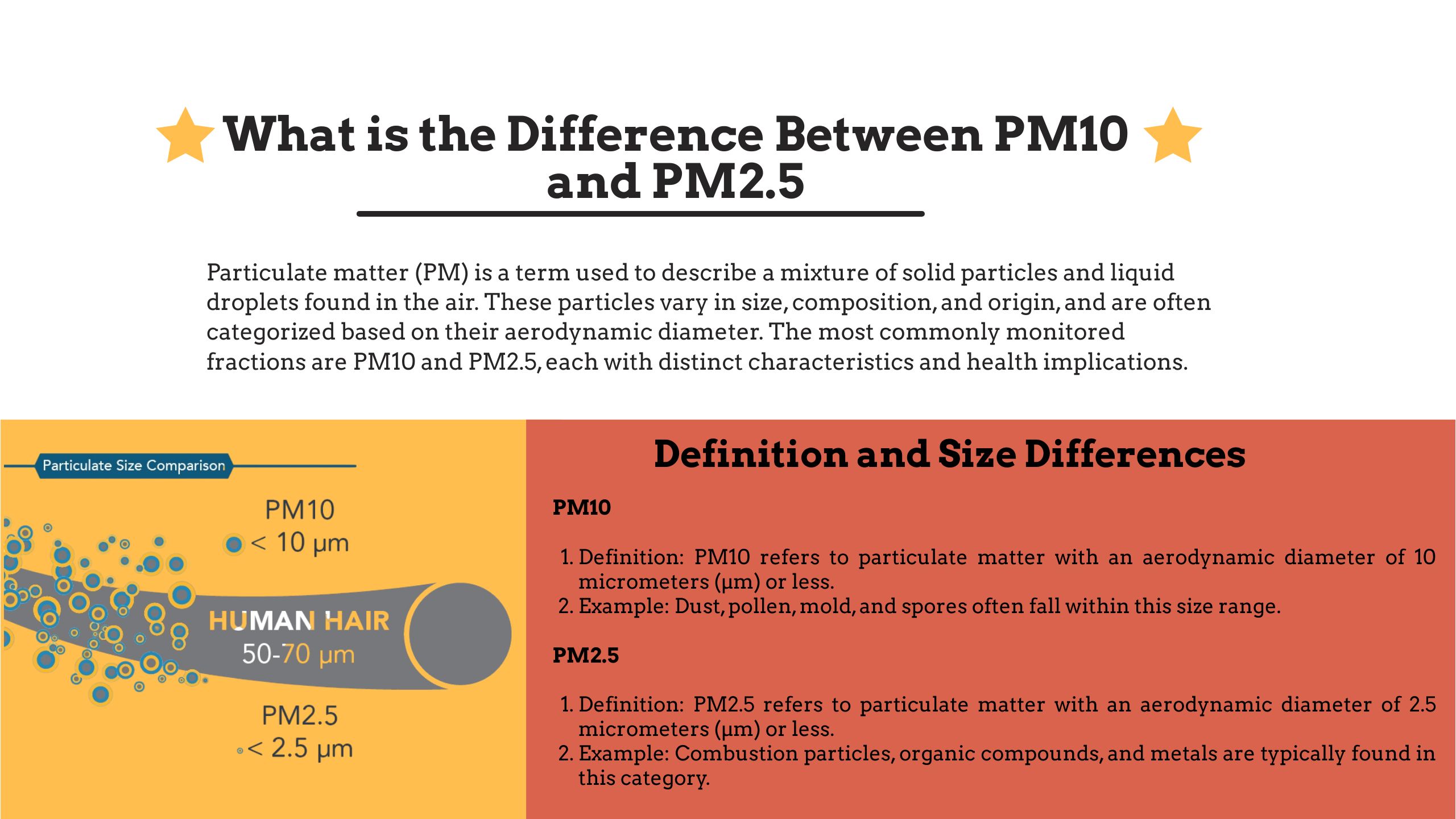
Particulate matter (PM) is a term used to describe a mixture of solid particles and liquid droplets found in the air. These particles vary in size, composition, and origin, and are often categorized based on their aerodynamic diameter. The most commonly monitored fractions are PM10 and PM2.5, each with distinct characteristics and health implications.

Definition and Size Differences

PM10

  • Definition: PM10 refers to particulate matter with an aerodynamic diameter of 10 micrometers (µm) or less.
  • Size Range: PM10 includes particles with diameters up to 10 µm.
  • Visual Example: Dust, pollen, mold, and spores often fall within this size range.

PM2.5

  • Definition: PM2.5 refers to particulate matter with an aerodynamic diameter of 2.5 micrometers (µm) or less.
  • Size Range: PM2.5 includes finer particles with diameters up to 2.5 µm.
  • Visual Example: Combustion particles, organic compounds, and metals are typically found in this category.

Sources of PM10 and PM2.5

PM10 Sources

  • Natural Sources: Dust storms, pollen, volcanic ash.
  • Human Activities: Construction sites, unpaved roads, agricultural activities, and industrial processes.

PM2.5 Sources

  • Natural Sources: Forest fires, volcanic eruptions, sea spray.
  • Human Activities: Vehicle emissions, industrial combustion, residential heating, and power plants.

Health Impacts

PM10 Health Impacts

  • Respiratory Issues: Can cause irritation of the eyes, nose, and throat; exacerbate asthma and bronchitis.
  • Penetration Depth: Typically deposits in the nose and throat but can reach the upper parts of the respiratory tract.

PM2.5 Health Impacts

  • Severe Respiratory Problems: Can penetrate deep into the lungs and enter the bloodstream, causing more serious health issues.
  • Cardiovascular Effects: Linked to heart attacks, strokes, and increased risk of cardiovascular diseases.
  • Chronic Health Issues: Long-term exposure can lead to reduced lung function, chronic bronchitis, and lung cancer.

Environmental Impacts

PM10 Environmental Impacts

  • Visibility Reduction: Contributes to haze and reduced visibility, affecting scenic vistas and urban landscapes.
  • Soil and Water Contamination: Deposits on soil and water bodies can lead to contamination and affect ecosystems.

PM2.5 Environmental Impacts

  • Climate Effects: Fine particles can affect the Earth’s radiative balance by absorbing or reflecting sunlight.
  • Acid Rain: PM2.5 can contain sulfates and nitrates, which contribute to acid rain formation, affecting soil and water quality.

Measurement and Regulation

Measurement

  • PM10 Measurement: Typically measured using gravimetric methods, beta attenuation, and tapered element oscillating microbalance (TEOM).
  • PM2.5 Measurement: Often measured using more advanced methods like laser scattering, beta attenuation, and filter-based methods.

Realted Reading: What is a Particulate Matter Sensor

Regulation

  • PM10 Standards: Many countries have established air quality standards for PM10, including daily and annual limits to protect public health.
  • PM2.5 Standards: Due to their more significant health impacts, PM2.5 standards are typically stricter, with lower allowable concentrations.

Table of Differences Between PM10 and PM2.5

Feature PM10 PM2.5
Definition Particulate matter with an aerodynamic diameter of 10 micrometers (µm) or less Particulate matter with an aerodynamic diameter of 2.5 micrometers (µm) or less
Size Range Up to 10 µm Up to 2.5 µm
Visual Examples Dust, pollen, mold, spores Combustion particles, organic compounds, metals
Natural Sources Dust storms, pollen, volcanic ash Forest fires, volcanic eruptions, sea spray
Human Sources Construction sites, unpaved roads, agricultural activities, industrial processes Vehicle emissions, industrial combustion, residential heating, power plants
Health Impacts Irritation of eyes, nose, throat; exacerbates asthma and bronchitis; typically deposits in nose and throat Penetrates deep into lungs and bloodstream; causes severe respiratory problems, cardiovascular effects, chronic health issues
Penetration Depth Nose and throat Deep into lungs and bloodstream
Respiratory Issues Yes More severe respiratory problems
Cardiovascular Effects Less significant Heart attacks, strokes, increased risk of cardiovascular diseases
Chronic Health Issues Less significant Reduced lung function, chronic bronchitis, lung cancer
Environmental Impacts Visibility reduction, soil and water contamination Affects Earth’s radiative balance, contributes to acid rain
Visibility Reduction Yes Contributes to haze
Climate Effects Less significant Can affect Earth’s radiative balance
Acid Rain Contributes to acid rain Contains sulfates and nitrates contributing to acid rain
Measurement Methods Gravimetric, beta attenuation, TEOM Laser scattering, beta attenuation, filter-based methods
Regulation Daily and annual limits in many countries Stricter standards with lower allowable concentrations

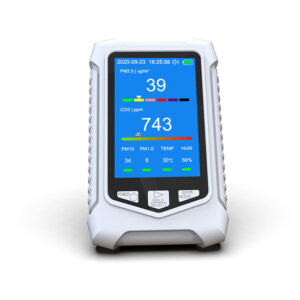
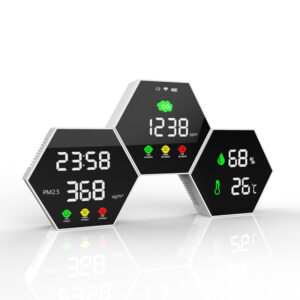
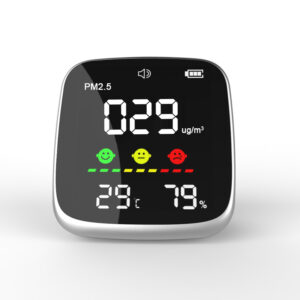
PM2.5 Air Quality Detector Recommend

Conclusion

PM10 and PM2.5 are two critical categories of particulate matter that differ primarily in size, sources, and health impacts. While PM10 includes larger particles that can cause respiratory issues and environmental contamination, PM2.5 consists of finer particles that can penetrate deeper into the lungs and bloodstream, causing more severe health problems and contributing to climate change. Understanding these differences is essential for effective air quality management and the development of strategies to mitigate the adverse effects of particulate matter on health and the environment.
More About Particulate Matter: Particulate Matter, Understanding Airborne Particle Pollution

Leave a Reply

Your email address will not be published. Required fields are marked *